Mudding vs Trail Riding in Off-Road Trucks and Jeeps
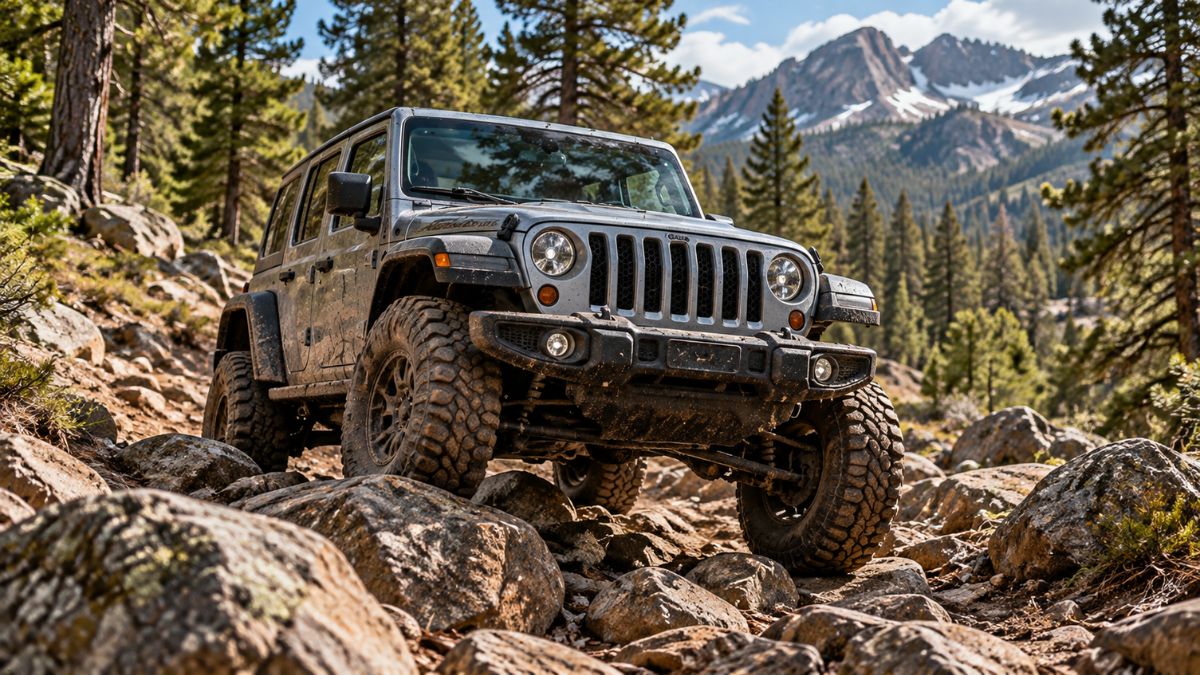
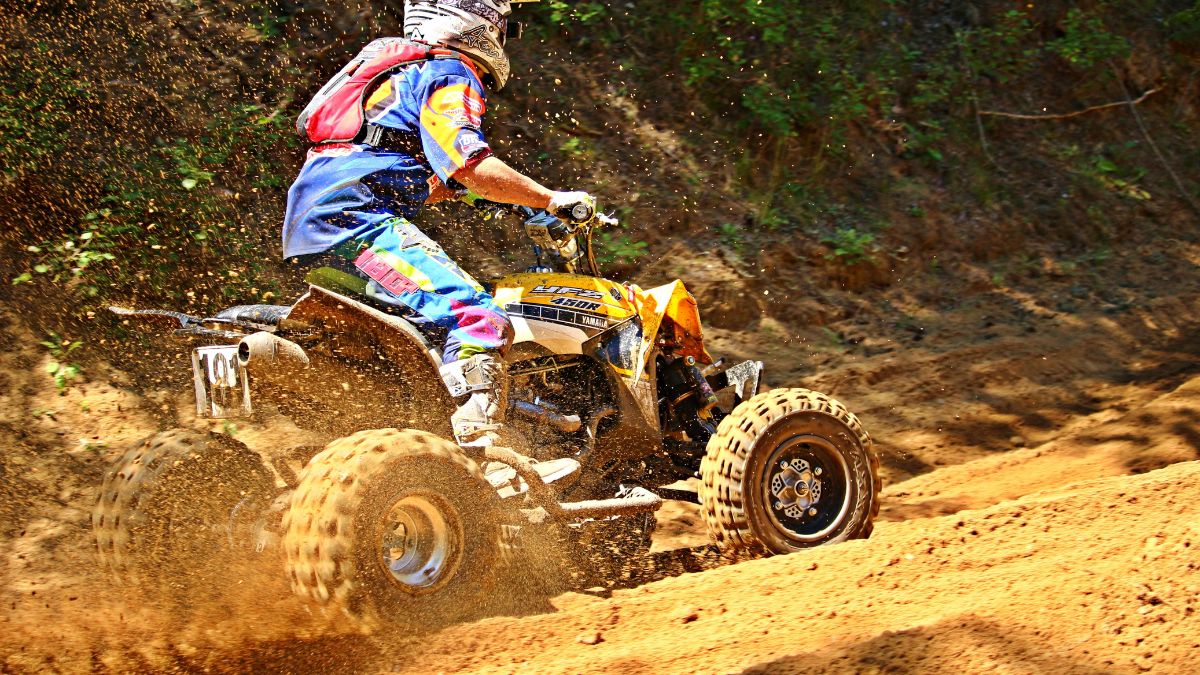
What Makes Mudding Different
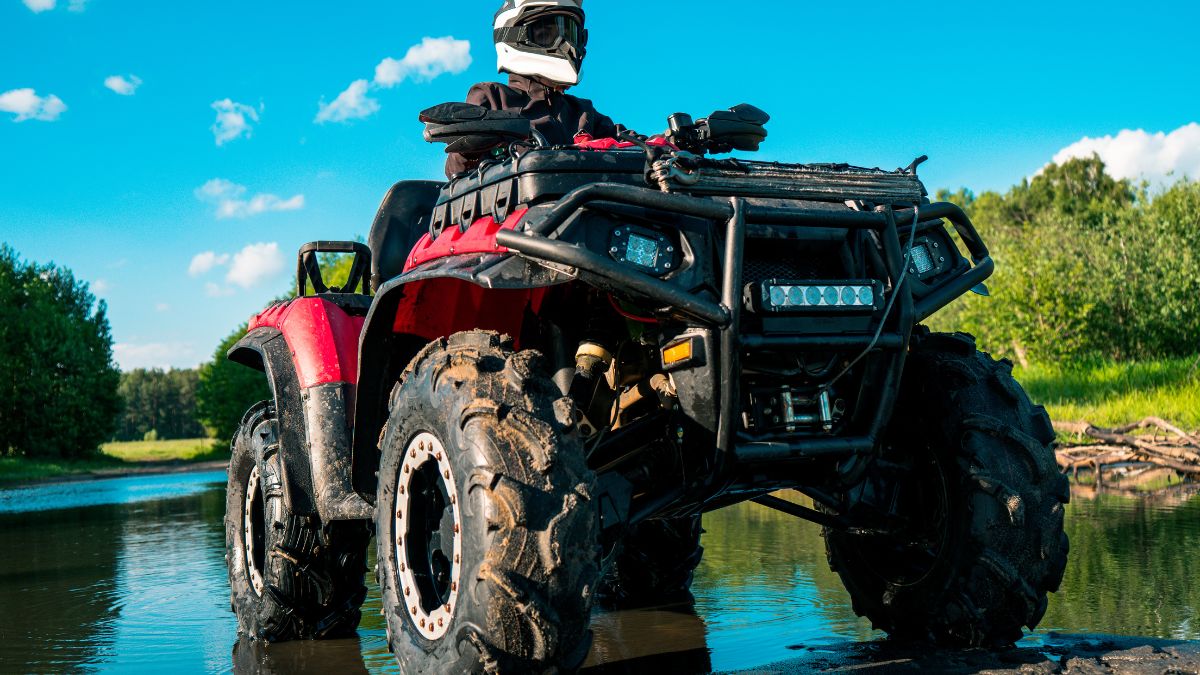
Mud can hide holes, rocks, roots, and deep ruts. Driving into a mud hole without knowing its depth can leave a vehicle stuck or damaged. Walk around a safe area first when possible and watch other vehicles so you understand what the ground looks like.
Tires matter because soft mud needs good traction. Some drivers adjust tire pressure for certain off-road conditions, but there is no one pressure that works for every tire, vehicle, and trail. Follow the tire maker and vehicle maker guidance instead of copying a number from another driver.
How Trail Riding Changes the Drive
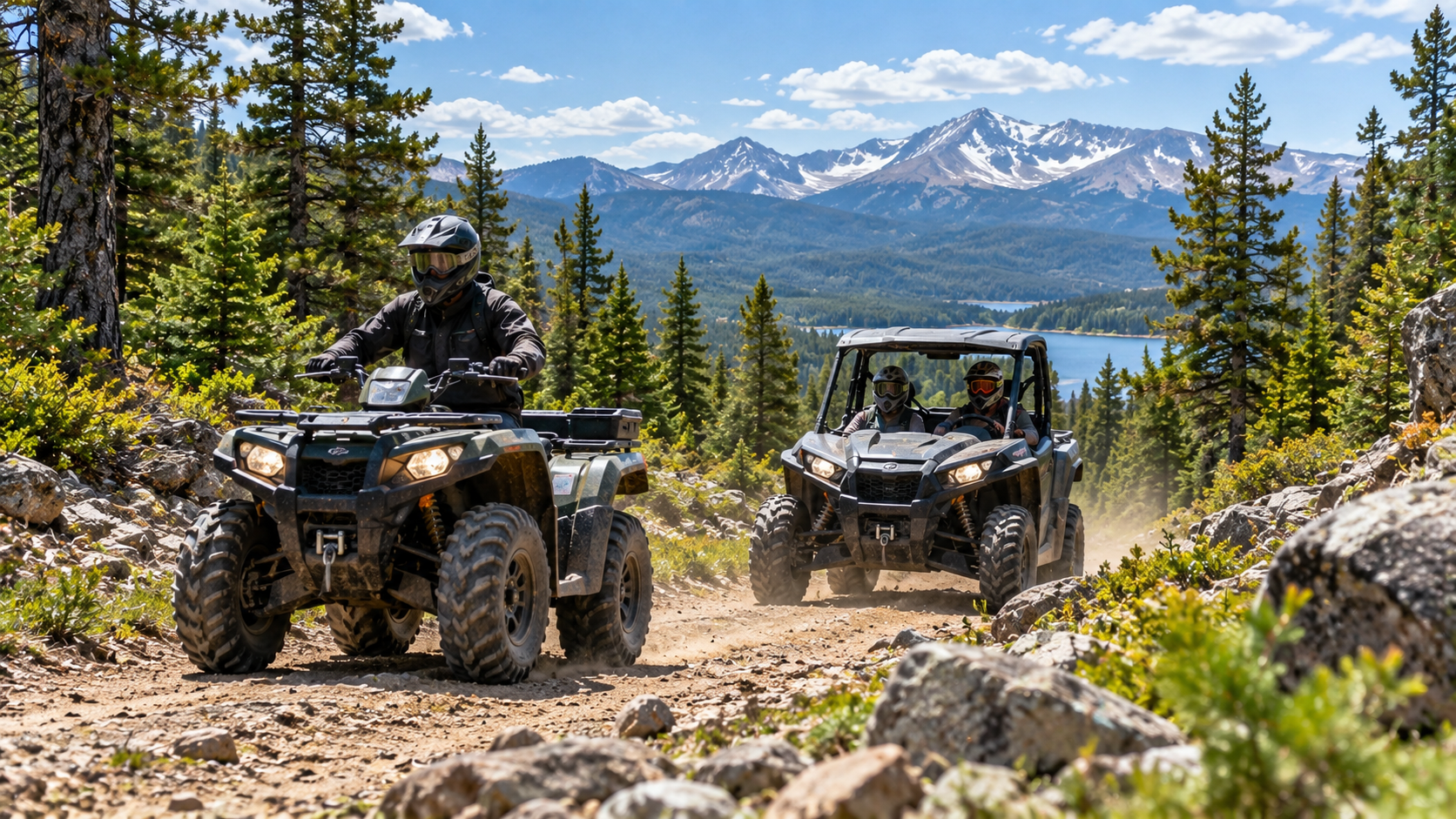
Trail riding often rewards slow driving. A rocky hill or deep rut may be easier when you choose a good line and let the vehicle move carefully instead of using lots of speed. Sudden throttle can cause tires to spin, slide, or dig into the ground.
Trails also require you to think about width and ground clearance. A wide truck may not fit where a smaller Jeep can pass, and a low vehicle may hit rocks or washouts. Know the size of your vehicle and check trail ratings before you start.
Prepare Before You Leave the Road
Check the vehicle before every off-road trip. Tires, brakes, fluids, lights, and recovery points should be in good shape. Bring water, basic tools, a map, and recovery equipment that you know how to use safely. Never assume a dirt road is open just because you can see tire tracks. Public lands may have roads that are open, limited, or closed to motor vehicles. Stay on legal routes and respect private land, wildlife areas, and signs.Weather can turn an easy trail into a hard one. Heavy rain can make dirt roads slick, create washouts, or cause deep mud that was not there the day before. If the road looks worse than your skill level, turning around is a smart choice.
Travel with another vehicle when possible on remote trails. A second vehicle can help if someone gets stuck or has a problem. It also gives the group another way out if one vehicle cannot continue. Mudding can be fun, but spinning tires can also damage trails and make deep ruts. Trail riding works best when drivers protect the land instead of trying to r it up. Staying on the route and using only the power you need helps keep trails usable. Off-roading is more fun when you know your limits. Start with easy ground, learn how your truck or Jeep responds, and work up slowly. Getting through the trail safely is a much better goal than trying to prove what the vehicle can survive.
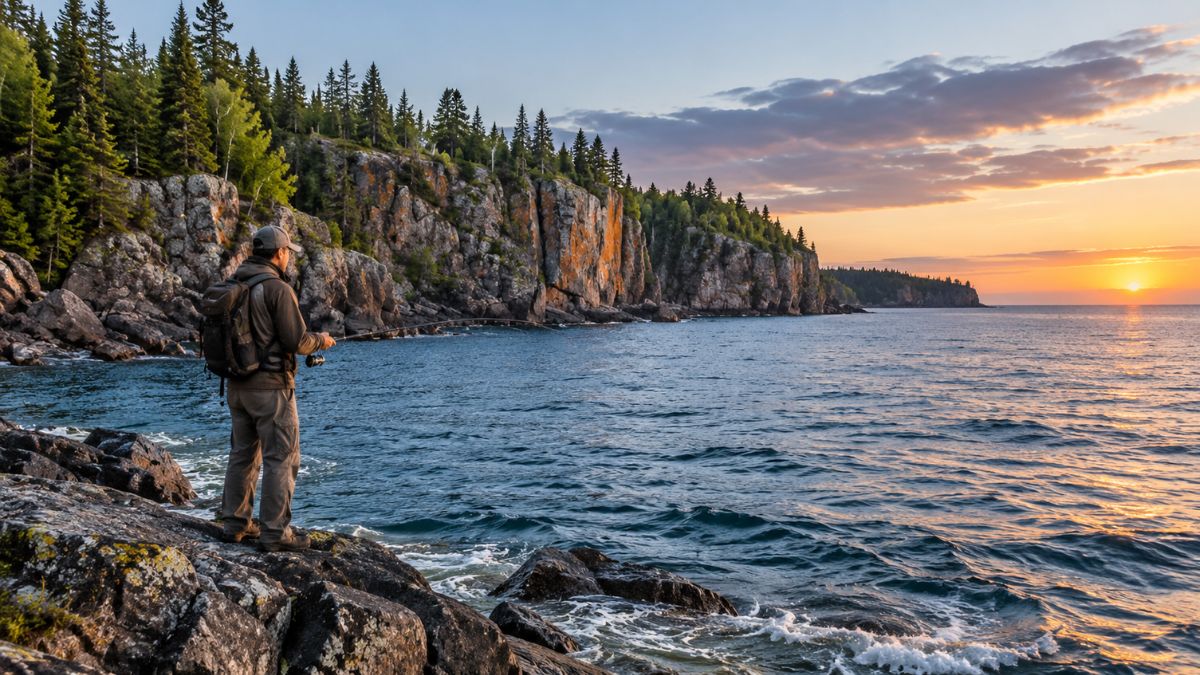
Lake Superior Fishing Tips
Lake Superior is cold, deep, wild, and full of
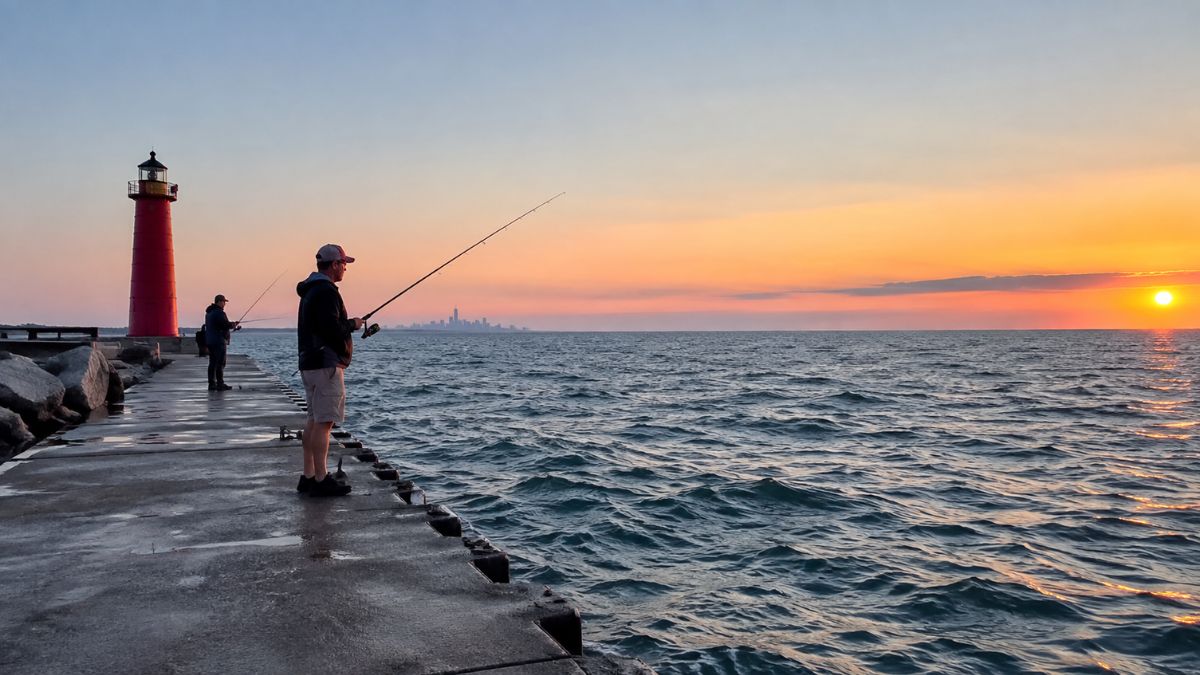
Lake Michigan Fishing Guide
Lake Michigan gives anglers many ways to fish and
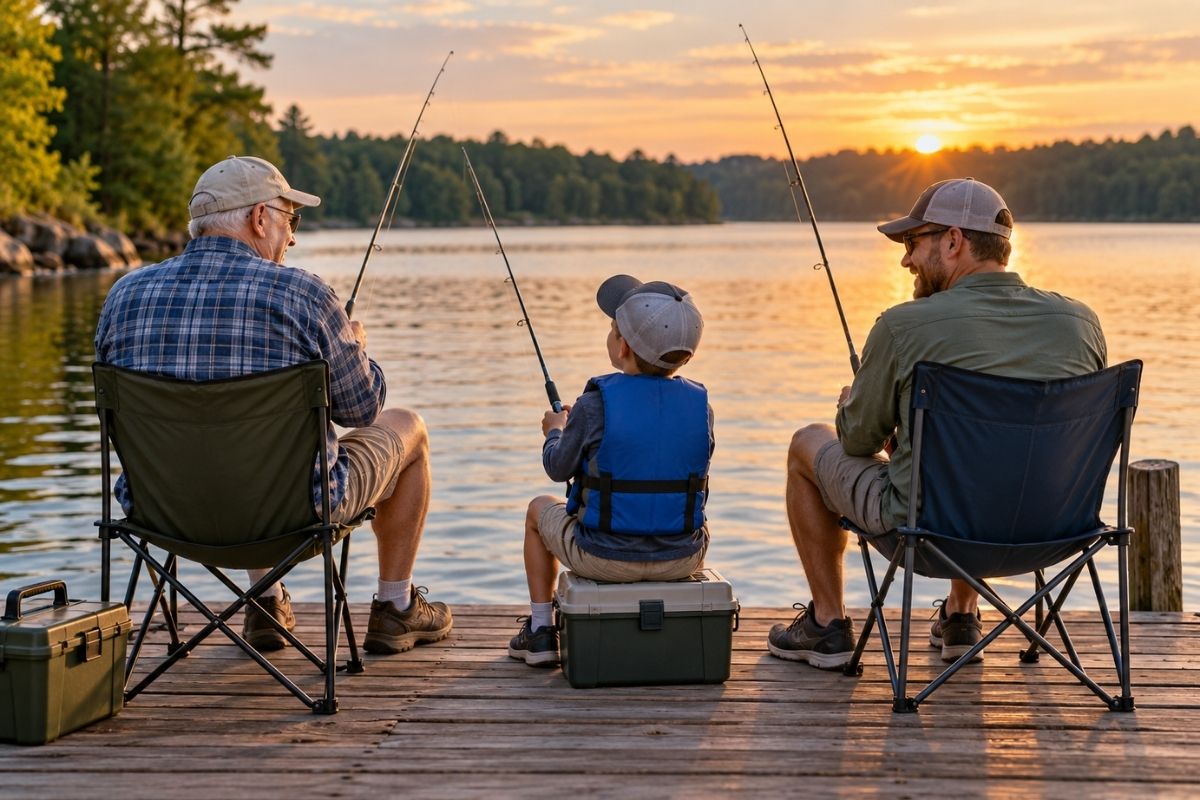
Fishing With Kids and Making Family Memories
Fishing can be much more than a way to
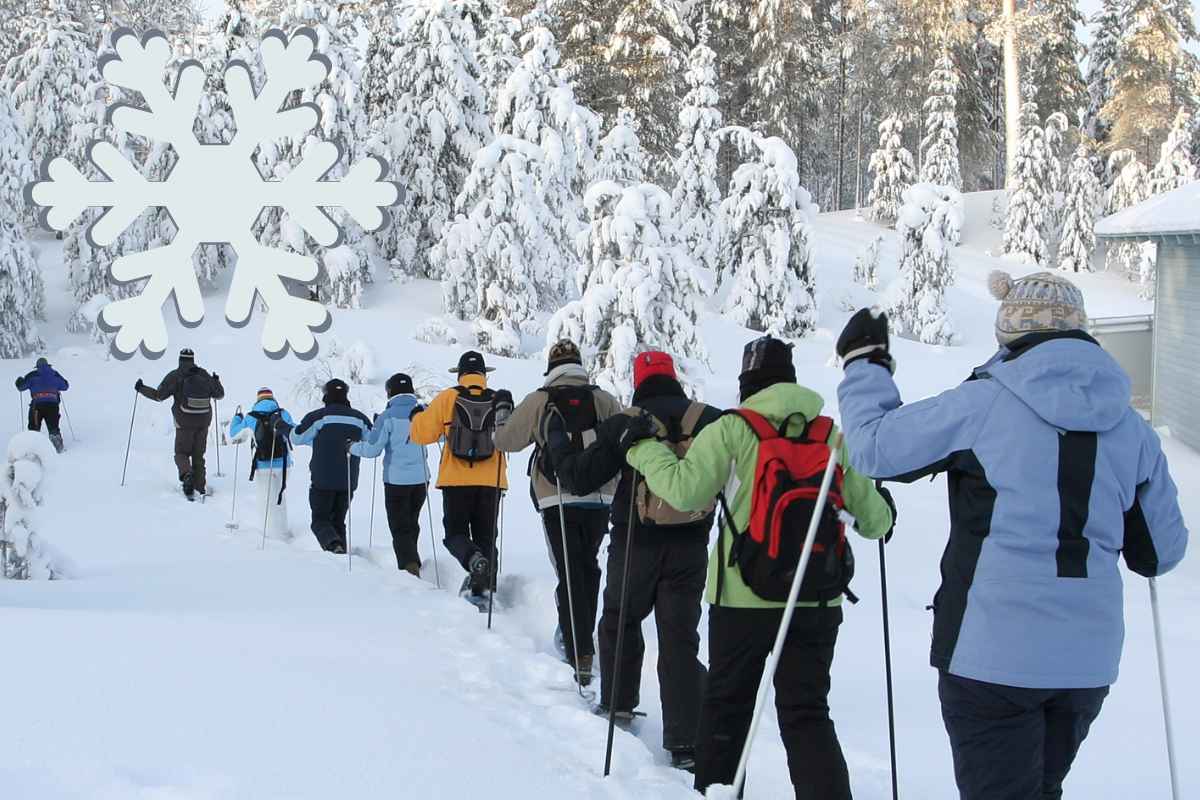
What is Snowshoeing?
Step into a peaceful winter wonderland where the only sounds
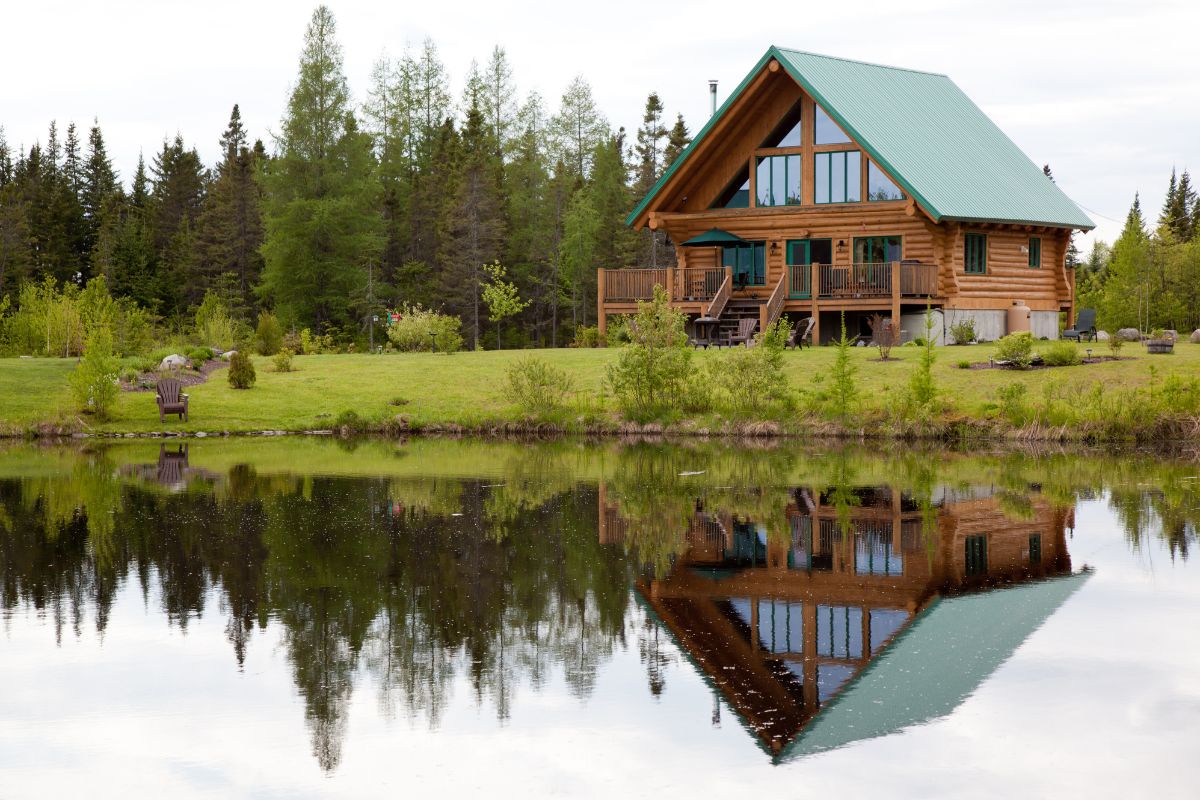
The Ultimate Guide to Cabin Life: Firepit Accessories, Dock Gear & Cabin Essentials
Owning a cabin is about more than having a place
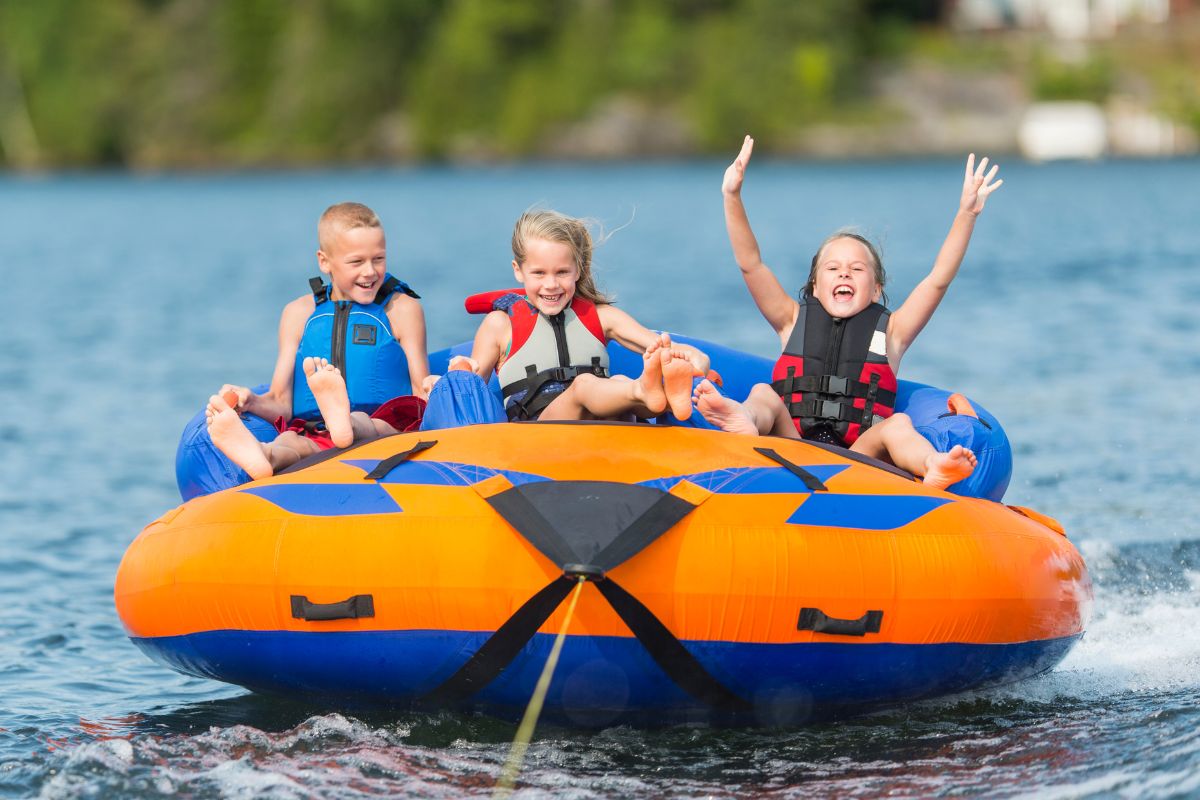
Water Tubing: The Ultimate Guide to Fun Behind the Boat
Few summer activities are as exciting, affordable, and family-friendly as