
Snowshoeing for Beginners
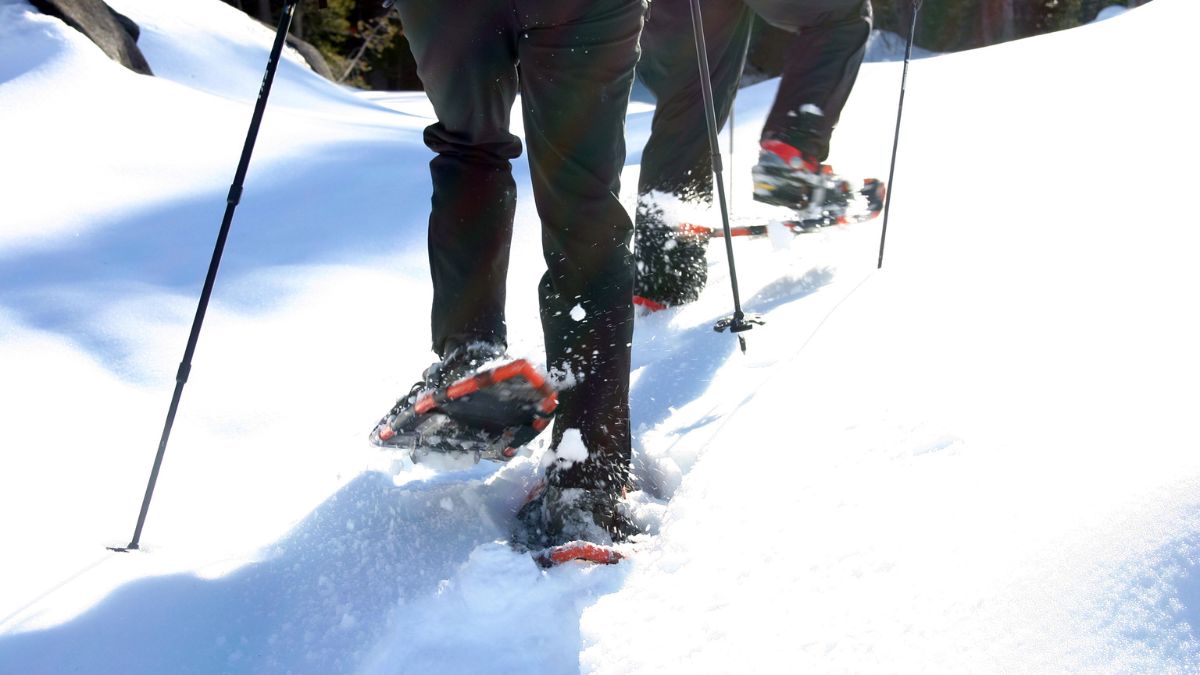
Do You Need to Be Fit to Snowshoe
You do not need to be a strong athlete to try snowshoeing. Many beginners can enjoy a short and easy route if they walk at a comfortable pace. The key is choosing a trail that matches your current fitness instead of trying to keep up with someone who has more experience.
Snowshoeing can be more tiring than regular hiking because you lift your feet through snow and use a wider step. Deep powder and steep hills make the work even harder. Give yourself more time than you would need for the same distance in summer.
What to Wear and Bring
Waterproof boots are very important because snow can get inside or around your feet. Wear warm layers, gloves, a hat, and a jacket that blocks wind and moisture. Sunglasses or goggles can also help because bright snow reflects a lot of light.
Bring water and a snack even for a short outing. Winter air can make people forget to drink, but your body still needs water. Trekking poles are not required, but they can help with balance on hills or uneven snow.
How to Plan Your First Snowshoe Trip
Choose a marked route with a gentle slope and good information about current conditions. Snow can hide trails, signs, streams, and rocks, so winter navigation can be harder than summer hiking. Check with a ranger, visitor center, or local trail manager when possible. Do not depend only on footprints from other people. Tracks can lead the wrong way, and new snow can hide the route completely. Carry a map or navigation tool and let someone know where you plan to go.
Avoid crossing lakes or streams unless you know the ice is safe and the route is meant for winter travel. Moving water can create thin ice even when the rest of the area looks frozen. Snow can also hide weak spots and open water. Avalanche risk matters if you move into steep mountain terrain. Beginners should stay on simple, low-risk routes until they understand winter hazards. Check local avalanche information before heading into areas where slides may happen. Take breaks before you become exhausted. Snowshoeing is supposed to be a fun way to explore winter, not a test of how far you can push your body. Turning around early can be a smart choice if the snow gets deeper or the weather changes.
Snowshoeing can be a great winter sport for people who want something simple and peaceful. Start with a short route, wear warm and waterproof clothing, and move at your own pace. With a little practice, a snowy trail can feel as natural as a summer walk.

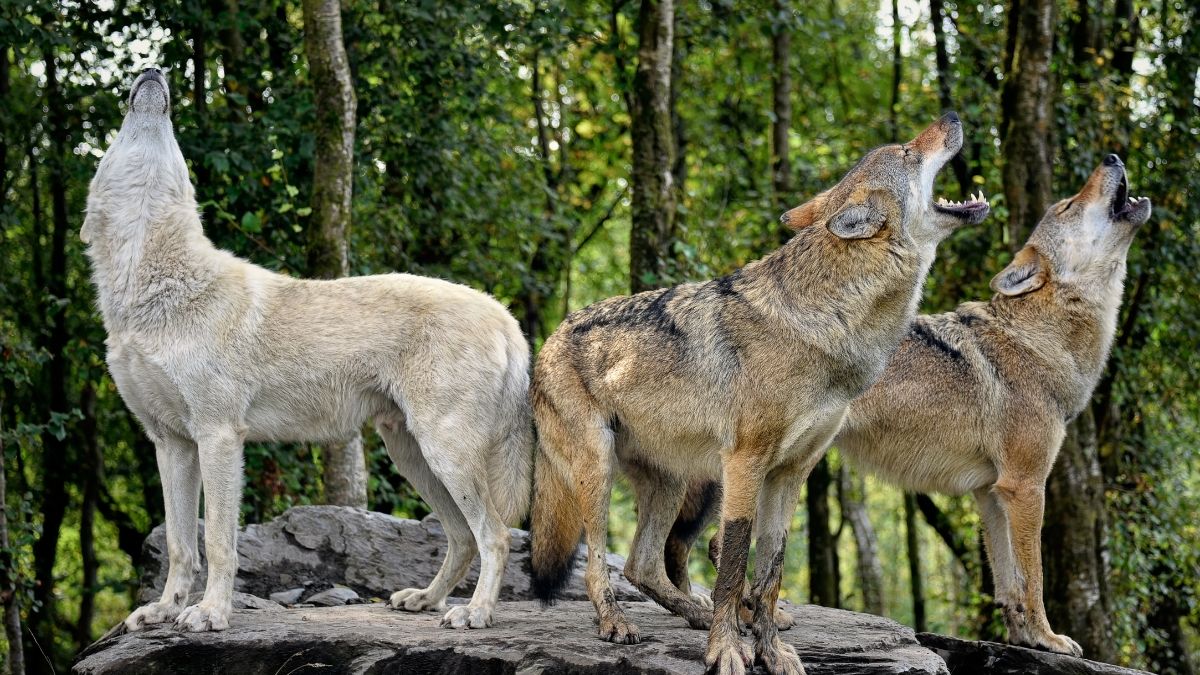
How to Stay Safe Around Wildlife
Seeing wildlife can be one of the best parts
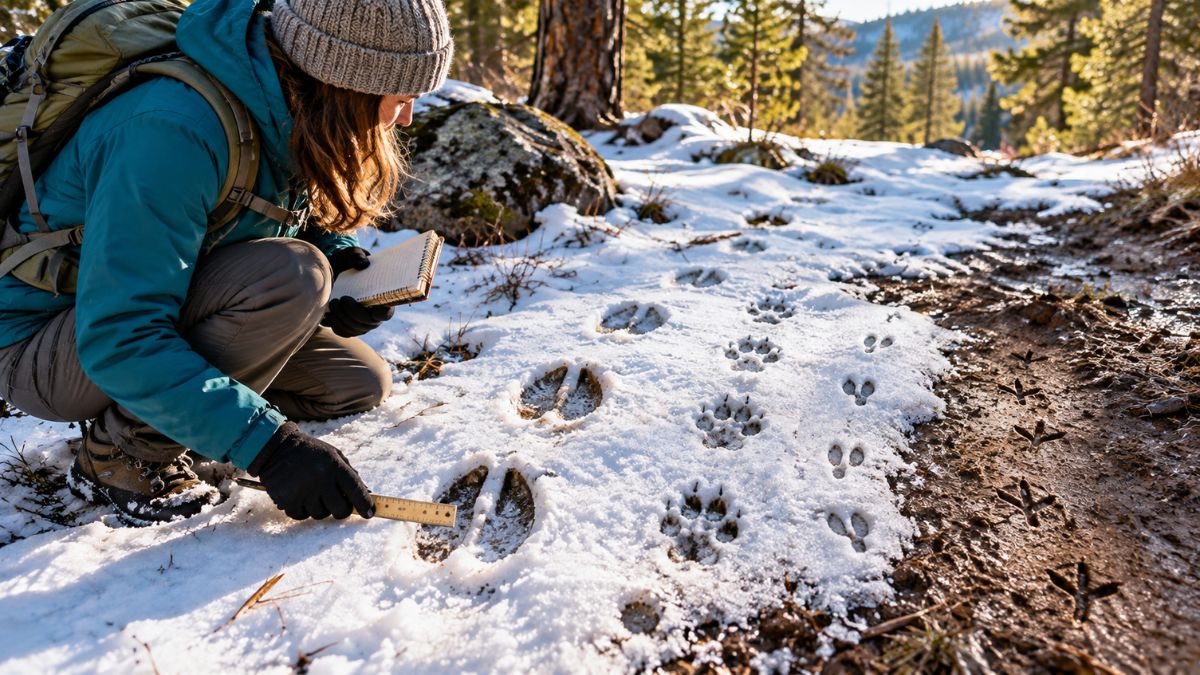
Animal Tracking for Beginners
You do not have to see an animal to know
What Is Forest Bathing and How Do You Do It
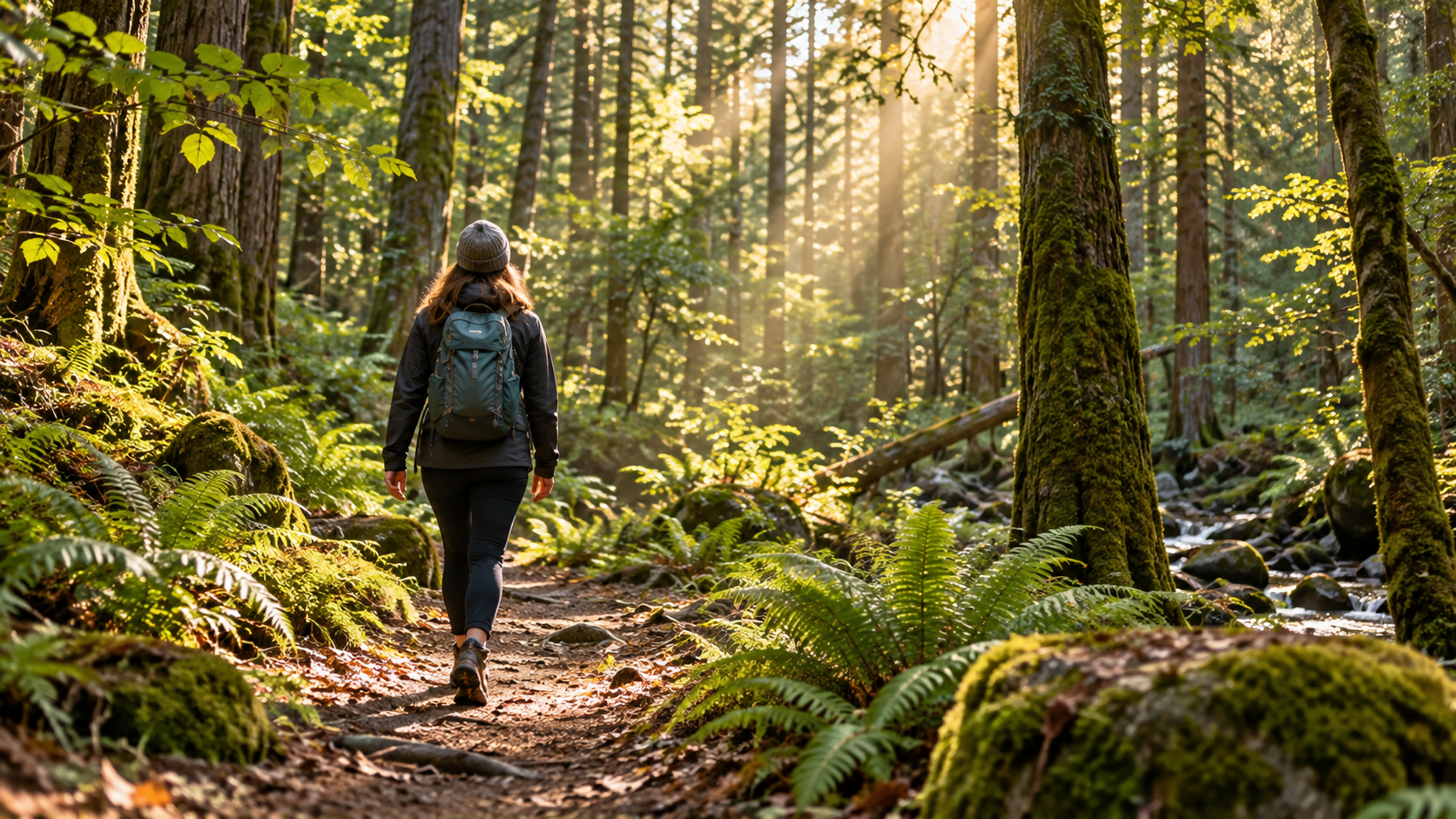
Forest bathing does not mean taking a bath in
Hammock Camping for Beginners
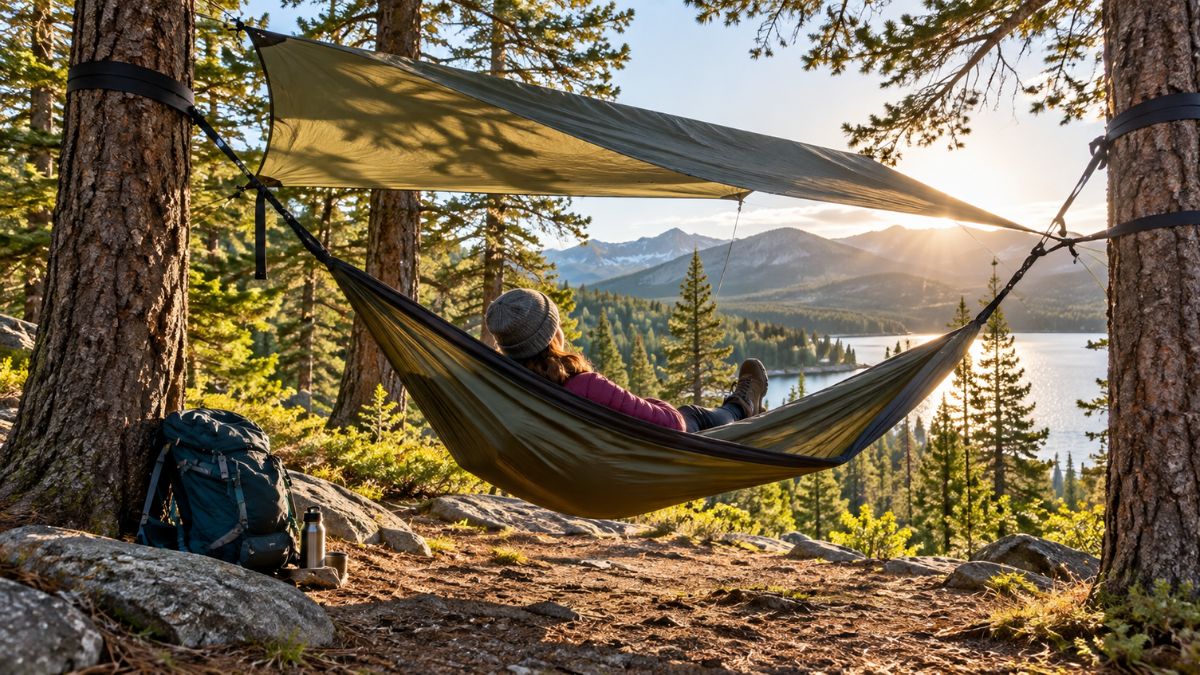
A hammock can turn a quiet outdoor spot into a
Winter Survival Tips for Outdoor Adventures
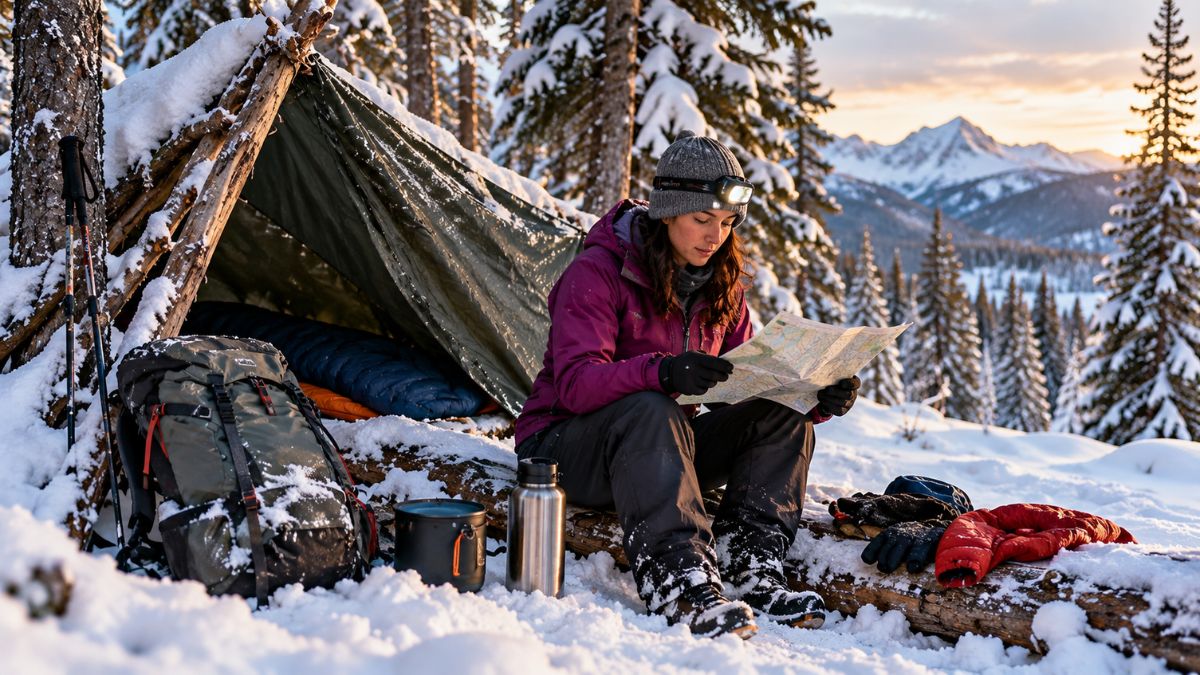
Winter can make a normal outdoor trip much harder.
Powder vs Hard-Packed Snow
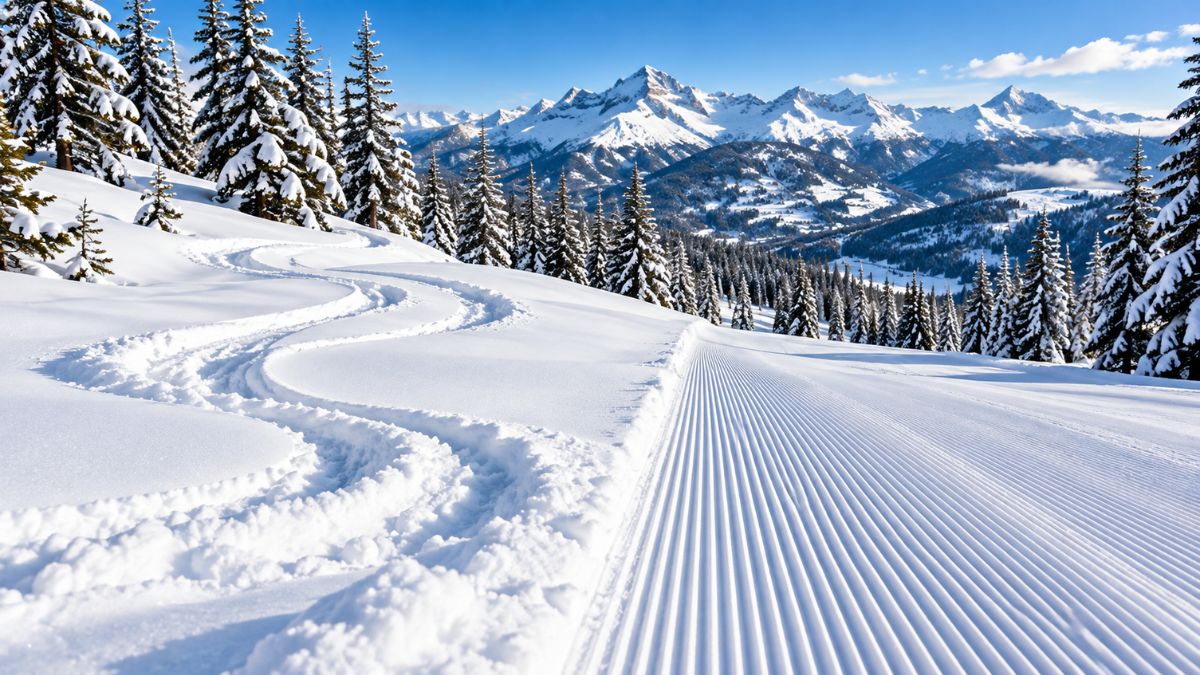
Snow can look the same from far away, but