Popular Duck Species Hunters Should Know
Mallards Wood Ducks and Teal
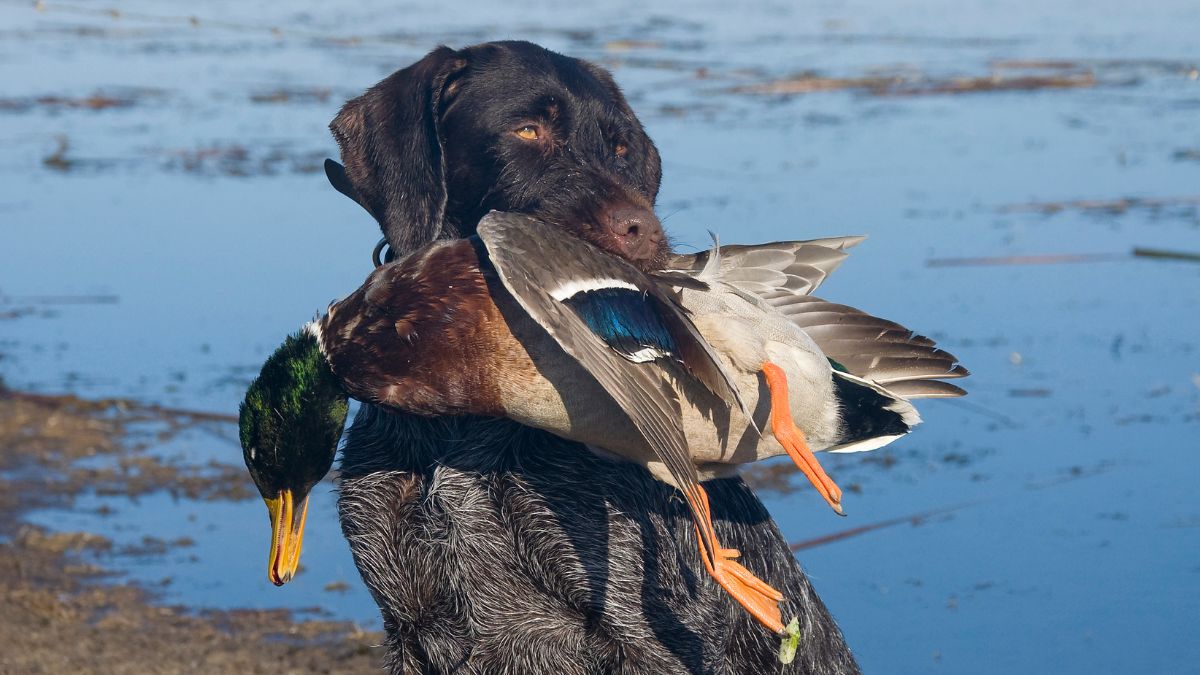
Mallards are one of the most familiar ducks in North America. Adult males are known for their green heads, white neck rings, brown chests, and gray bodies, while females are mostly mottled brown. Mallards use many kinds of wetlands and are often found in marshes, ponds, rivers, farm areas, and even city parks.
Wood ducks often use wooded wetlands, streams, swamps, and flooded trees. Teal are much smaller ducks and are known for fast flight and quick wingbeats. These species can look very different when sitting still, but learning how they move and where they live can also help with identification.
Pintails and Other Dabbling Ducks
Northern pintails have a long, slim look compared with many other ducks. Adult males are known for their long pointed tails, and the shape of the bird can be a useful clue even when the colors are hard to see. Hunters may also see gadwalls, wigeon, shovelers, and other dabbling ducks in similar marsh and shallow-water habitat.
Dabbling ducks often feed in relatively shallow water and can rise from the surface quickly. Wing shape, tail shape, calls, and flight style can help hunters separate species when colors are hard to see at a distance. Learning these clues matters because first light and cloudy weather can make even familiar ducks difficult to identify.
Canvasbacks and Diving Ducks
Canvasbacks are diving ducks with a long neck and a sloping head shape. Adult males have a reddish-brown head, dark chest, and pale body, while females are much more brown. They often use larger wetlands and open water and may look very different in flight from smaller dabbling ducks.
Other diving ducks include scaup, redheads, ring-necked ducks, and several other species. Divers often have faster wingbeats and bodies built for swimming and diving under water. Learning their shape and movement can sometimes be more useful than trying to see feather colors when a flock is flying quickly.
Duck identification takes practice. Watch birds at parks, wildlife areas, lakes, and marshes during the year, and use a good bird guide to check what you see. Listening to calls can also help because different duck species often make very different sounds.
Waterfowl rules are closely managed, and bag limits may be different by species or sex. Always check the current state and federal rules before hunting and know which ducks are legal to take. If you cannot clearly identify a bird, the safest choice is to let it pass and keep watching.


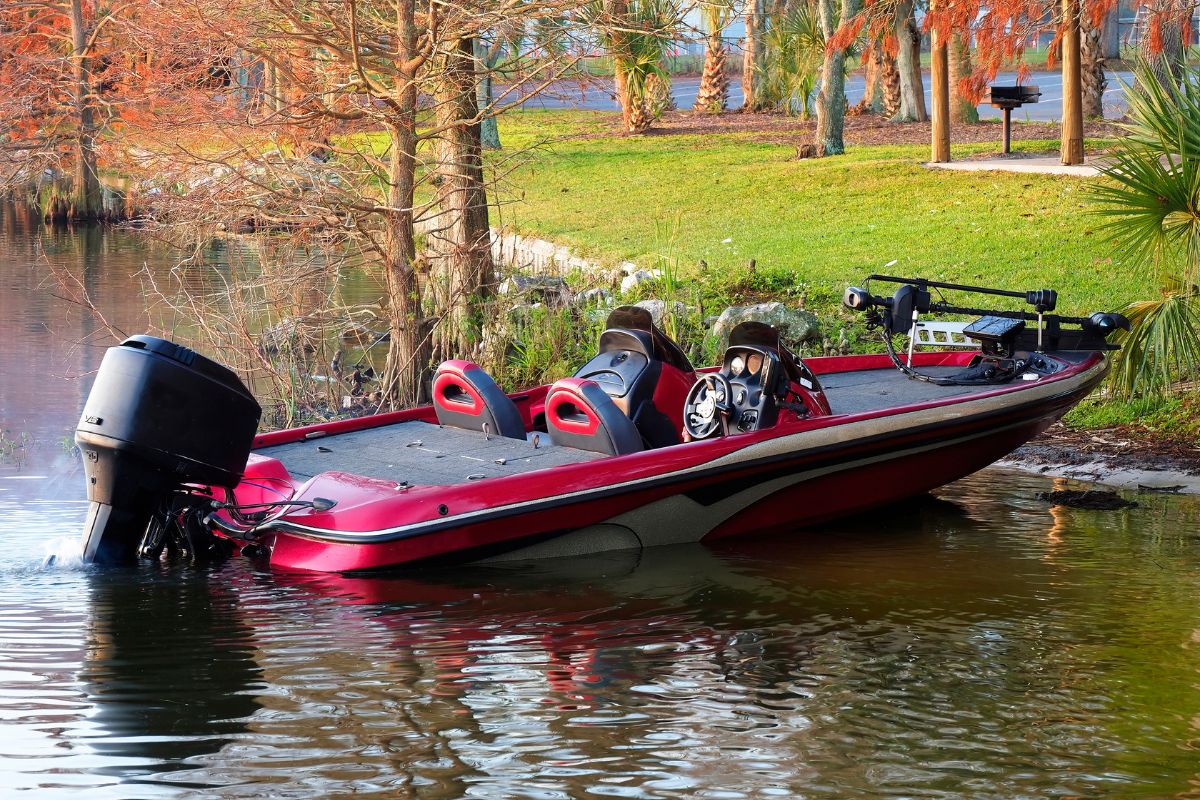
Essential Boat Maintenance Parts to Check This Summer
Summer is one of the busiest seasons for boat owners.

2026 Wakeboard Gear Guide: New Boards, Bindings & Must-Have Accessories
As winter fades and the water begins to warm, riders

Must-Have Boat Accessories for Every Boater
Boating in 2026 is more advanced, comfortable, and technology-driven than
The Best Replacement Parts for Boats in 2026
Boat ownership in 2026 is all about reliability, efficiency, and
Preparing for the 2026 Power Sports Season: Top Helmets, Gloves & Accessories to Gear Up Safely and Stylishly
As the 2026 power sports season approaches, riders across the
Best New Boats Under $1,000 for 2026
Finding high-quality boats under $1,000 is still possible in 2026.