Rough Fish in Minnesota and the Upper Midwest
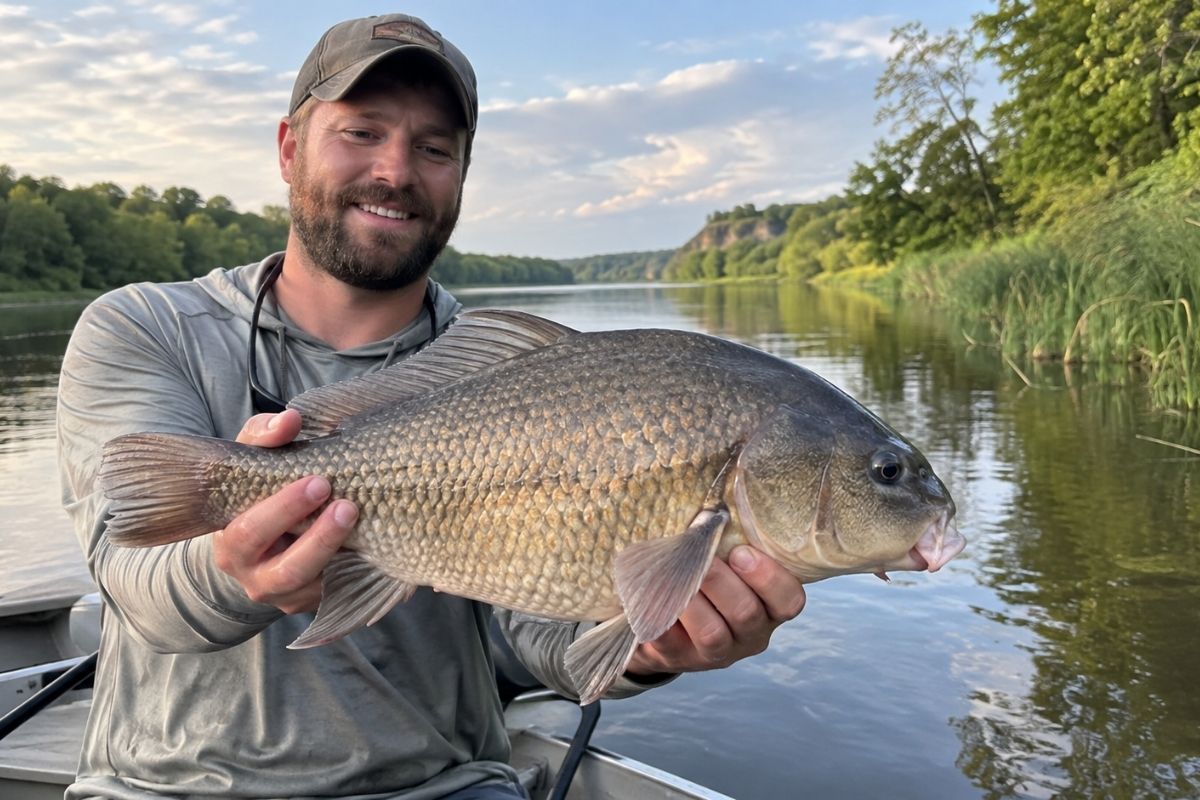
When many people think about fishing in Minnesota and the Upper Midwest, they think about walleye, bass, northern pike, or panfish. Those fish are popular, but they are only part of the story. Rivers and lakes across the region also hold many fish that have often been called rough fish. These fish can be strong, fun to catch, and important to the waters where they live.
The name rough fish can be confusing because it may sound like these fish are not worth catching. That is not true. Many are native fish that have lived in Midwestern waters for a very long time. They can give anglers a new challenge and a reason to explore rivers, backwaters, and lakes in a different way. Minnesota now uses the term native rough fish for many of these species. This group includes fish such as buffalo, suckers, redhorse, freshwater drum, bowfin, gar, quillback, carpsucker, goldeye, mooneye, and bullhead. Common carp are treated as a separate group because they are not native to Minnesota. Knowing that difference can help anglers understand the fish they catch and why each species matters.
What Makes Rough Fish Different
Rough fish come in many shapes and sizes. Some, like buffalo and large suckers, have deep bodies and can grow quite large. Others, like gar, have long bodies and narrow jaws. Freshwater drum, bowfin, redhorse, and bullhead all look and act different from one another.
Minnesota now calls many of these fish native rough fish. These species have lived in the region for a very long time and are a natural part of lakes and rivers. Learning what each one looks like can also help anglers avoid confusing native fish with common carp.
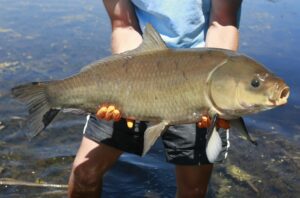
- Buffalo: Buffalo are large, deep-bodied fish in the sucker family. Minnesota has bigmouth, smallmouth, and black buffalo. They can look a little like carp, but buffalo are native fish and do not have the barbels found near a common carp’s mouth.
- Suckers: Minnesota has several kinds of suckers, including white, longnose, blue, and spotted suckers. Most have long bodies and mouths that point downward, which helps them feed along the bottom.
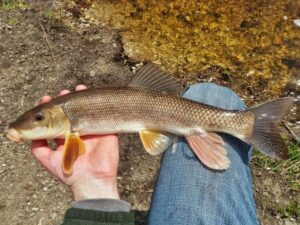
- Bowfin or Dogfish: Bowfin are long, strong fish with an olive-green or brown body and a long fin across much of the back. Minnesota anglers often call them dogfish. They are powerful fish that can live in warm, low-oxygen water.

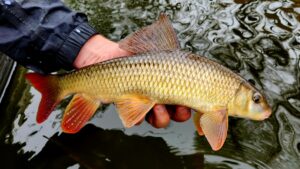
- Redhorse: Redhorse are members of the sucker family and are often found in rivers and streams. Several types live in Minnesota, including shorthead, golden, silver, river, and greater redhorse. Many have reddish or orange fins that help anglers identify them.
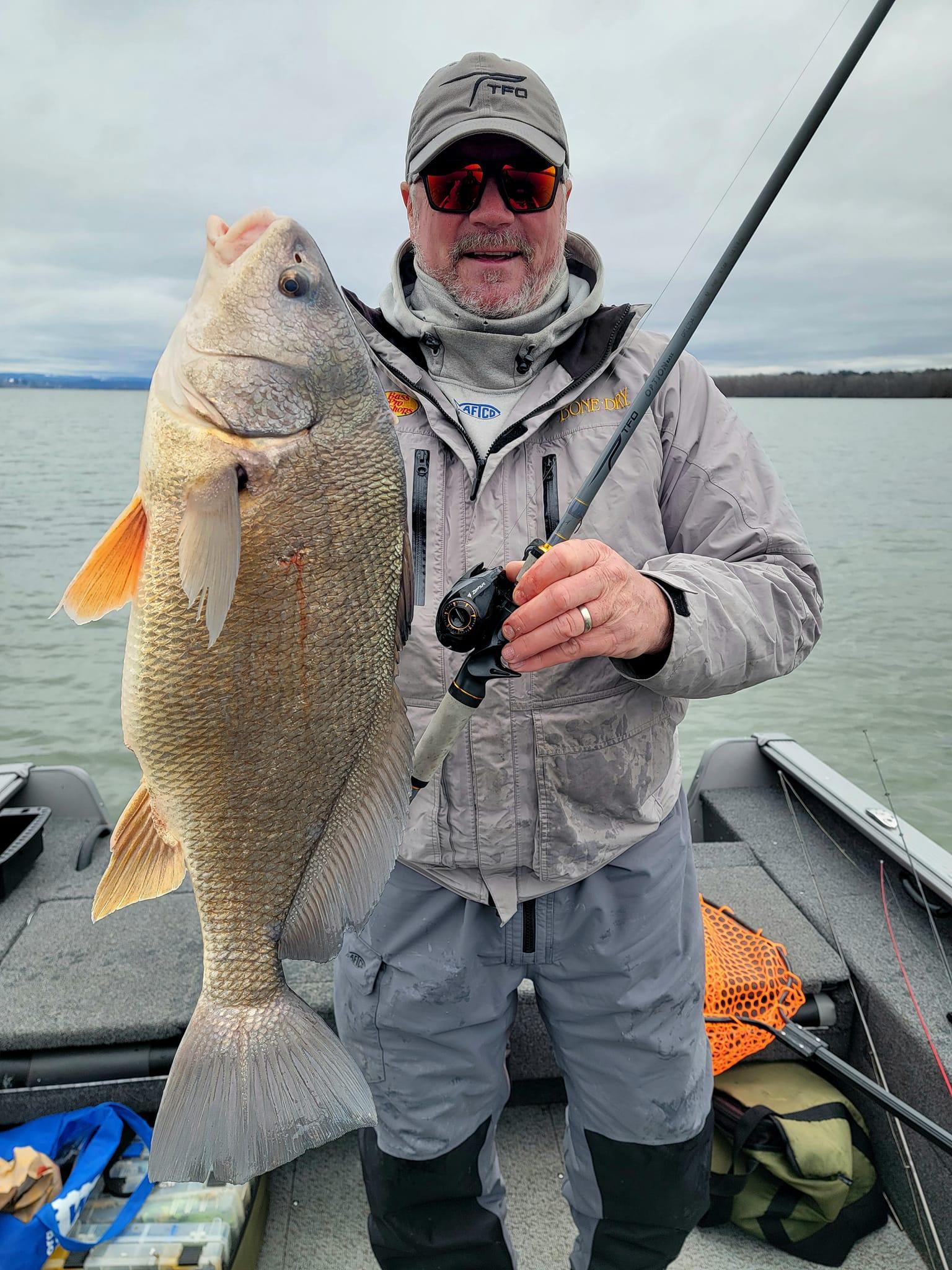
- Freshwater Drum: Freshwater drum are silver or gray fish with a deep body and rounded back. They are also called sheepshead in many parts of the Upper Midwest. They get their name from the low drumming or grunting sounds they can make.
- Gar: Gar are easy to recognize because of their long bodies and narrow jaws. Minnesota has longnose and shortnose gar. Their long shape and hard scales make them look very different from most other freshwater fish.

- Quillback: Quillback are silver fish with deep bodies and a long first ray on the dorsal fin that gives the fish its name. Their small mouths point downward, helping them feed near the bottom.
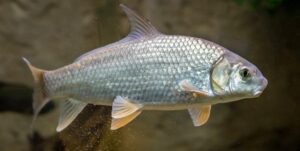
- Carpsucker: Carpsuckers have silver bodies and small downward-facing mouths. River carpsuckers are common in large rivers and may be mistaken for other members of the sucker family.
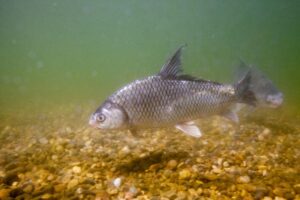
- Goldeye: Goldeye are shiny silver fish with large eyes that can have a yellow or gold color. They often live in large rivers and use their good eyesight to find food.
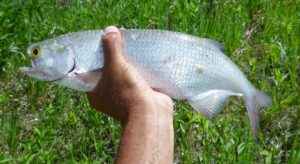
- Mooneye: Mooneye look similar to goldeye but usually have silver-colored eyes instead of gold ones. They have flat, shiny bodies and are often found in rivers and larger lakes.
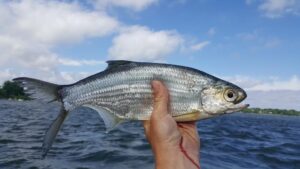
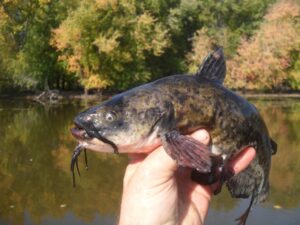
- Bullhead: Bullheads are small members of the catfish family with whisker-like barbels around their mouths. Black, brown, and yellow bullheads can all be found in Minnesota waters. They often live in warm, slow-moving water or lakes with soft bottoms.
These fish are very different from one another, which is why the term rough fish can sometimes be misleading. Learning to identify each species helps anglers understand what they have caught and why native fish deserve the same care and respect as more familiar game fish.
Where to Find Rough Fish
Rivers are a great place to start looking for native rough fish in the Upper Midwest. Large rivers such as the Mississippi, Minnesota, Missouri, and many smaller rivers hold a wide mix of species. Fish may gather near bends, deeper holes, current breaks, or places where fast water meets slow water. These areas can give fish a place to rest while food moves past them.
Spring can be a busy time in rivers. As water warms, many fish begin to move and may travel into smaller streams or shallow areas. Suckers and redhorse are well known for spring movement in many parts of the region. Watching these seasonal changes can help anglers learn when certain fish may be easier to find. Summer fishing can be different. Warm weather may push some fish toward deeper holes, shaded banks, or areas with steady current. Early morning and evening can be good times to look for active fish. A quiet river can suddenly come alive when fish begin feeding.
The Upper Midwest has many types of water, so there is no single perfect spot. One river may be clear and rocky, while another may be wide and muddy. One lake may have deep water, while another is mostly shallow. The best way to learn is to spend time watching the water and noticing where fish are active.
How to Catch Rough Fish
Catching rough fish does not have to be hard. In many cases, the same basic fishing skills used for other species will work here too. The biggest change is learning where the fish feed and how they take food. A patient angler can have a very good day with a simple plan. Bottom fishing is common for many rough fish. The bait is allowed to rest near the bottom where fish such as suckers, buffalo, drum, and bullhead often search for food. The key is to pay attention to small movements in the line. Some bites are strong, but others may begin with a light pull or small tap.
Sight fishing can also be fun when the water is clear enough. You may see fish moving across a shallow flat or holding near the bank. Watching the fish first can teach you where they travel and how they react. It can feel a little like hunting for fish with your eyes before making a cast. Do not give up on a spot too quickly, but do not be afraid to move either. If you see no fish and get no bites, try a different depth or part of the river. Small changes can make a big difference. Good fishing often comes from noticing what the water is telling you.
Learning to identify the fish after you catch it is part of the fun. Look at the shape of the body, mouth, fins, and scales. Some species can look very much alike, so it is smart to use a trusted fish guide when you are not sure. Correct identification also helps you follow the fishing rules for that species.
Why These Fish Matter
Native rough fish are more than something to catch. They are part of the natural food web in rivers and lakes. Some eat insects and other small animals, while others become food for larger fish, birds, and wildlife. A healthy water system needs many kinds of fish doing different jobs. Some native rough fish can also live for a long time. Large buffalo, for example, may be much older than anglers expect. That makes careful handling important when a fish will be released. A large fish may have survived many winters, floods, droughts, and changes in the river.
For many years, some anglers treated rough fish as if they had little value. That way of thinking is starting to change. More people now enjoy fishing for buffalo, drum, bowfin, gar, suckers, and other native fish. They are learning that these species can offer exciting fishing and deserve respect. Common carp are different because they were brought to North America from other parts of the world. They can still be strong fish and fun to catch, but they are not the same as Minnesota’s native rough fish. This is another reason fish identification matters. An angler should know what was caught before deciding what to do with it.
Fishing for rough fish can open a whole new side of Minnesota and the Upper Midwest. Instead of chasing only the most famous game fish, anglers can learn about the many species living below the surface. A river that once seemed ordinary may suddenly feel full of surprises. That sense of discovery is one of the best parts of fishing. You may start with a freshwater drum and then become curious about redhorse. After that, you may want to learn the difference between buffalo and carp or find a place where bowfin live. Each new fish gives you another reason to explore. Before long, rough fish may become some of the most interesting fish you catch.
The next time you fish a Minnesota lake or an Upper Midwest river, pay attention to more than walleye and bass. There is a much bigger world swimming below the surface. Learn the fish, respect the water, and enjoy the challenge. You may find a new favorite fish in a place you have passed many times before.


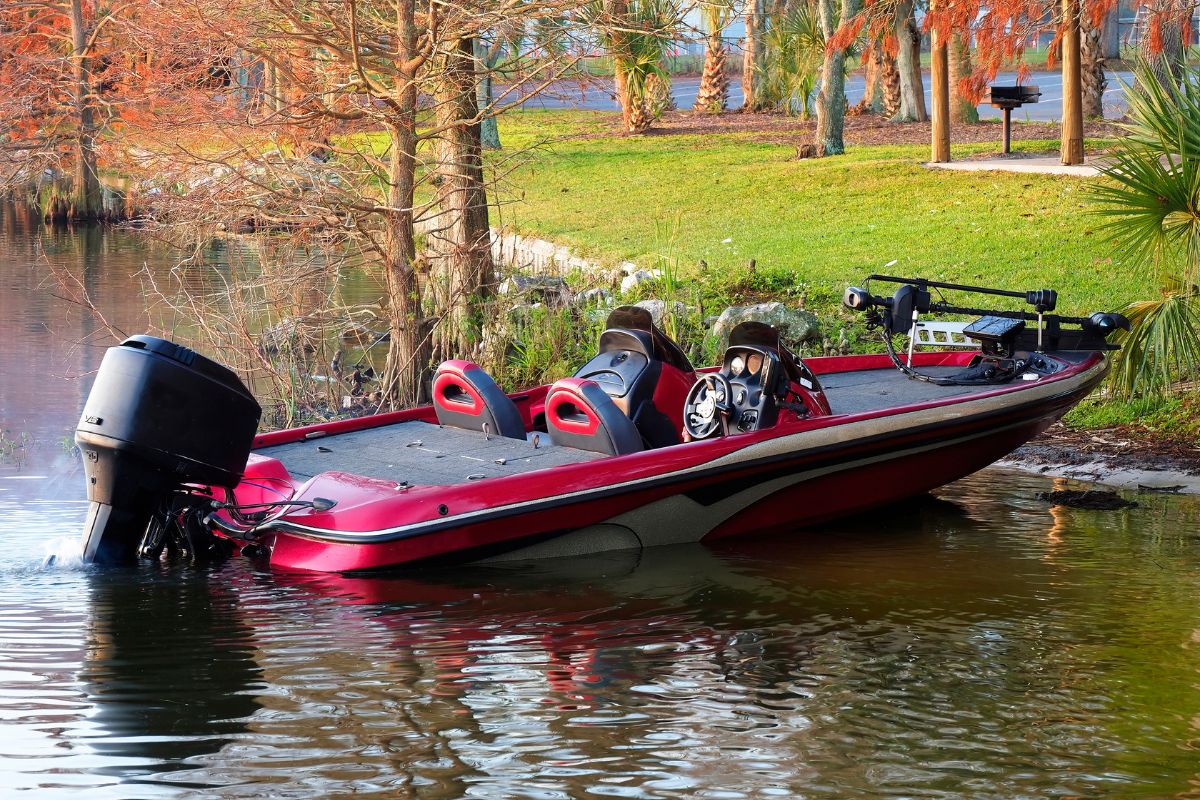
Essential Boat Maintenance Parts to Check This Summer
Summer is one of the busiest seasons for boat owners.
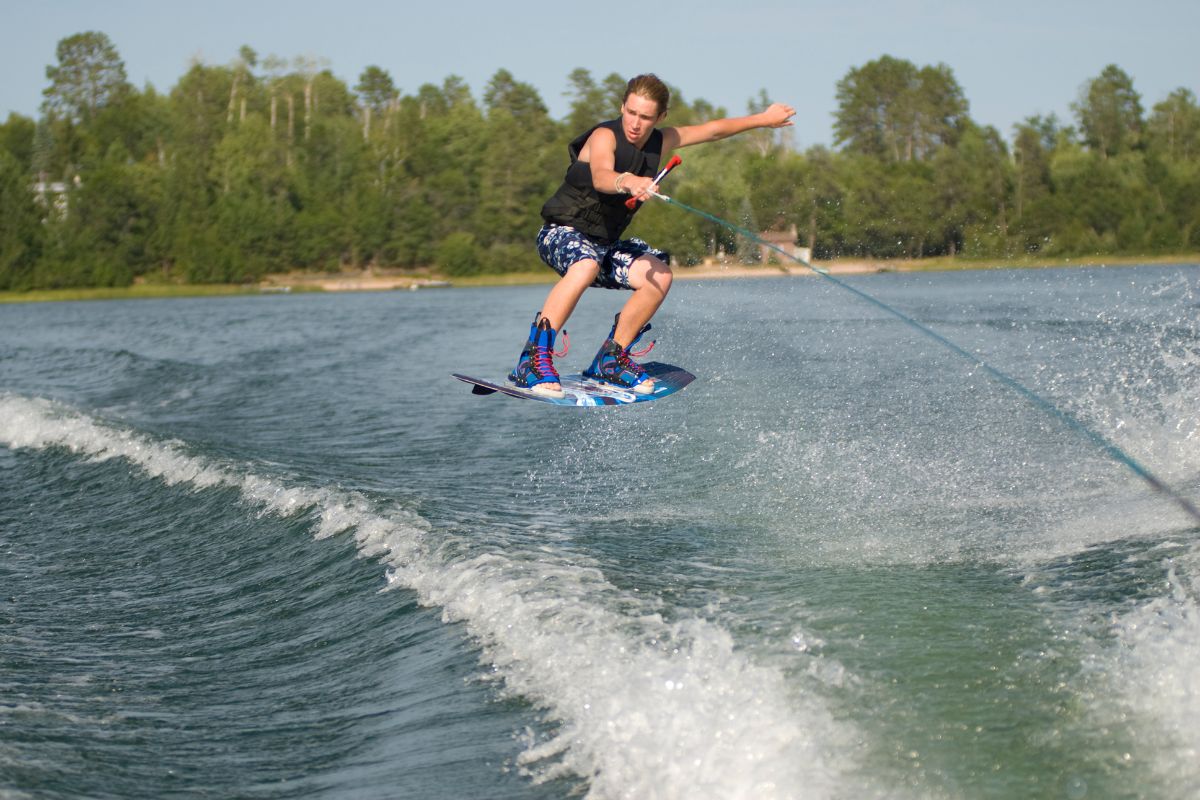
2026 Wakeboard Gear Guide: New Boards, Bindings & Must-Have Accessories
As winter fades and the water begins to warm, riders

Must-Have Boat Accessories for Every Boater
Boating in 2026 is more advanced, comfortable, and technology-driven than
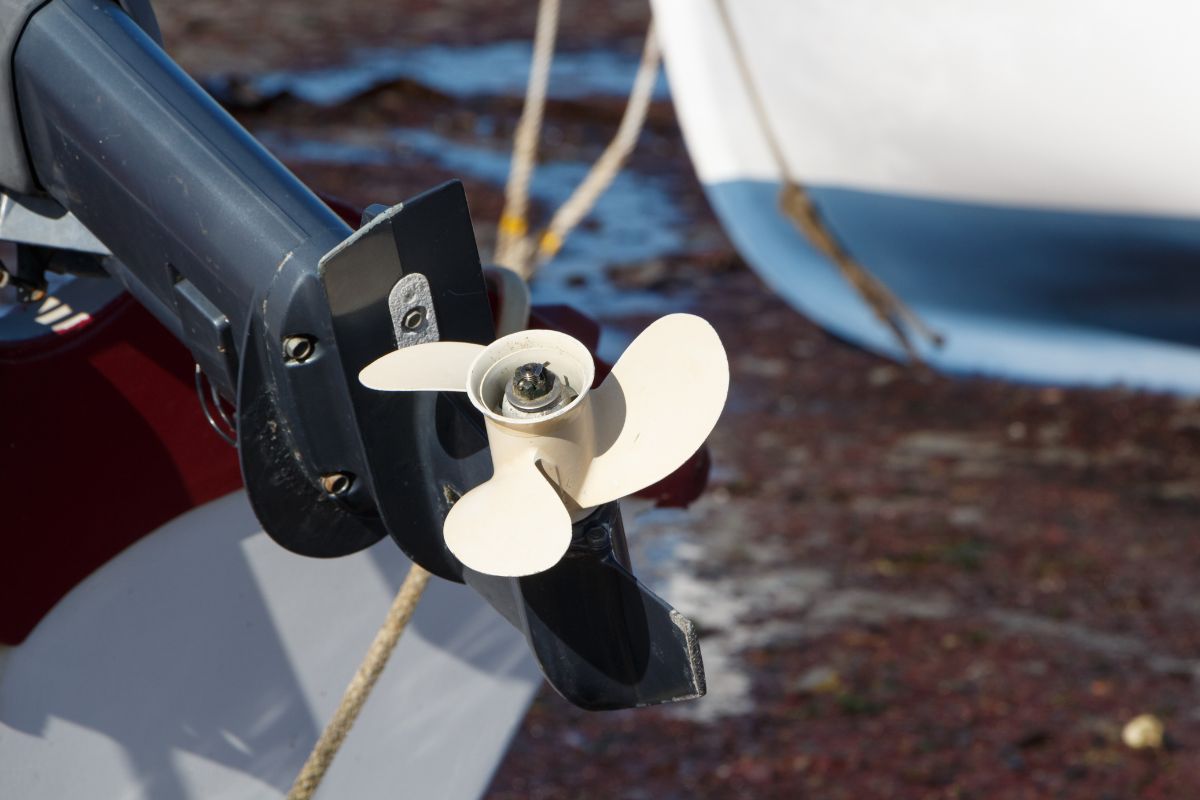
The Best Replacement Parts for Boats in 2026
Boat ownership in 2026 is all about reliability, efficiency, and
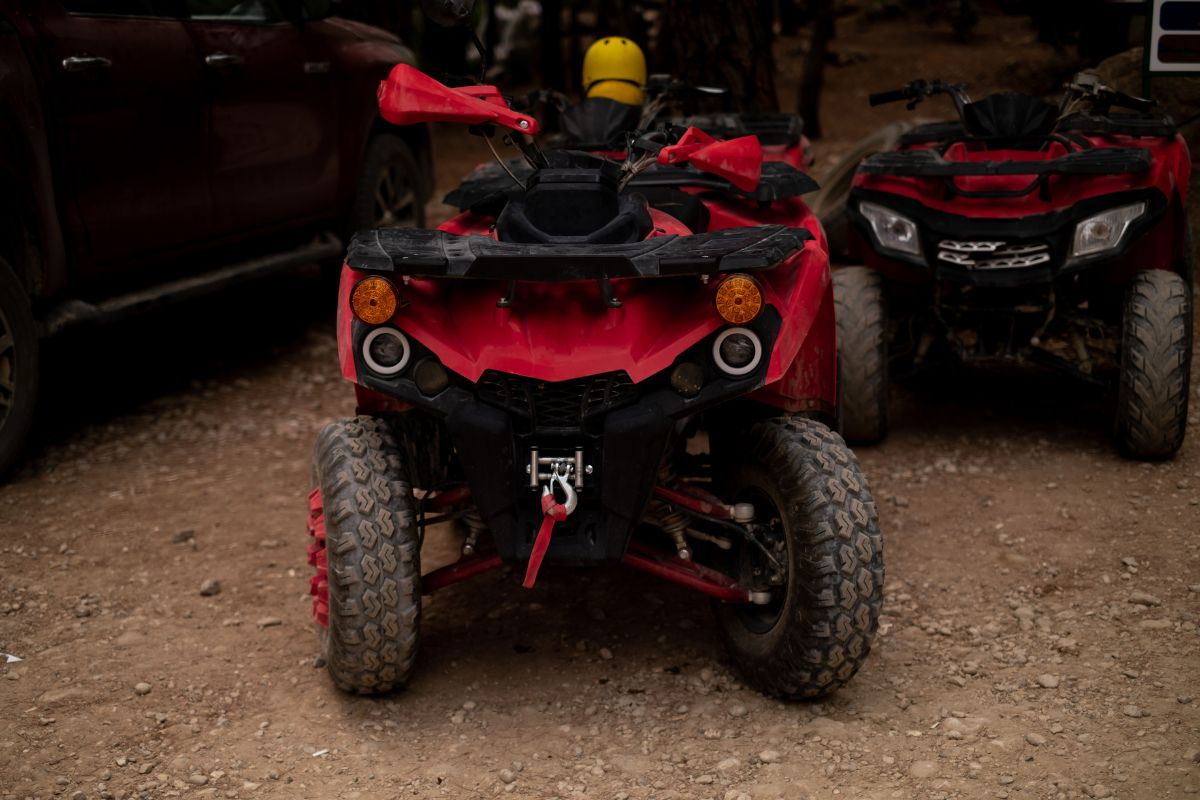
Preparing for the 2026 Power Sports Season: Top Helmets, Gloves & Accessories to Gear Up Safely and Stylishly
As the 2026 power sports season approaches, riders across the
Best New Boats Under $1,000 for 2026
Finding high-quality boats under $1,000 is still possible in 2026.