Summer Scouting for Public Land Whitetail Deer

For hunters who want to increase their odds during deer hunting season, summer isn’t for sitting still. It’s the perfect time to get boots on the ground and begin building a plan on public land. While the woods may appear calm, it’s what you do during the offseason that often determines your success in the fall. Here’s how to make the most of summer deer scouting on public land.
Why Summer Scouting Matters
Summer provides a unique window to study deer behavior without the pressure of hunting season. Bucks are often more visible during this time, traveling in bachelor groups and frequenting feeding areas in predictable patterns. Because pressure is low, deer tend to stick to more open terrain, making it easier to observe from a distance and gather vital intel.
Use Trail Cameras Wisely
One of the most effective tools in your summer scouting arsenal is the trail camera. When used strategically, it can reveal movement patterns, travel corridors, and feeding habits. Consider setting cameras along field edges, mineral sites (where legal), water sources, and natural funnels. But be cautious—too much intrusion can disrupt deer movement before the season even starts.
To reduce disturbance, use scent-free gloves, check cameras less frequently, and enter and exit discreetly. Cellular trail cameras are also a great tool for minimizing human pressure while still collecting real-time data.
Scout from a Distance
Observation sits are a low-impact way to pattern bucks in summer. Set up with binoculars or a spotting scope and monitor food plots, bean fields, or clear-cuts where deer are feeding in the evenings. This is one of the most productive and least intrusive ways to locate target bucks on public land.
Map Study and Digital Scouting
Digital tools like OnX, HuntStand, and Google Earth allow you to scout from home before ever setting foot in the woods. Identify potential bedding areas, food sources, terrain features like saddles and pinch points, and property boundaries. These tools help you narrow down productive zones to scout in person later.
Focus on overlooked areas—spots away from access roads, near human activity that might deter other hunters, or rugged terrain most avoid. These are often public land hotspots hiding in plain sight.
Pay Attention to Habitat and Food Sources
Deer need three basic things: food, cover, and water. Summer is the time to identify these essentials. Oak flats, agricultural fields, and regenerating clear-cuts can all provide prime food sources. Dense bedding cover—often near water or thick swamps—offers security that mature bucks prefer.
By walking the land, noting browse lines, fresh tracks, trails, and scat, you’ll begin to see patterns emerge. These signs help you connect feeding and bedding areas, and eventually plan ambush sites for fall.
Scout for Pressure, Not Just Deer
One of the most overlooked aspects of public land scouting is studying human behavior. Find treestands, boot tracks, trail camera mounts, and trash—anything that indicates hunting pressure. Avoid these heavily pressured zones or plan how deer might avoid them.
Deer are experts at adapting to human pressure. Bucks especially will shift into thick cover, travel more at night, or change routes to avoid disturbance. Knowing where the pressure is high helps you find the low-pressure sanctuaries where mature bucks often retreat.
Time Your Visits Strategically
Summer heat can make all-day scouting a grind. Focus your boots-on-the-ground work during early mornings or evenings when temperatures are more tolerable, and deer activity is higher. Combine these trips with digital mapping and long-distance observation to maximize efficiency.
Also, try to wrap up invasive scouting trips by late summer. Come September, deer will begin shifting patterns, and excessive intrusion may cause them to abandon core areas before the season opens.
Document Everything
Keep a journal or use mapping apps to log sightings, sign, camera photos, and even hunter sign. Over time, this builds a database of useful information that you can return to each year. Some of your best spots may take multiple seasons to fully understand and hunt effectively.
Scouting public land whitetails during the summer is more than just a warm-up for hunting season—it’s the foundation of a successful fall. By combining low-impact observation, strategic trail camera placement, digital mapping, and field scouting, you can stack the odds in your favor. Remember, the hunters who put in the work when others are on the couch are often the ones punching tags when it counts.
So grab your maps, glass, and boots—it’s time to put in the summer work and unlock the secrets of your next public land whitetail.

The Psychology of Survival: Staying Mentally Strong in the Wild
Survival isn’t just about having the right gear or knowing
Hunting in Extreme Conditions: Staying Safe in Snow, Swamps, and Deserts
Hunting in extreme conditions requires preparation, adaptability, and the right

Predator Hunting: Mastering the Art of Calling Coyotes, Foxes, and Wolves
Predator hunting is a challenging yet rewarding pursuit that requires
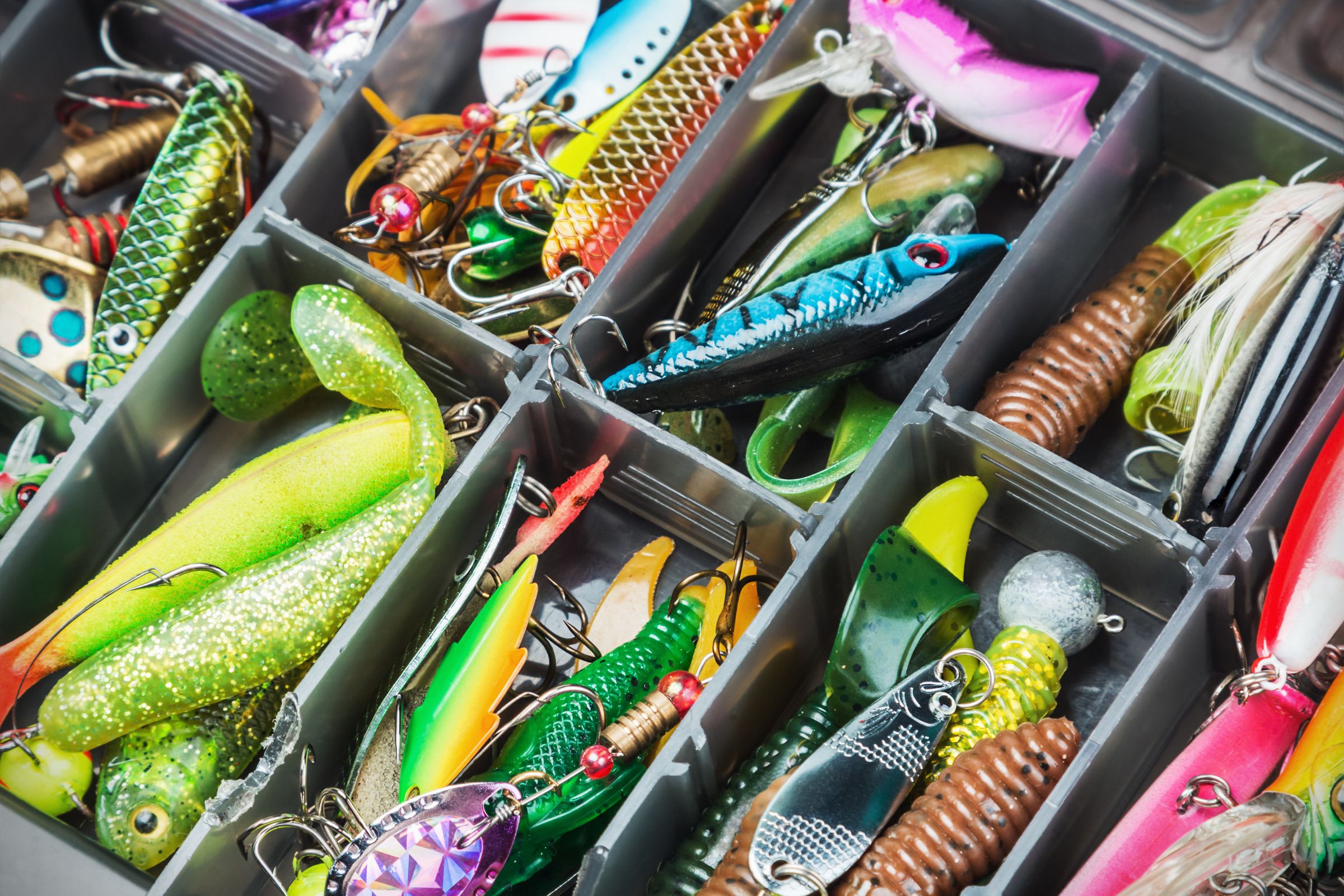
The Science of Bait: Live vs. Artificial Lures for Every Fishing Style
Live Bait vs. Artificial Lures: Which to Choose? One of
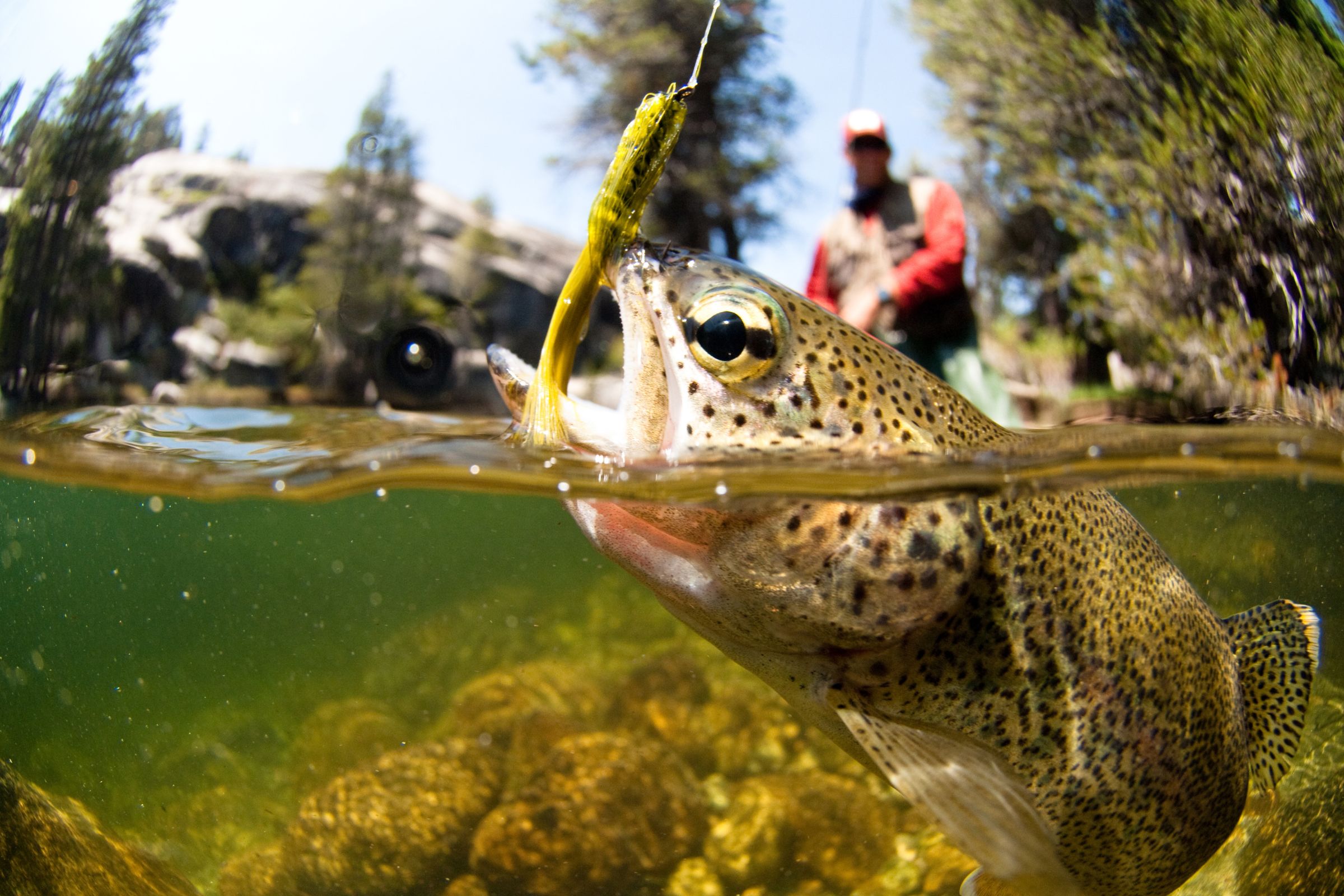
Mastering the Drift: How to Perfect Your Fly Fishing Presentation
Fly fishing is an art that requires patience, skill, and

Paddling Techniques: How to Conserve Energy on Long Trips
Paddling is a rewarding outdoor activity, whether you’re kayaking down