
The Best Replacement Parts for Boats in 2026
Boat ownership in 2026 is all about reliability, efficiency, and smart maintenance. Whether you own a fishing boat, pontoon, center console, bass boat, sailboat, or offshore cruiser, keeping up with replacement parts has become more important than ever. Rising demand, evolving marine technology, and supply chain challenges are changing how boat owners shop for parts and maintain their vessels. Modern boaters are focusing on durability, corrosion resistance, fuel efficiency, and long-term value when upgrading or replacing marine components.
From bilge pumps and marine batteries to propellers and steering systems, choosing the right replacement parts can improve performance, safety, and resale value. Here are the best replacement boat parts to invest in during 2026.
Marine Batteries and Electrical Components
Electrical systems remain one of the most important areas of boat maintenance in 2026. Smart electronics, GPS systems, live sonar, lighting upgrades, and remote monitoring systems all place higher demands on marine electrical systems than ever before. Boat owners are increasingly upgrading to lithium marine batteries because they offer faster charging, lighter weight, longer lifespan, and improved reliability compared to traditional lead-acid batteries.
Battery switches, marine-grade wiring, fuse panels, and waterproof connectors are also among the most commonly replaced parts. Corrosion-resistant tinned copper wiring has become especially popular because it handles harsh saltwater environments much better than standard wiring.
Many marine mechanics recommend replacing aging electrical connections before they fail, especially on boats that are more than five years old. Electrical failures are still one of the leading causes of breakdowns on the water.
Bilge Pumps and Livewell Pumps
Bilge pumps remain one of the most critical safety components on any boat. In 2026, boat owners are prioritizing automatic bilge pump systems with higher flow rates and smart monitoring capabilities. Newer pumps are quieter, more energy efficient, and more reliable than older designs.
Livewell pumps are also seeing heavy replacement demand among anglers. Modern tournament fishermen rely heavily on dependable aeration systems to keep fish healthy during long days on the water. High-capacity pumps with corrosion-resistant housings are becoming the standard upgrade for serious fishing boats.
Because pumps operate in wet, debris-filled environments, proactive replacement is often recommended instead of waiting for complete failure.
Fuel System Components
Fuel system replacement parts are among the hottest categories in marine maintenance this year. Ethanol-blended fuel continues to create problems for older boats, leading many owners to replace fuel lines, primer bulbs, fuel filters, injectors, and fuel-water separators.
Boat owners using alternative fuels and newer fuel blends are also experiencing increased wear on filters and seals. Industry experts note that stricter emissions standards and changing fuel technologies are driving higher replacement rates for pumps, injectors, valves, and filtration systems.
Fuel tank replacements are becoming increasingly common on aging boats, especially those built during the early 2000s. Aluminum tanks remain highly popular due to their durability and corrosion resistance.
Marine Propellers
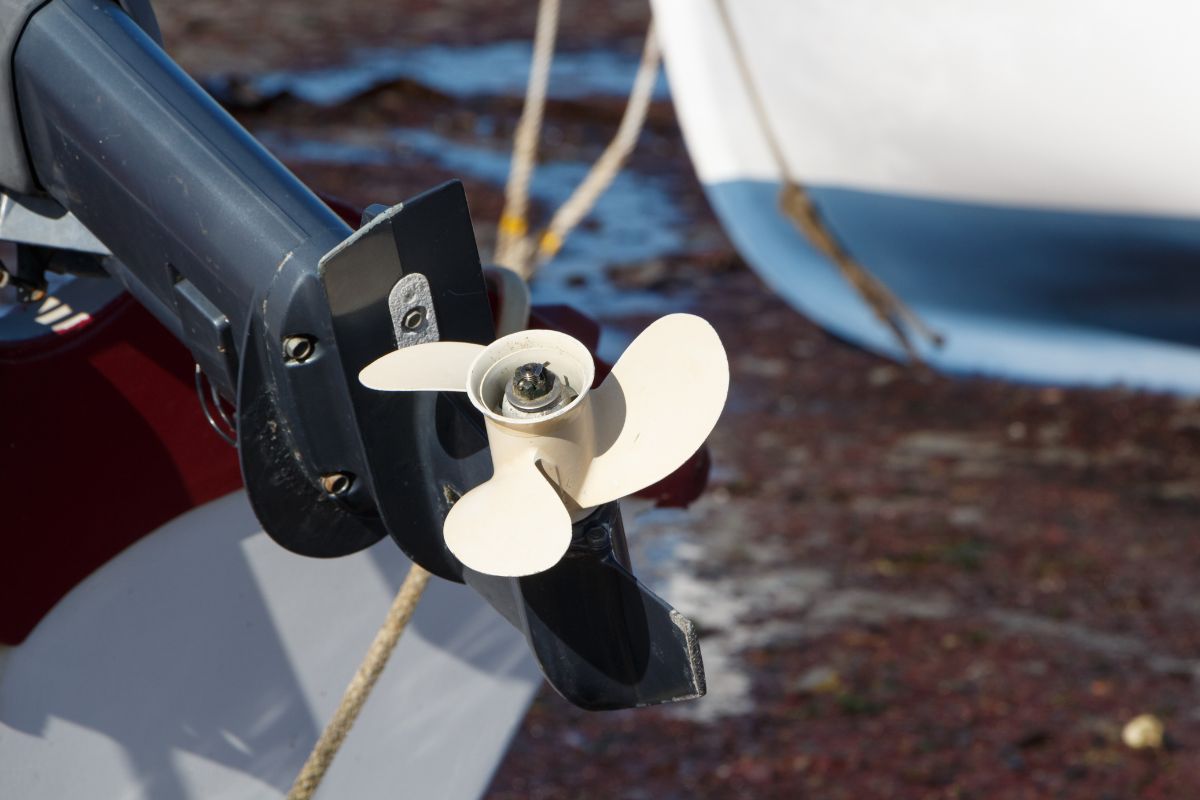
Propellers play a major role in boat performance, fuel economy, acceleration, and handling. In 2026, stainless steel propellers continue to dominate the performance market, while aluminum props remain a cost-effective option for casual boaters.
Many owners are replacing damaged or outdated props with modern designs that improve hole shot, top-end speed, and fuel efficiency. New propeller technologies are also helping reduce vibration and improve handling characteristics.
Even minor prop damage can reduce performance and increase fuel consumption. That is why propeller replacement and repair services remain one of the most common maintenance tasks for boat owners.
Steering and Helm Systems
Hydraulic steering systems have become one of the most valuable upgrades for larger fishing boats and offshore vessels. Older cable steering systems can become stiff, unreliable, and difficult to control over time. Many boat owners are switching to hydraulic systems for smoother operation and better handling.
Helm pumps, steering cylinders, and steering hoses are all common replacement items in 2026. Reliable steering is essential not only for comfort but also for safety at higher speeds and rough-water conditions.
Modern steering upgrades are also increasing resale value, particularly on center consoles and bass boats.
Trailer Replacement Parts
Boat trailers often receive less attention than the boats themselves, but trailer failures can ruin an entire trip. In 2026, trailer maintenance is receiving more focus as owners replace wheel bearings, hubs, LED lights, brake systems, winches, and trailer tires.
Saltwater boaters especially are investing in galvanized trailer components and stainless hardware to fight corrosion. LED trailer lighting systems are now preferred because they last longer and resist moisture much better than traditional bulbs.
Many boaters are also upgrading to radial trailer tires designed specifically for highway towing and heavy marine loads.
Marine Hardware and Stainless Steel Fittings
Corrosion-resistant stainless steel hardware remains one of the smartest replacement investments for boat owners. Hinges, latches, cleats, fasteners, clamps, and rail fittings constantly face exposure to water, UV rays, and salt.
Marine-grade stainless steel hardware is preferred because it lasts significantly longer and improves both appearance and reliability. Boat owners replacing older plastic or low-grade fittings are seeing major improvements in durability.
High-quality marine hardware also reduces long-term maintenance costs by preventing premature rust and failure.
Impellers and Cooling System Parts
Water pump impellers continue to be one of the most important preventative maintenance items for outboard and inboard engines. A worn impeller can quickly lead to overheating and severe engine damage.
Experienced boat owners frequently replace impellers annually or every 100 hours of operation. Online boating communities consistently recommend staying ahead of cooling system maintenance rather than risking expensive repairs later.
Thermostats, cooling hoses, and water pump kits are also among the most commonly purchased replacement parts this year.
Smart Electronics and Monitoring Systems
Marine electronics continue to evolve rapidly in 2026. Boat owners are increasingly replacing outdated displays, transducers, and monitoring systems with smart technology that offers real-time diagnostics and remote monitoring capabilities.
Modern systems can track battery health, bilge activity, fuel usage, engine performance, and security alerts directly from a smartphone. AI-enhanced navigation systems are also becoming more common on recreational boats.
As marine technology advances, upgrading electronics is becoming one of the best ways to modernize older boats without purchasing an entirely new vessel.
The best replacement parts for boats in 2026 focus on reliability, safety, corrosion resistance, and long-term value. Boat owners are investing heavily in electrical upgrades, fuel system improvements, marine pumps, stainless hardware, steering systems, and modern electronics to keep their boats running efficiently.
Preventative maintenance continues to be far less expensive than emergency repairs. Replacing aging parts before failure helps reduce downtime, improves safety, and keeps boats ready for the water throughout the season.
Whether you are restoring an older fishing boat or upgrading a modern offshore rig, choosing high-quality marine replacement parts is one of the smartest investments you can make in 2026.



Snowshoeing for Beginners
Snowshoeing is one of the easiest winter sports to

Snowmobile Safety Tips for Winter Riding
Snowmobiling can be one of the most exciting ways to

Popular Winter Sports for Outdoor Adventure
Winter opens the door to outdoor activities that are

Best Places for Water Sports in the United States
A great water sports trip can look very different
Scuba Diving Snorkeling and Freediving for Beginners
The world below the water can feel like a

Kayaking vs Paddleboarding for Beginners
Kayaking and paddleboarding are two simple ways to explore lakes,