The Ultimate Guide to Deer Hunting: Strategies for Every Season
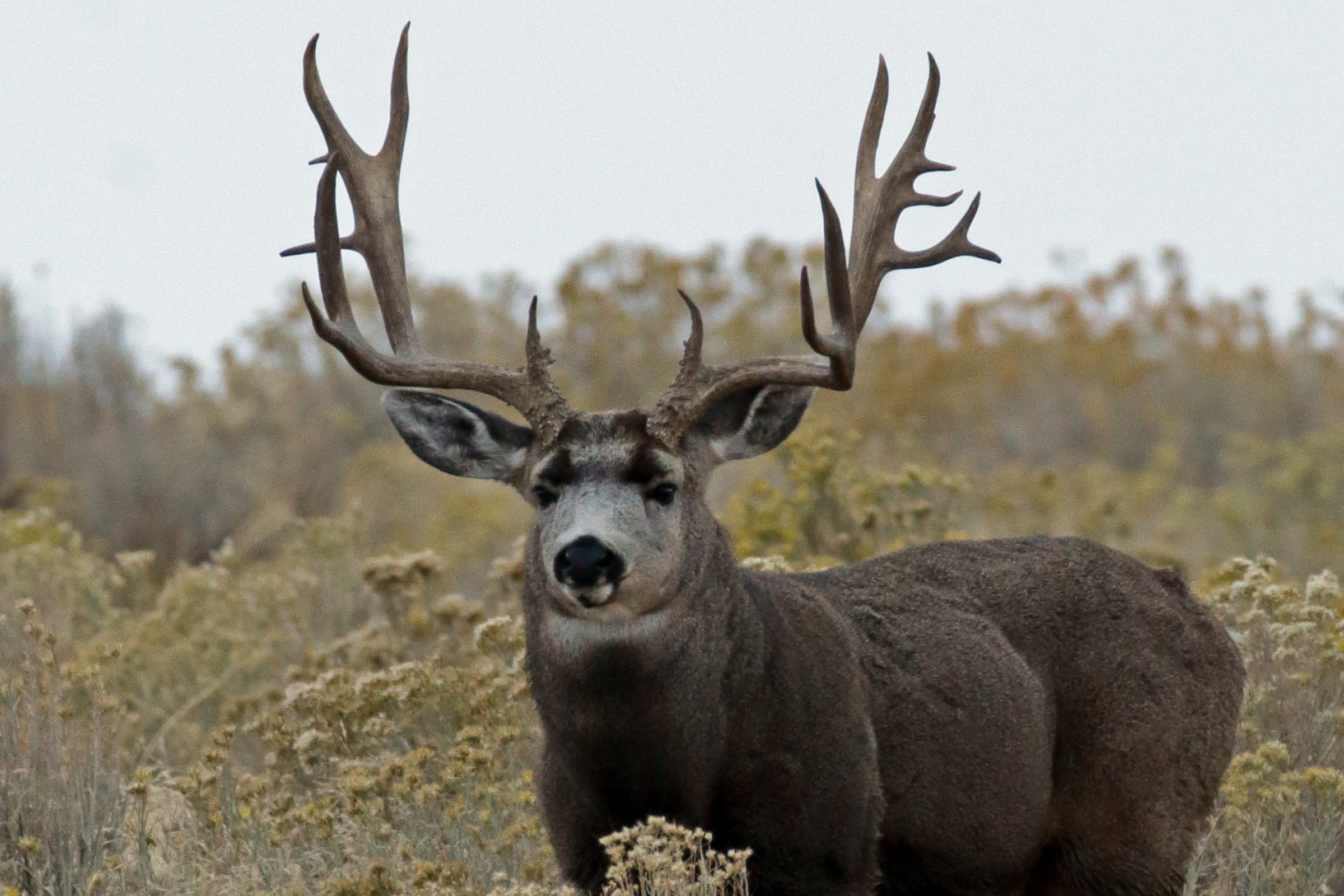
Deer hunting is a time-honored tradition that requires adaptability and knowledge of seasonal behaviors. Both bow and gun hunters must tailor their strategies to the changing patterns of deer throughout the year. Here’s a comprehensive guide to effective tactics for each season.
Early Season (Late Summer to Early Fall)
Behavior: During this period, deer are primarily focused on feeding to build up energy reserves for the coming rut and winter. Bucks often follow consistent patterns, moving between bedding areas and food sources
Bowhunting Tactics:
-
Evening Hunts: Set up near primary food sources, such as agricultural fields or food plots, during the late afternoon. Deer are more likely to move toward these areas as temperatures cool.
-
Trail Ambush: Identify and position yourself along well-used trails connecting bedding areas to feeding sites. This increases the likelihood of intercepting deer during their routine movements.
Gun Hunting Tactics:
-
Scouting: Use binoculars or trail cameras to monitor deer activity from a distance, minimizing disturbance to their patterns.
-
Stand Placement: Choose elevated positions overlooking feeding areas to maximize visibility and shooting opportunities.
Pre-Rut (Mid to Late Fall)
Behavior: As the rut approaches, bucks become more active, establishing dominance through scrapes and rubs. They start seeking out does, leading to increased movement.
Bowhunting Tactics:
-
Mock Scrapes: Create artificial scrapes to attract bucks and encourage them to investigate, presenting shot opportunities.
-
Calling: Use grunt calls or rattling antlers to mimic buck interactions, drawing curious or territorial deer into range.
Gun Hunting Tactics:
-
Travel Corridors: Focus on natural funnels or pinch points that deer use to move between bedding and feeding areas.
-
Edge Habitats: Position near the boundaries of different habitat types, such as where hardwoods meet fields, as deer often travel these edges.
Rut (Late Fall to Early Winter)
Behavior: The peak breeding season, or rut, sees bucks actively pursuing does, often disregarding usual caution. This heightened activity can lead to unpredictable movements.
Bowhunting Tactics:
-
Doe Concentrations: Hunt near areas with high doe activity, as bucks will be drawn to these locations.
-
All-Day Hunts: Bucks may move at any time during the rut, making extended sits beneficial.
Gun Hunting Tactics:
-
Cover Ground: Utilize still-hunting techniques, slowly moving through the woods to encounter active deer.
-
Observation Points: Set up in locations with expansive views to monitor deer movement across larger areas.
Post-Rut (Late Winter)
Behavior: After the rut, bucks focus on recuperating energy and seek reliable food sources. They become more reclusive and return to thicker cover.
Bowhunting Tactics:
-
Secondary Food Sources: Identify less obvious feeding areas, such as late-season browse or remaining mast crops.
-
Thick Cover: Hunt near dense bedding areas where bucks seek shelter and security.
Gun Hunting Tactics:
-
Late-Season Food Plots: Set up over winter food plots designed to provide nutrition during this period.
-
Tracking: In snowy conditions, follow fresh tracks to locate and stalk deer.
General Tips for Both Bow and Gun Hunters:
-
Wind Direction: Always position yourself downwind of anticipated deer movement to avoid detection by scent.
-
Stealth: Move quietly and minimize noise to prevent alerting deer to your presence.
-
Camouflage: Wear seasonally appropriate camo to blend into the environment effectively.
-
Scouting: Regularly monitor deer activity through trail cameras and field observations to adjust strategies accordingly.
By understanding and adapting to deer behaviors throughout the seasons, hunters can enhance their success rates and enjoy a more fulfilling hunting experience.

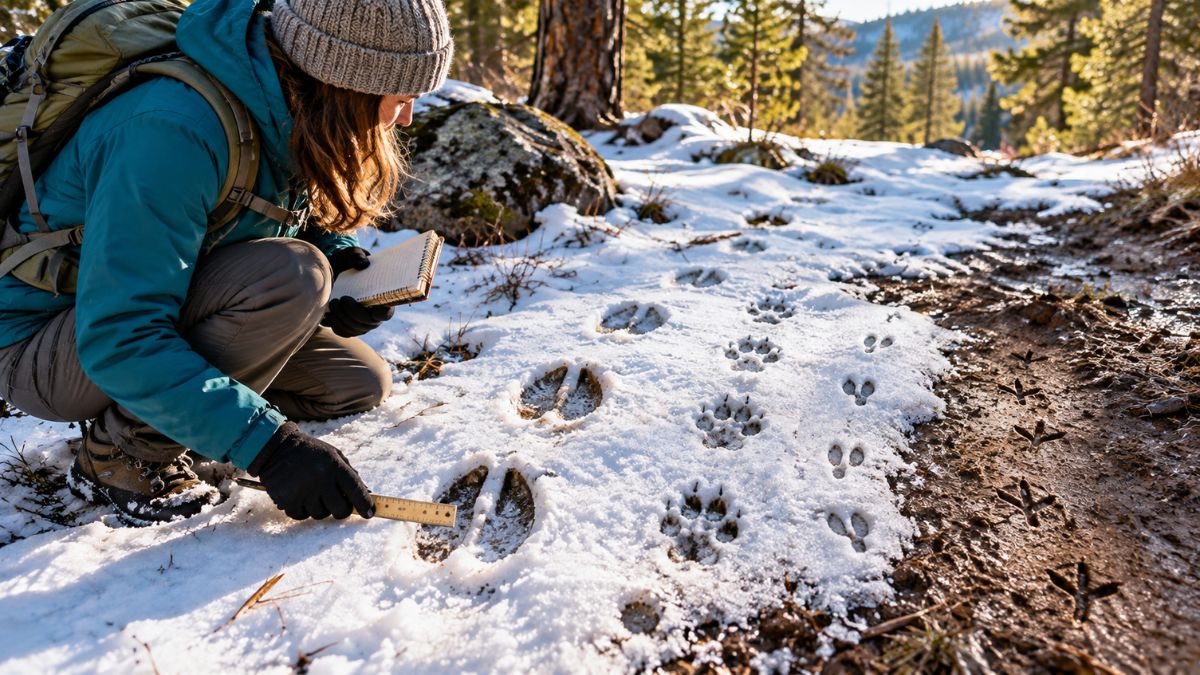
Animal Tracking for Beginners
You do not have to see an animal to know
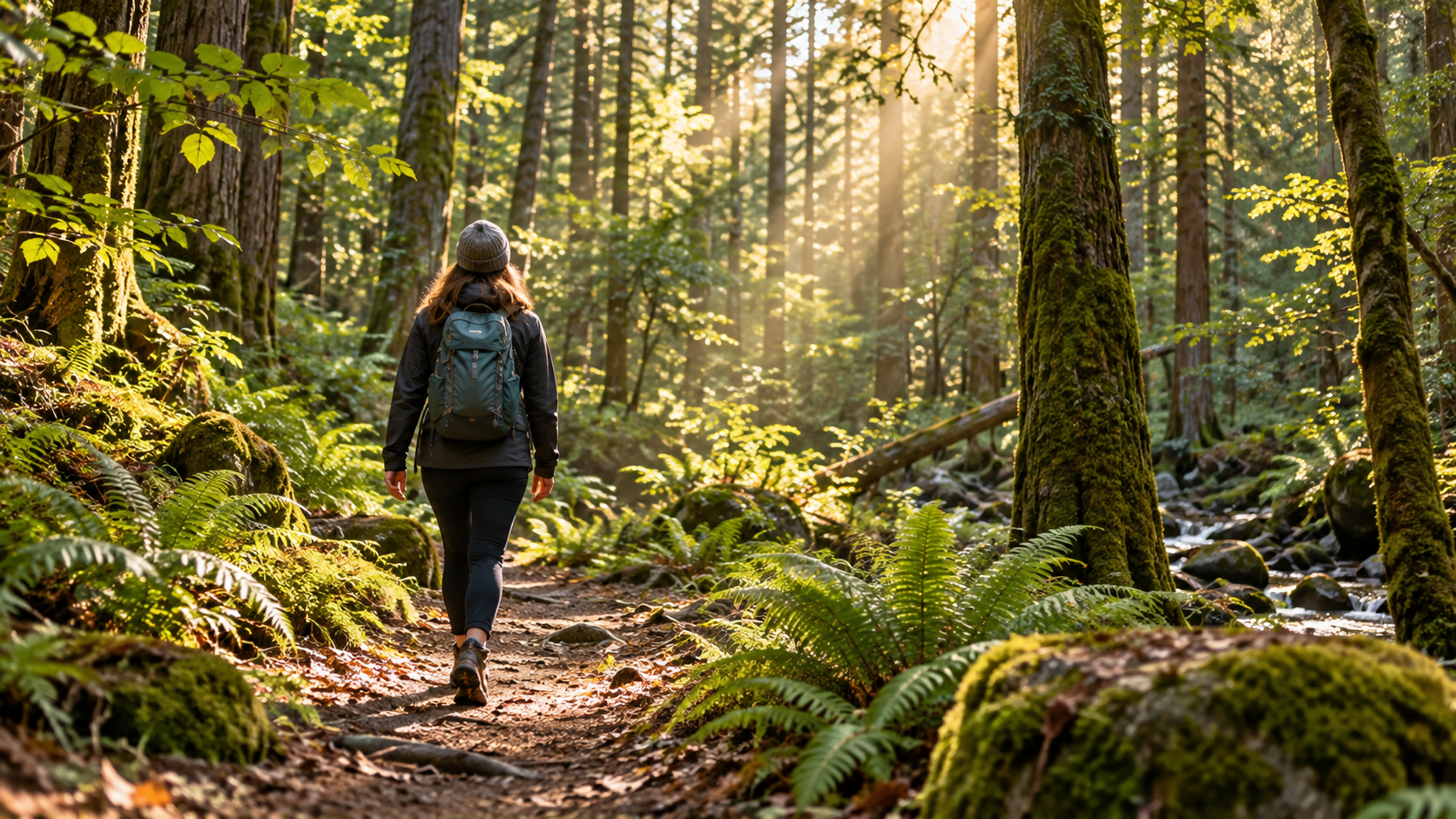
What Is Forest Bathing and How Do You Do It
Forest bathing does not mean taking a bath in
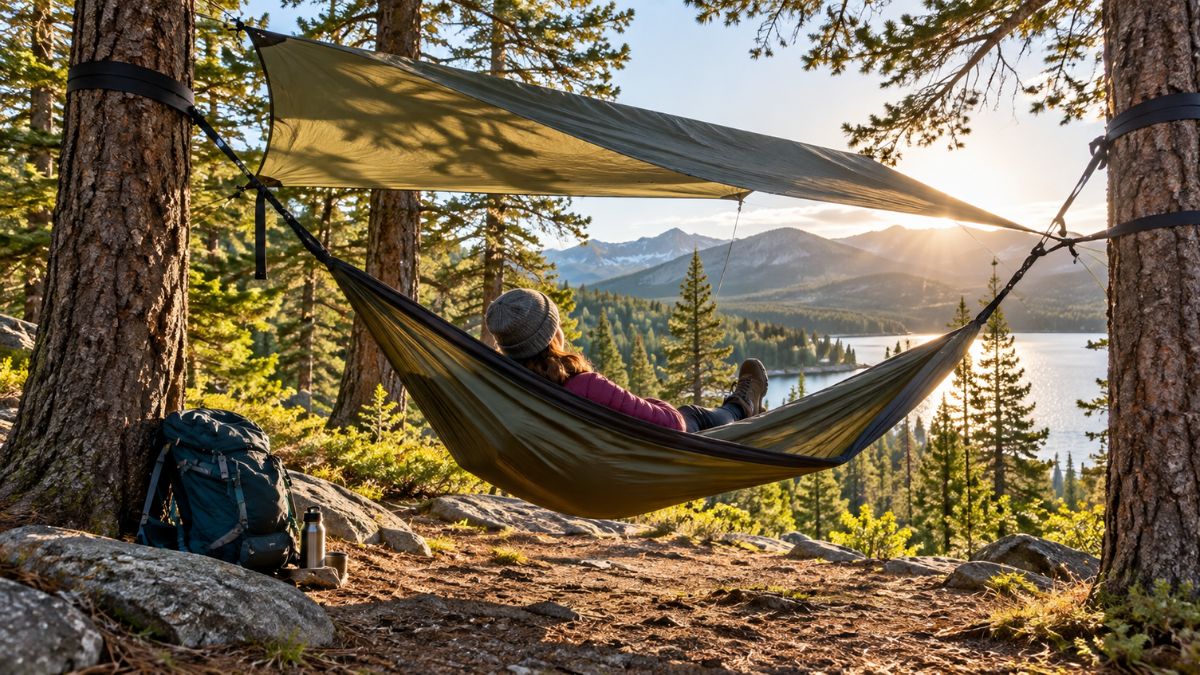
Hammock Camping for Beginners
A hammock can turn a quiet outdoor spot into a
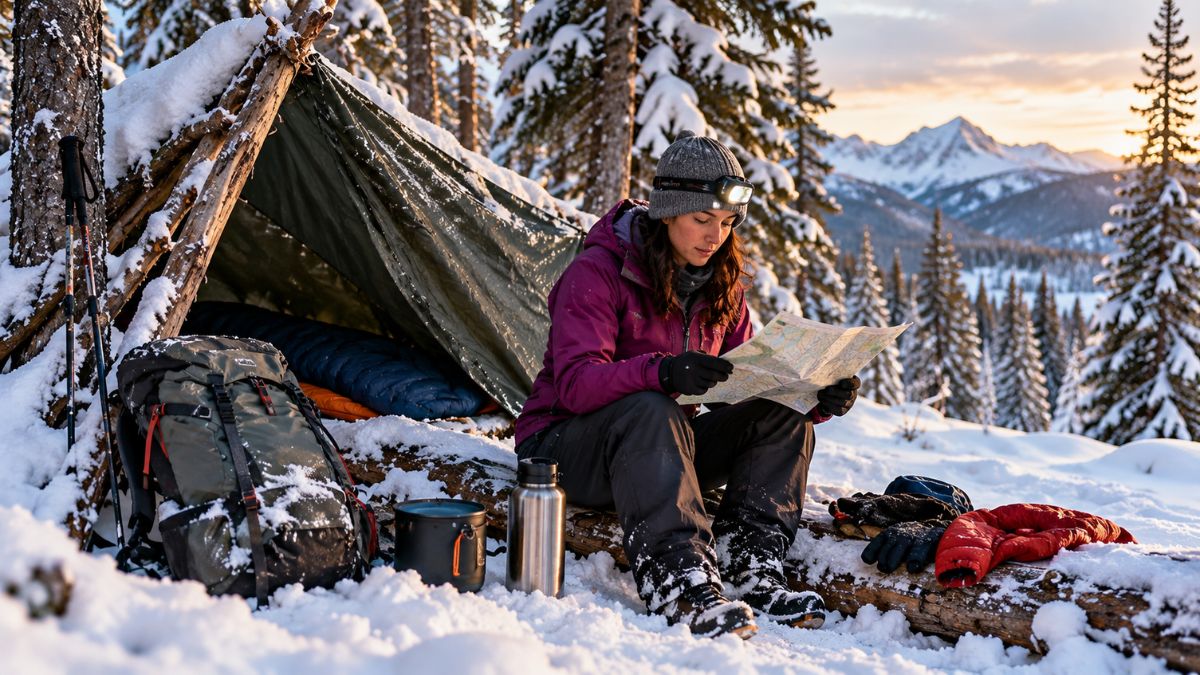
Winter Survival Tips for Outdoor Adventures
Winter can make a normal outdoor trip much harder.
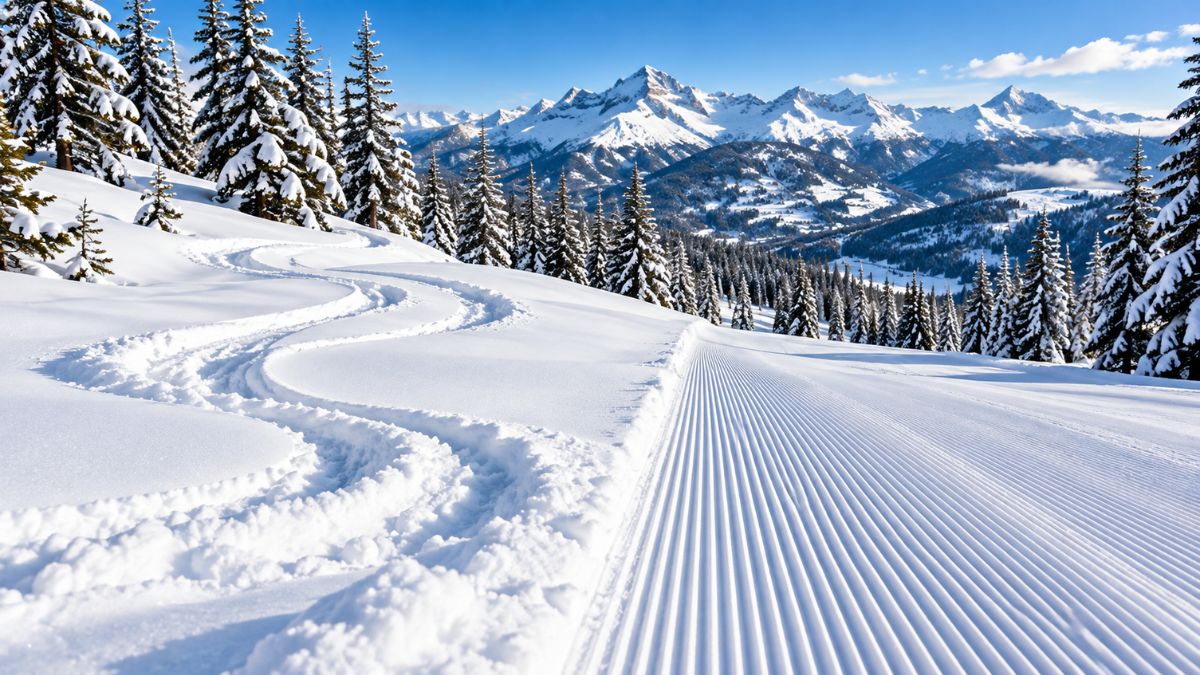
Powder vs Hard-Packed Snow
Snow can look the same from far away, but
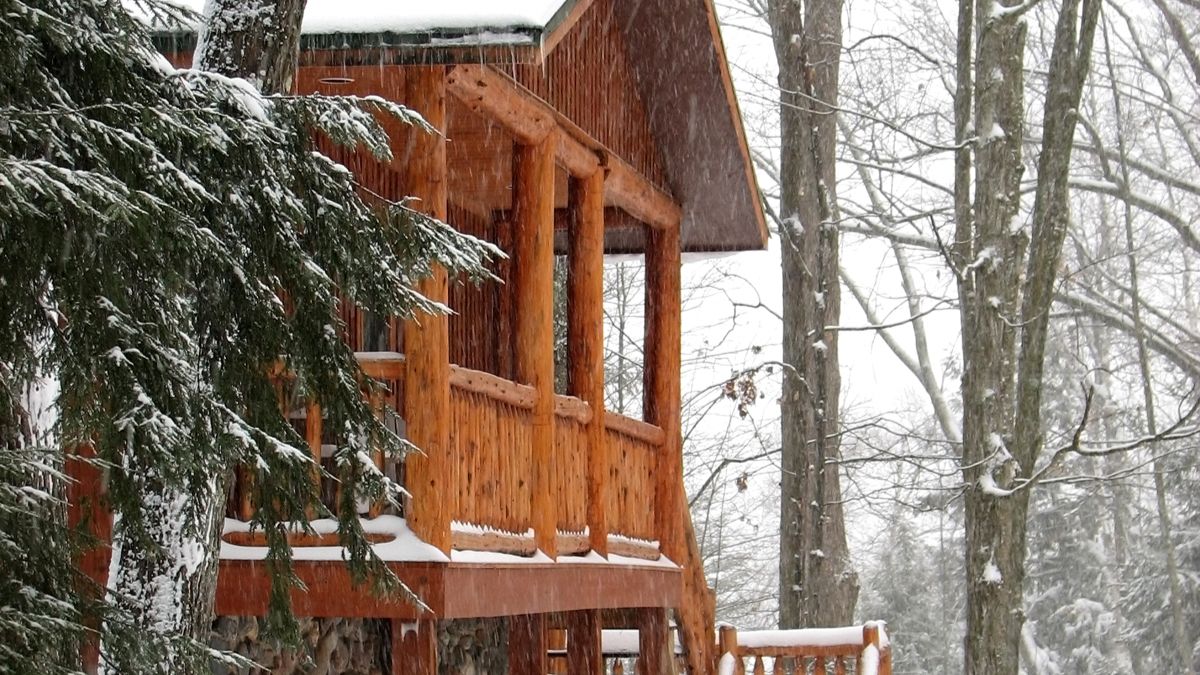
What to Expect on Your First Day at a Ski Resort
A first trip to a ski resort can feel exciting