
Waterfowl Hunting Made Easy: Decoys, Calling, and Blind Placement Tips
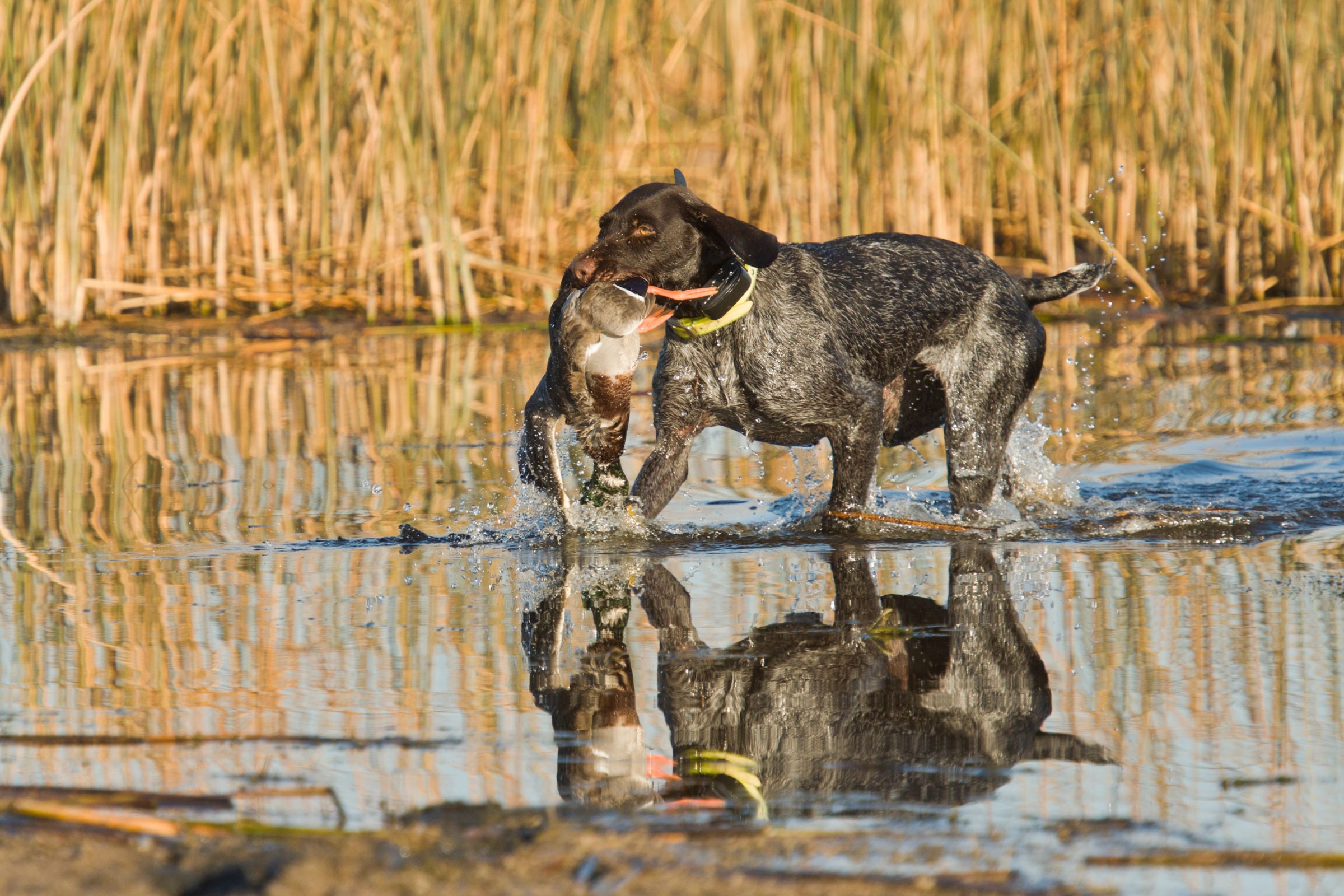
Waterfowl hunting, encompassing ducks and geese, is a pursuit that combines skill, strategy, and an understanding of avian behavior. Success in this endeavor hinges on the effective use of decoys, proficient calling techniques, and strategic blind placement.
Decoys: Crafting an Irresistible Spread
Decoys serve as visual lures, convincing waterfowl that a particular area is safe and abundant with food. To maximize their effectiveness:
-
Diversify Your Spread: Incorporate a mix of species, postures, and sizes to mirror natural flock dynamics. This variety enhances realism, making your setup more enticing.
-
Consider Visibility: Ensure your decoys are easily visible from a distance. Position them in open water or fields, avoiding dense vegetation that could obscure them.
-
Introduce Movement: Static spreads can appear unnatural. Utilize motion decoys or jerk rigs to simulate natural movements, adding authenticity to your setup.
Calling: Speaking the Waterfowl Language
Mastering calling techniques is pivotal in attracting waterfowl:
-
Understand Vocalizations: Different species and situations require specific calls. For instance, mallards respond well to feeding chuckles, while geese may be lured by clucks and moans.
-
Practice Moderation: Overcalling can deter wary birds. Observe their reactions and adjust your calling intensity accordingly. Sometimes, subtlety proves more effective.
-
Invest in Quality Calls: High-quality calls produce more realistic sounds, increasing your chances of success. Regular practice ensures proficiency and confidence in the field.
Blind Placement: Concealment and Positioning
An effectively placed blind is crucial for remaining undetected:
-
Align with Natural Cover: Position your blind within existing vegetation or landscape features to blend seamlessly into the environment. This minimizes the chances of detection.
-
Consider Wind Direction: Waterfowl prefer to land into the wind. Place your blind so that the wind is at your back, guiding birds directly into your shooting lanes.
-
Prioritize Comfort and Safety: Ensure your blind offers adequate concealment without compromising safety or shooting mobility. A comfortable setup allows for prolonged periods of alertness.
By meticulously integrating these strategies—thoughtfully arranging decoys, mastering calling techniques, and strategically placing blinds—you enhance your prospects in waterfowl hunting. Continuous learning and adaptation, guided by experience and observation, are essential for sustained success in this dynamic field.


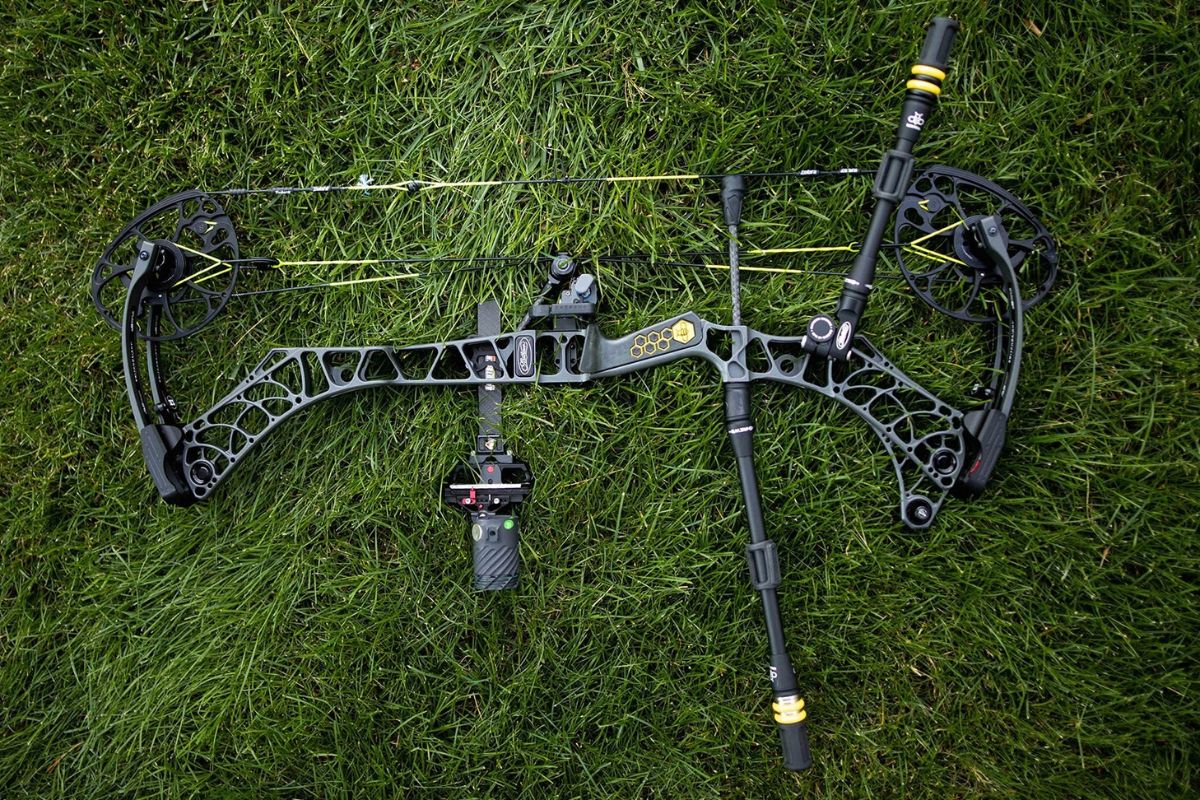
Battle Of the Bow Hunting Brands
Compound bows have revolutionized the world of archery by combining

Don’t Touch These Plants! A Guide to Poisonous Plants and Outdoor Safety
The great outdoors offers incredible opportunities for recreation and relaxation.
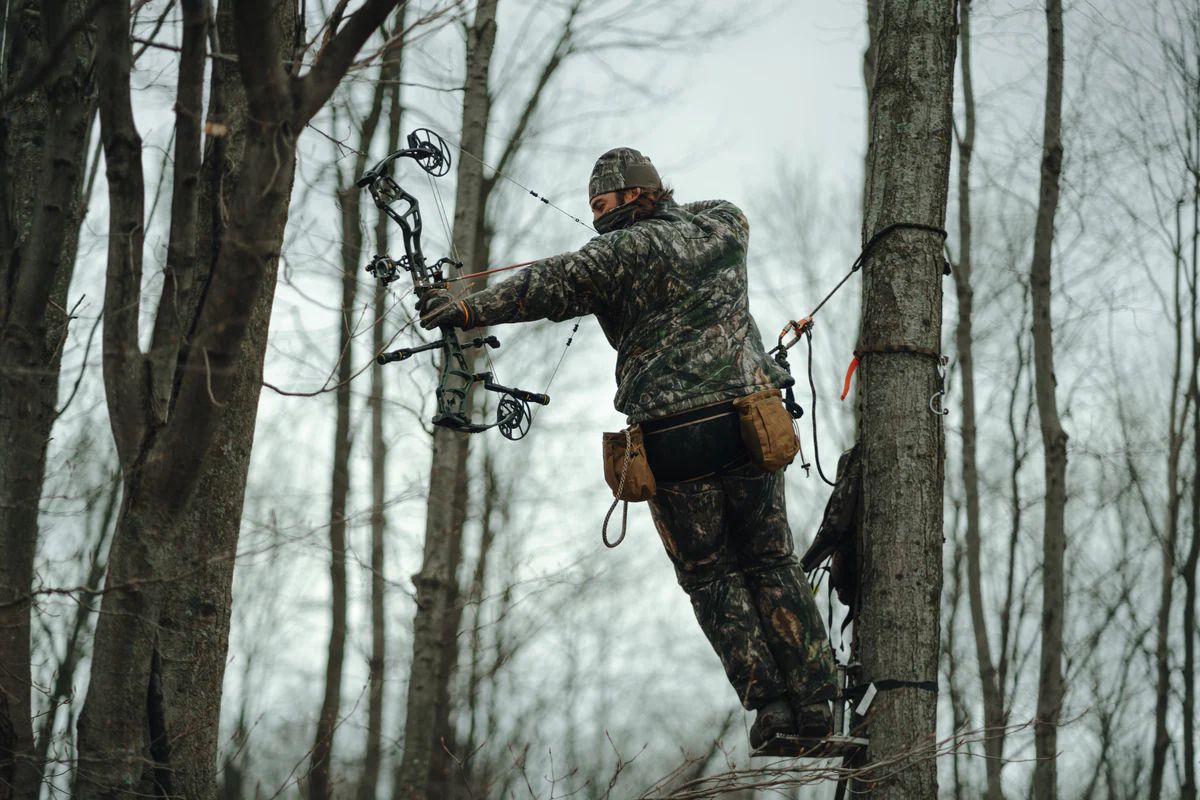
A Beginner’s Guide to Bow Hunting: What You Need to Know
Bow hunting is a time-honored tradition that combines precision, patience,
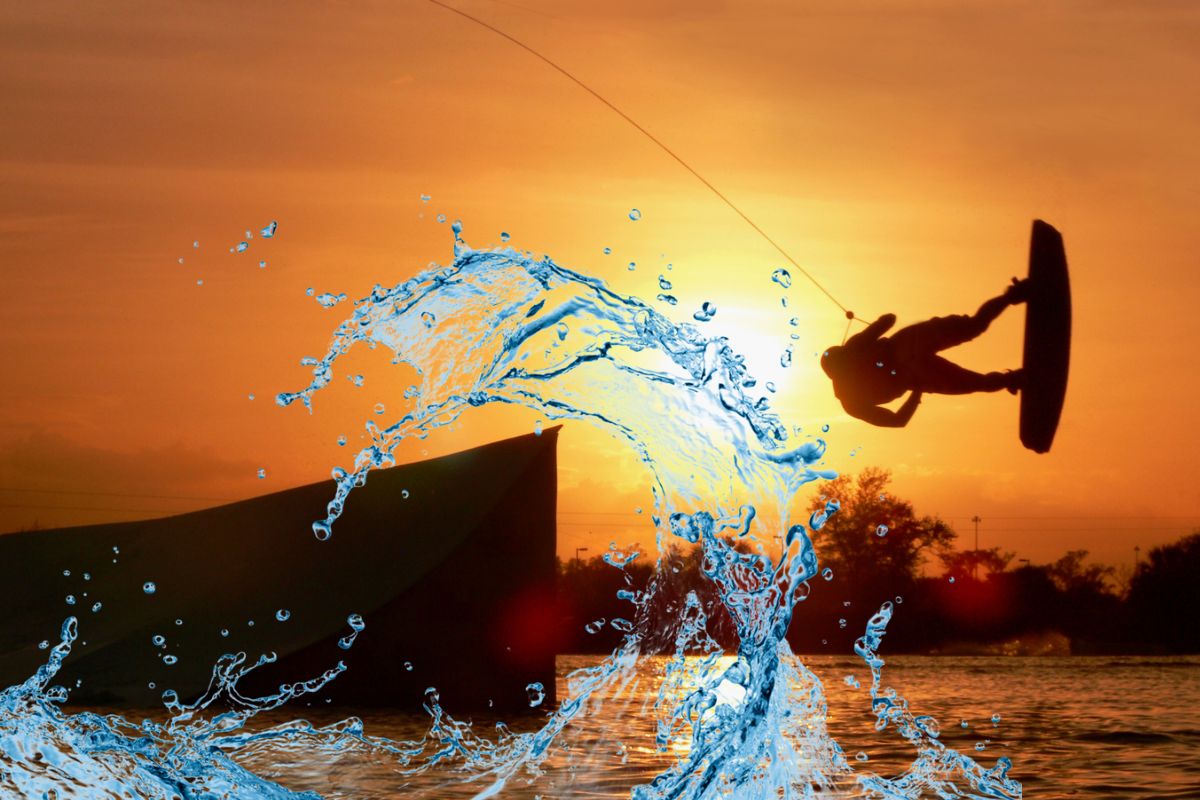
Wakeboarding: The Ultimate Guide to the Sport and Top Gear Brands
Wakeboarding is an exhilarating water sport that combines the thrill
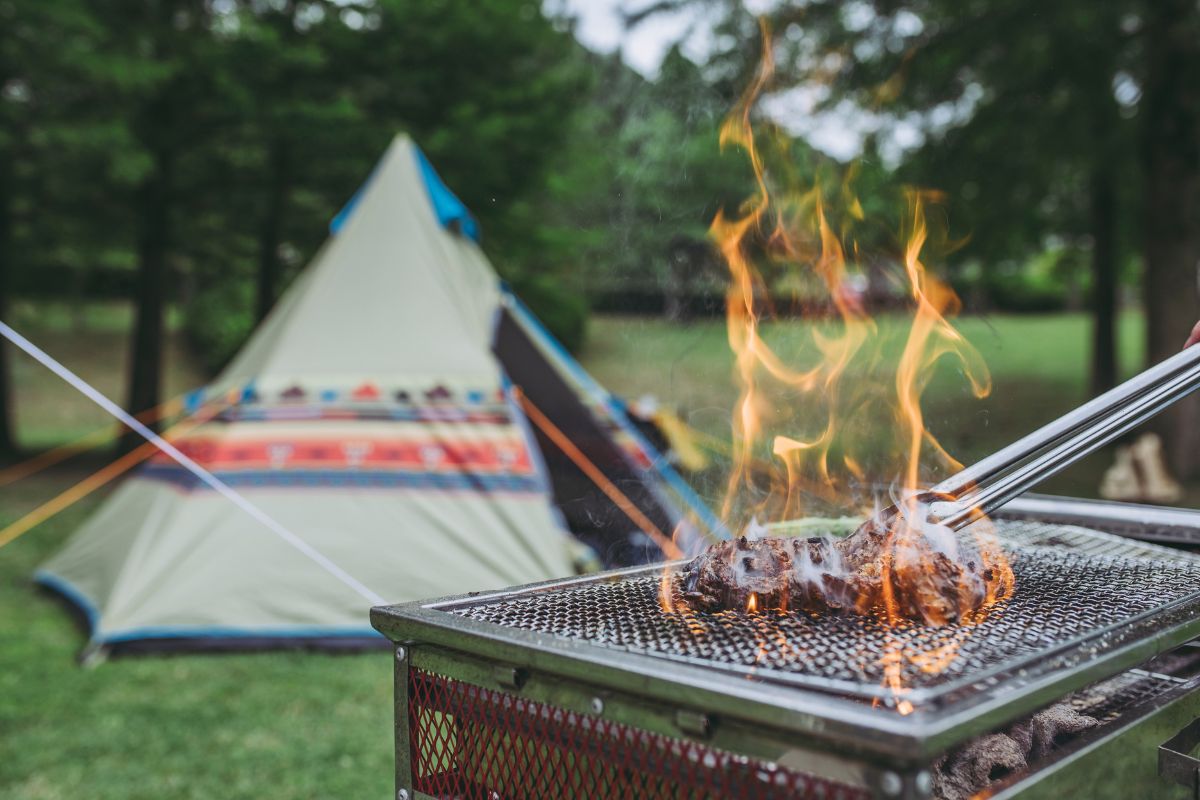
Level Up Your Camp Kitchen: Finding the Perfect Grill for Your Outdoor Adventures
There's something truly special about cooking and eating outdoors. The
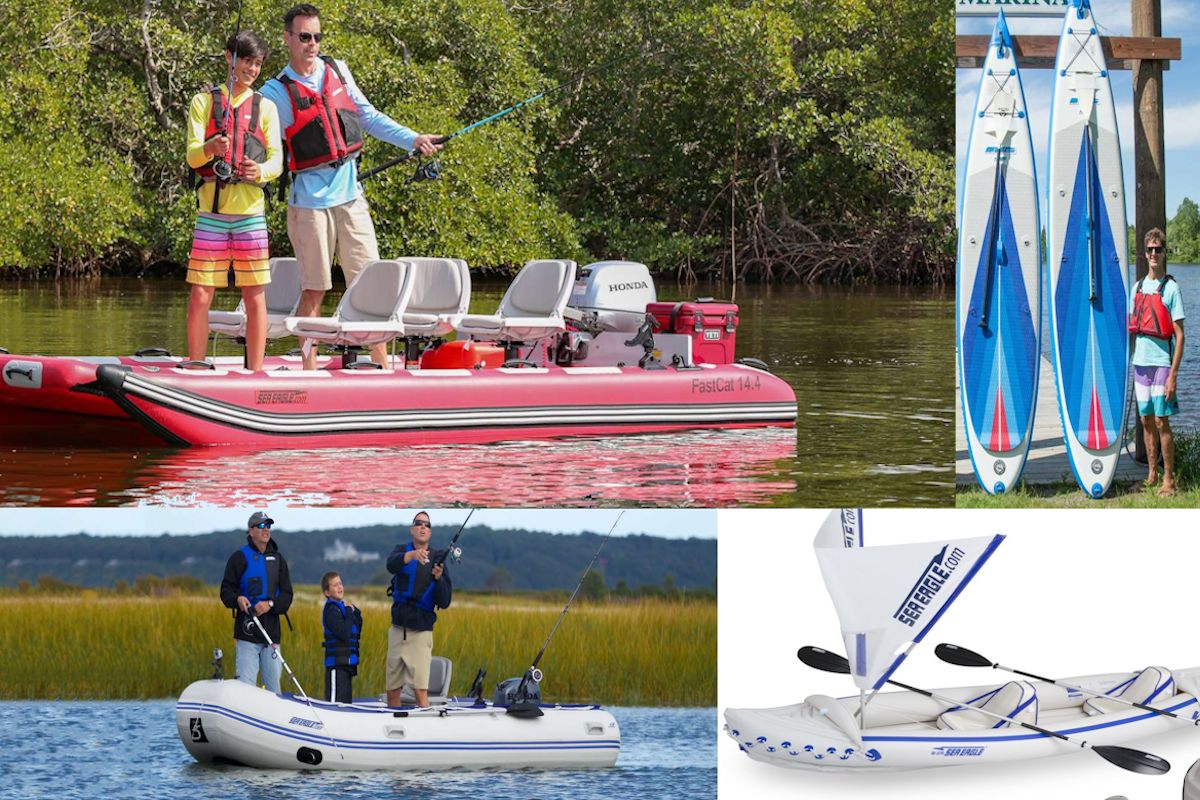
A Guide to Inflatable Kayaks, Boats, and Paddle Boards
Your Inflatable Water Adventure Awaits! The sun's out, the birds
SHARE THIS STORY ANYWHERE YOU LIKE
SHARE THIS STORY ANYWHERE

Backpacking the Absaroka-Beartooth Wilderness: The Ultimate Guide to Backcountry Adventure
Ready to trade your daily grind for alpine lakes, wildflower meadows, and rugged peaks? If you crave real adventure, backpacking in the Absaroka-Beartooth Wilderness is as wild and rewarding as it gets. This backcountry gem