What Is Forest Bathing and How Do You Do It
How Forest Bathing Is Different From Hiking
A normal hike often has a destination. You may be trying to reach a lake, mountain, waterfall, or certain number of miles. Forest bathing can happen in a much smaller area because the goal is the experience instead of the distance.
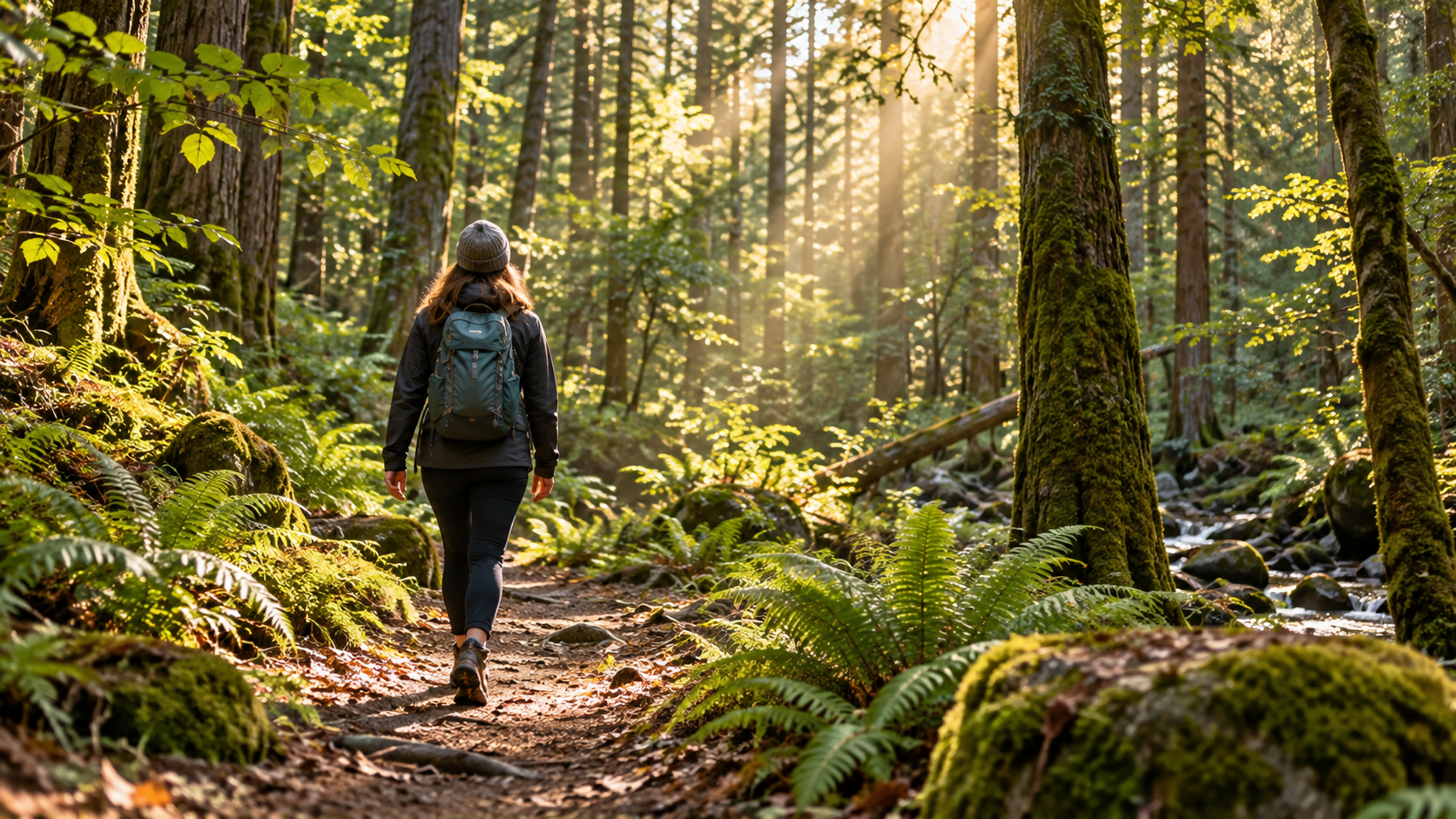
Walk slowly and stop often. Listen to birds, leaves, insects, and moving water, or notice the smell of pine, wet soil, and plants. Touch safe tree bark or look closely at patterns in leaves, but leave plants and wildlife where you find them.
Why People Try Forest Bathing
Many people use forest bathing as a way to relax and take a break from phones, work, and busy schedules. Research has found that time spent in forest settings may help lower stress and improve mood for some people. Scientists are still studying the practice, so it should not be treated as a cure for illness.
The simple act of being outside may also help people feel more connected to nature. A quiet forest gives your mind fewer things to answer, click, or solve. Even a short visit can give you time to notice how your body and mind feel when the day becomes quieter.
How to Try Forest Bathing
Choose a safe park, forest, or wooded trail where you can walk without rushing. Put your phone away or keep it on silent unless you need it for safety. Move slowly and give yourself permission to stop when something catches your attention. Use your senses one at a time. Spend a few minutes listening, then look at colors and shapes, notice smells, and feel the air on your skin. You do not need special equipment or a guide to try a simple forest-bathing walk. There is no perfect amount of time. You might spend twenty minutes in a neighborhood forest or several hours in a larger park. The important part is slowing down enough to notice the place instead of racing through it.
Stay on safe trails and follow local rules while you explore. Forest bathing does not mean walking into unsafe areas or ignoring weather, wildlife, or trail closures. Relaxation works better when you know you are in a place where you can move safely. Try not to turn the activity into another job. You do not need to track steps, beat a time, or post every moment online. If your mind wanders, simply bring your attention back to something you can see, hear, smell, or feel.
Forest bathing is one of the simplest outdoor activities because there is very little to learn. Find a safe green space, slow down, and pay attention. Sometimes getting more from the outdoors starts by doing less.


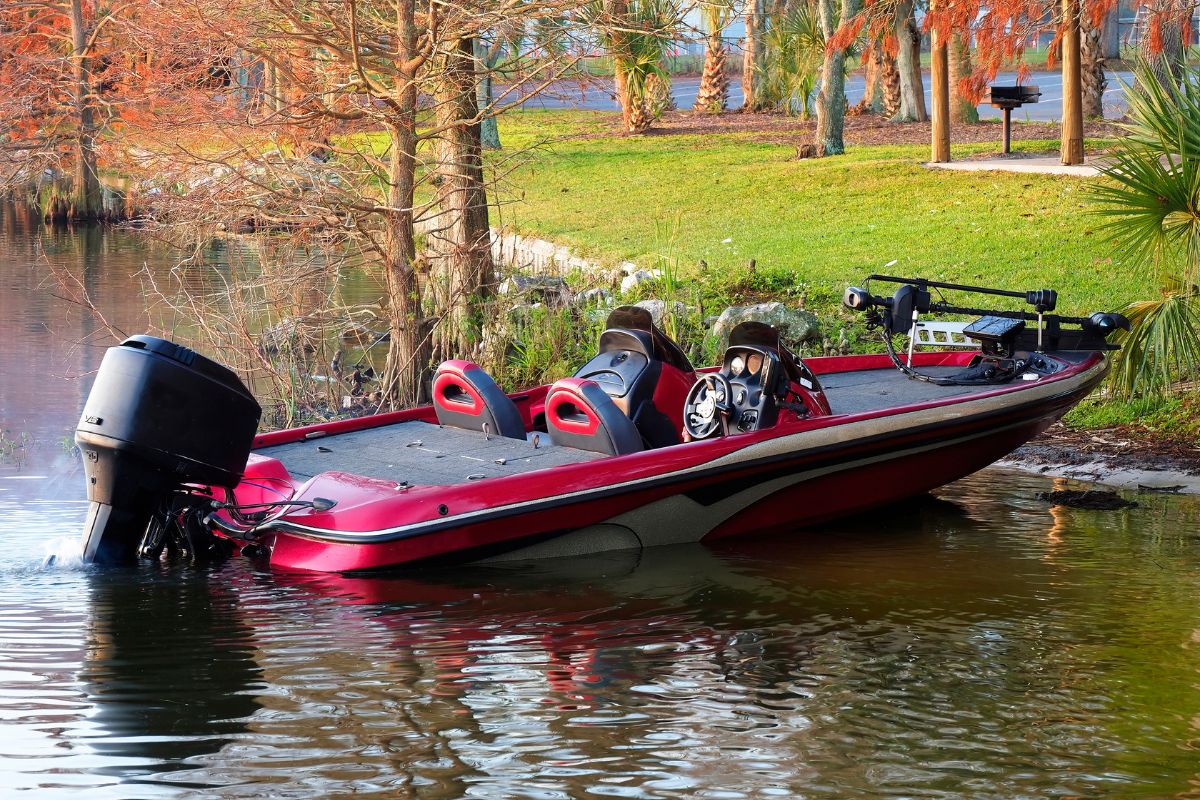
Essential Boat Maintenance Parts to Check This Summer
Summer is one of the busiest seasons for boat owners.
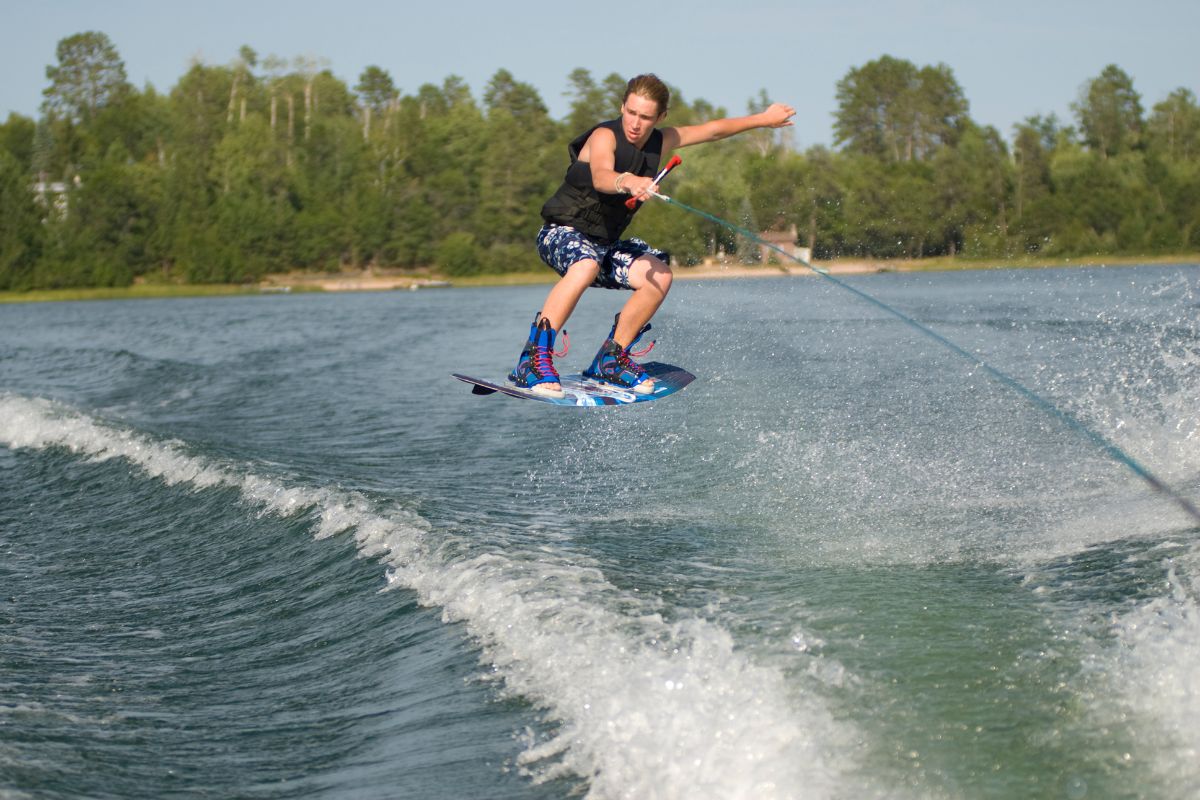
2026 Wakeboard Gear Guide: New Boards, Bindings & Must-Have Accessories
As winter fades and the water begins to warm, riders
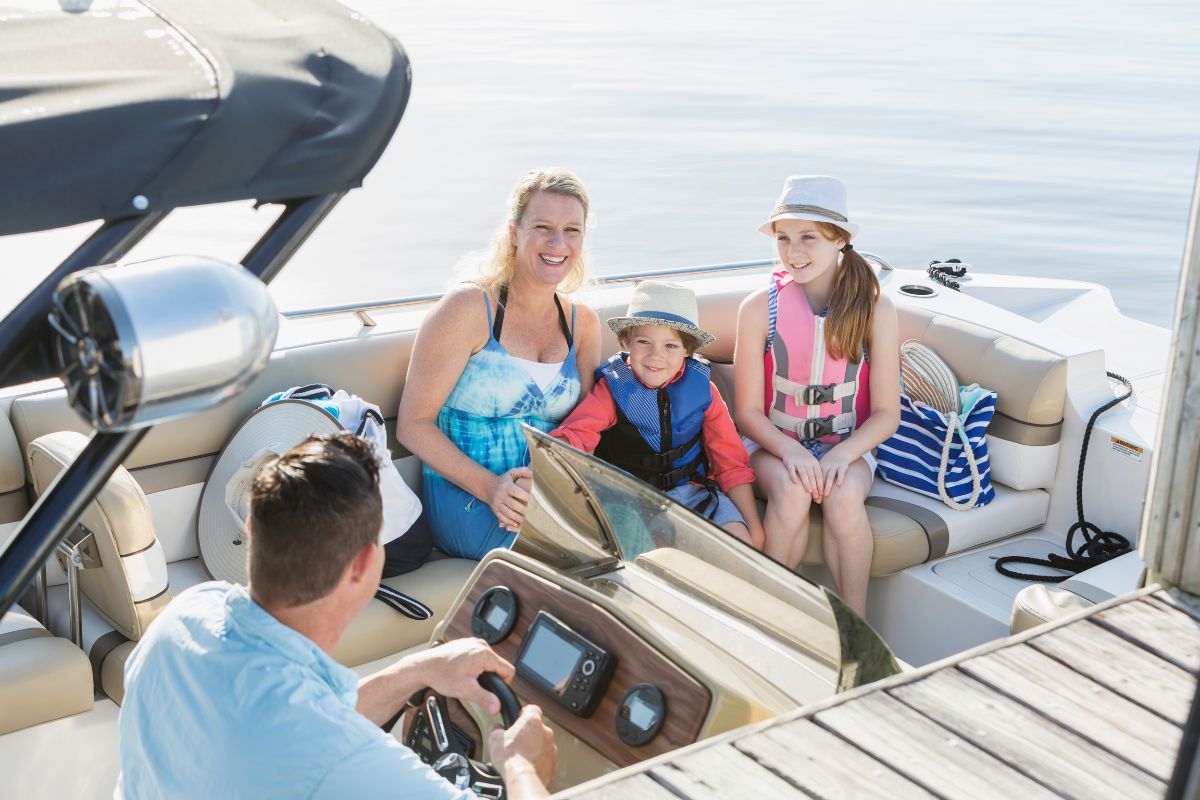
Must-Have Boat Accessories for Every Boater
Boating in 2026 is more advanced, comfortable, and technology-driven than
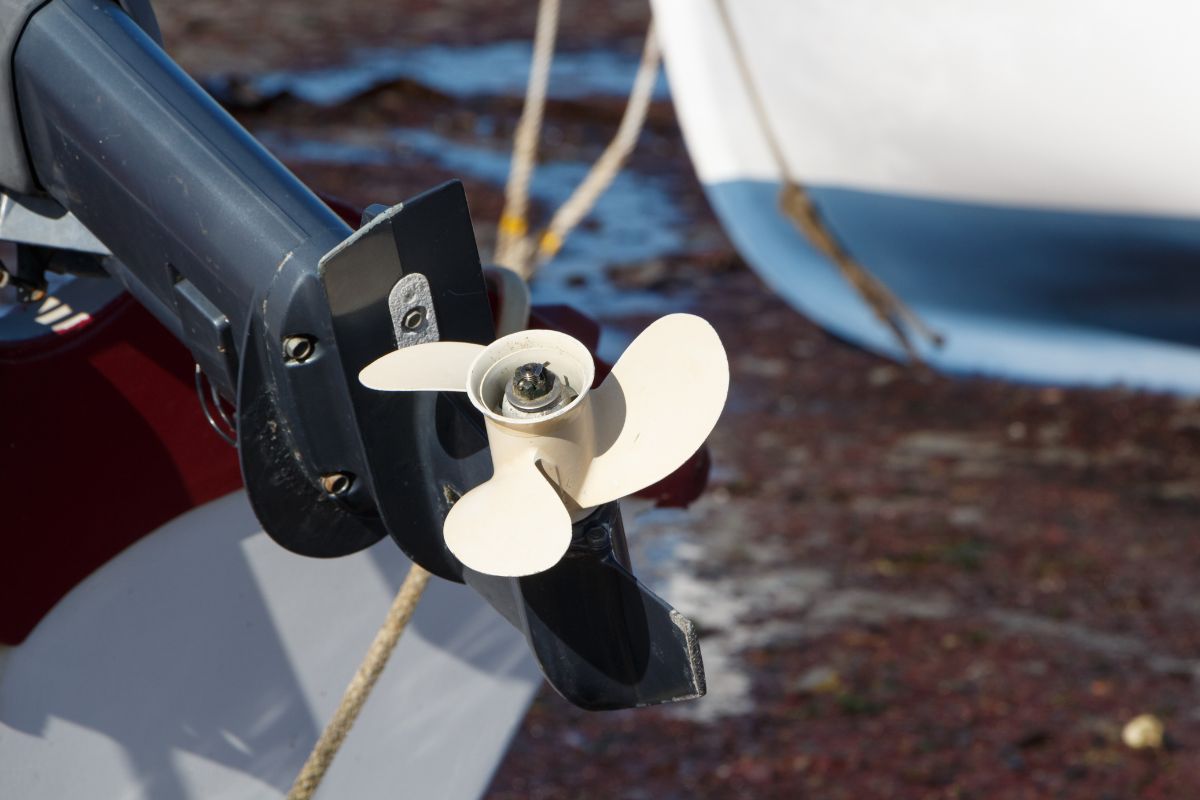
The Best Replacement Parts for Boats in 2026
Boat ownership in 2026 is all about reliability, efficiency, and
Preparing for the 2026 Power Sports Season: Top Helmets, Gloves & Accessories to Gear Up Safely and Stylishly
As the 2026 power sports season approaches, riders across the
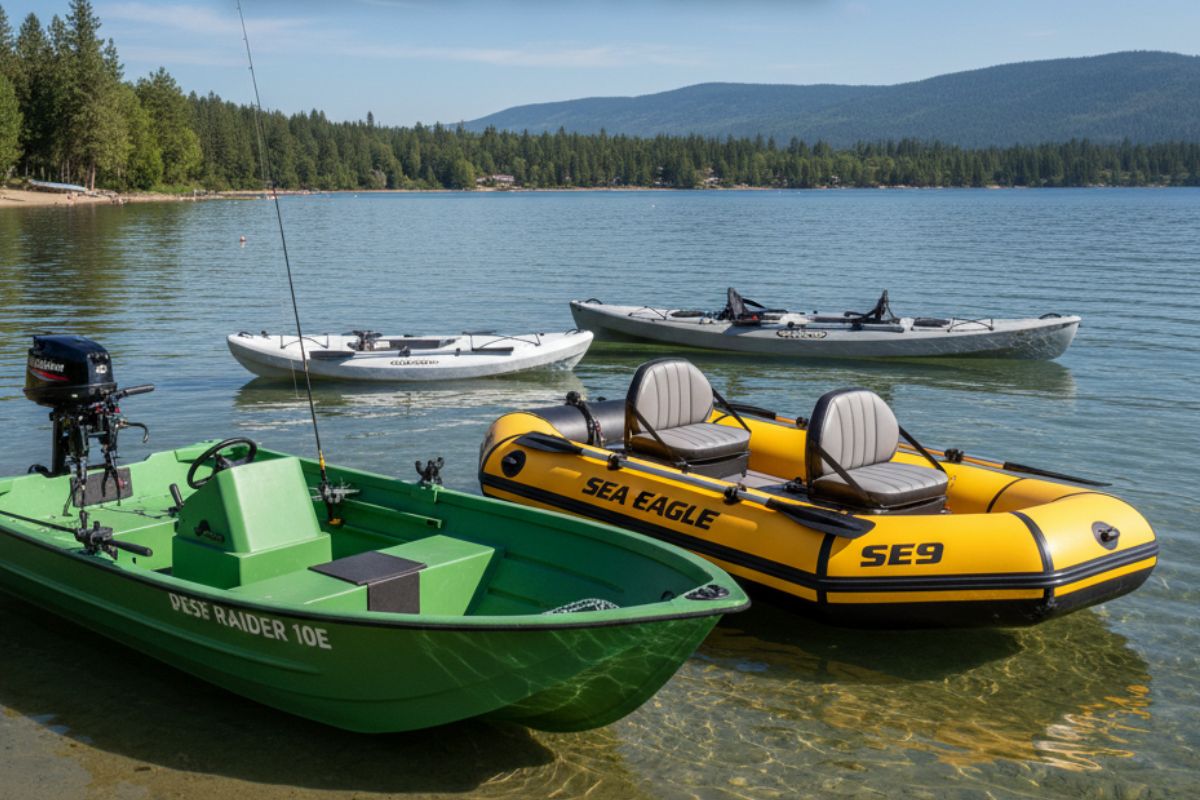
Best New Boats Under $1,000 for 2026
Finding high-quality boats under $1,000 is still possible in 2026.