What is Snowshoeing?
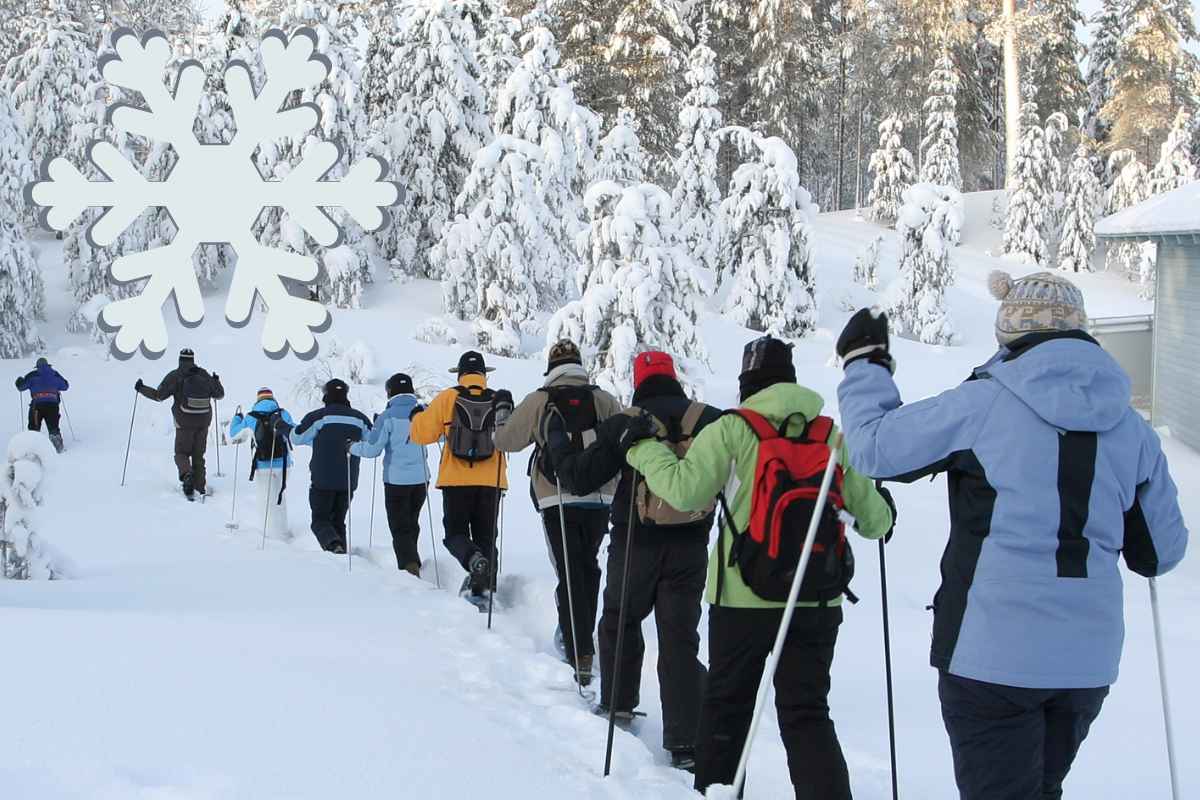
Step into a peaceful winter wonderland where the only sounds are the crisp crunch of snow beneath your feet and the rhythmic whisper of the wind through snow-dusted pines. If you have ever looked at a snow-covered landscape during the dead of winter and wished you could explore beyond the shoveled driveway or crowded ski resort, snowshoeing is your ticket to freedom. It is one of the most accessible, affordable, and rewarding winter sports available, welcoming everyone from quiet solitude seekers to active families looking for a new weekend adventure. When we want to help our friends, our family, and even ourselves break free from cabin fever and embrace the beauty of the colder months, snowshoeing offers the ultimate gateway. This comprehensive guide dives deep into the world of snowshoeing, breaking down everything you need to know to get started, stay warm, master your technique, and stride out with absolute confidence.
What is Snowshoeing?
At its core, snowshoeing is simply walking on top of snow using specialized footwear that distributes your weight over a larger surface area. Without snowshoes, your feet punch straight down into deep snowdrifts—a frustrating phenomenon known as post-holing that quickly drains your energy. Snowshoes solve this by acting like miniature platforms, allowing you to float on top of the snowpack rather than sink into it. Far from being a modern invention, snowshoes boast thousands of years of history, originally crafted out of wood and rawhide by indigenous peoples for survival and travel. Today, modern engineering has transformed traditional designs into lightweight aluminum or composite frames equipped with high-tech bindings, sturdy crampons, and ergonomic shapes. What makes snowshoeing truly special when you are trying to convince loved ones to join you is its remarkably low barrier to entry. If you can walk, you can snowshoe, requiring no steep learning curve and no expensive lift tickets.
Understanding Snow Depth and Weather
When planning your outings with friends and family, understanding how much snow you actually need is the first step. While you technically can wear snowshoes whenever snow is on the ground, they are truly necessary and most effective when the snowpack reaches six to eight inches or more. If the snow is shallow and hard-packed, you might scrape your crampons on bare ground, but the moment you start sinking past your ankles with every regular step, it is time to break out the gear for deep, powdery trails where regular walking becomes impossible.
The weather also plays a massive role in whether your group outing feels magical or miserable. Crisp, clear blue-sky days with temperatures hovering between twenty and thirty degrees Fahrenheit and zero wind provide the quintessential winter postcard experience, though you will want polarized sunglasses to handle the glare. Overcast and calm days offer a soft ceiling of clouds that protect you from direct solar radiation, making them fantastic for longer endurance outings in a serene, hushed atmosphere. On the flip side, high winds, blizzards, and warm, slushy thaws above thirty-five degrees should be approached with caution, as sticky heavy snow feels like lifting lead weights.
What to Wear and Essential Gear for Snowshoeing
Keeping everyone comfortable starts with mastering the art of layering, because while moving generates immense heat, stopping to rest can quickly chill you to the bone. Your base layer should sit directly against your skin using synthetic materials or Merino wool to wick sweat away, entirely avoiding cotton which traps moisture and invites hypothermia. Your mid-layer of fleece, wool, or lightweight down traps warm body heat, while your outer shell acts as a waterproof and windproof shield against falling snow and biting winds. Round out your gear with waterproof gloves or mittens, a warm beanie, polarized sunglasses to prevent snow blindness, and collapsible trekking poles with snow baskets to help with balance and rhythm.
Choosing the right footwear makes all the difference in keeping your feet warm and happy on the trail. You do not need specialized, hard-shelled ski boots, as modern bindings strap securely over your everyday winter footwear. Insulated winter hiking boots are the absolute gold standard, providing stiff soles to support your feet against the bindings, robust ankle support, and complete waterproofing. When shopping for the best snowshoe boots, look for Gore-Tex membranes, appropriate Thinsulate insulation ratings for your climate, rigid soles to prevent foot fatigue, and low-profile heels that lock securely into your bindings without getting caught awkwardly.
Mastering Snowshoe Technique
Once you are geared up and out on the trail with your family or friends, mastering the basic technique takes only a few minutes. After strapping your boots snugly into the bindings in a flat, open area, you will want to adopt a slightly wider stance than normal, walking with your feet a couple of inches farther apart to avoid clipping the inner edges of your snowshoes together. Walk naturally, letting your heel lift freely out of the rear binding while your toes pivot. When turning around, avoid tight spins and instead use a wide, sweeping arc or a step-turn. Going uphill requires the kick-step method of driving your toe firmly into the slope to carve out a shelf, utilizing zig-zag switchbacks on steeper grades and flipping up heel lifts to reduce calf fatigue. Going downhill is all about keeping your knees slightly bent, maintaining a low center of gravity, and leaning your weight backward into your heels to let the rear crampons brake gently.
Snowshoeing Fitness Goals and Cardiovascular Benefits
Beyond just a fun weekend activity, snowshoeing is an absolute powerhouse of a winter workout that can help you and your family achieve impressive fitness goals. Moving through snow elevates your heart rate quickly, making it fantastic for building cardiovascular endurance through steady, unbroken forty-five to sixty-minute sessions. It also delivers full-body strength and core conditioning by forcing your lower body to power through the snowpack while your core and upper body stabilize your posture and trekking poles. Furthermore, because it burns anywhere from four hundred to over a thousand calories per hour, it serves as an exceptionally efficient tool for weight management and active recovery during the winter months.
Hitting the Trails
Snowshoeing transforms winter from a season of hibernation into an open invitation for exploration and connection. Whether you want a peaceful afternoon wandering through a quiet forest trail with family or an invigorating physical workout climbing a snowy ridge by yourself, this timeless sport opens up the entire landscape. Now that you know how to choose your gear, read the weather, dress right, and stride with confidence, the only thing left to do is lace up, get outside, and discover the magic of the winter wilderness together.

The Best Replacement Parts for Boats in 2026
Boat ownership in 2026 is all about reliability, efficiency, and
Preparing for the 2026 Power Sports Season: Top Helmets, Gloves & Accessories to Gear Up Safely and Stylishly
As the 2026 power sports season approaches, riders across the
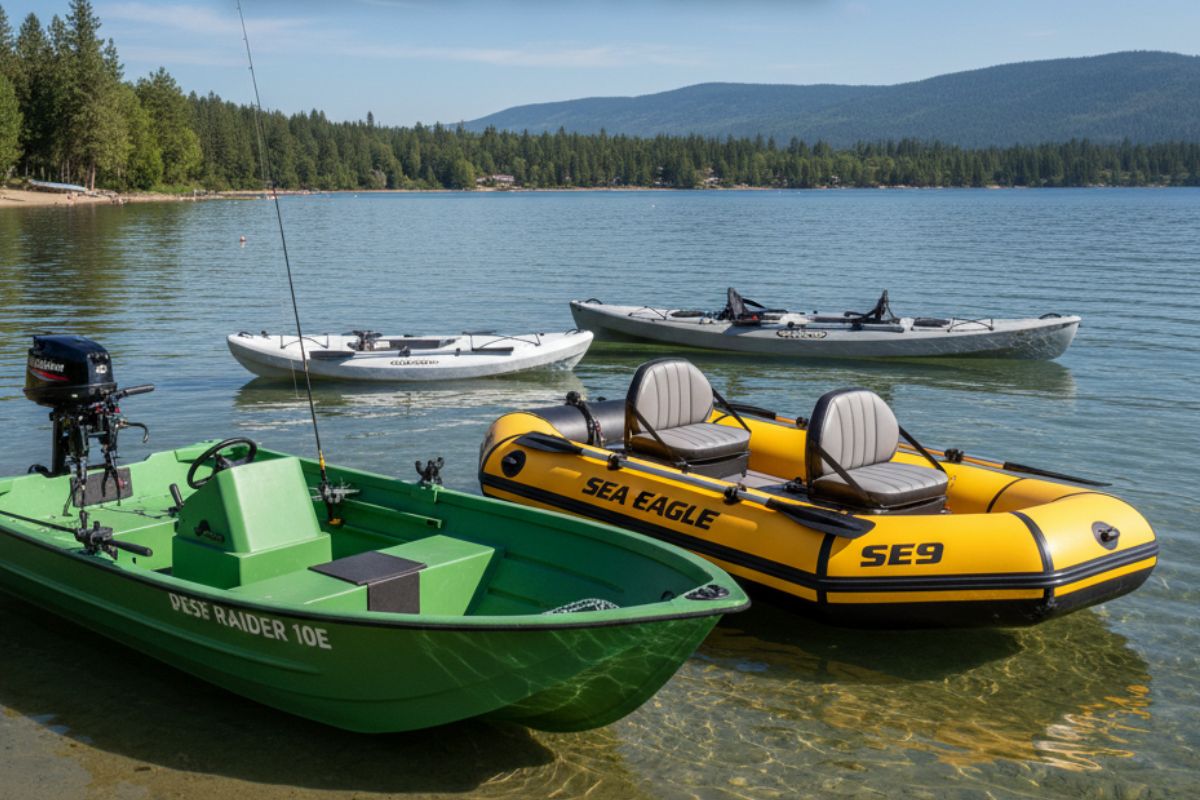
Best New Boats Under $1,000 for 2026
Finding high-quality boats under $1,000 is still possible in 2026.
2026 Outdoor Alert: Major DNR Changes and National Park Updates
The 2026 season is bringing significant shifts to the

Spring Tune-Up: Essential Maintenance for Kayaks and Paddleboards After Winter Storage
As the snow melts and the first hints of green

Snowmobiling Safely: Essential Gear to Stay Warm, Protected, and Ready for the Ride
Snowmobiling is one of the most exciting ways to explore