Winter Survival Tips for Outdoor Adventures
Stay Warm and Dry
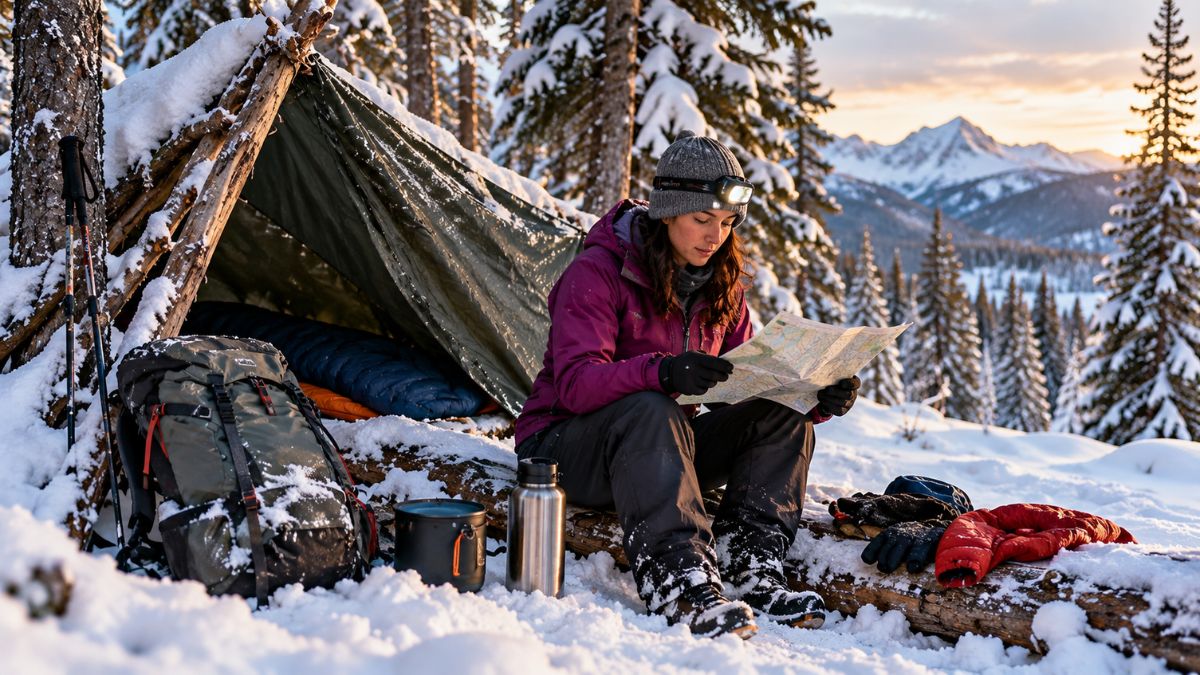
Dress in layers so you can add or remove clothing as your body temperature changes. Wool and many synthetic fabrics can keep working when they are damp, while cotton can hold water and make you colder. Wear a warm hat, gloves, waterproof boots, and an outer layer that blocks wind and wet snow.
Try not to get sweaty during a winter hike because wet clothing can cool you quickly when you stop moving. Slow down, open your jacket, or remove a layer when you feel too warm. Keep at least one dry layer in your pack so you have something warm to put on if your clothes become wet.
Carry the Basics for an Emergency
Bring more food and water than you think you will need. Cold weather can make people forget to drink, but your body still needs water to work well. Pack easy foods that you can eat without cooking, along with a flashlight or headlamp, first aid supplies, and a way to make an emergency signal.
Navigation matters because snow can hide trails and landmarks. Carry a map and compass or another navigation tool, and know how to use them before the trip. Do not depend only on a phone because batteries lose power faster in cold weather and some outdoor areas have no signal.
Know When to Stop and Get Help
Watch for signs that someone is becoming too cold. Strong shivering, confusion, trouble speaking, clumsy movement, and unusual tiredness can be warning signs of hypothermia. Move the person out of the wind, replace wet clothing with dry layers, and seek emergency help if symptoms are serious. Frostbite can affect fingers, toes, ears, and other exposed skin. Numbness, pale skin, or loss of feeling can be warning signs that the body is getting too cold. Cover exposed skin, warm up carefully, and get medical help when frostbite is suspected.
If bad weather moves in, do not be afraid to turn around. Reaching the top of a mountain or finishing a long trail is never more important than getting home safely. Winter conditions can change quickly, and the best outdoor decision may be ending the trip early. Tell someone where you are going before you leave. Share the trail, parking area, planned route, and the time you expect to return. If you do not come back, that information can help rescuers know where to begin looking.
Winter survival is mostly about preventing a small problem from becoming a large one. Warm clothing, extra food, water, navigation, and a simple emergency plan can solve many problems before they become dangerous. The more prepared you are, the easier it is to enjoy winter instead of worrying about it. You do not have to be a survival expert to spend time outside in winter. Start with short trips close to home and learn how your clothing and gear work in cold weather. Each safe trip can help you build the skills and confidence needed for bigger winter adventures.


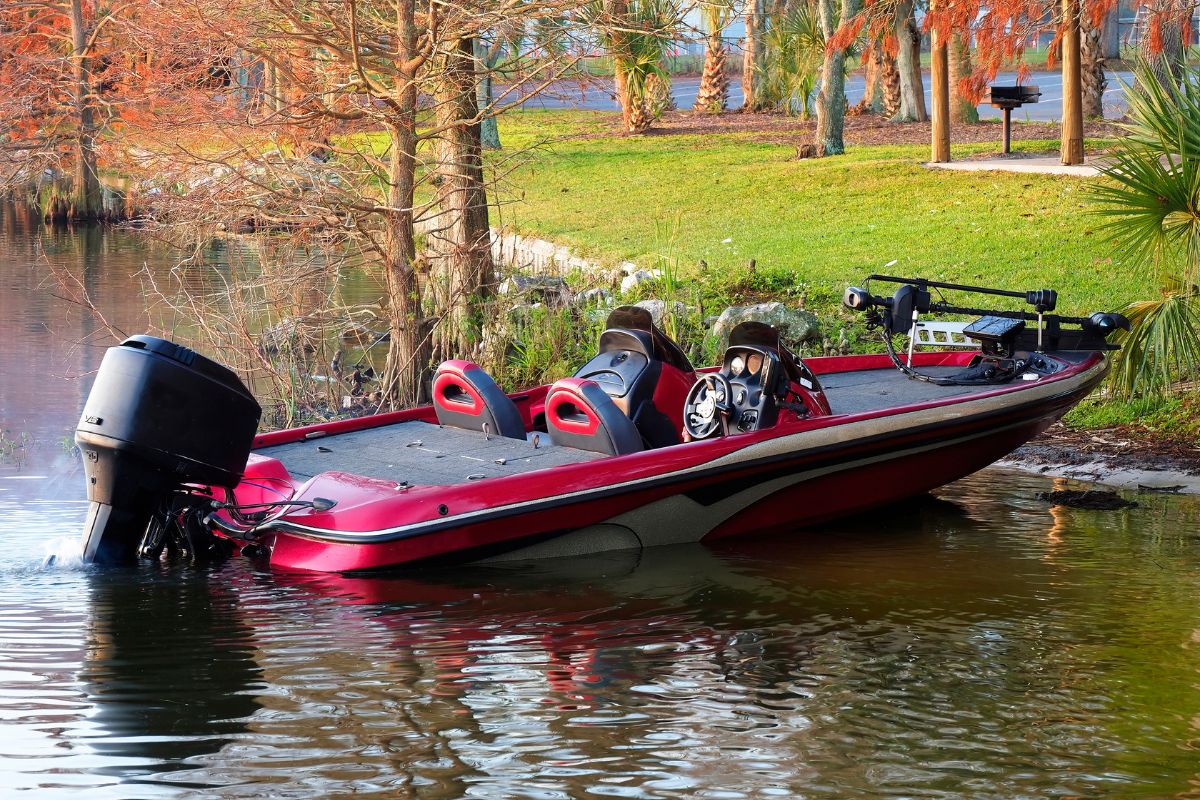
Essential Boat Maintenance Parts to Check This Summer
Summer is one of the busiest seasons for boat owners.
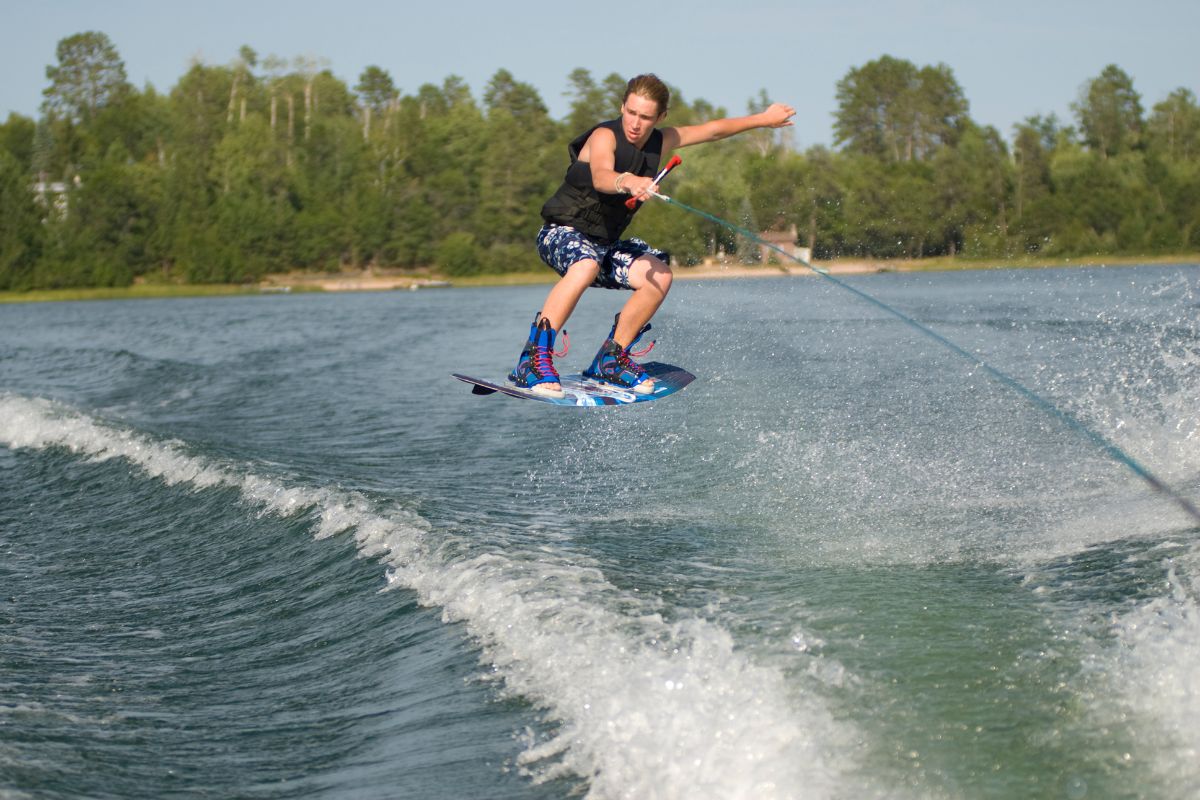
2026 Wakeboard Gear Guide: New Boards, Bindings & Must-Have Accessories
As winter fades and the water begins to warm, riders
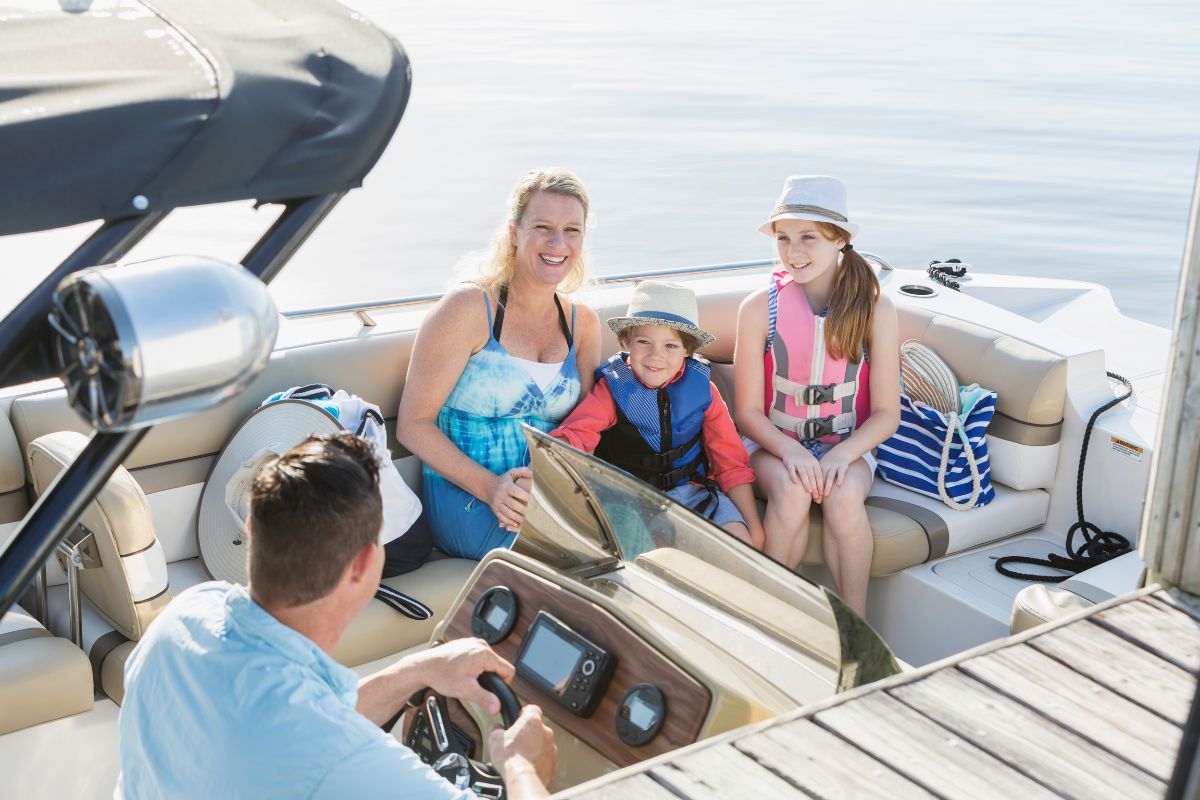
Must-Have Boat Accessories for Every Boater
Boating in 2026 is more advanced, comfortable, and technology-driven than
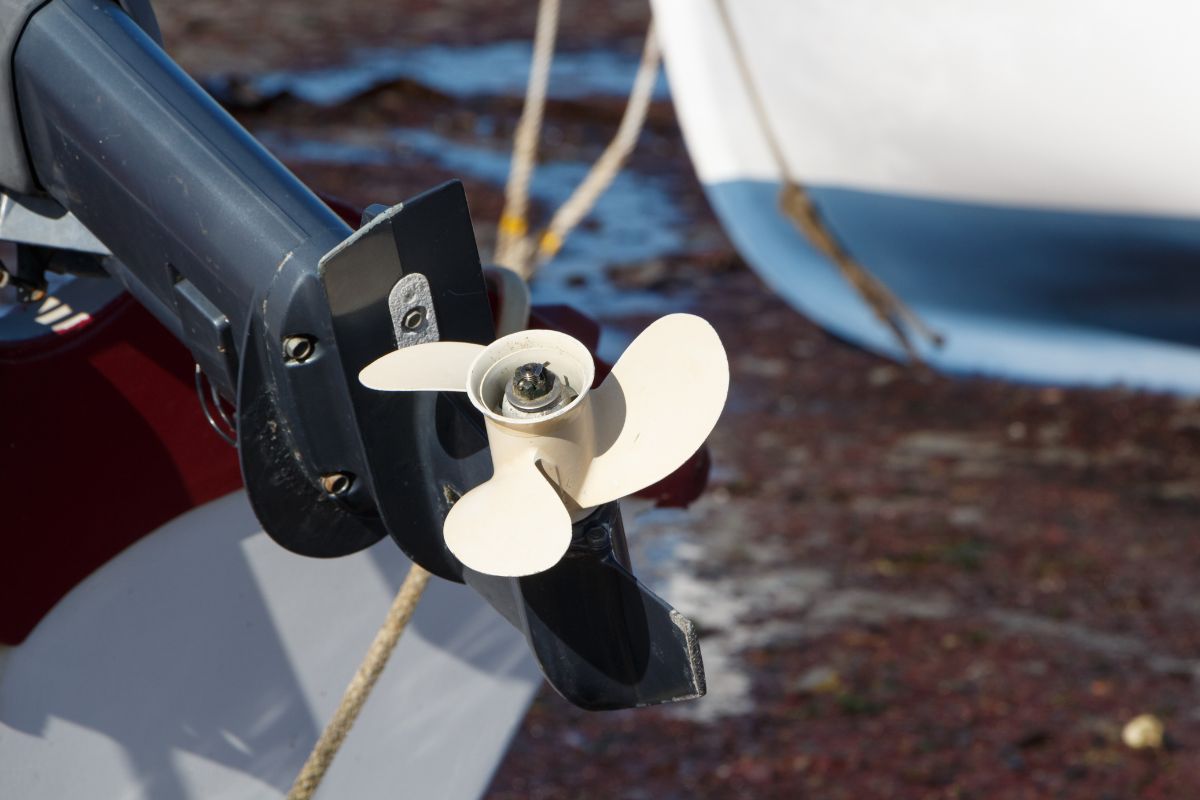
The Best Replacement Parts for Boats in 2026
Boat ownership in 2026 is all about reliability, efficiency, and
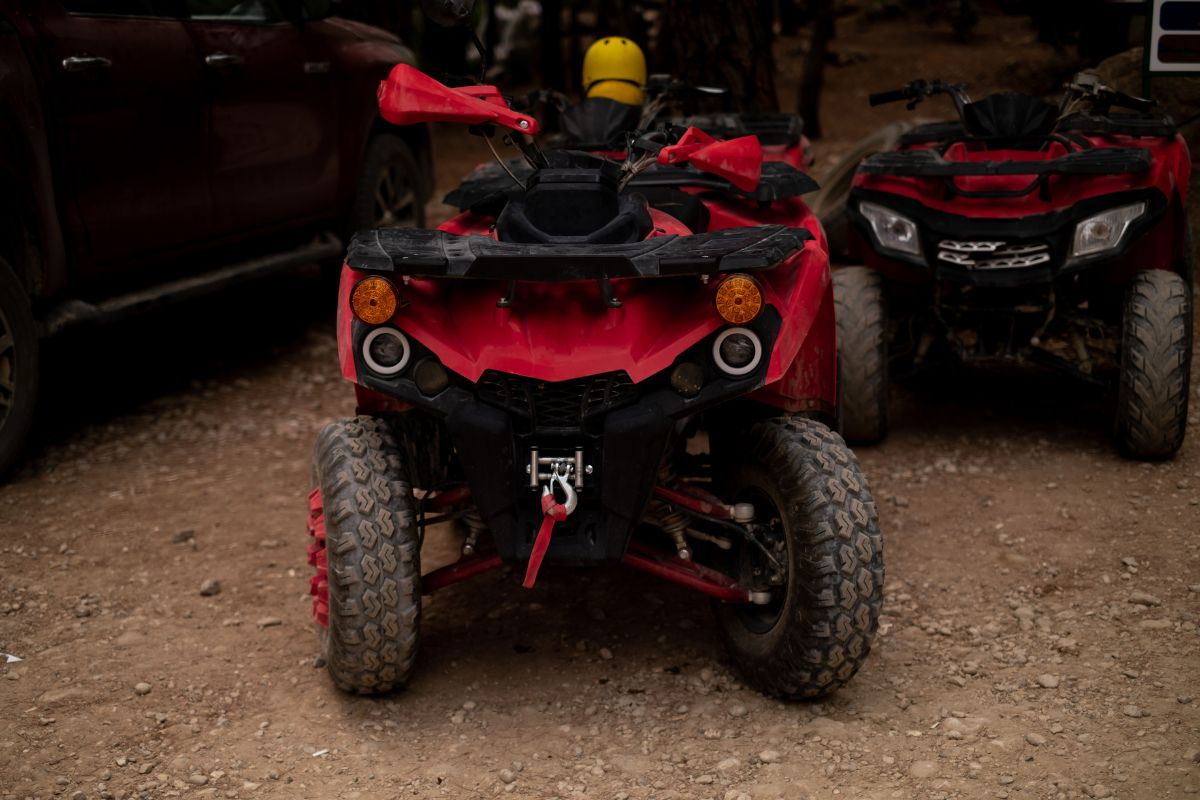
Preparing for the 2026 Power Sports Season: Top Helmets, Gloves & Accessories to Gear Up Safely and Stylishly
As the 2026 power sports season approaches, riders across the
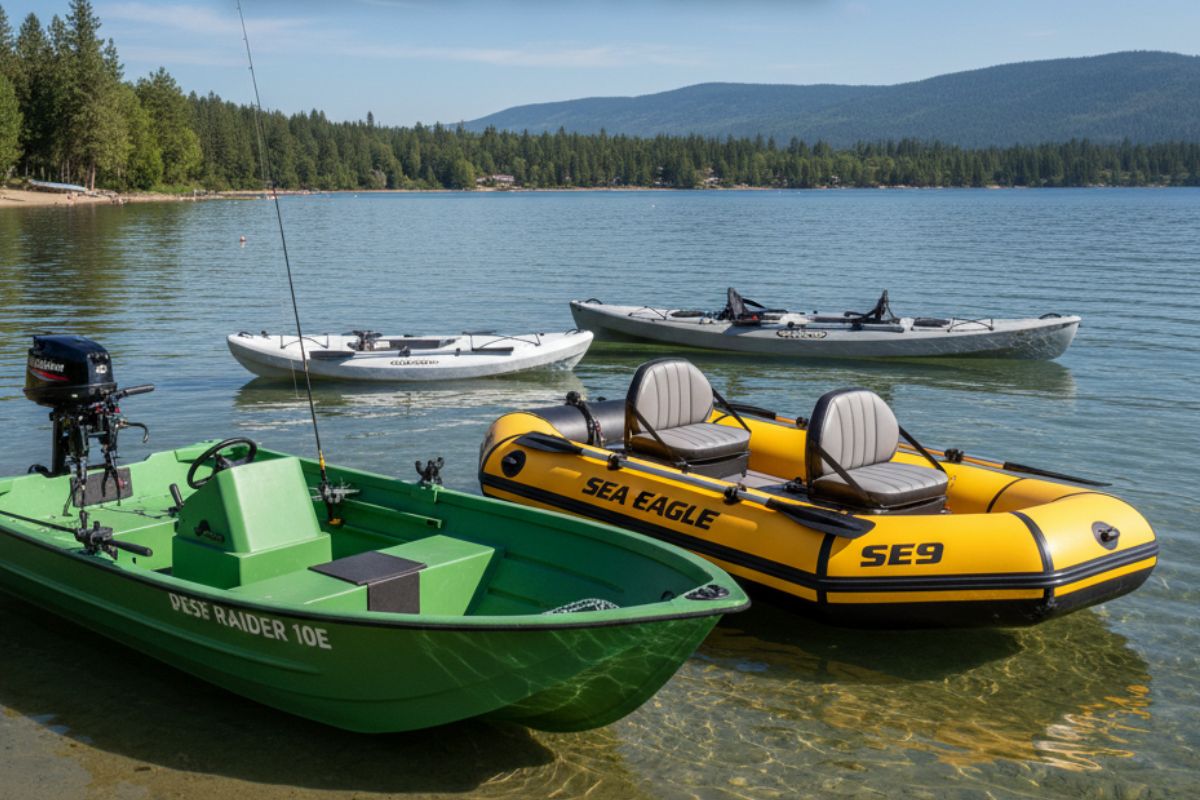
Best New Boats Under $1,000 for 2026
Finding high-quality boats under $1,000 is still possible in 2026.