
Seasonal Survival: Adapting Your Skills to Winter, Summer, and Beyond
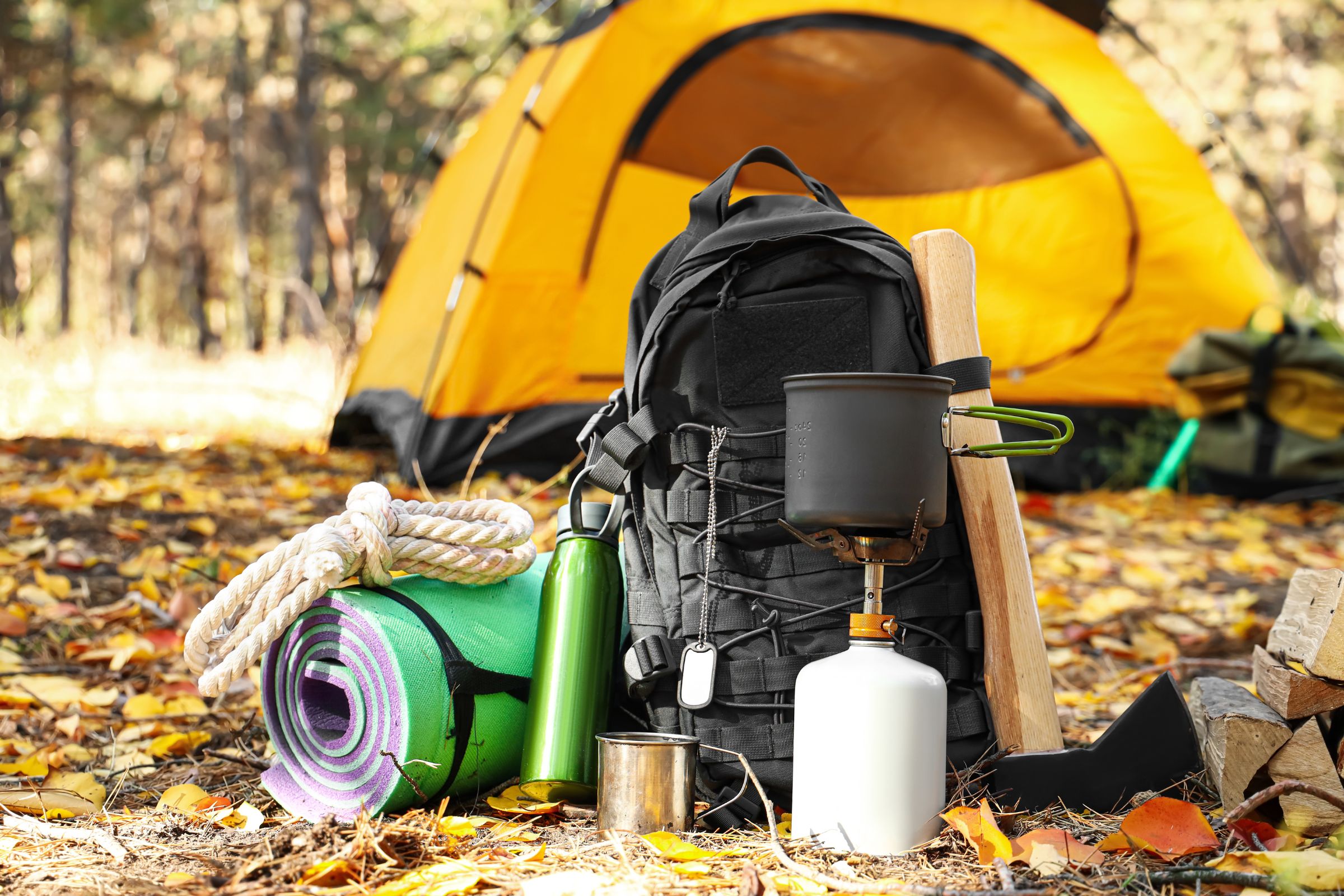
Survival in the wilderness requires adaptability, as every season brings unique challenges. Whether braving the cold of winter or the sweltering heat of summer, knowing how to adjust your strategies for each season is essential. Here’s a breakdown of key survival techniques to help you thrive in any climate.
Winter Survival: Staying Warm and Prepared
Winter poses one of the most demanding survival scenarios, with freezing temperatures and limited resources. The primary focus in winter survival is staying warm and avoiding hypothermia.
- Shelters: Build an insulated shelter, like a snow cave or lean-to, that traps body heat and shields you from wind. Use natural materials such as evergreen boughs for insulation.
- Fire Starting: Master fire-starting techniques, including using waterproof matches, ferro rods, or dry tinder like birch bark. Fire not only warms but also boosts morale.
- Trapping: Food sources are scarce, making small-game trapping essential. Use simple snares to catch rabbits or squirrels.
- Clothing and Gear: Layering is critical. Start with moisture-wicking base layers, followed by insulating layers like wool or fleece, and finish with a waterproof outer layer.
Summer Survival: Managing Heat and Hydration
Surviving summer conditions often means combating heat, dehydration, and sun exposure.
- Shelters: Focus on shade. Build a simple lean-to or find natural cover to protect yourself from the sun.
- Water: Hydration is paramount. Learn to locate water sources such as streams, springs, or morning dew. Always purify water using boiling, filtration, or purification tablets.
- Fire Starting: While fire may not be needed for warmth, it’s essential for cooking and warding off insects. Use a fire pit to control heat and avoid spreading flames.
- Gear: Lightweight, breathable clothing and a wide-brim hat are essential for sun protection. Pack high-energy snacks to maintain stamina.
Spring and Fall: Navigating Transition Seasons
Spring and fall are transitional seasons with unpredictable weather. Versatility is key during these times.
- Shelters: Prepare for rain and fluctuating temperatures. A tarp shelter or waterproof tent provides flexibility.
- Foraging and Herbs: These seasons are ideal for learning botany. Identify edible plants and medicinal herbs for nourishment and first aid.
- Layering: Keep a mix of warm and light clothing to handle fluctuating temperatures.
Final Thoughts
Surviving in the wilderness requires more than basic bushcraft skills. By tailoring your approach to the challenges of each season, you can stay prepared, safe, and comfortable year-round. Adaptability and preparation are the keys to thriving in the great outdoors.


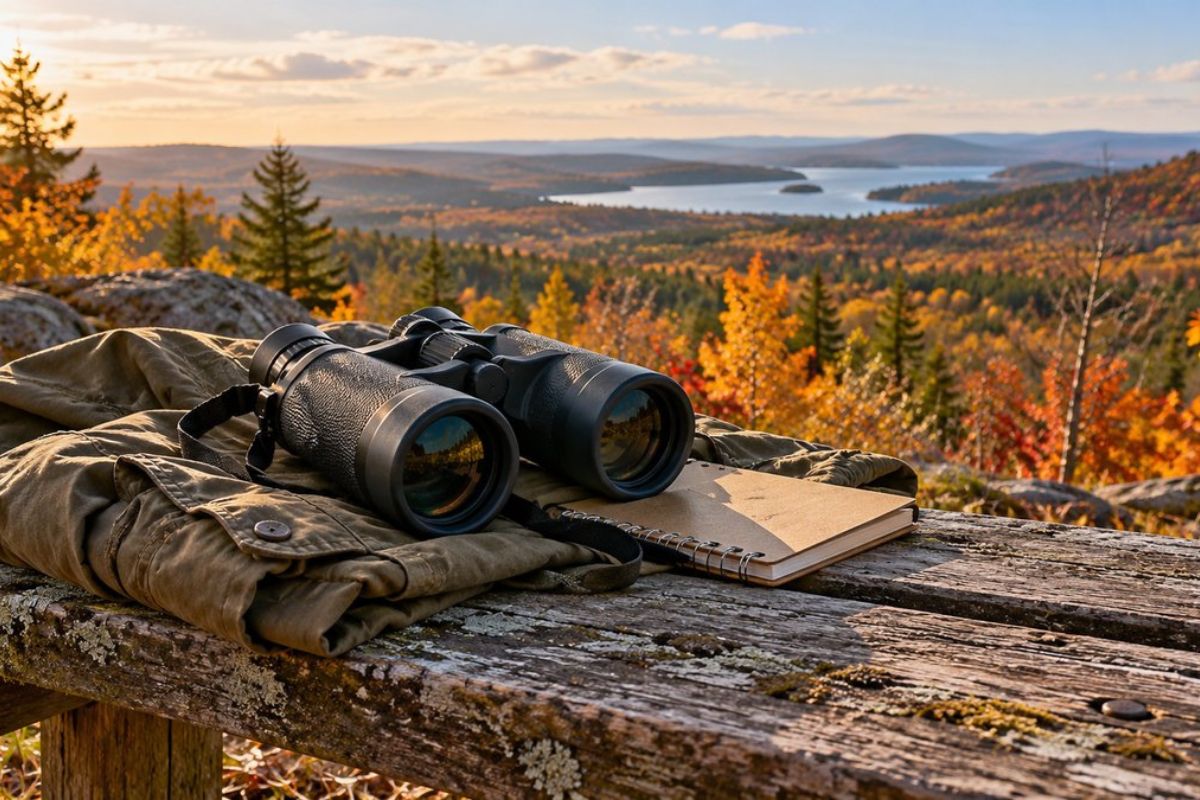
A Quieter Carry: Organize Your Hunting Binoculars and Field Notes
A zipper catches your glove. A loose buckle taps
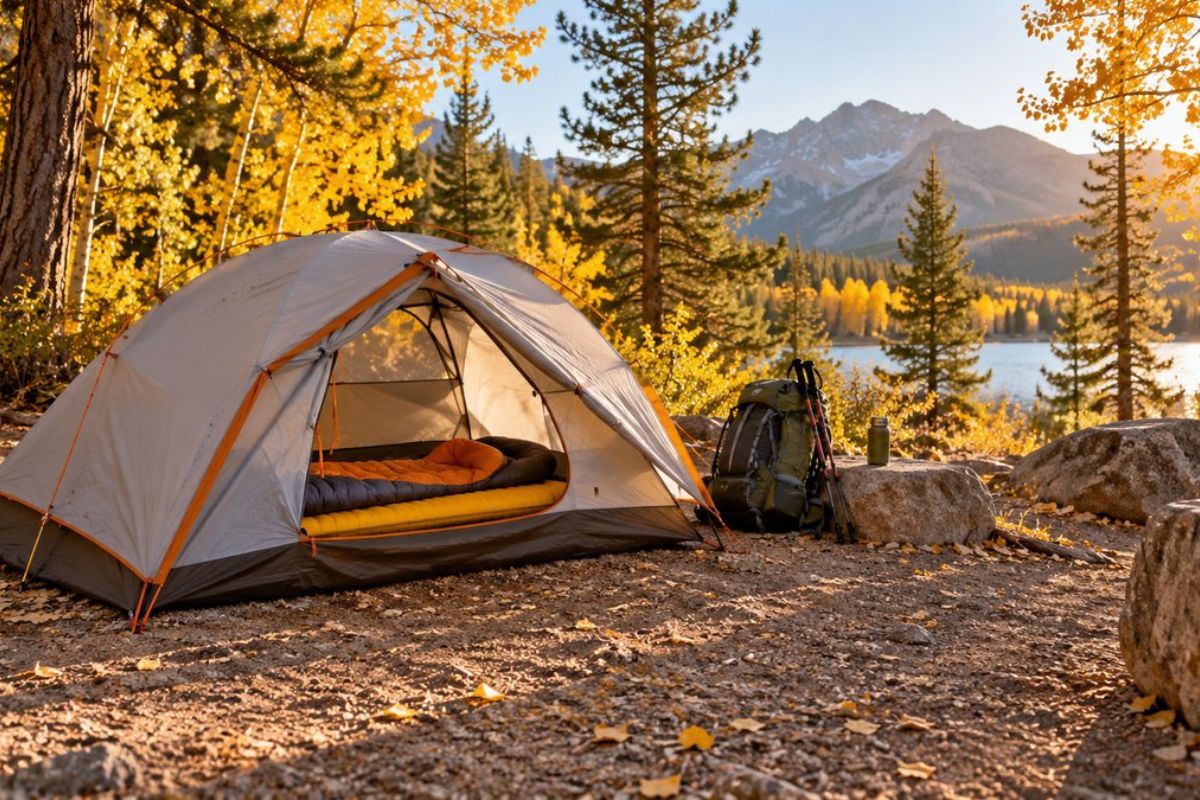
Cold at 3 A.M.? Rethink Your Fall Camping Sleep System
The evening was perfect. Dinner tasted better outdoors, the
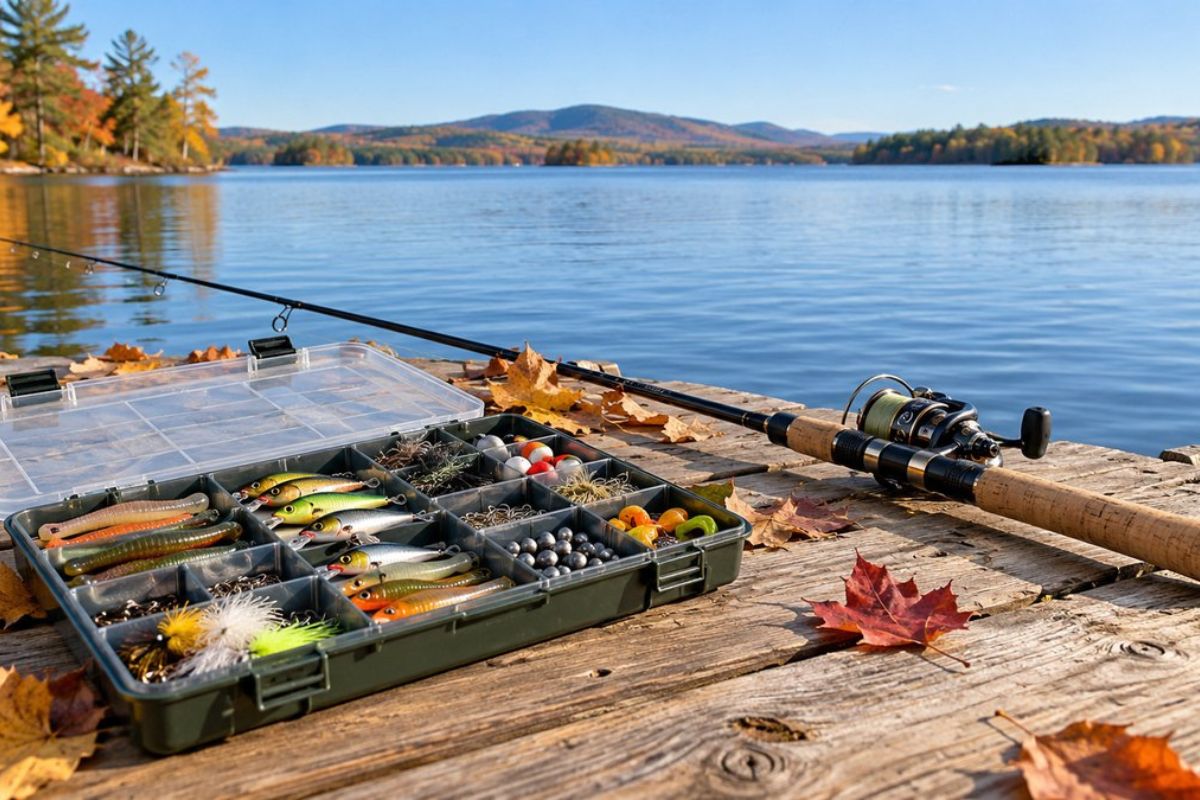
The Fall Tackle Box Reset: Pack for the Water in Front of You
Somewhere beneath the spare hooks and mystery soft plastics
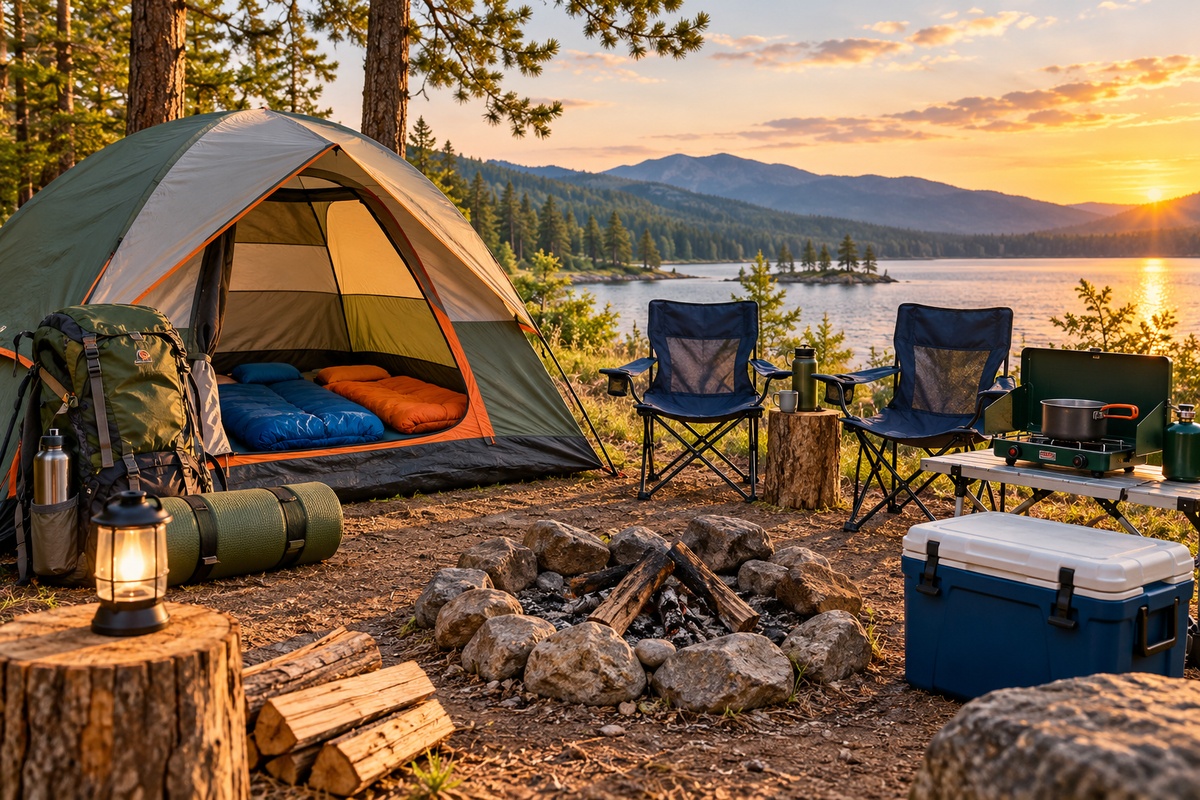
Camping Checklist: What You Really Need for Your Trip
Whether it's your first camping trip or you are a

Best Snorkeling Destinations during Winter Months for Beginners
Snorkeling in a warm location is one of the easiest
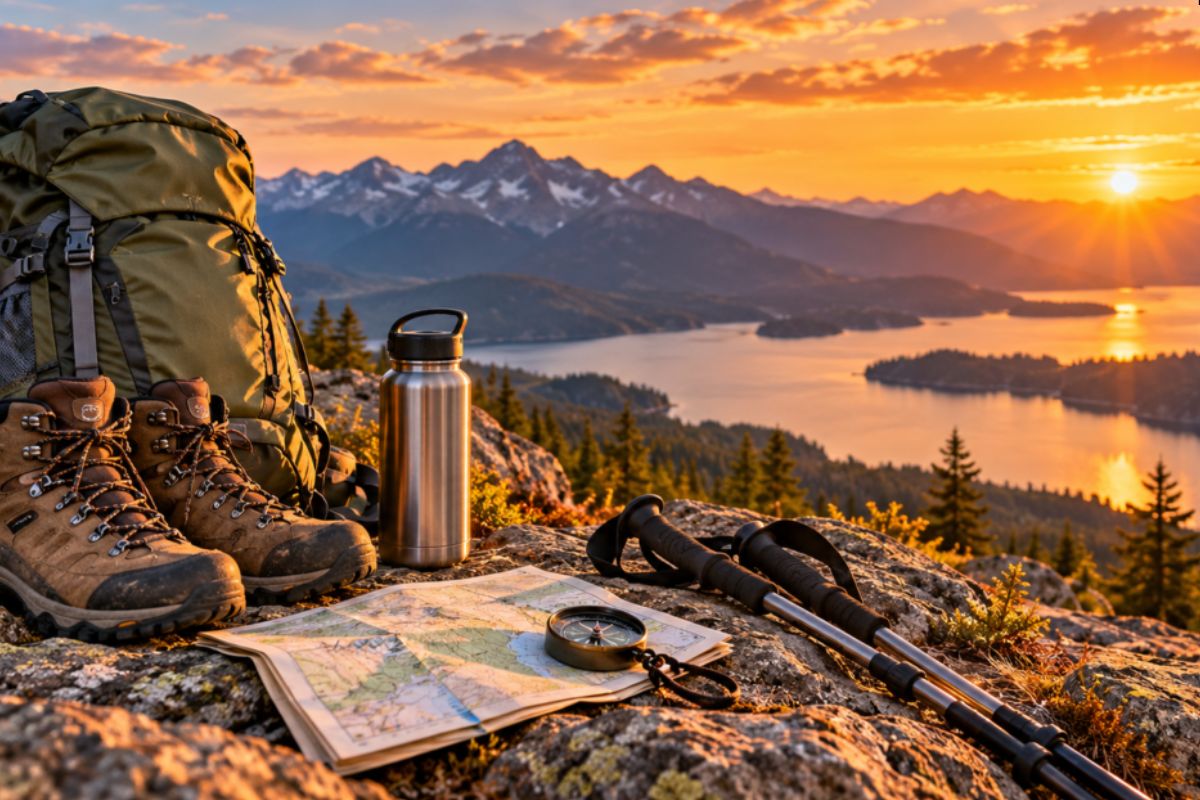
Adventure Starts with Having the Right Gear
There’s something exciting about getting ready for a new