Camping Checklist: What You Really Need for Your Trip
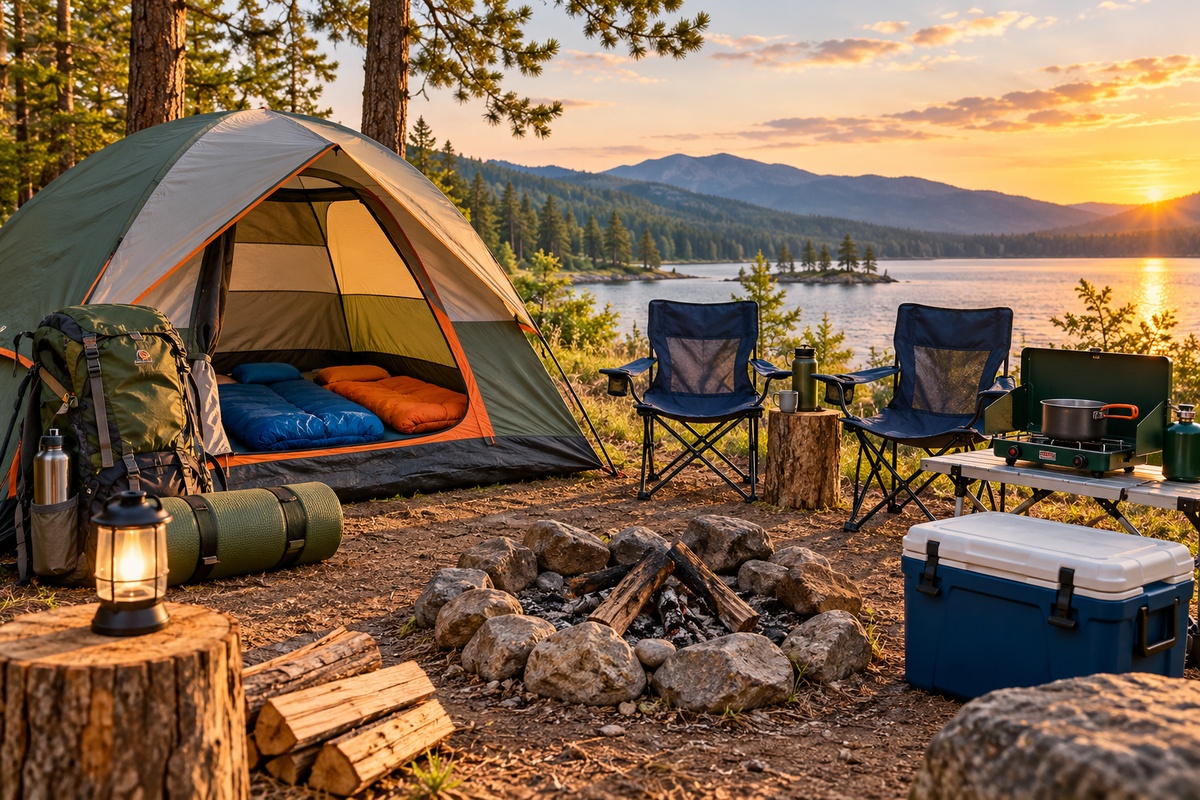
Whether it’s your first camping trip or you are a seasoned camper, you do not require a garage full of specialized equipment. It requires a dependable shelter, a comfortable sleep system, enough food and water, appropriate clothing, lighting, and a few basic safety items. Packing around those needs makes camping easier and helps prevent the common mistakes of bringing far more gear than the trip requires.
The goal is not to create a perfect campsite on the first attempt. It is to stay safe, sleep reasonably well, eat, and discover which comforts matter most to you. Explore Gear’s camping section offers additional guides for campers who want to build skills and refine their gear over time.
Start with a Reliable Tent
Your tent is your primary shelter from wind, light rain, insects, and nighttime conditions. Choose a tent with enough room for the people and sleeping gear you plan to bring, remembering that advertised capacity can feel tight when everyone has bags inside. A slightly larger tent is often more comfortable for car camping where weight is not a major concern.
Set the tent up at home before the trip. This confirms that all poles, stakes, guylines, and components are present and gives you practice before you are working in fading light or bad weather. Bring a footprint or ground protection when appropriate for the tent and campsite.
Build a Comfortable Sleep System
A sleeping bag alone may not keep you comfortable because insulation underneath your body is just as important as insulation on top. A sleeping pad adds cushioning and helps reduce heat loss to the ground. Choose a sleeping bag and pad appropriate to the expected temperature rather than relying on a generic setup for every season.
A pillow, clean sleep clothing, and dry socks can make camp feel much more comfortable at night. Keep sleep gear protected from rain and spills throughout the day. Once bedding becomes wet, even a mild night can become unpleasant quickly.
Bring Enough Water
Water planning depends on the campground and activity. Some developed campgrounds provide potable water, while remote sites may require you to bring water or use an appropriate treatment system. Confirm the situation before leaving rather than assuming a faucet will be available.
Bring reusable bottles for each camper and extra water for cooking and cleaning when needed. Warm weather, hiking, and altitude can increase how much you drink. Having a little extra is much better than rationing water because the planned source was unavailable.
Keep the Camp Kitchen Simple
Your first trip does not need a complicated menu. Easy meals that use a small number of ingredients and one cooking method reduce cleanup and leave more time for exploring. A camp stove, fuel, lighter or ignition method, pot or pan, utensils, plates, cups, and basic cleaning supplies can cover many simple meals.
Store food according to campground rules and wildlife conditions. Coolers need enough ice or cold packs to keep perishable food at safe temperatures, and wildlife-resistant storage may be required in some areas. Check destination-specific rules before deciding where food and scented items will stay overnight.
Do Not Forget Lighting
Camp becomes very different once the sun goes down. A headlamp is one of the most useful pieces of camping gear because it keeps both hands free while cooking, walking, setting up, or finding something inside the tent. A lantern can provide broader light around the table or shared campsite.
Bring spare batteries or a charging plan appropriate to the type of lights you use. Everyone should know where a light is located before going to sleep. Searching through a dark tent for the only flashlight is an easy problem to avoid.
Pack Clothing in Layers
Outdoor temperatures can change quickly after sunset or when weather moves through. Pack layers that can be added and removed instead of relying on one heavy piece of clothing. A rain shell, insulating layer, comfortable base clothing, extra socks, and suitable footwear cover many common camping conditions.
Do not assume summer afternoons mean warm nights, especially in mountains or deserts. Check both daytime and overnight forecasts for the specific campground. Keep at least one dry set of clothing protected in a bag or vehicle.
Bring Basic Safety Supplies
A first-aid kit, sun protection, insect protection, any needed medications, and a basic emergency plan belong on every camping checklist. A whistle, map, navigation tools, and backup power for a phone may also be appropriate depending on the location. The farther you are from services, the more self-sufficient your plan should become.
Tell someone where you are going when camping in more remote areas and know how to contact help if necessary. Campsites can lose cellular coverage even when they are not far from a town. Planning for a communication gap is better than discovering it during an emergency.
Add Comfort Without Packing the House
Camp chairs, a small table when one is not provided, a doormat, and an organized storage bin can make car camping more comfortable. The challenge is knowing when convenience becomes clutter. Beginners often learn more from one simple trip than from buying every accessory before they know what they actually enjoy.
After the trip, make a note of what you used constantly, what you never touched, and what you wished you had brought. That list becomes the best personalized camping checklist for the next outing. Your gear system should become simpler and more efficient with experience.
Start Close to Home
A first camping trip does not need to involve a remote wilderness destination. A campground within an hour or two of home can provide the full experience while keeping forgotten items, changing weather, or an uncomfortable night manageable. Short trips are ideal for learning how your equipment works.
Explore Gear is built around helping people try outdoor activities without assuming they already know everything. Start with the essentials, accept that you will learn a few lessons, and focus on enjoying the time outside. Camping becomes much easier once the gear stops feeling mysterious and starts feeling familiar.
Outdoor gear can make an adventure safer and more comfortable, but more gear does not automatically create a better experience. The most useful equipment is the gear that matches the activity, fits properly, works in the expected conditions, and solves a problem you are actually likely to encounter. Choosing well starts with understanding the trip rather than starting with a shopping list.
Explore Gear covers a broad range of activities including fishing, camping, water sports, winter recreation, hunting, hiking, and general outdoor adventure. That variety highlights an important truth: there is no universal gear kit for every outing. The right equipment for a beach snorkeling trip looks very different from what you need for a cold-weather camp or day on the lake.
Start with the Activity
Before buying anything, define what you are actually planning to do. A two-mile local hike does not require the same pack, footwear, navigation tools, or emergency equipment as a multi-day backcountry route. A casual campground weekend also has very different needs from a remote camping trip where every item must be carried.
Building the gear list around the activity keeps marketing from driving the decision. Ask what problems the equipment needs to solve, how long you will use it, and what conditions it must handle. If you cannot explain why an item belongs in the kit, it may not need to come along.
Check Weather and Environment
Gear performs within a specific environment, and weather can turn a good product into the wrong product quickly. Footwear, clothing, shelter, insulation, sun protection, and water capacity should all reflect expected conditions. Research the destination rather than relying only on the weather where you live.
Consider elevation, wind, precipitation, humidity, water temperature, insects, terrain, and how quickly conditions can change. A warm afternoon does not guarantee a warm night, and clear skies at a trailhead do not mean the entire route will stay dry. Versatile layers and realistic preparation often matter more than one highly specialized item.
Fit Matters More Than Brand
Many outdoor products interact directly with your body, including boots, backpacks, life jackets, masks, helmets, and clothing. A popular product with great reviews can still be a poor choice if it does not fit you correctly. Comfort problems often become much more noticeable after several hours of use.
Try fit-sensitive gear whenever possible and test adjustments before the trip. A backpack should distribute weight correctly, footwear should accommodate the socks you plan to wear, and safety equipment should remain secure during movement. The best gear is not the product everyone else recommends; it is the product that works for your body and activity.
Do Not Compromise on Safety Equipment
Some gear exists primarily to make an outing more comfortable, while other equipment plays a direct safety role. Personal flotation devices, helmets, climbing equipment, navigation tools, lighting, first-aid supplies, and weather protection deserve careful attention. Follow manufacturer guidance and replace damaged or expired safety items when required.
Buying the cheapest possible option is not always the smartest approach when equipment protects against serious consequences. That does not mean the most expensive product is automatically safest, either. Look for appropriate standards, correct sizing, reliable construction, and suitability for the actual activity.
Balance Durability and Weight
Heavy-duty gear can be durable but burdensome, while ultralight equipment may reduce weight at the expense of price, comfort, or ruggedness. The right balance depends on how far you carry the equipment and how hard you use it. Car campers can tolerate items that would feel unreasonable in a backpack.
Think about the complete system rather than obsessing over one product. Saving a few ounces on ten different items may matter to a long-distance hiker, while it may be irrelevant to someone setting up beside a vehicle. Weight matters when it affects the experience, not because a specification sheet says lighter is always better.
Spend More Where You Notice the Difference
Outdoor budgets are easier to manage when you identify the items that most affect comfort, safety, or performance. Hikers may prioritize footwear and a well-fitting pack, campers may invest in a sleep system, and snorkelers may care most about a mask that seals properly. Less critical accessories can often remain simple.
Frequency of use should also influence spending. An item used every weekend can justify a different investment than something needed once for a vacation. Renting or borrowing specialty equipment can be a smart way to learn what you like before buying your own.
Read Reviews with Context
Reviews are most helpful when the reviewer uses the product the way you intend to use it. A complaint from a winter backpacker may not matter to a summer car camper, while praise from a casual user may not tell you whether a product survives frequent hard use. Look for patterns rather than reacting to one extreme opinion.
Pay attention to details about durability, sizing, maintenance, actual conditions, and long-term use. Sponsored or promotional content can still be informative, but it should be read with an understanding of the relationship being disclosed. The strongest buying decision combines reviews with your own needs rather than outsourcing the choice completely.
Choose Gear That Works Together
A great individual product can become frustrating if it does not integrate with the rest of your setup. Make sure stove fuel is compatible, electronics can be charged, tent components fit your packing system, and straps or mounts work with the equipment you already own. Small compatibility problems can create surprisingly large inconveniences in the field.
This is especially important when combining new and old gear. Test the full system at home before a major trip rather than assuming every connection will work. A backyard setup, short hike, or local practice session can reveal problems while you still have time to fix them.
Buy for the Adventure You Actually Take
It is easy to shop for an imagined future version of yourself who climbs bigger mountains, camps every weekend, or needs professional-grade equipment. Start with the adventures you are realistically planning now and let your gear evolve as your skills and interests grow. Experience will teach you which upgrades are worth paying for better than advertising ever can.
Explore Gear’s Explore More content is designed to help outdoor enthusiasts discover equipment, activities, and ideas across many kinds of adventure. You can also explore dedicated sections for camping, fishing, and water sports. Choose dependable basics, learn from each trip, and build a gear collection around the life you actually enjoy outdoors.
Camping Checklist: What You Really Need for Your Trip
Whether it's your first camping trip or you are a
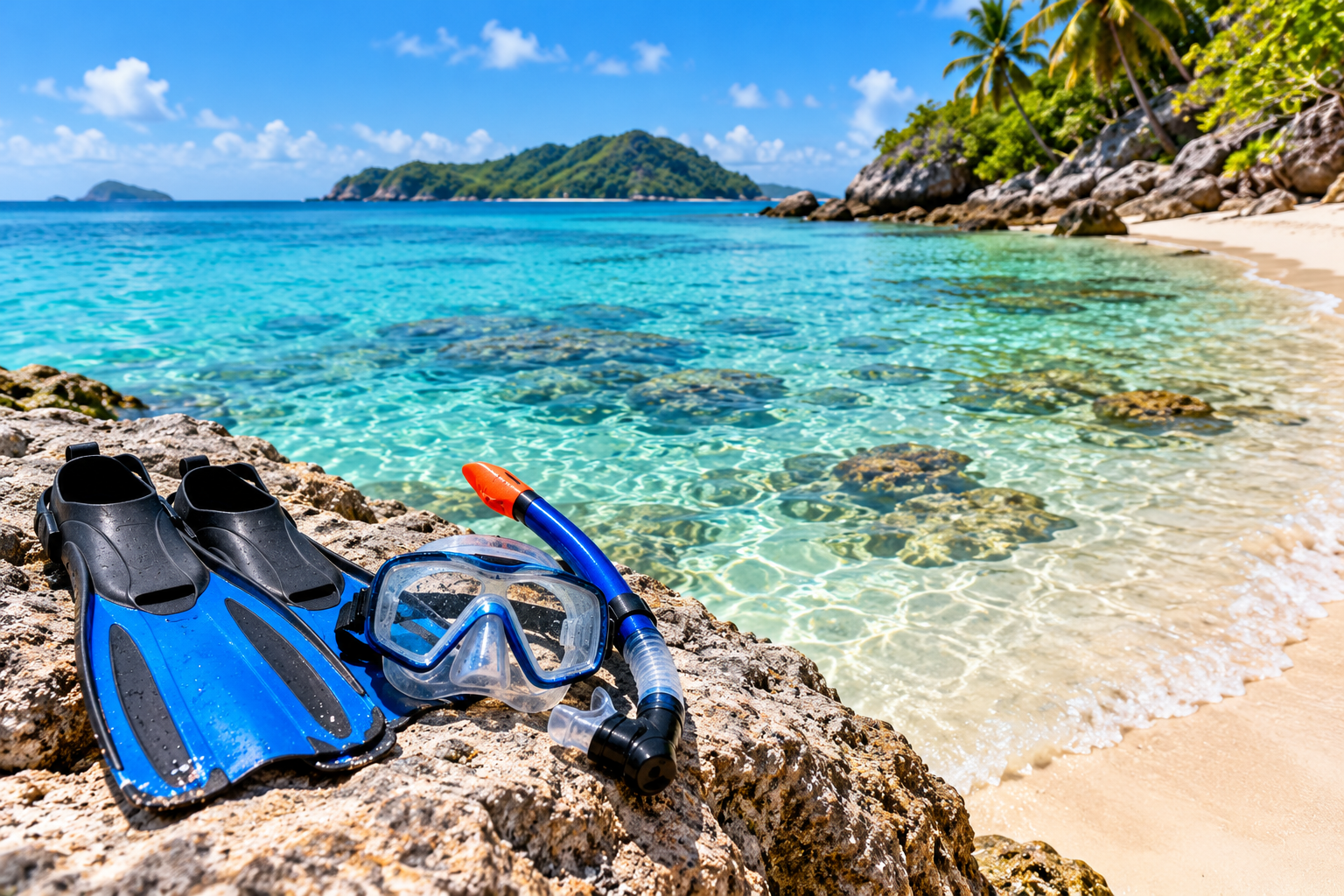
Best Snorkeling Destinations during Winter Months for Beginners
Snorkeling in a warm location is one of the easiest
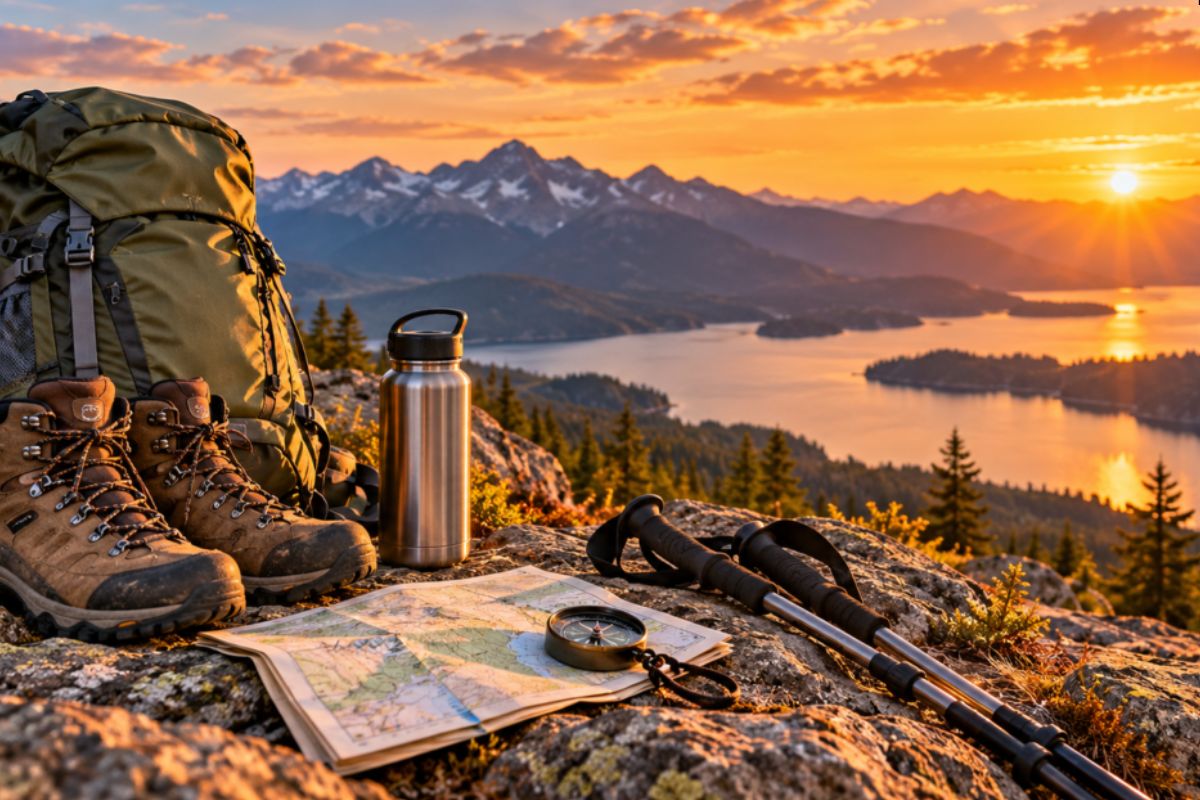
Adventure Starts with Having the Right Gear
There’s something exciting about getting ready for a new
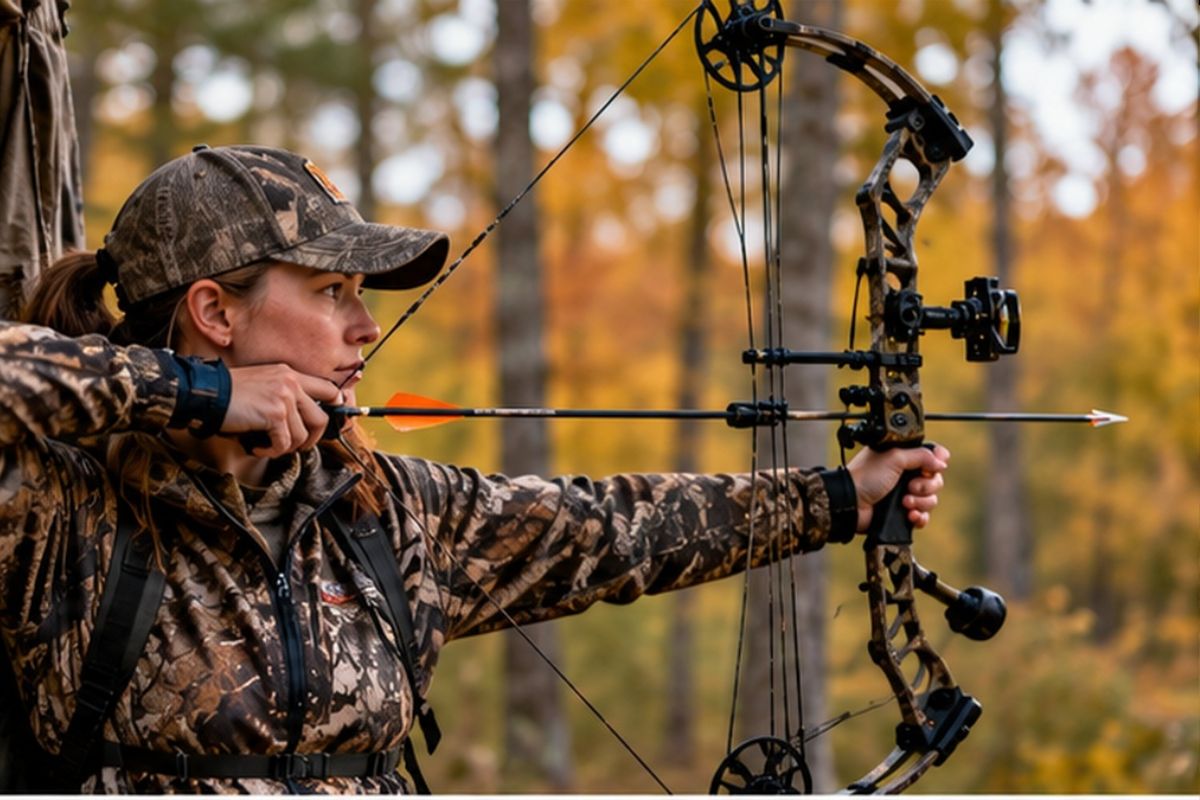
How to Get Started Bow Hunting
Bow hunting gives hunters a quiet and challenging way
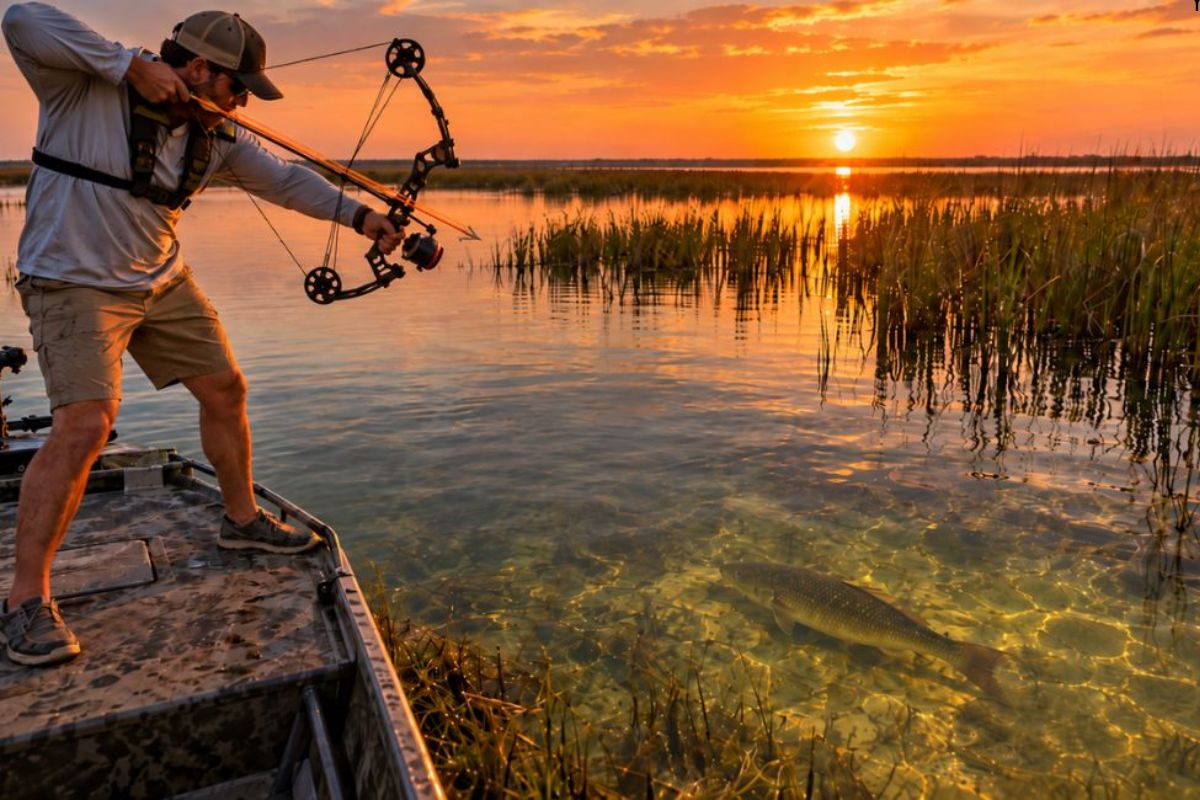
Bowfishing Basics for Beginners
Bowfishing combines parts of archery and fishing into one
When Is Hunting Season
One of the first questions new hunters ask is