
Best Snorkeling Destinations during Winter Months for Beginners
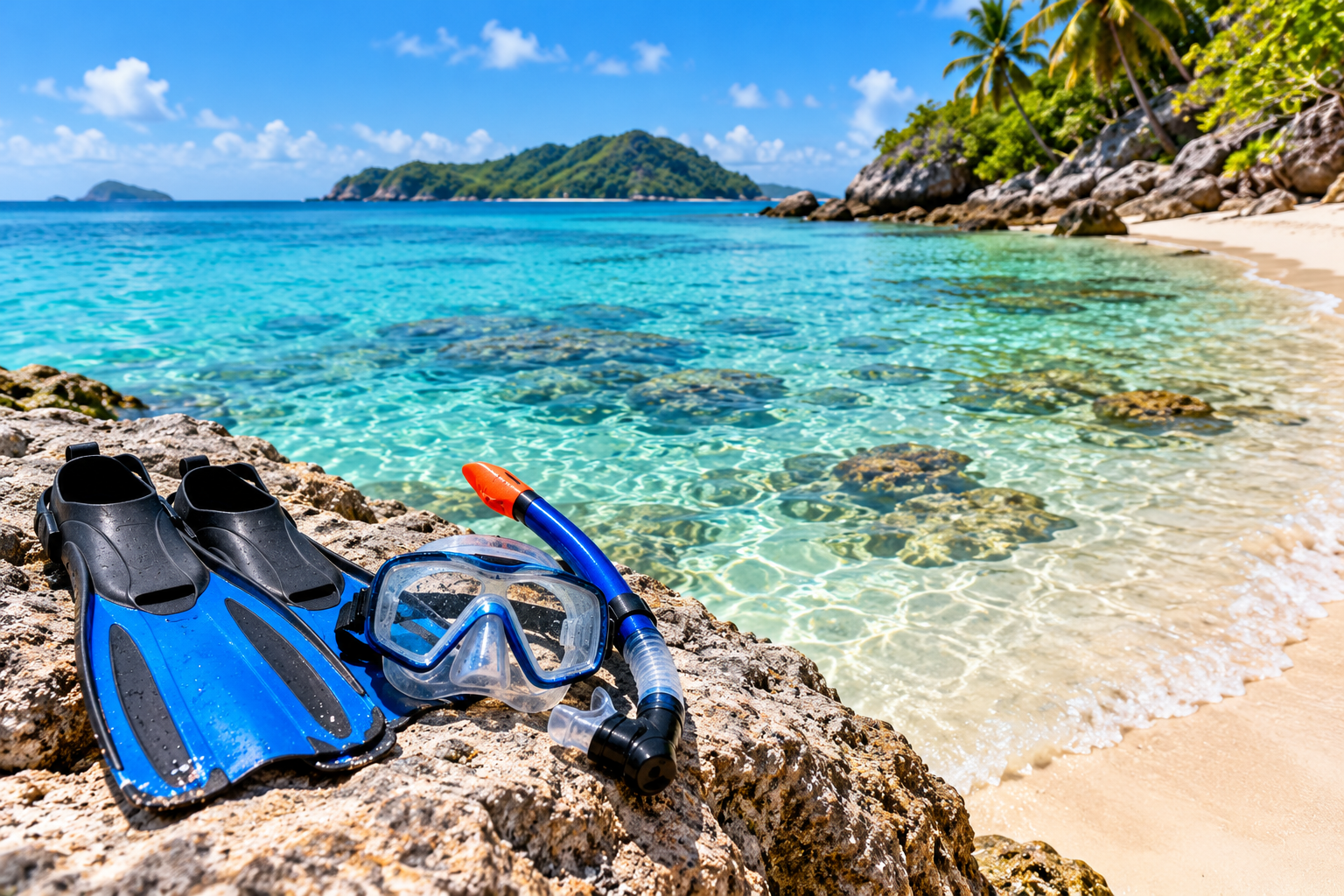
Snorkeling in a warm location is one of the easiest ways to add adventure to a beach vacation to get away from the cold during winter. Snorkeling requires less training and equipment than scuba diving while still opening up an entirely different world below the surface. For beginners, the destination matters almost as much as the gear because calm water, easy shore access, good visibility, and nearby support can make the first experience much more enjoyable. Choosing a location that matches your comfort level gives you more time to relax, practice, and actually notice the fish, coral, rocks, and other marine life around you.
Explore Gear covers outdoor activities for beginners and experienced adventurers alike, including a growing collection of water sports guides. If snorkeling is new to you, it helps to start with a place known for protected bays, shallow reefs, or guided excursions rather than immediately looking for the most dramatic offshore site. The goal of a first snorkeling trip should be confidence, comfort, and curiosity rather than checking off the most difficult location on a travel list.
What Makes a Snorkeling Destination Beginner-Friendly?
Good beginner snorkeling usually starts with calm, clear water and an entry point that does not require fighting strong surf or climbing over sharp rocks. Shallow areas are helpful because beginners can stand, rest, or return to shore easily while learning how the mask, snorkel, and fins feel in the water. Easy access also makes it simpler to adjust equipment without feeling rushed or pressured by a boat schedule.
Local conditions can change even at well-known snorkeling beaches, so beginners should still check weather, surf, tides, and local safety guidance before entering the water. A beach that is gentle in the morning may be rougher later in the day, and seasonal changes can affect visibility or currents. When in doubt, a reputable local guide can help you choose a safer area for your skill level.
Florida Keys: Easy Access to Warm-Water Adventure
The Florida Keys are a popular choice for travelers who want snorkeling, boating, fishing, and other water activities in the same trip. Beginners can find guided snorkeling excursions as well as shore-access options, which makes it easier to choose an experience that matches swimming ability and confidence. The region can also work well for families because one person can snorkel while others enjoy beaches, paddling, fishing, or sightseeing.
For a first outing, a guided trip can remove some of the guesswork around where to enter, what conditions are suitable, and what marine life you may encounter. Explore Gear’s guide to water sports destinations in the United States also highlights destinations where travelers can enjoy several ways to get on and under the water. That variety makes a beach vacation especially useful for groups that want more than one type of outdoor experience.
Hawaii: Beautiful Water with Plenty of Options
Hawaii offers many snorkeling opportunities, from protected bays to beaches where reef fish can sometimes be seen close to shore. The islands also offer a wide range of guided tours, equipment rentals, and beginner instruction, which can help first-time snorkelers feel less intimidated. Because conditions vary greatly from one beach to another, choosing a protected location and following local lifeguard guidance is especially important.
Hawaii can be appealing to families or mixed-experience groups because stronger swimmers and beginners do not necessarily need to choose the same activity every day. A snorkeling morning can be combined with hiking, sightseeing, paddling, or simply relaxing on the beach. That flexibility gives beginners room to learn without making the entire vacation depend on one water activity.
The Caribbean: Calm Coves and Clear Water
Many Caribbean destinations are known for warm water, clear visibility, and protected coves that can be comfortable for new snorkelers. Islands and resort areas may offer snorkeling directly from the beach, while others provide short boat rides to shallow reefs. The best choice depends on whether you prefer independent shore snorkeling or the structure and support of a guided excursion.
When comparing destinations, look beyond beautiful photos and check how easy it is to enter the water, how far you need to swim, and whether currents are common at the site. Beginners often enjoy a smaller protected area more than an exposed reef with stronger water movement. A simple location where you feel comfortable can produce a much better first experience than a famous site that is beyond your current ability.
What Gear Should a Beginner Bring?
The basic snorkeling setup includes a well-fitting mask, snorkel, and fins, but a few additional items can make the day easier. A rash guard or sun shirt provides sun protection, water shoes can help around rocky entries, and a dry bag can protect clothing, phones, and other essentials on the beach or boat. Reef-conscious sun protection, a towel, drinking water, and a small gear bag are also practical additions.
If you normally wear glasses or contact lenses, vision should be part of your gear planning rather than an afterthought. Prescription snorkeling masks can make underwater details much easier to see for people who need corrective lenses, and they may be more comfortable than trying to improvise with regular eyewear. Choosing the right mask is especially important because fit and visibility can determine whether snorkeling feels relaxed or frustrating.
Practice Before the Big Excursion
You do not need an ocean reef to practice using snorkeling gear. A swimming pool or calm shallow beach gives you a chance to learn how to breathe through the snorkel, clear small amounts of water, use your fins without kicking wildly, and adjust your mask. That practice can make the first real snorkeling excursion feel much less overwhelming.
It is also useful to learn what a proper mask seal feels like before you are surrounded by waves, people, and unfamiliar surroundings. Explore Gear’s guide to snorkeling, scuba diving, and freediving for beginners explains how snorkeling differs from more advanced underwater activities. Starting with basic skills and gradually adding more challenging environments is a smart way to build confidence.
Know Your Limits in the Water
Snorkeling may look easy, but it still takes place in an environment that can change quickly. Beginners should avoid swimming alone, stay aware of boats and other water users, and never assume that a calm-looking surface means there is no current. If you become tired, uncomfortable, cold, or anxious, returning to shore or the boat is always the right decision.
A flotation vest can also be helpful for some beginners, especially on guided excursions where the operator provides equipment designed for snorkeling. Using flotation is not a sign that you are doing the activity incorrectly; it can allow you to relax and focus on breathing and observing the water below. Comfort and safety create the conditions for a much more enjoyable experience.
Make the Destination Part of the Adventure
The best beginner snorkeling destination is not necessarily the one with the most famous reef. It is the place where you can enter the water comfortably, use gear that fits correctly, follow local guidance, and spend enough time in the water to enjoy what you are seeing. Once those basics become familiar, more adventurous sites will feel much more approachable.
Explore Gear is built around helping people find practical ways to get outside, try new activities, and #ExploreMore. Whether your first snorkeling trip takes you to Florida, Hawaii, the Caribbean, or a quiet beach closer to home, preparation can turn uncertainty into excitement. Pack thoughtfully, choose conditions that match your ability, and let the first trip be the beginning rather than the final test.


Camping Checklist: What You Really Need for Your Trip
Whether it's your first camping trip or you are a
Best Snorkeling Destinations during Winter Months for Beginners
Snorkeling in a warm location is one of the easiest
Adventure Starts with Having the Right Gear
There’s something exciting about getting ready for a new
How to Get Started Bow Hunting
Bow hunting gives hunters a quiet and challenging way
Bowfishing Basics for Beginners
Bowfishing combines parts of archery and fishing into one
When Is Hunting Season
One of the first questions new hunters ask is