
How to Ice Fish for Beginners: A Simple Guide to Getting Started
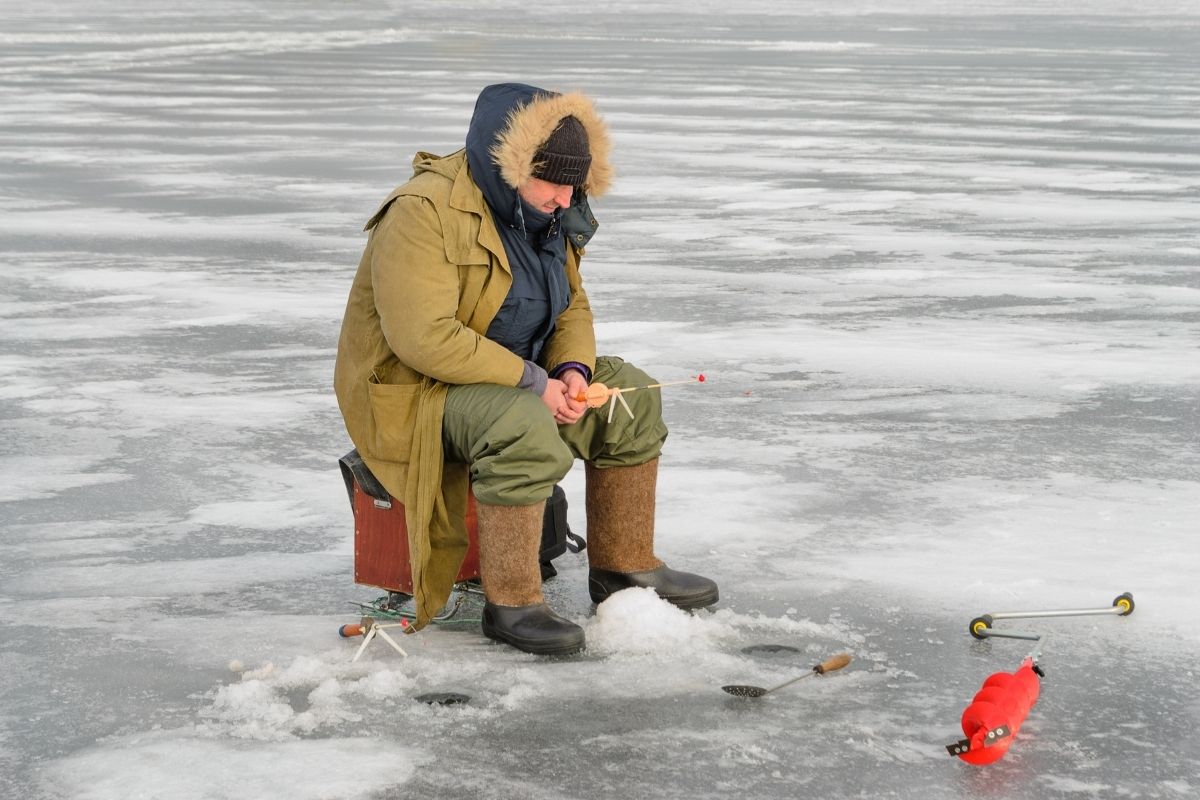
Ice fishing can look strange the first time you see it. A lake is frozen, snow covers the ground, and people sit over small holes in the ice. Under that frozen surface, fish are still swimming, feeding, and moving around.
Getting Ready for Your First Ice Fishing Trip
Safety should always come before catching fish. A frozen lake may look solid from shore, but the ice may not be the same everywhere. Weather, moving water, snow, sunlight, and changing temperatures can all affect ice strength. Before you go, learn about the lake you plan to fish. Check local ice reports and talk with people who know the area. A bait shop, fishing guide, park worker, or local angler may know which places should be avoided.
Never walk onto a frozen lake just because other people are already there. Conditions can change from one place to another and from one day to the next. If possible, go with an experienced ice angler on your first few trips. Dress for a long day in cold weather. Wear warm layers, waterproof boots, gloves, a hat, and dry socks. Keep basic safety items where you can reach them quickly.
Think about what kind of fish live in the lake before you go. Common ice fishing species include bluegill, crappie, perch, walleye, northern pike, and trout. Check local fishing rules for seasons, size limits, daily limits, and license needs.
How to Find Fish Under the Ice
Finding fish is one of the most interesting parts of ice fishing. You cannot always see where fish are moving because the lake is covered. Instead, you learn to think about what may be happening under the ice. Fish still need food, cover, and comfortable water during winter. Some fish stay near weeds, rocks, drop-offs, or changes in the lake bottom. Others move between shallow and deep water during different parts of the day.
If you fish the lake during summer, that knowledge can help in winter. Think about where you have caught fish before. A lake map can also help you find points, bays, deeper holes, and places where fish may gather. Underwater weeds can be a good place for beginners to start. Small fish may hide there, and larger fish may come close looking for food. Changes in depth can also be good because fish often travel along the edges between shallow and deeper water. Once you choose a safe spot, make a hole through the ice and clear away loose ice and snow. Keep the area neat so hooks and line are easy to see. If you are not getting bites, try another safe spot or a different depth.
How to Catch Fish Through the Ice
Once your fishing spot is ready, the basic idea is simple. Lower your bait or lure through the hole and into the water. Then move it in a way that makes it look like food to a fish. One common method is called jigging. Jigging means moving your bait or lure gently up and down. Small movements often work well because fish may move more slowly in cold winter water. Start with slow lifts and short pauses. A fish may bite while the bait is moving, but it may also bite while the bait is sitting still. Pay close attention to your fishing line because some bites can be very soft.
When you feel a bite, lift the rod to set the hook. You do not need a huge motion. A quick, firm lift is often enough. Bring the fish toward the hole with steady pressure. Small fish may come through easily, while larger fish may turn sideways near the bottom of the ice. Stay calm and guide the fish toward the opening instead of pulling too hard.
If the fish are not biting, change something. Try a different depth, move your bait more slowly, or make your jigging motion smaller. Small changes can turn a quiet fishing spot into an active one.
Staying Safe and Making Ice Fishing Fun
A good ice fishing trip should end with everyone getting home safely. Check ice conditions before and during your trip. Never assume that every part of a lake is safe because one area has good ice. Use extra care near streams, rivers, bridges, springs, and places where water enters or leaves a lake. Moving water can make ice weaker. Snow can also hide cracks, thin ice, and open water. It is smart to fish with another person, especially when you are new. Tell someone where you are going and when you expect to return. Check the weather before leaving home and change your plans if conditions become unsafe.
Once safety is covered, enjoy the day. Ice fishing is about more than the number of fish you catch. A quiet frozen lake, warm drinks, fresh snow, and time with people you care about can make a great winter memory. Do not worry if your first trip does not produce a big catch. Every angler has slow days. Each trip can teach you something about the lake, the fish, and the way winter conditions change.
Learning how to ice fish does not have to be hard. Start with a safe lake, learn a few basic methods, and keep things simple. The more time you spend on the ice, the more comfortable and confident you will become. Most of all, enjoy the adventure. Ice fishing gives you a chance to see a lake in a completely different way. Stay safe, keep learning, and you may find a winter tradition that brings you back year after year.


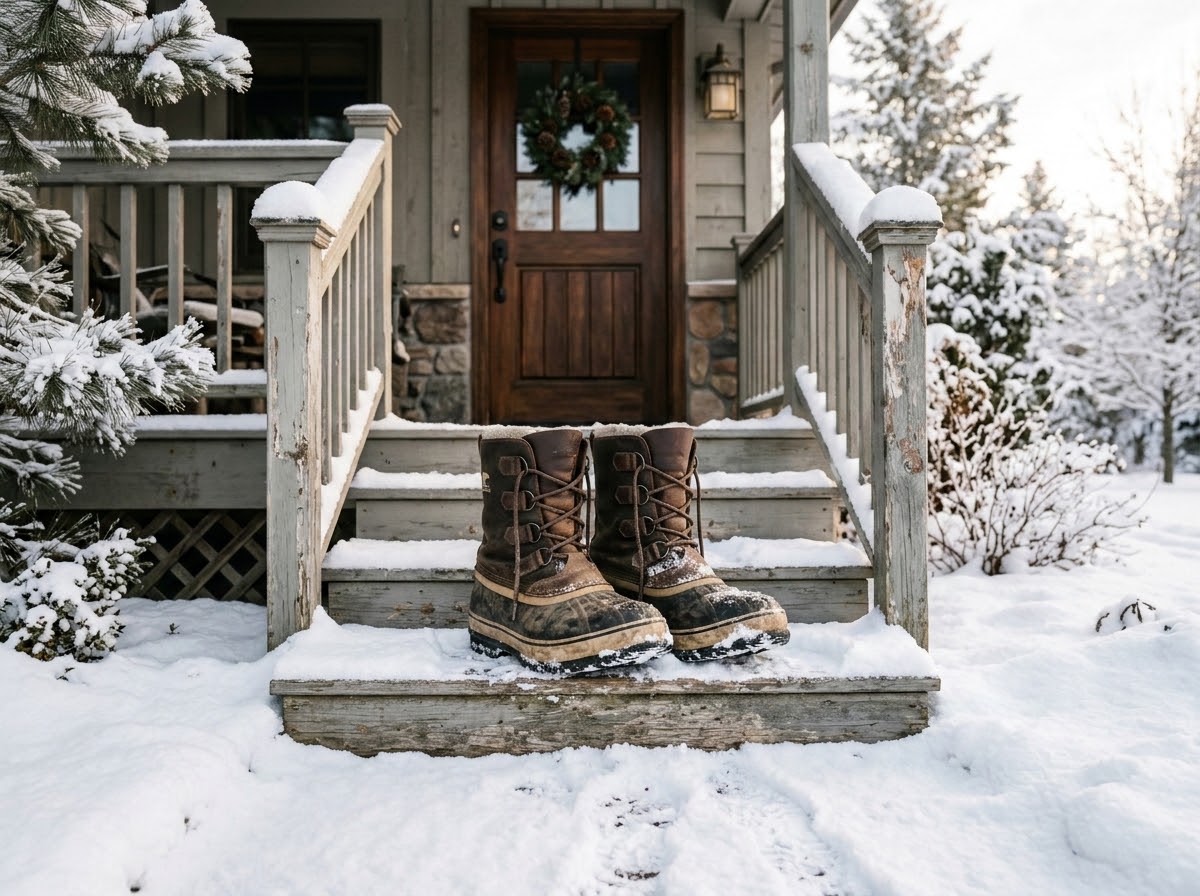
Ultimate Time to Shop for Winter Boots and Shoes
When the first crisp breeze of autumn rolls in or

How to Stay Safe Around Wildlife
Seeing wildlife can be one of the best parts
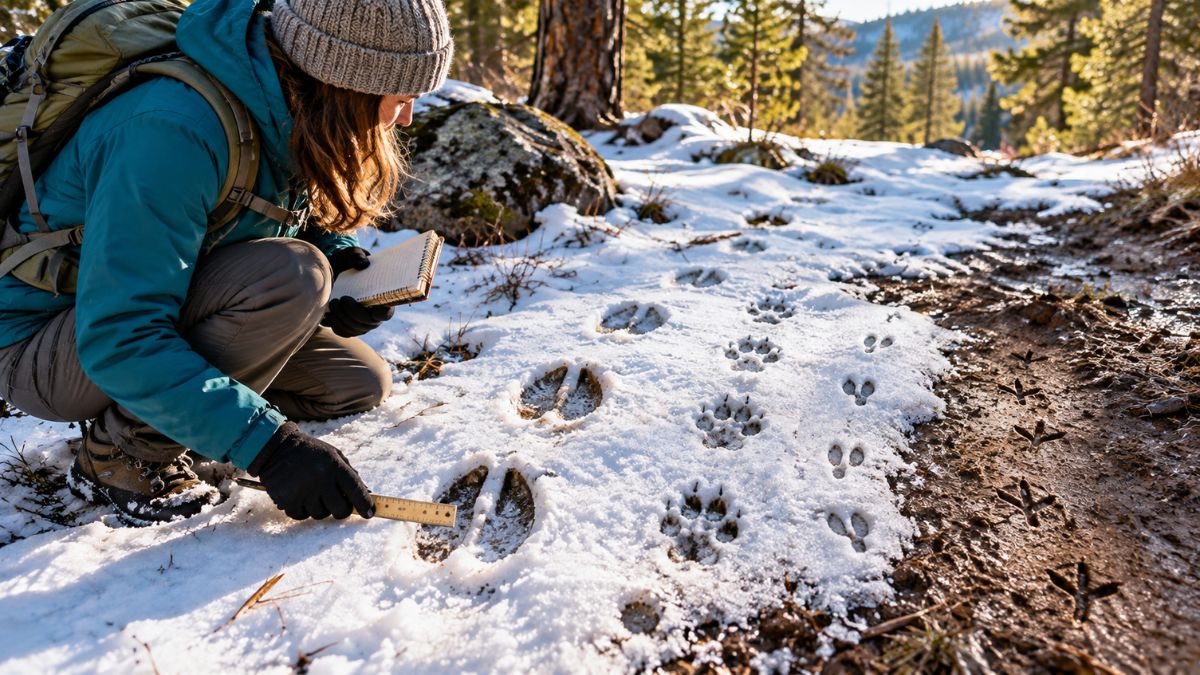
Animal Tracking for Beginners
You do not have to see an animal to know
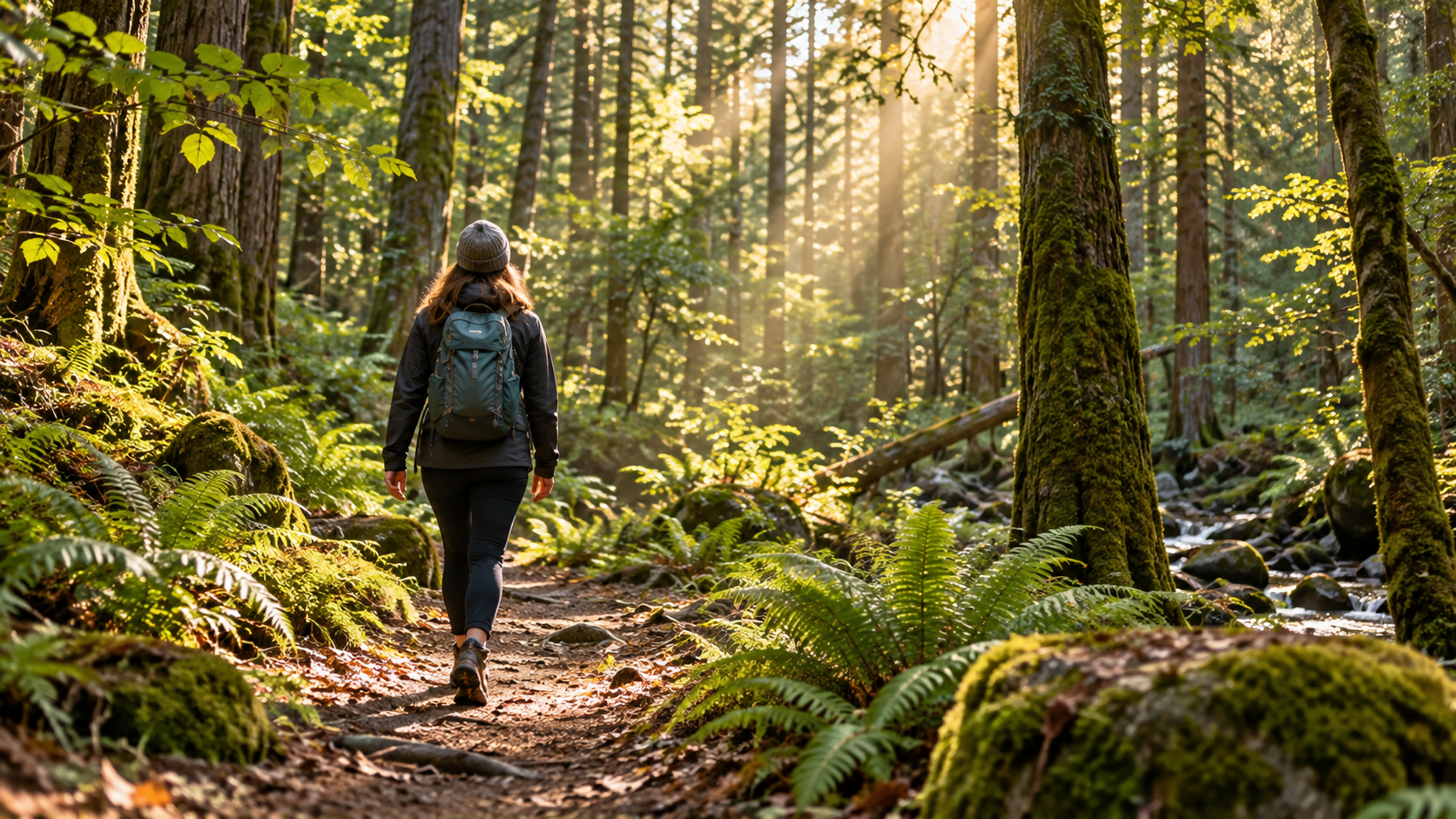
What Is Forest Bathing and How Do You Do It
Forest bathing does not mean taking a bath in
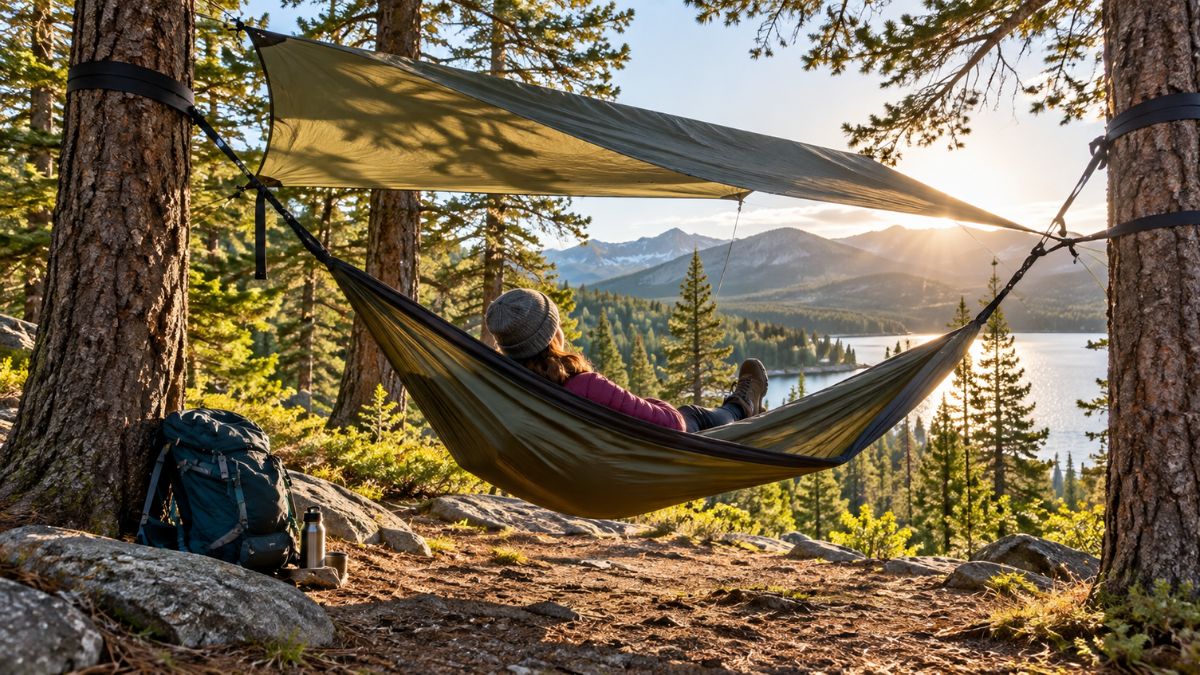
Hammock Camping for Beginners
A hammock can turn a quiet outdoor spot into a
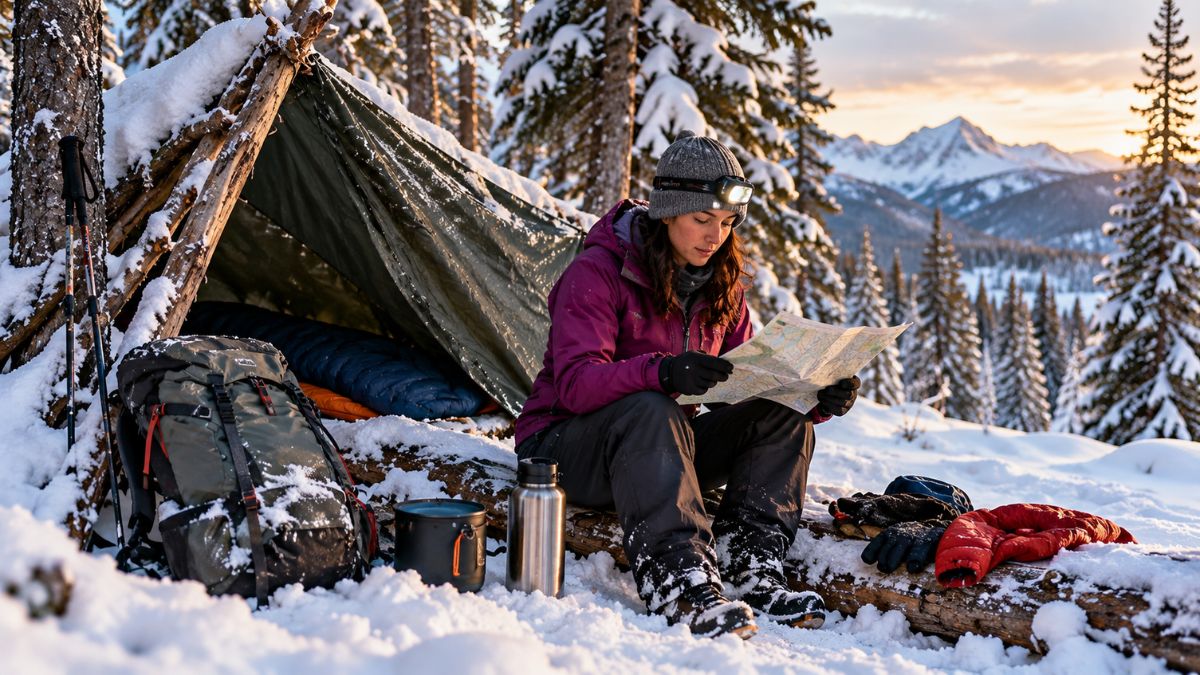
Winter Survival Tips for Outdoor Adventures
Winter can make a normal outdoor trip much harder.