
Best Times of Year to Hunt Popular Game
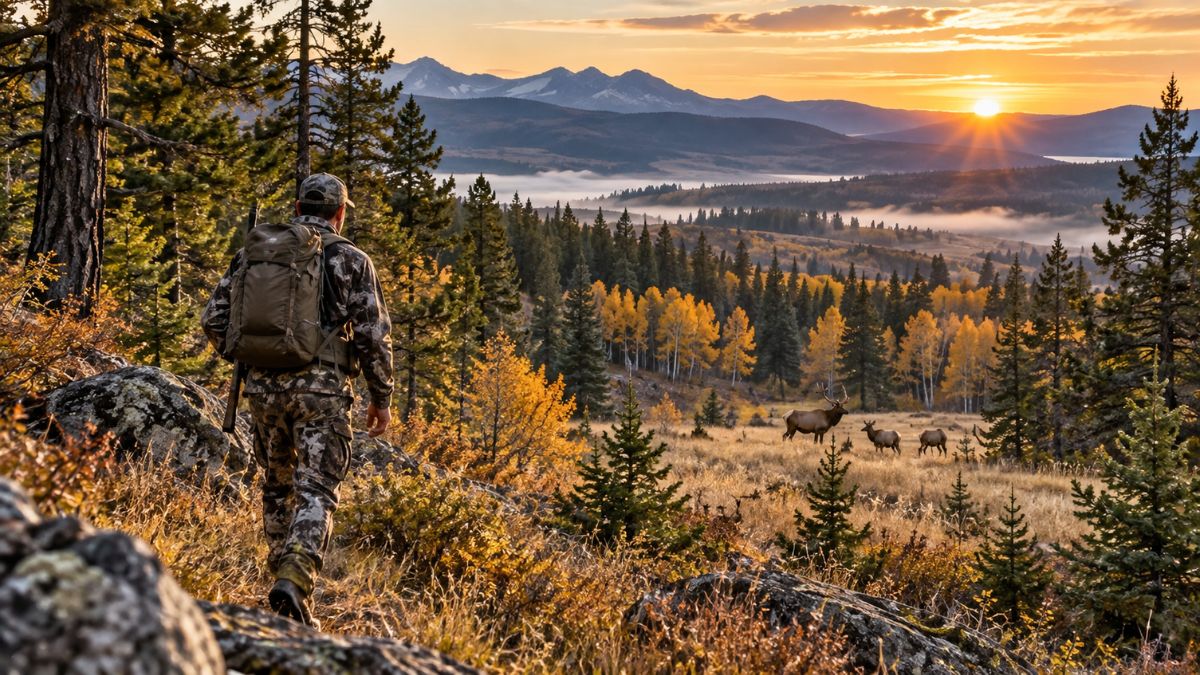
Fall Is a Major Hunting Season
Fall is one of the busiest hunting times in many parts of the United States. Deer and elk seasons often take place during fall, when cooler temperatures make long days outdoors more comfortable. Elk may also be more vocal and active during their fall breeding period, while deer activity changes as their breeding season gets closer.
Fall is also a major time for pheasant, grouse, quail, and other upland bird hunting. Young birds have had time to grow, crops are being harvested, and cooler weather can make walking through fields and grasslands easier. Hunters still need to check local opening dates because each state sets its own seasons and some areas may have special rules.
Spring Brings Turkey Hunting
Spring is closely linked with wild turkey hunting in many states. Male turkeys become more vocal during the breeding season, and hunters may hear gobbling in forests, farm country, and open woodland. Spring weather can change quickly, so a warm morning may be followed by rain, wind, or even snow in some parts of the country.
Spring hunting is often very different from fall hunting. Trees may begin to leaf out, birds are singing, and wildlife becomes more active after winter. Turkey hunters often spend time listening and watching instead of covering huge areas, which can make spring a good season for people who enjoy learning animal sounds and behavior.
Waterfowl and Winter Hunting
Ducks and geese are strongly tied to migration. Many waterfowl seasons take place from early fall into winter as birds travel between breeding and wintering areas. The timing can change with weather, water levels, food, and the part of the country, which is why one area may have lots of birds while another is quiet. Some small-game seasons also continue into winter. Rabbits, squirrels, and certain birds may provide hunting opportunities after many big-game seasons have ended. Snow can make tracks easier to see, but cold temperatures and short days also mean hunters need to plan carefully and know when weather makes it smarter to stay home.
The best time to hunt depends on the animal, the location, and the kind of outdoor experience you want. A fall elk trip can feel very different from a spring turkey morning or a cold day watching migrating ducks. Every season teaches hunters something new about wildlife and the land. Before every hunt, check the current season dates, license needs, hunting area, and rules for the species you plan to hunt. Never depend on last year’s dates or something a friend remembers. Good planning keeps the trip legal, safer, and much more enjoyable.

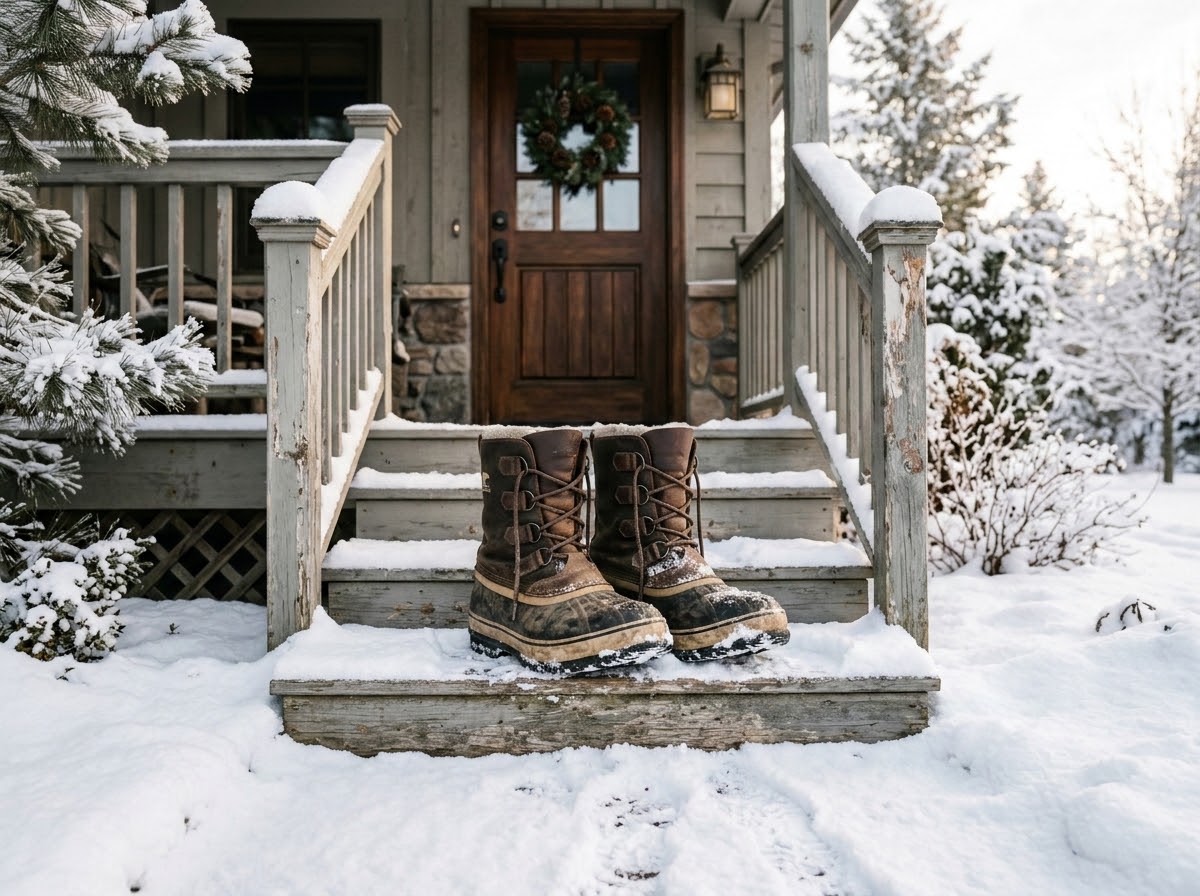
Ultimate Time to Shop for Winter Boots and Shoes
When the first crisp breeze of autumn rolls in or
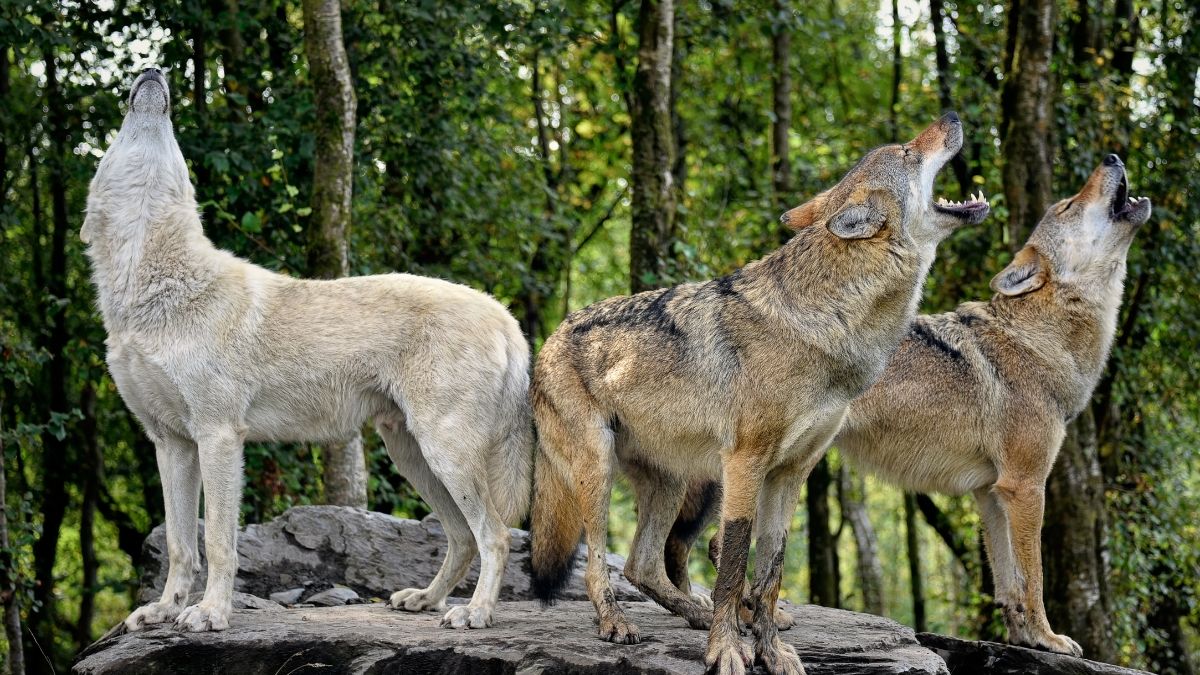
How to Stay Safe Around Wildlife
Seeing wildlife can be one of the best parts
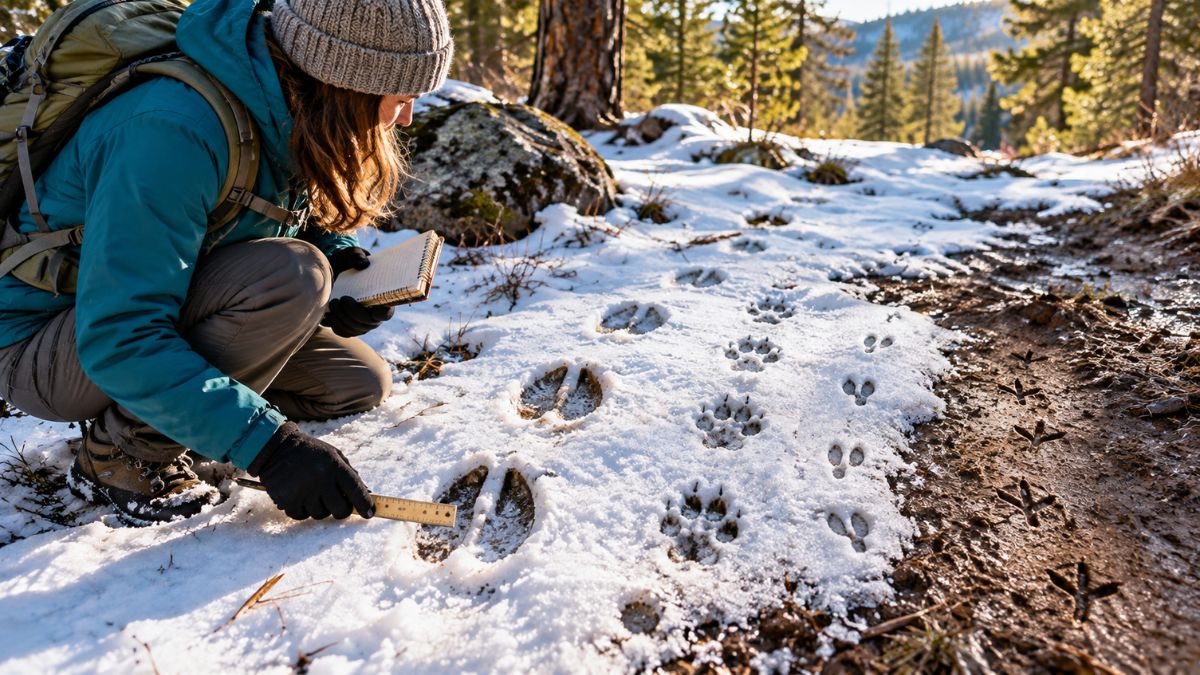
Animal Tracking for Beginners
You do not have to see an animal to know
What Is Forest Bathing and How Do You Do It
Forest bathing does not mean taking a bath in
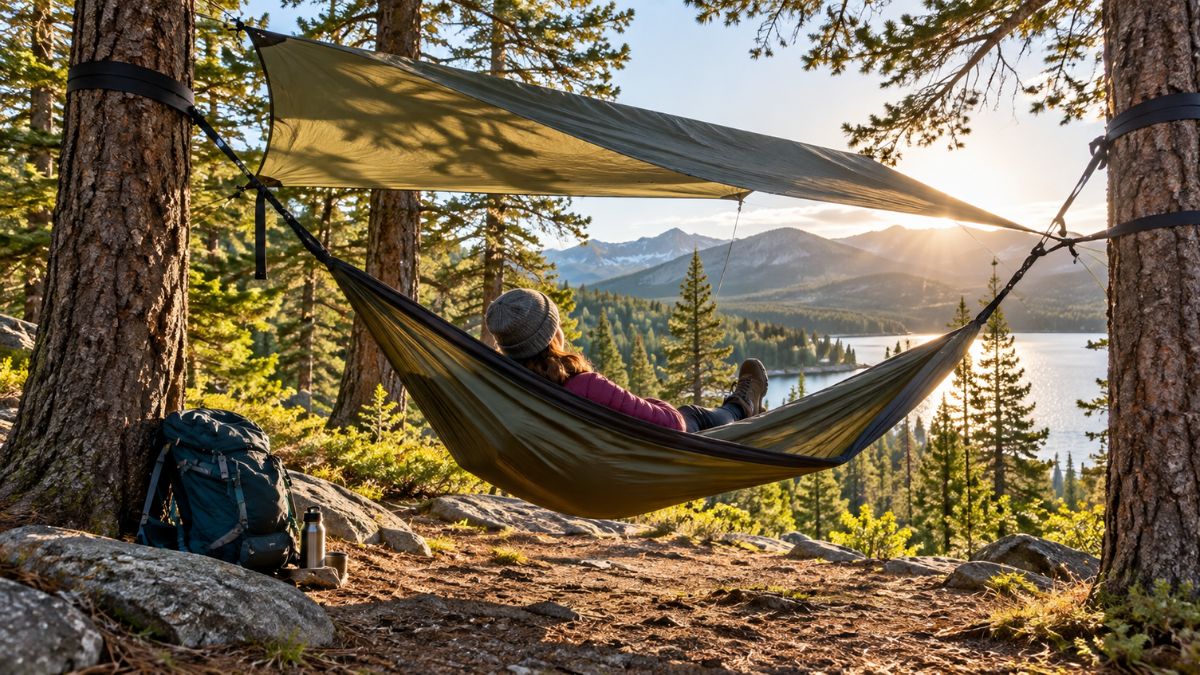
Hammock Camping for Beginners
A hammock can turn a quiet outdoor spot into a
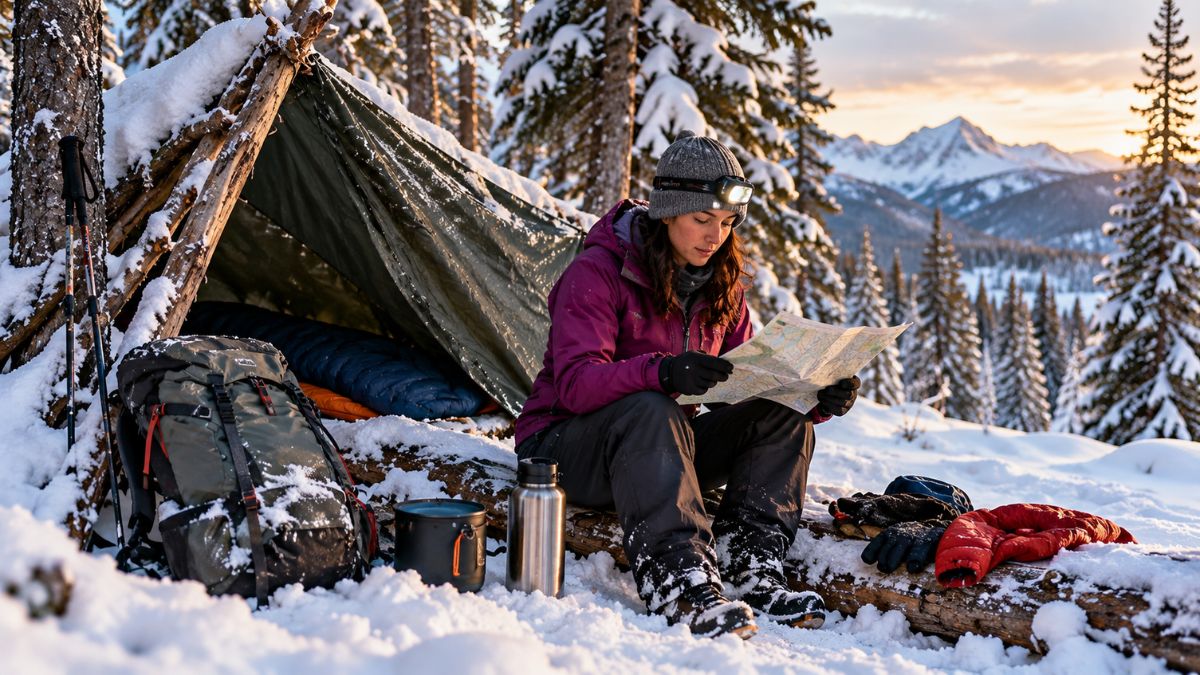
Winter Survival Tips for Outdoor Adventures
Winter can make a normal outdoor trip much harder.