
Dirt Biking and Motocross for Beginners
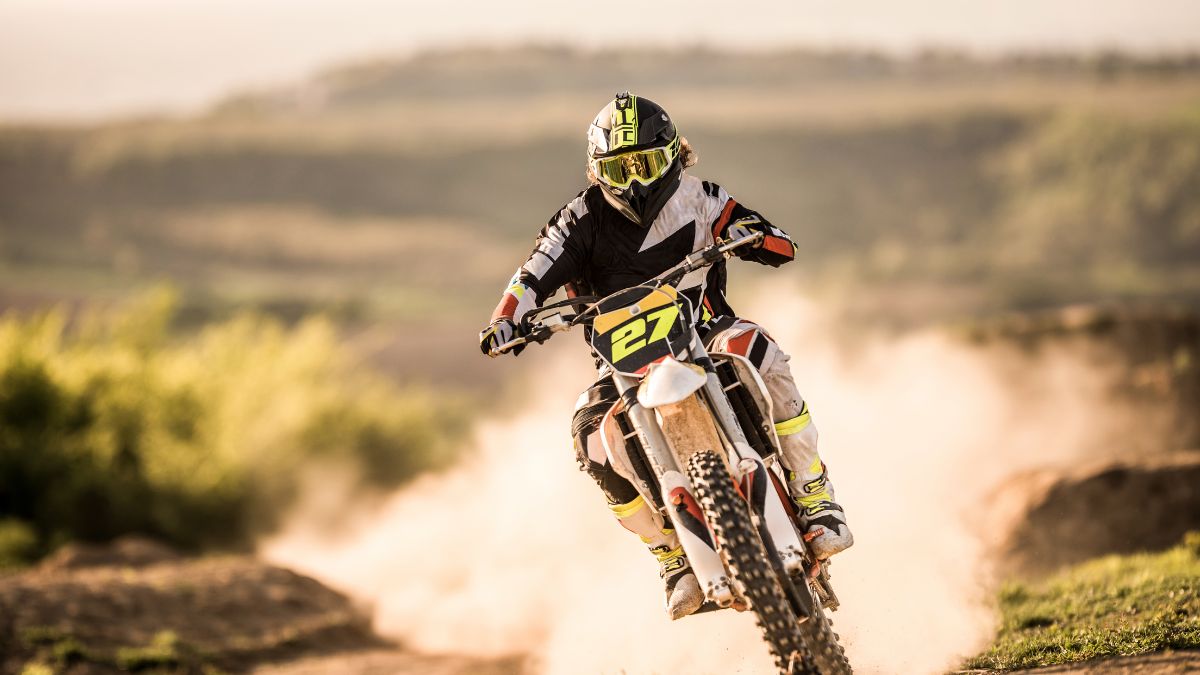
Learning to Ride a Dirt Bike
A dirt bike should fit the rider. A bike that is too tall, heavy, or powerful can be difficult to control, especially for a young or new rider. Riders should be able to use the controls and handle the bike without feeling that the machine is pulling them around.
Protective gear is part of riding. A proper helmet, goggles, gloves, long sleeves, long pants, and over-the-ankle boots help protect the rider from falls, dirt, rocks, and branches. More protective gear may be used as riders move into harder trails or track riding.
Trail Riding vs Motocross
Trail riding asks the rider to react to natural ground. Rocks, roots, mud, sand, hills, and sharp turns may appear along the way. Riders also need to watch for other trail users and stay on routes that allow motorcycles.
Motocross happens on a track made for dirt bikes. The track may have jumps, banked turns, and changing dirt conditions, and riders may be moving much faster than on a beginner trail. New riders should not rush into big jumps just because experienced riders make them look easy.
Build Skill Before Speed
Practice slow control first. Work on starting, stopping, smooth turns, and steady throttle before trying to ride fast. When these skills become natural, the rider has more attention left for the trail ahead. Do not ride alone in a remote place if you can avoid it. A crash or broken bike can leave you far from help. Riding with another person gives you support if something goes wrong.
Dirt bikes are made for off-highway use unless the bike was built and legally approved for road use. Stay on designated trails and do not ride on normal paved roads simply because they look easier. Cars and trucks may not expect to see a dirt bike there. Young riders need extra care. A dirt bike should match the child’s age, size, and riding skill, and an adult should supervise. A bike that is too large or too powerful is not a shortcut to becoming a better rider.
Training can help new riders build good habits from the start. A hands-on class gives riders a controlled place to learn braking, turning, body position, and trail awareness. These skills can make every later ride more comfortable and safer. Dirt biking should be fun before it is fast. Start on easy ground, wear the right gear, learn from skilled riders or an instructor, and take time to build confidence. Speed comes later, but good riding habits can stay with you for years.
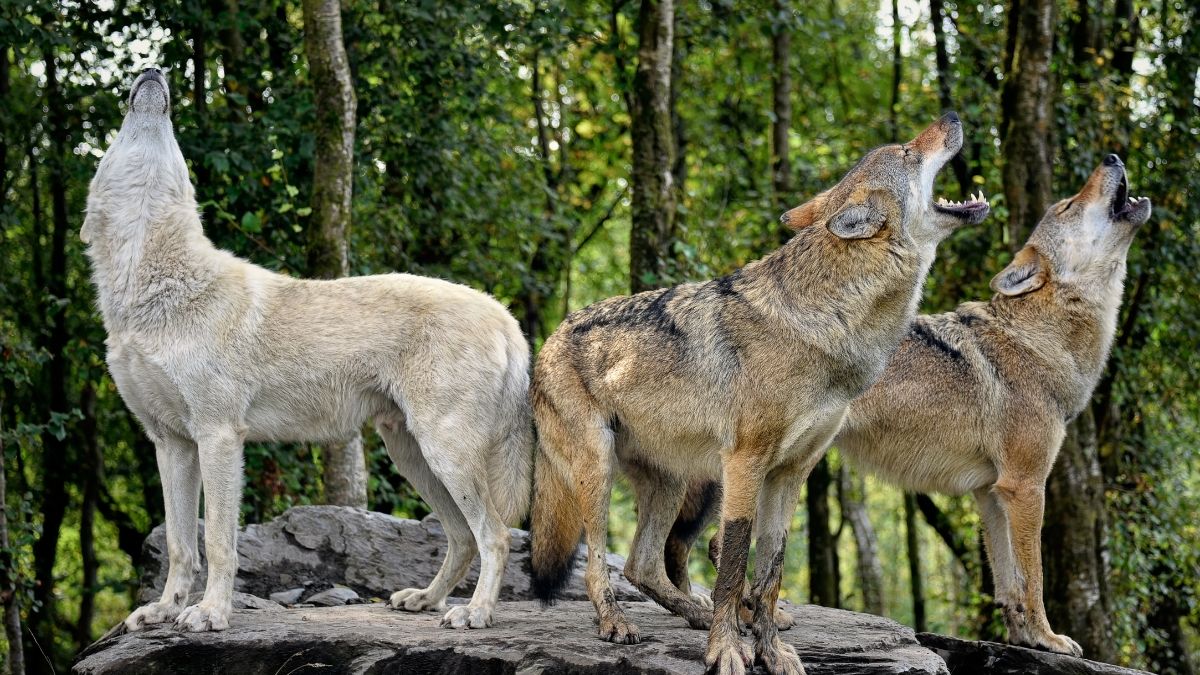
How to Stay Safe Around Wildlife
Seeing wildlife can be one of the best parts
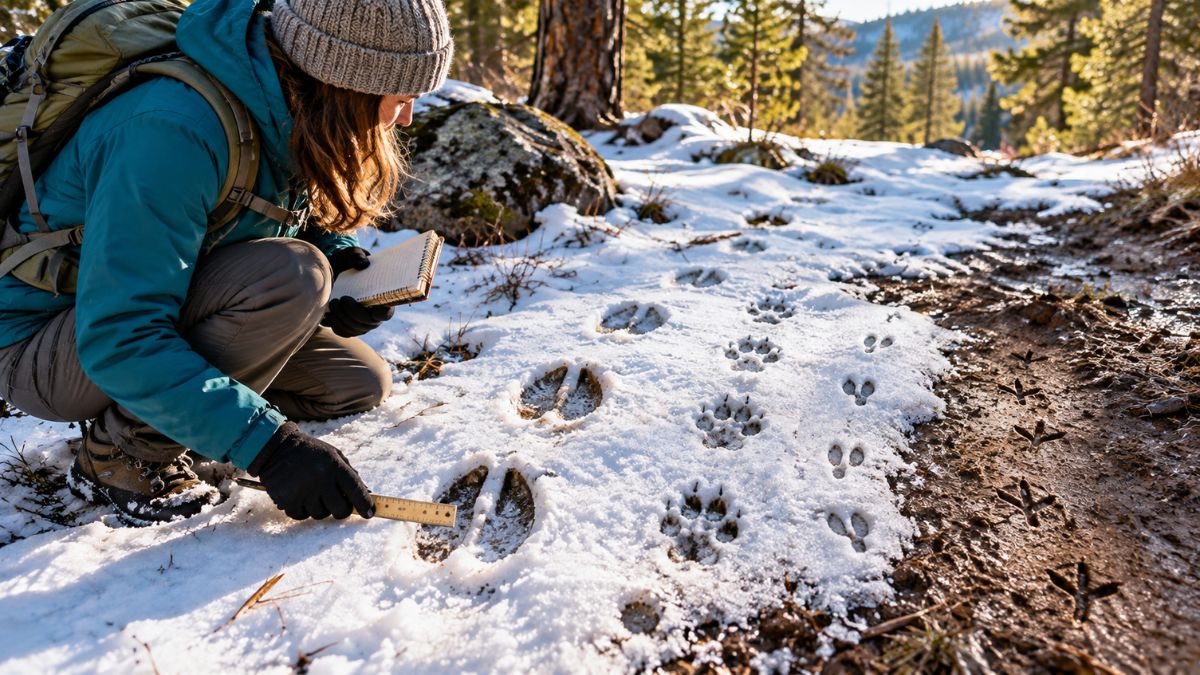
Animal Tracking for Beginners
You do not have to see an animal to know
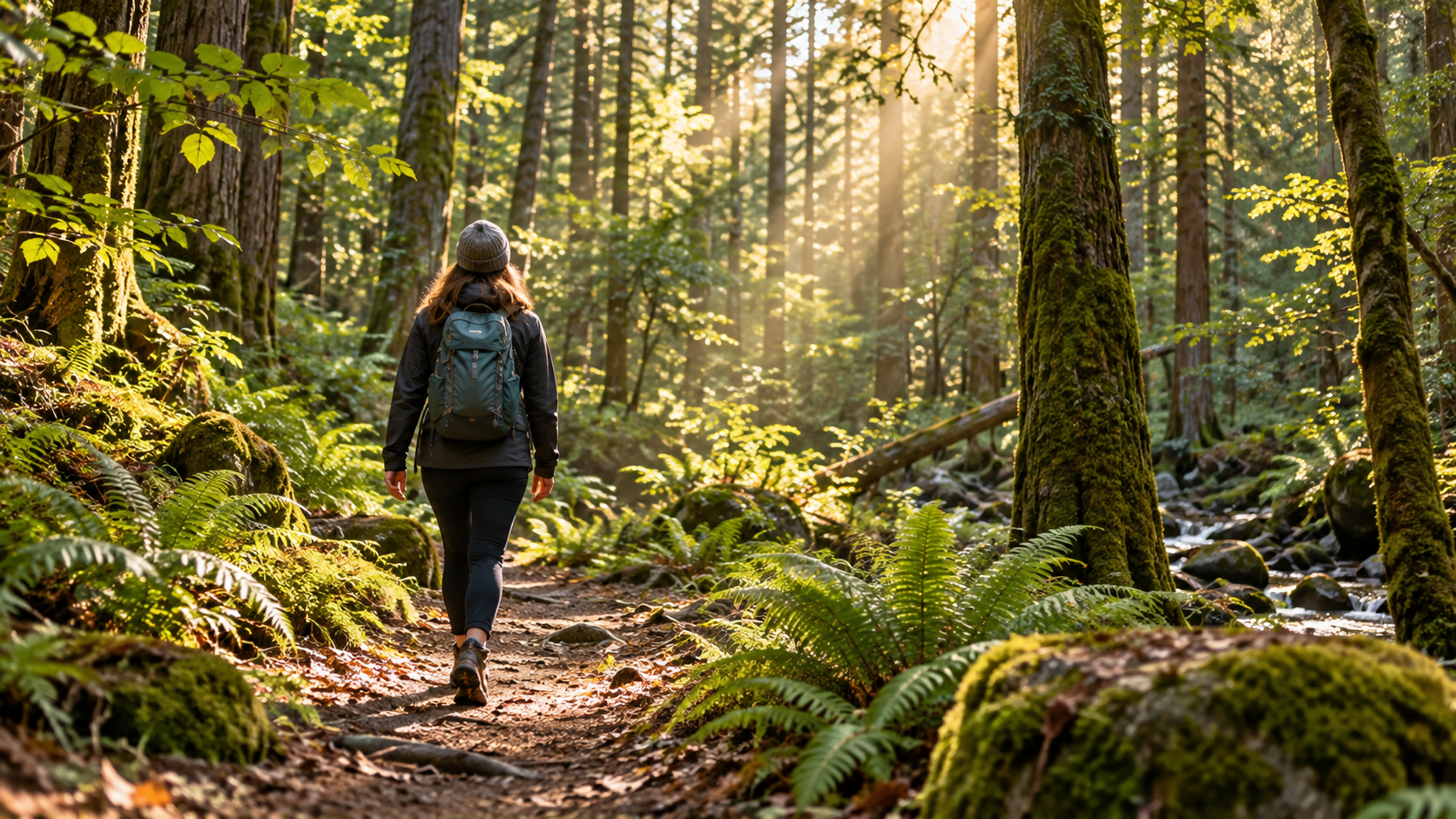
What Is Forest Bathing and How Do You Do It
Forest bathing does not mean taking a bath in
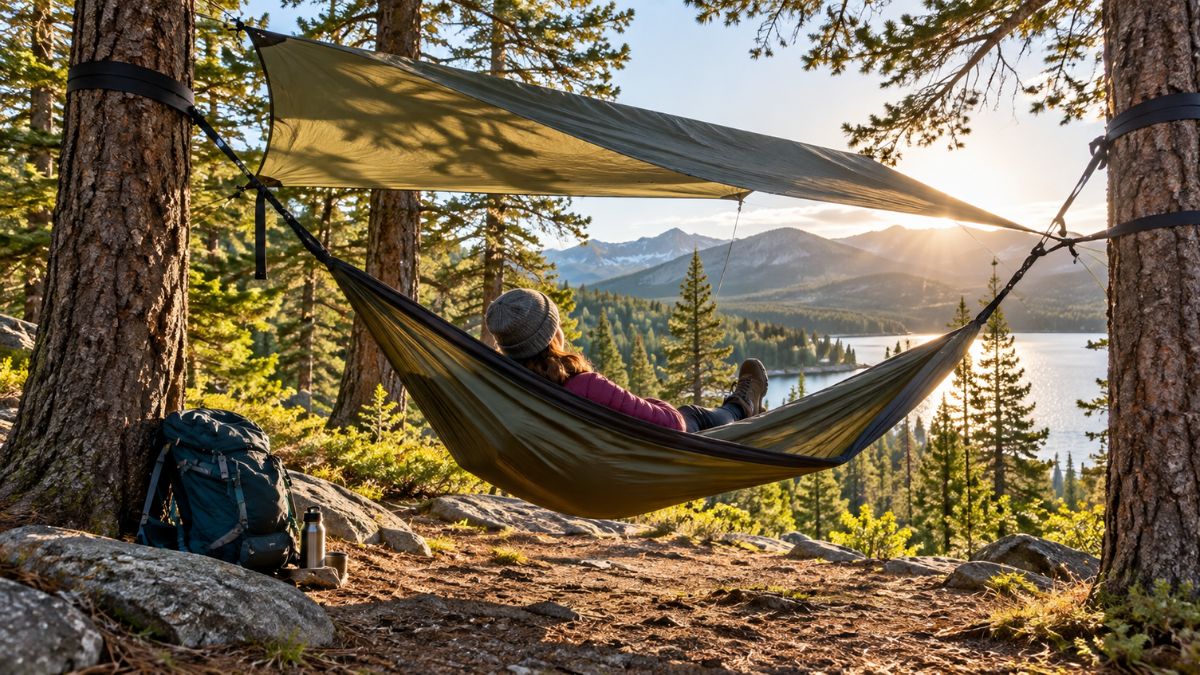
Hammock Camping for Beginners
A hammock can turn a quiet outdoor spot into a
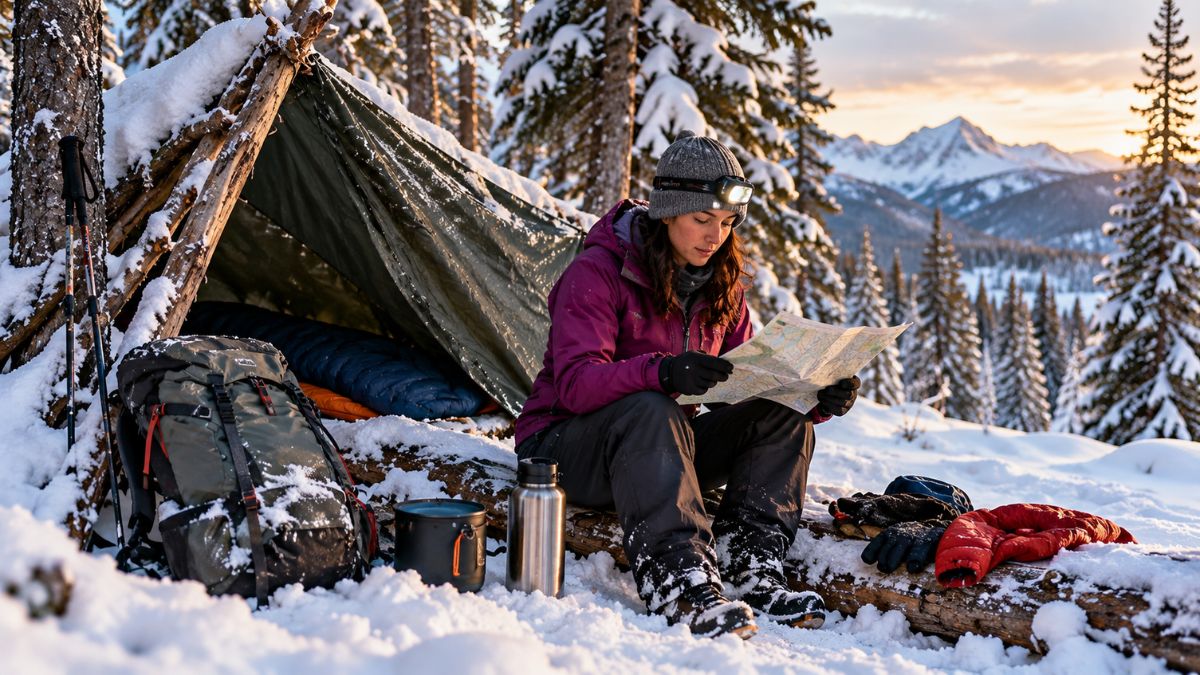
Winter Survival Tips for Outdoor Adventures
Winter can make a normal outdoor trip much harder.
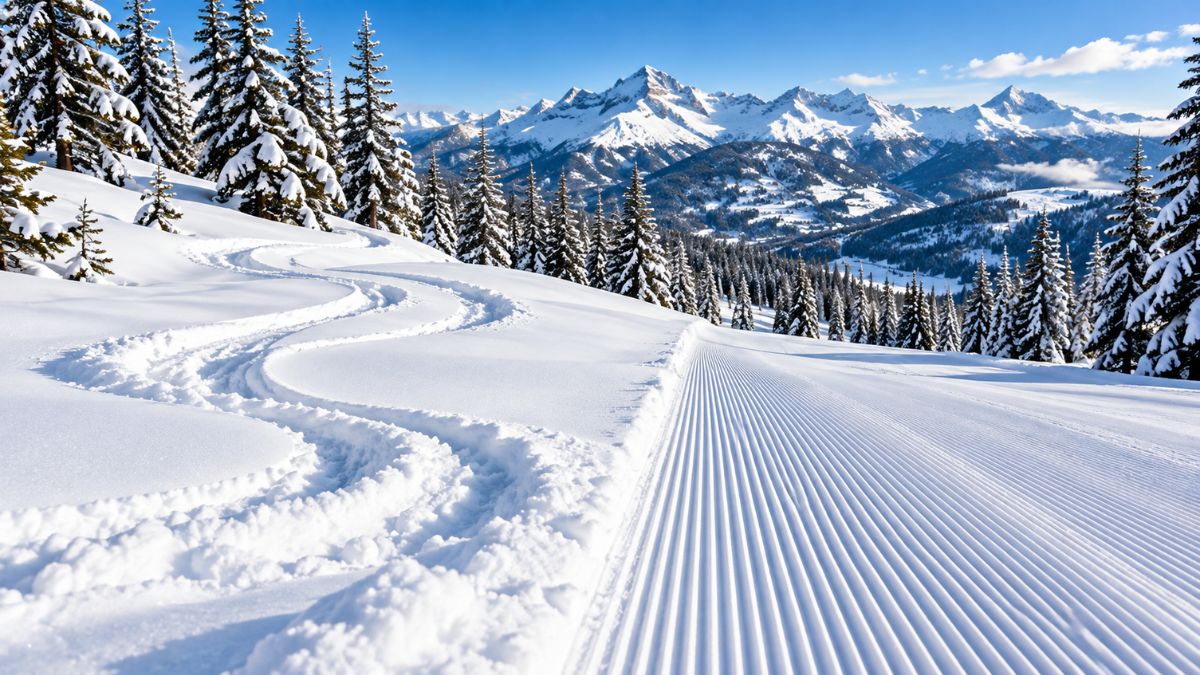
Powder vs Hard-Packed Snow
Snow can look the same from far away, but