
Scuba Diving Snorkeling and Freediving for Beginners
Starting With Snorkeling
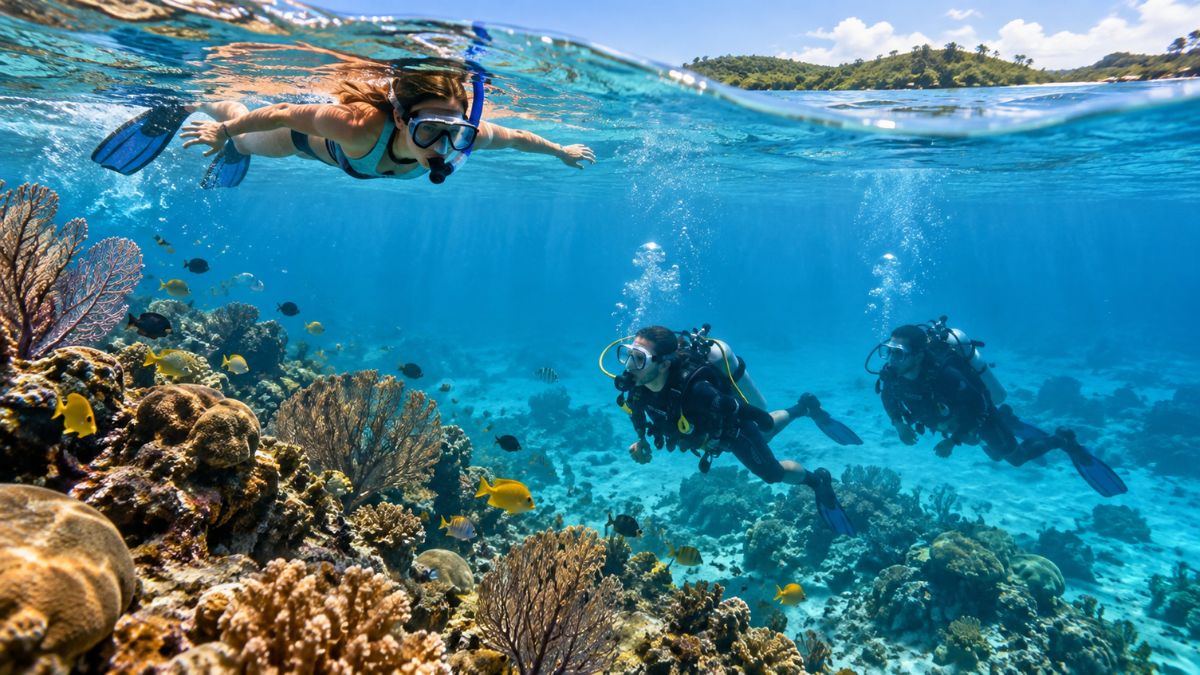
Snorkeling can be a good first underwater activity for people who are comfortable swimming. You wear a mask so you can see below the surface and use a snorkel to breathe while your face is in the water. Many beginners start in calm, shallow water where they can easily return to shore.
Even simple snorkeling needs good judgment. Waves, currents, cold water, and changing depth can make a natural swimming area harder than a pool. Stay with another person, use safe swimming areas, and do not touch coral or animals you do not understand.
Learning to Scuba Dive
Scuba diving lets you breathe underwater using a tank and other dive equipment. It is not something a beginner should teach themselves from a video or article. A scuba course teaches planning, underwater signals, equipment use, safety checks, and skills in a pool or other controlled setting before open-water diving.
Certified divers also use a buddy system. Before a dive, partners check the plan and equipment and agree on what they will do underwater. Beginners should stay within the limits of their training and should never feel pushed into a dive that seems too deep, rough, or difficult.
Understanding Freediving
Freediving means going underwater while holding your breath instead of using a scuba tank. It can look simple because there is less equipment, but breath-hold diving has serious risks if it is done without training. A freediver can lose consciousness from low oxygen, even close to the surface. One of the most important freediving rules is never to dive alone. A trained buddy needs to watch the diver closely and be ready to help. Beginners should take a recognized freediving course rather than trying to see how long or how deep they can hold their breath on their own.
Do not use fast or deep breathing to try to stay underwater longer. Hyperventilating can lower the body’s warning signal to breathe and make blackout risk worse. Proper freediving training teaches safer breathing habits and how buddies watch each other. Whichever activity you choose, start with water that matches your skill. Calm, clear water can make learning easier than strong waves, deep water, or poor visibility. You can always try a harder location later after you have more experience.
Respect the underwater world while you explore. Watch fish and other animals without chasing or touching them, and leave coral, shells, and plants where they are when local rules require it. The goal is to enjoy the water without harming the place you came to see. Snorkeling can be a simple first step, scuba can open a longer underwater adventure after training, and freediving can become a sport of its own with proper instruction. There is no need to rush from one to the next. Learn slowly, use a buddy, and make safety part of every trip below the surface.



How to Stay Safe Around Wildlife
Seeing wildlife can be one of the best parts
Animal Tracking for Beginners
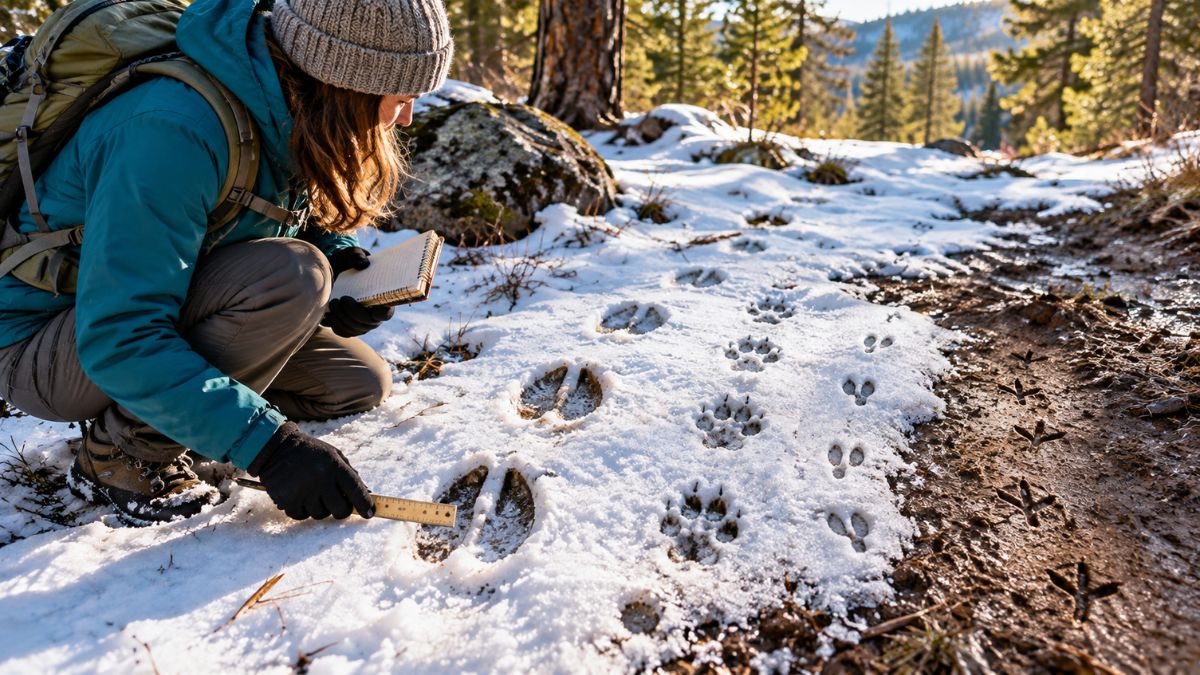
You do not have to see an animal to know
What Is Forest Bathing and How Do You Do It
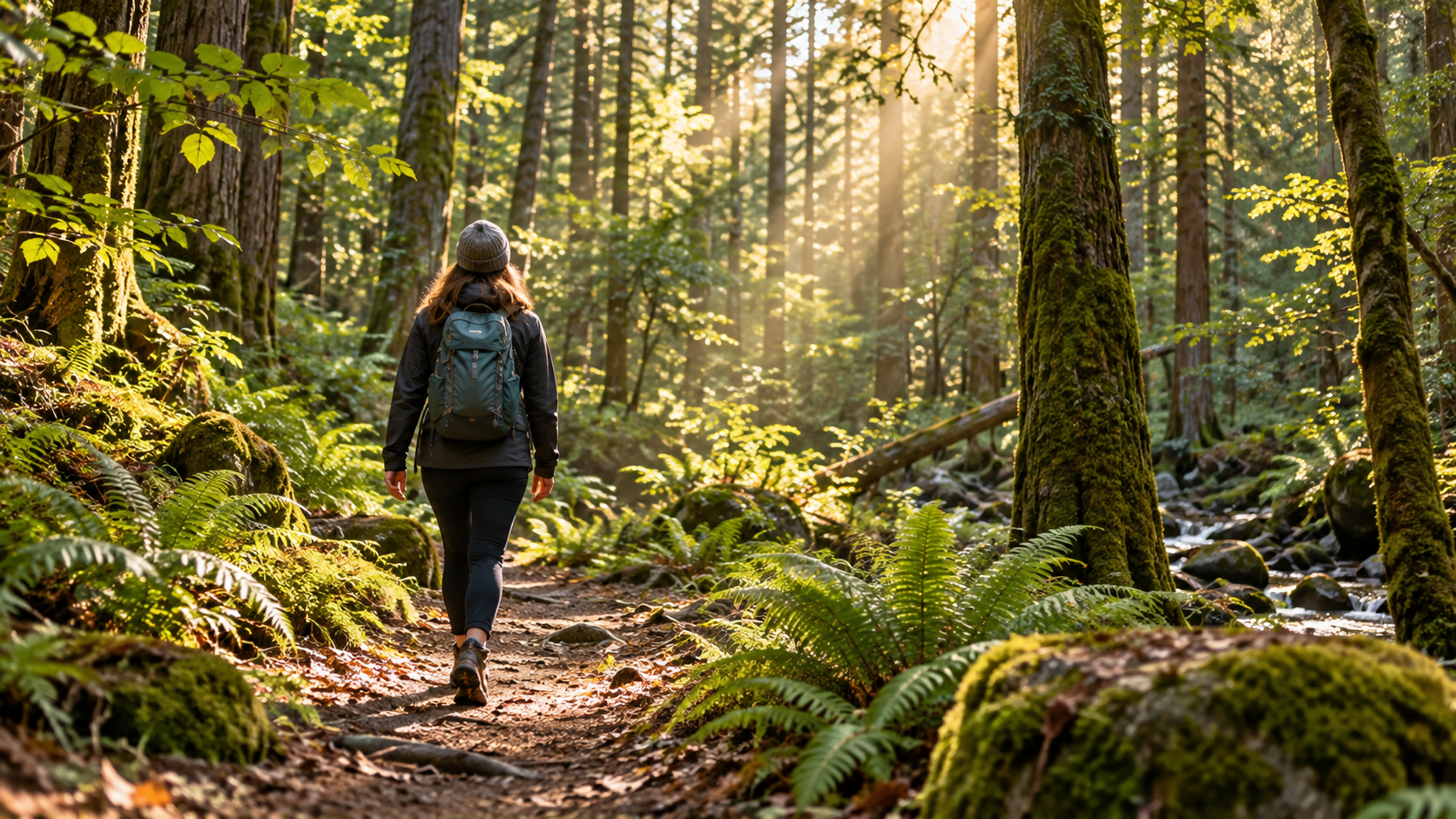
Forest bathing does not mean taking a bath in
Hammock Camping for Beginners
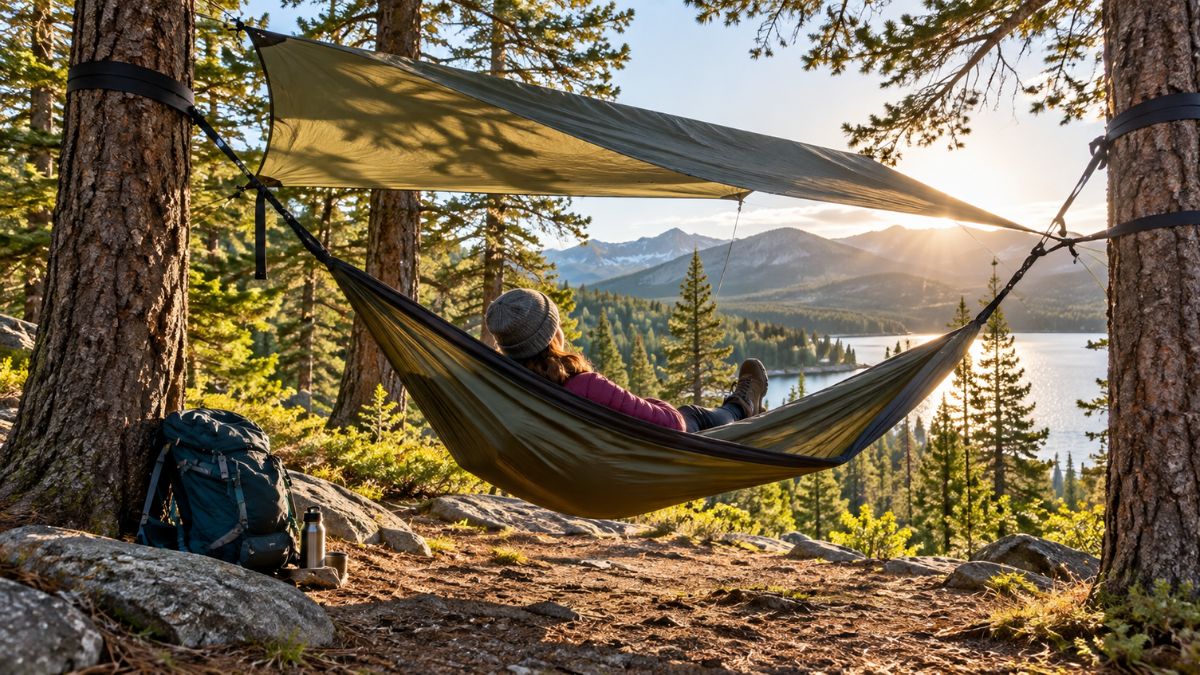
A hammock can turn a quiet outdoor spot into a
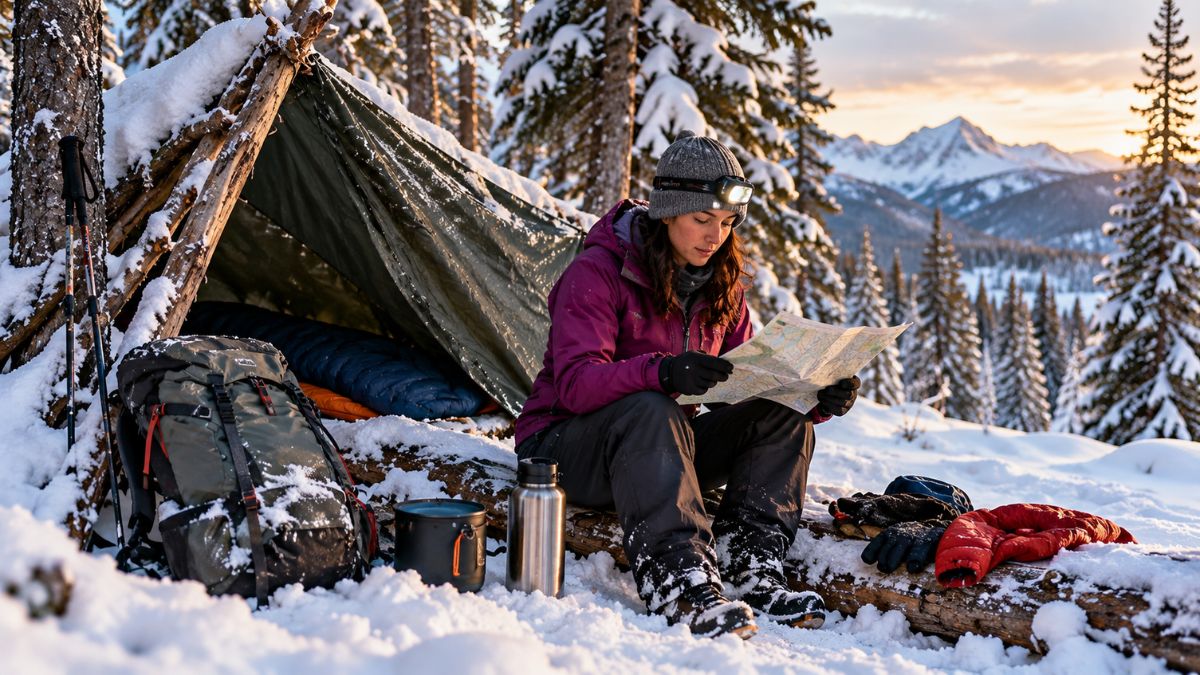
Winter Survival Tips for Outdoor Adventures
Winter can make a normal outdoor trip much harder.

Powder vs Hard-Packed Snow
Snow can look the same from far away, but