Popular Winter Sports for Outdoor Adventure
How Snowmobiling and Skiing Are Different
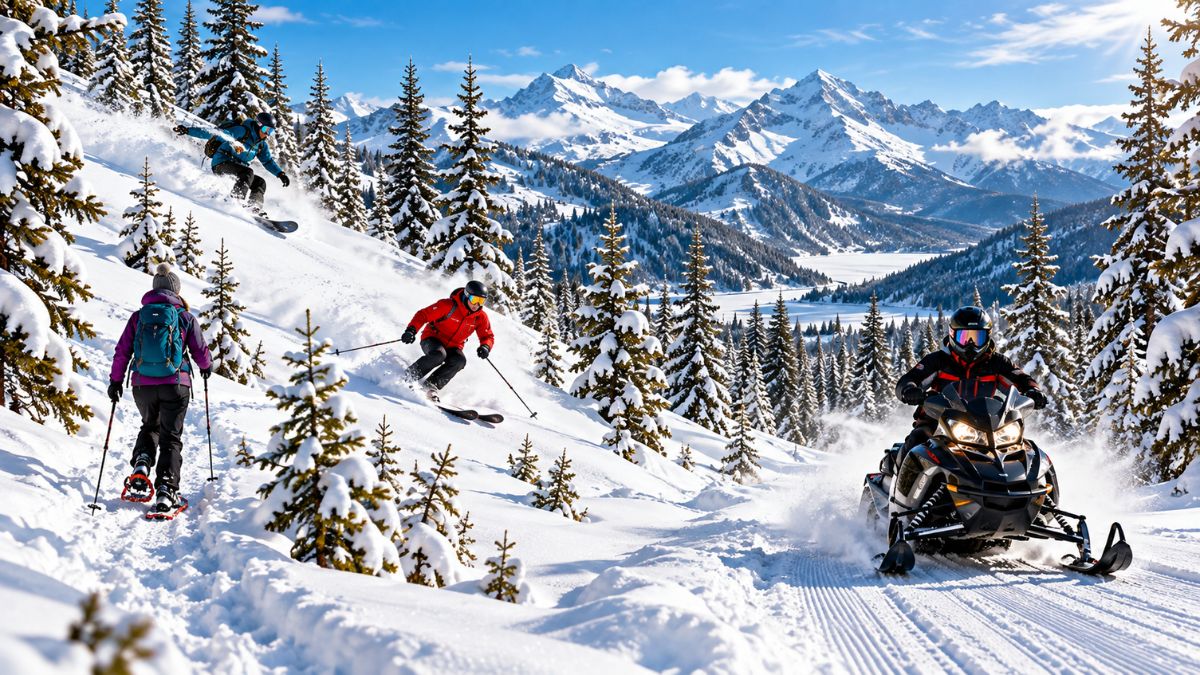
Snowmobiling uses a motorized machine to travel across snowy trails and open areas where riding is allowed. It can cover a lot of ground in one day and can take riders far from roads and towns. Because snowmobiles move fast, riders need to pay close attention to weather, trail conditions, speed, and other people.
Skiing uses long skis to slide across snow. Downhill skiing usually takes place at a ski area where lifts carry people uphill, while cross-country skiing takes place on flatter trails. Skiing takes balance and practice, but many resorts have beginner areas and lessons for people who are just getting started.
Snowboarding and Snowshoeing Offer Different Challenges
Snowboarding uses one board instead of two skis. The rider stands sideways and learns how to turn, stop, and control speed on the snow. Many beginners fall often at first, so lessons and easy slopes can make the first day much less frustrating.
Snowshoeing is closer to walking or hiking than skiing. Snowshoes spread your weight over a wider area so you do not sink as deeply into soft snow. It can still be tiring, especially in deep snow, but beginners can start on short, flat routes and take plenty of breaks.
Choosing the Winter Sport That Fits You
Think about how active you want to be. Skiing and snowboarding can take strong legs and balance, while snowshoeing can be slow and steady. Snowmobiling requires less walking, but the rider still needs strength and control to handle the machine safely. Cost can also help you decide. Skiing and snowboarding may include lift tickets, rentals, lessons, and travel, while snowshoeing may only need snowshoes, boots, warm clothes, and a trail. Snowmobiling can cost more because it may involve a machine, fuel, registration, transportation, and safety gear. Weather matters for every winter sport. Snow can become icy, deep, wet, or hard, and wind can make a day feel much colder. Check the weather and local conditions before leaving, and be ready to change plans if the weather becomes unsafe. Clothing is also important. Dress in layers so you can add or remove clothes as your body warms up. Waterproof boots, gloves, eye protection, and a warm hat can make a big difference during a long winter day.
You do not have to become an expert to enjoy winter sports. Try one activity on an easy day and see how it feels. A lesson, guided trip, or short beginner trail can help you learn without making the day too hard. Winter gives people many ways to enjoy the outdoors. Snowmobiling brings speed, skiing and snowboarding bring downhill adventure, and snowshoeing gives you a quiet way to explore. Start with the sport that feels right, stay within your skill level, and let the snow become part of the fun.
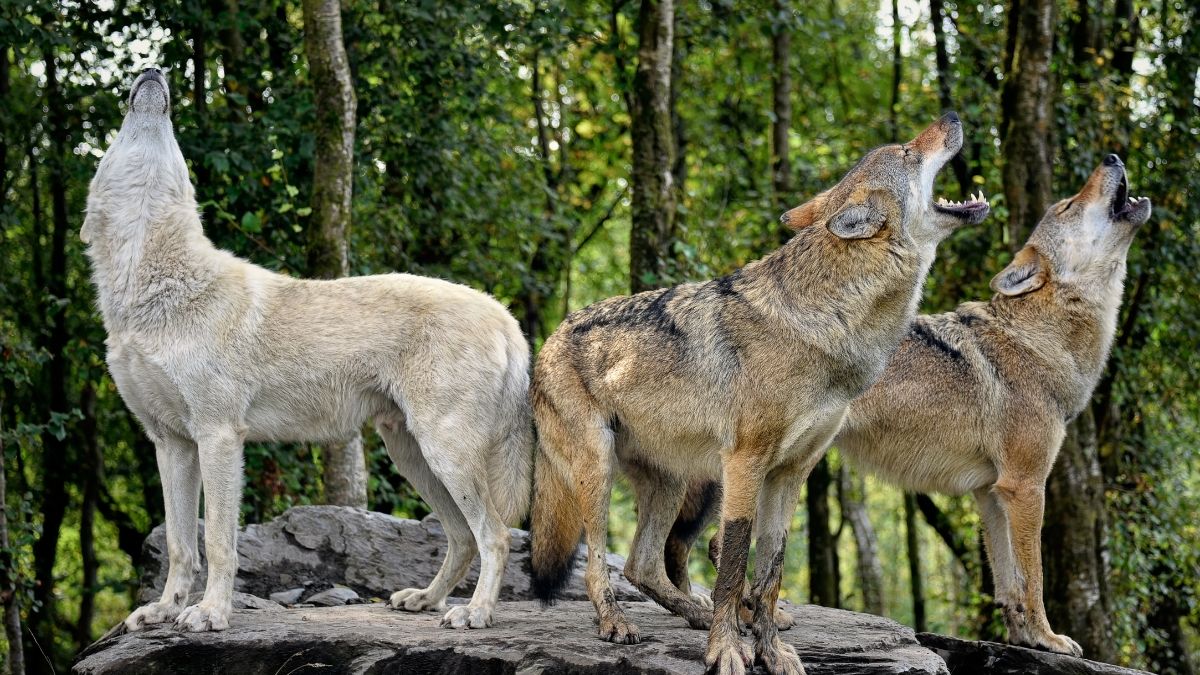
How to Stay Safe Around Wildlife
Seeing wildlife can be one of the best parts
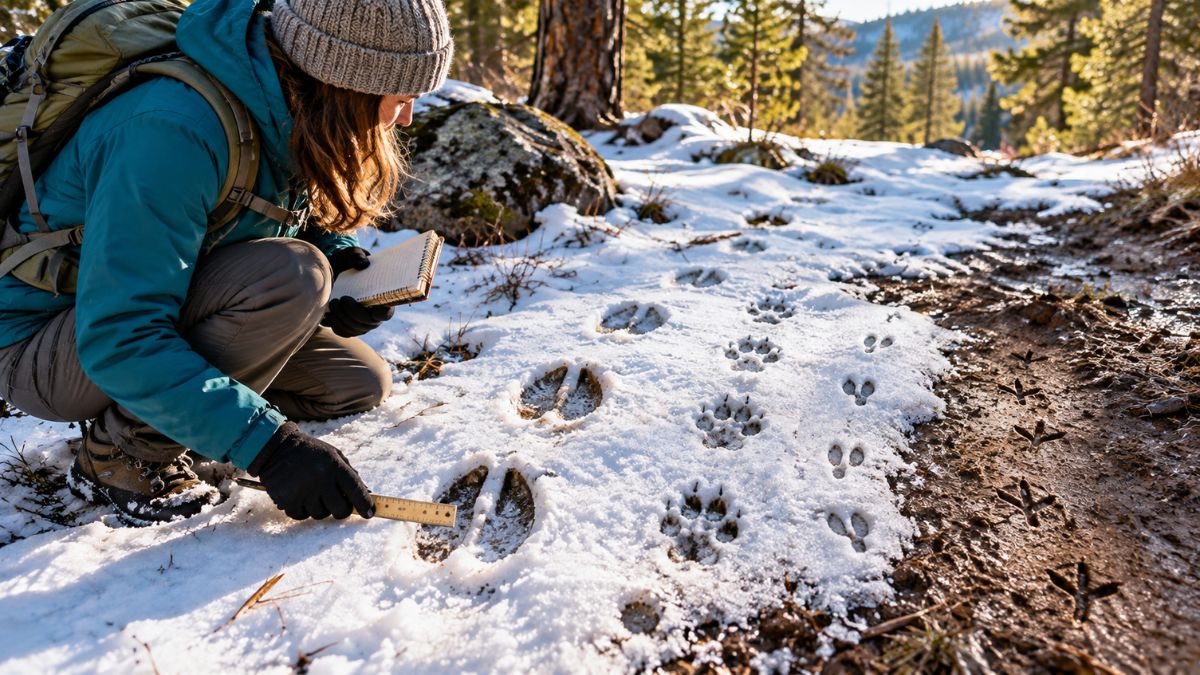
Animal Tracking for Beginners
You do not have to see an animal to know
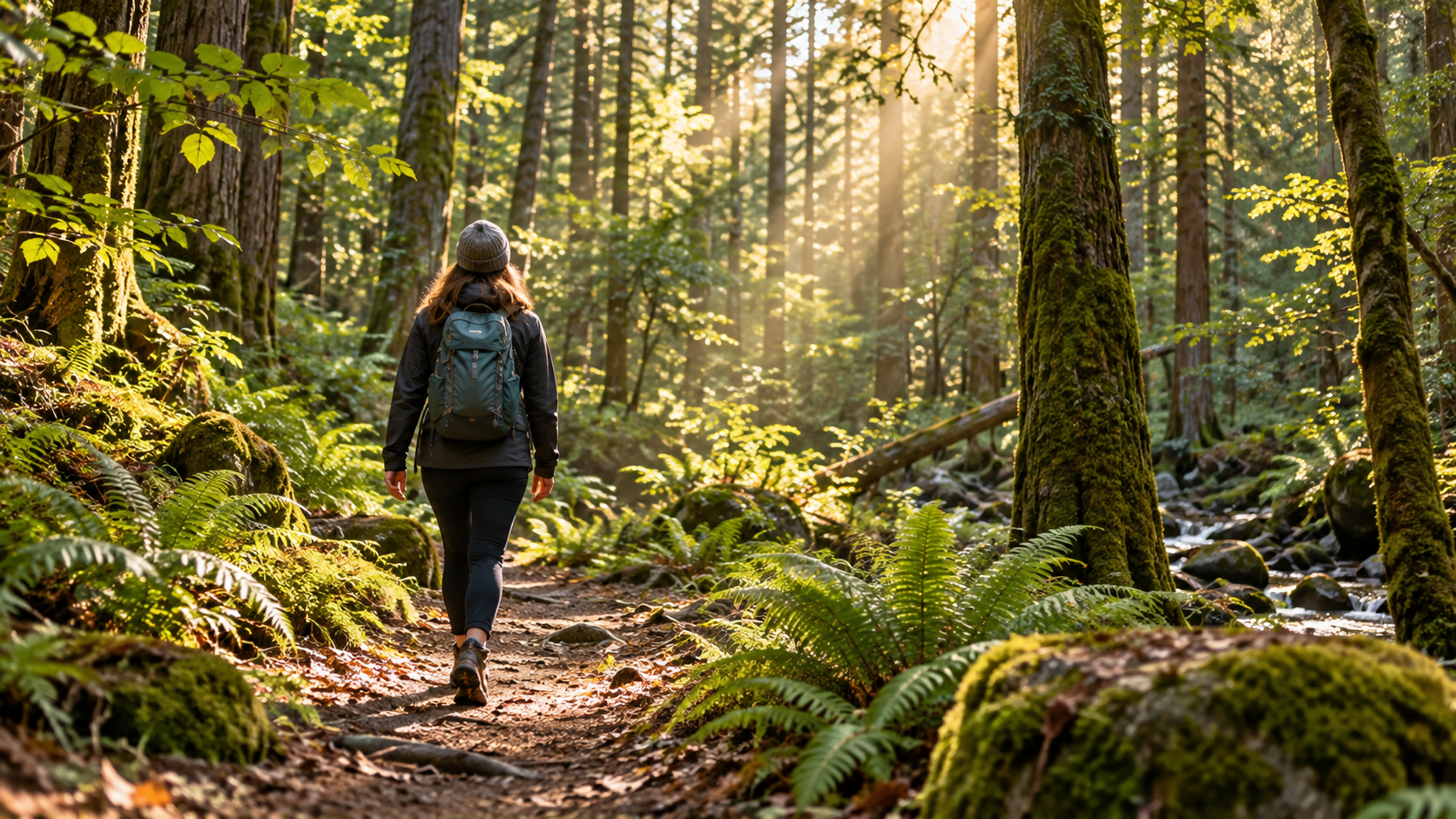
What Is Forest Bathing and How Do You Do It
Forest bathing does not mean taking a bath in
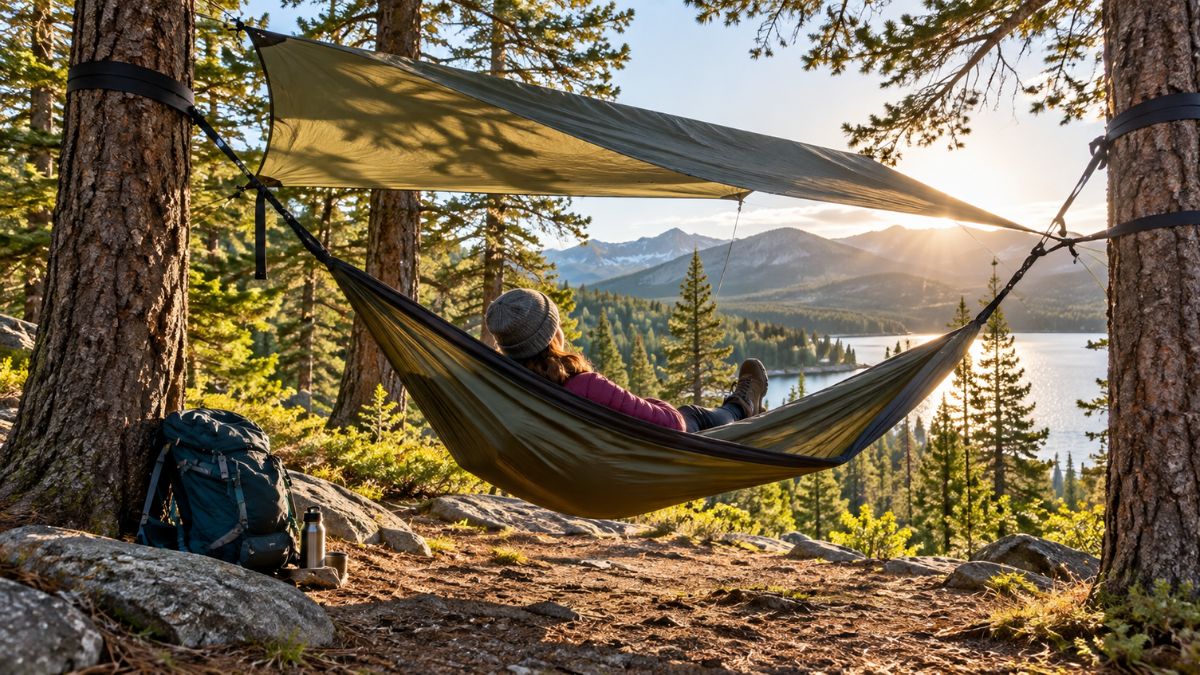
Hammock Camping for Beginners
A hammock can turn a quiet outdoor spot into a
Winter Survival Tips for Outdoor Adventures
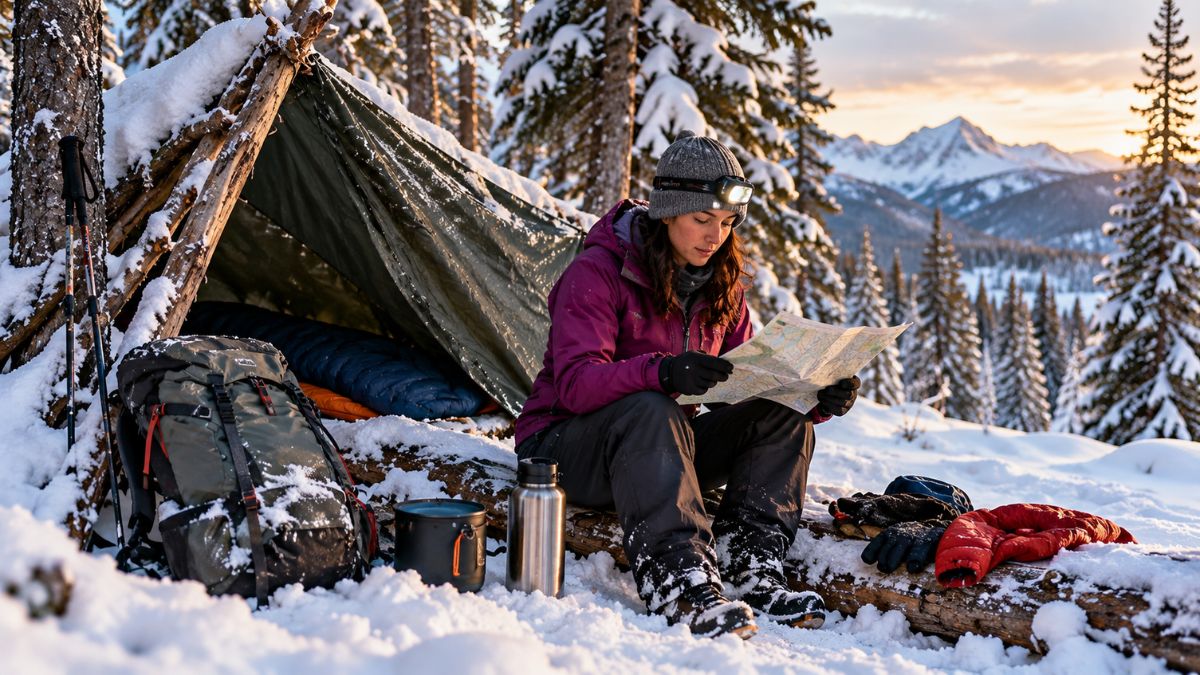
Winter can make a normal outdoor trip much harder.
Powder vs Hard-Packed Snow
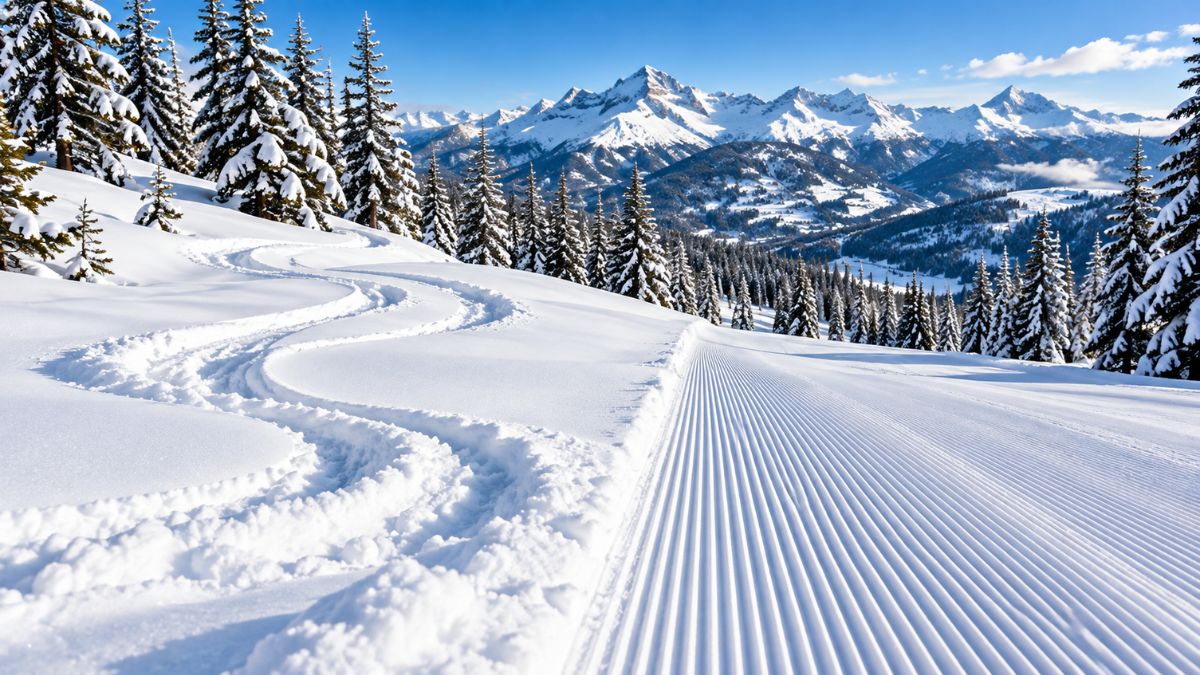
Snow can look the same from far away, but