
Powder vs Hard-Packed Snow
What Makes Snow Soft or Hard
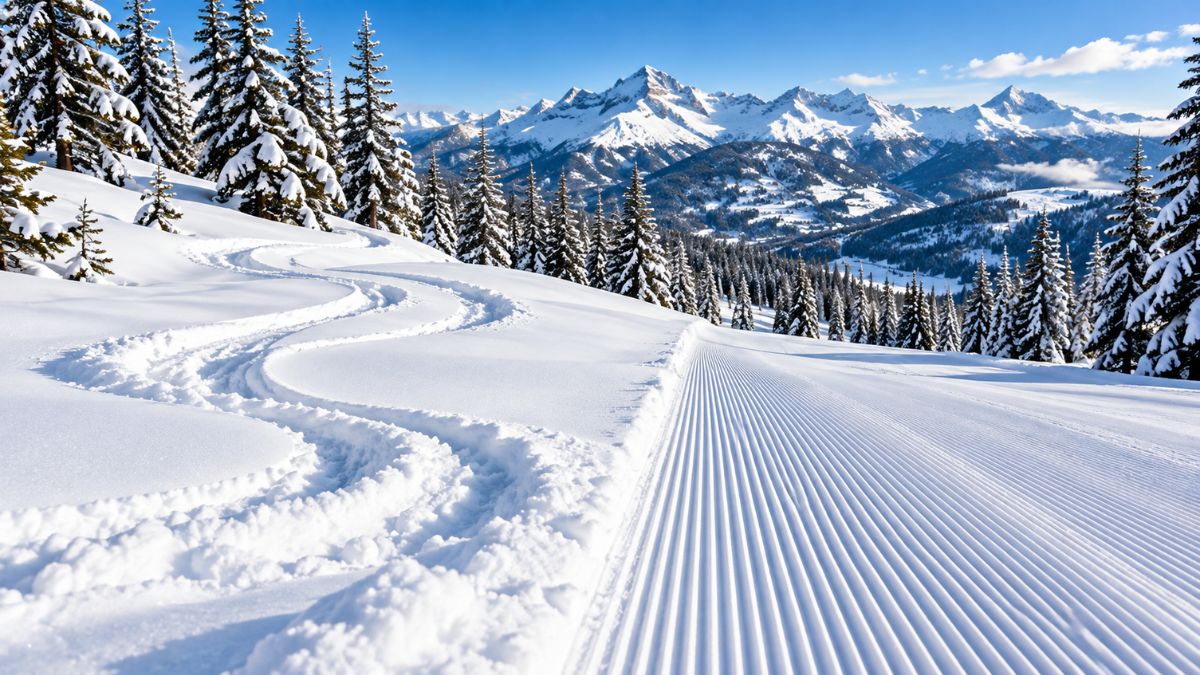
Fresh snow stays fluffy when the snow crystals have not been packed down very much. Cold temperatures can help snow stay light, especially after a dry storm. Wind, people, machines, and warming weather can all press or change the snow.
Hard-packed snow forms when many people travel over the same area or when snow melts a little and freezes again. Grooming machines can also make a smooth and firm surface at ski areas. Hard snow is not always bad, but it usually gives less soft cushioning when someone falls.
How Snow Conditions Change Winter Sports
Skiers and snowboarders often enjoy fresh powder because it can feel soft and smooth. Deep powder can also be harder for beginners because skis and boards may sink or turn differently. Hard-packed snow may feel easier to glide on, but it can also feel faster and more slippery.
Snowshoeing usually feels easier on packed trails because each step does not sink as far. Fresh deep snow takes more energy and can slow a person down. Snowmobilers also need enough snow cover to protect the land and help the machine travel safely over the trail.
Choosing the Right Day and Conditions
Check the local snow report before leaving home. Ski areas, parks, and trail systems often share information about new snow, grooming, trail openings, and weather. A day that sounds great for an expert may still be too difficult for a beginner. Temperature matters too. Warm afternoons can soften snow, while cold nights can freeze wet snow into a hard surface. Wind can move snow from one area to another and create deep drifts or bare icy spots. Fresh snow can hide rocks, holes, branches, and other objects. Deep snow around trees can also create dangerous spaces that are hard to see. Stay on marked trails and avoid unknown areas when you do not understand the terrain. Hard snow can make stopping take longer, especially on a steep hill. Slow down and give yourself more room. If the surface feels too fast or icy for your skill level, move to an easier area or wait for better conditions.
There is no single perfect type of snow. Powder can feel exciting, packed snow can feel smooth, and groomed trails can help beginners build confidence. Learning how snow changes helps you choose the right activity and the right pace. The more winter days you spend outside, the easier it becomes to notice small changes in the snow. Check conditions, pay attention to temperature and wind, and be willing to change plans. Winter is more fun when you work with the snow instead of fighting it.


How to Stay Safe Around Wildlife
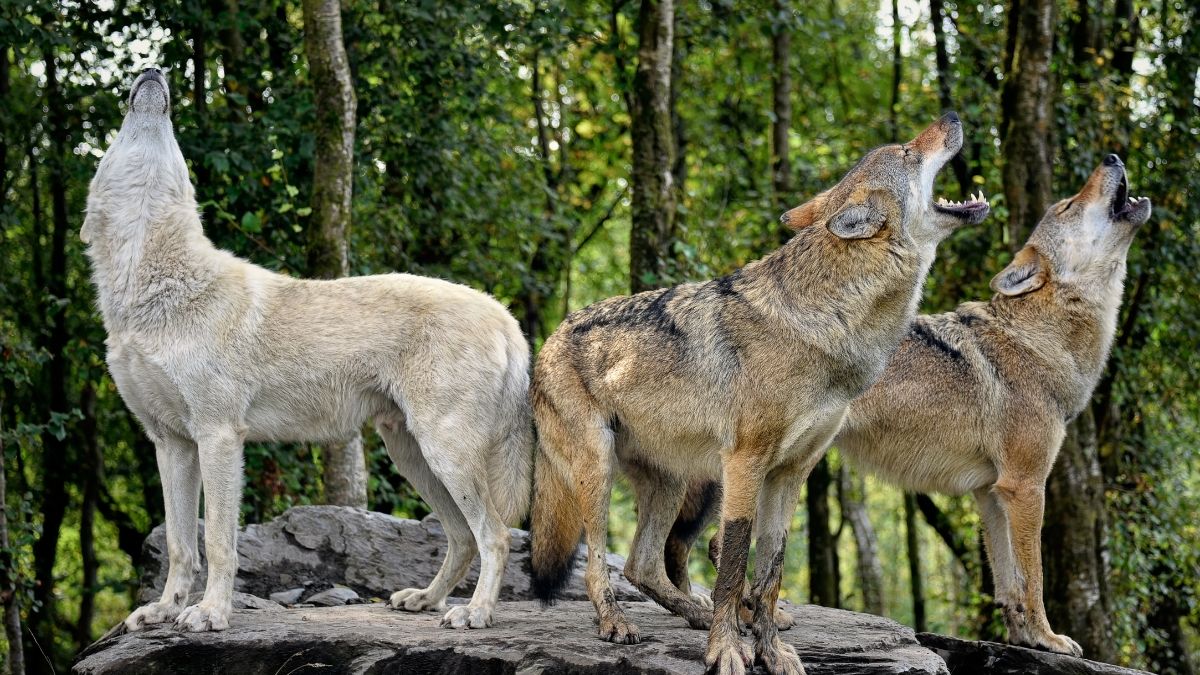
Seeing wildlife can be one of the best parts
Animal Tracking for Beginners
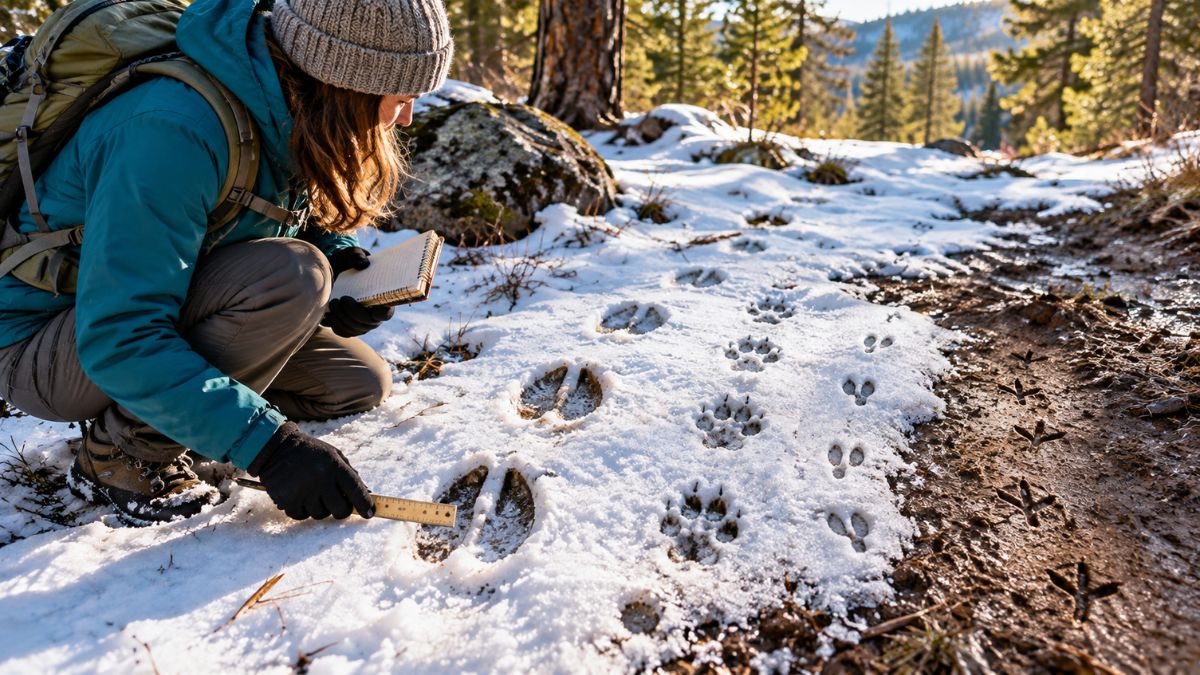
You do not have to see an animal to know
What Is Forest Bathing and How Do You Do It
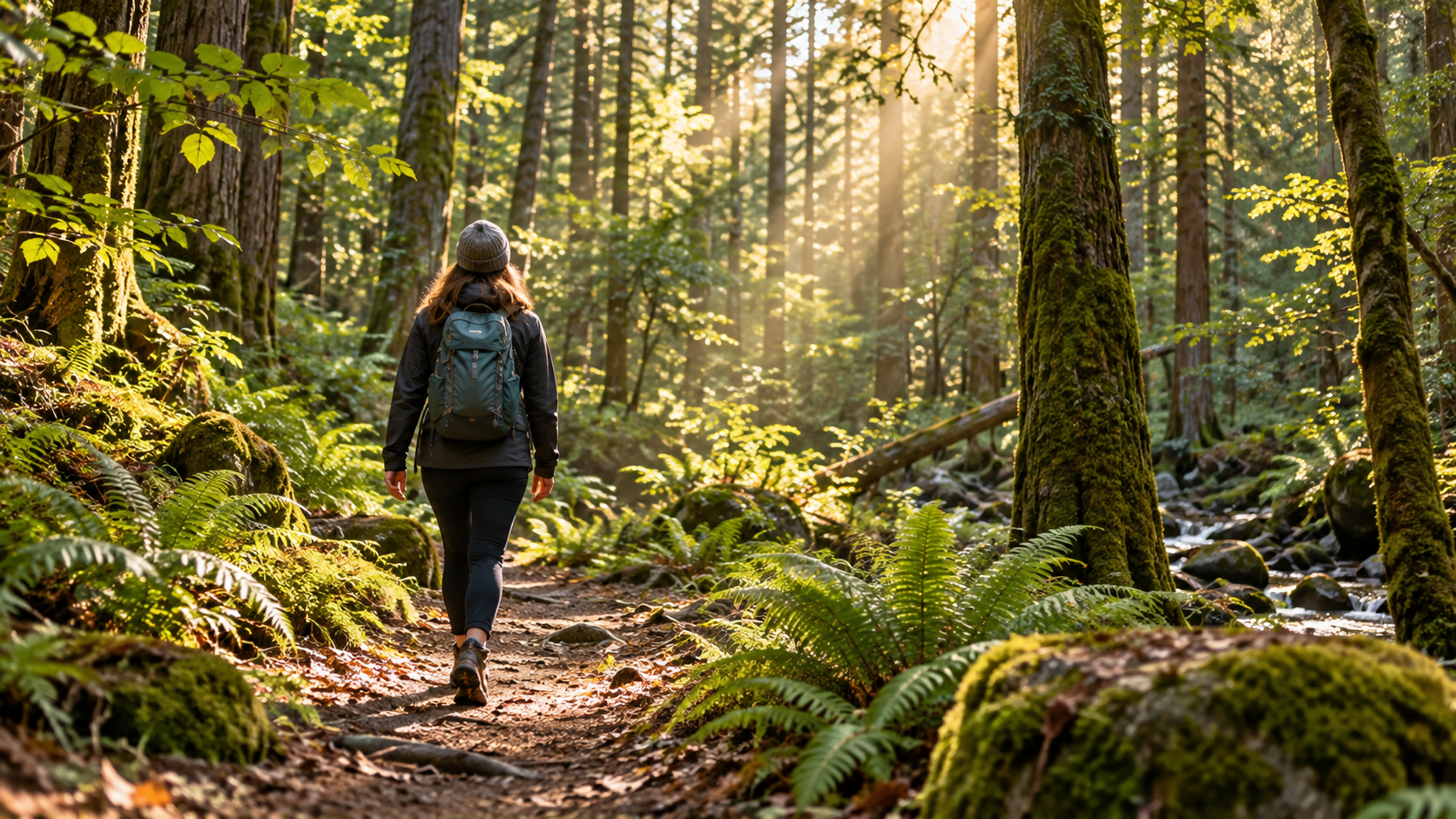
Forest bathing does not mean taking a bath in
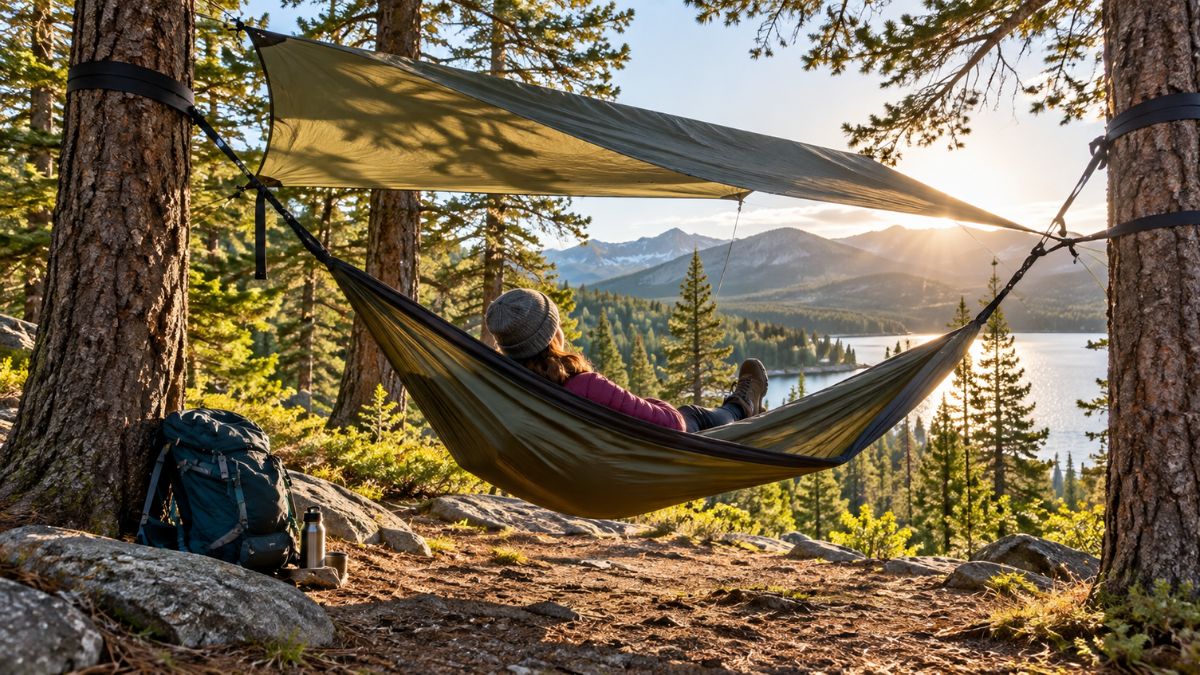
Hammock Camping for Beginners
A hammock can turn a quiet outdoor spot into a
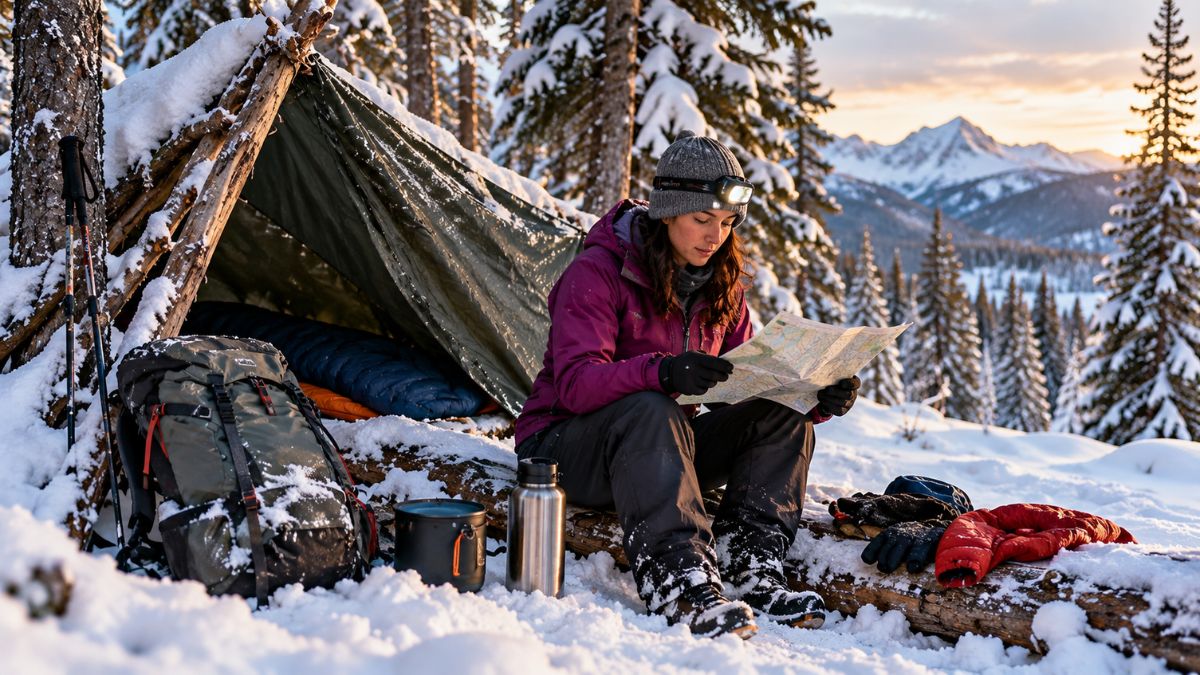
Winter Survival Tips for Outdoor Adventures
Winter can make a normal outdoor trip much harder.
Powder vs Hard-Packed Snow
Snow can look the same from far away, but