
Hammock Camping for Beginners
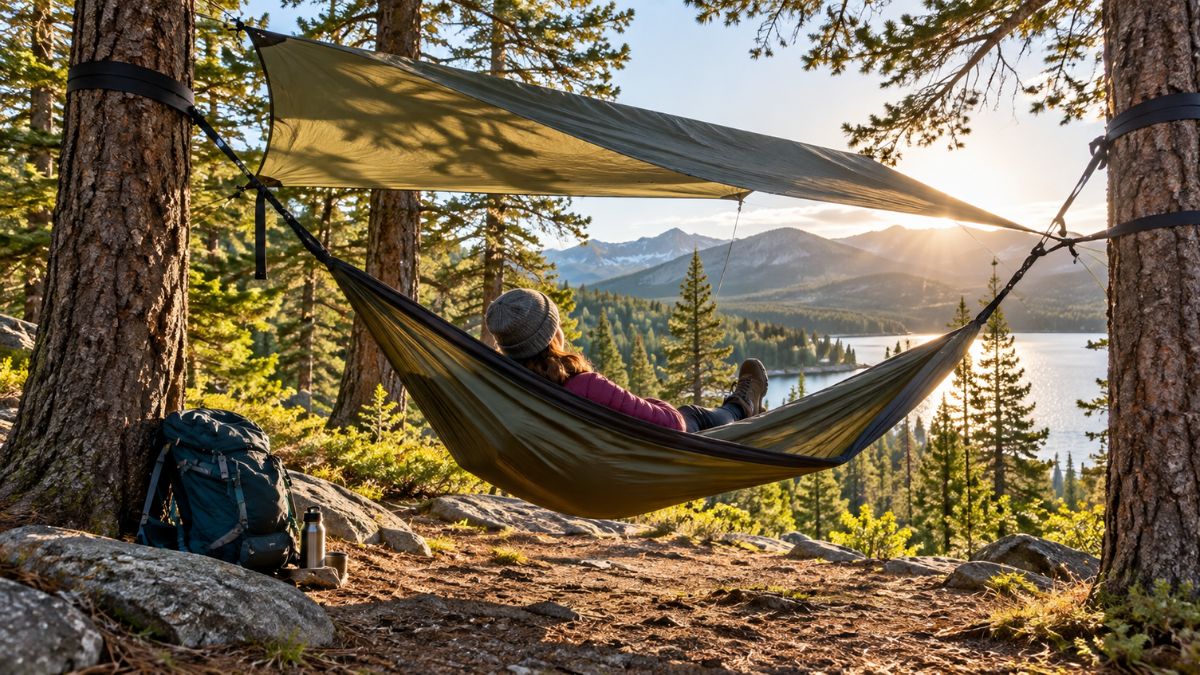
The most important part is choosing a safe setup. A hammock needs strong trees, good straps, and enough space between the trees. You also need to make sure hammocks are allowed where you plan to camp.
Choose the Right Place to Hang
Look for two healthy trees with strong trunks. Never use dead trees, weak trees, or branches that look like they could fall. Look above the hammock too, because a dead limb can be dangerous even when the tree trunk looks strong.
Use wide tree-friendly straps instead of thin rope. Wide straps spread the pressure across more bark and can lower the chance of tree damage. Wrap straps around the tree trunk instead of hanging from branches, and never hammer nails, screws, or other hardware into living trees.
Make the Hammock Comfortable
A hammock should hang with a gentle curve instead of being pulled as tight as a board. A little sag gives your body room to settle into a more natural position. Many campers lie a little sideways instead of sleeping in one straight line because it can help the body feel flatter.
Cold air can move under a hammock and make you feel chilly even when the night does not seem very cold. Bring warm layers and use insulation under your body when the weather calls for it. A tarp above the hammock can also help keep rain, dew, or light snow away from your sleeping area.
Protect the Trees and Campsite
Use an established campsite when possible and avoid damaging plants around the hammock. Do not cut branches just to make a spot fit. Keep food, trash, and scented items stored in the way local land managers require so wildlife does not learn to visit campsites for food. Check local rules before setting up because some parks and recreation areas do not allow hammocks on trees. Other places may have rules about tree size, strap width, distance from water, or where camping is allowed. Following those rules helps protect the land and keeps hammocking available for future visitors. Keep your hammock low enough that getting in and out is easy. A high hammock may look fun, but a fall can cause a serious injury. A simple setup close to the ground is usually more comfortable and safer.
Practice setting up the hammock at home before taking it into the woods. Learn how your straps work and how far apart the trees need to be. A practice setup saves time when you arrive at camp near dark or in bad weather. Hammocking can also be a great daytime outdoor activity. Bring a book, listen to birds, watch clouds, or simply take a quiet break during a hike. You do not have to spend the night in a hammock to enjoy the feeling of resting outside.
Hammock camping works best when the setup is simple and gentle on the land. Choose strong trees, use wide straps, check overhead hazards, and follow local rules. Once you learn the basics, a hammock can become one of the easiest ways to slow down and enjoy the outdoors.



How to Stay Safe Around Wildlife
Seeing wildlife can be one of the best parts
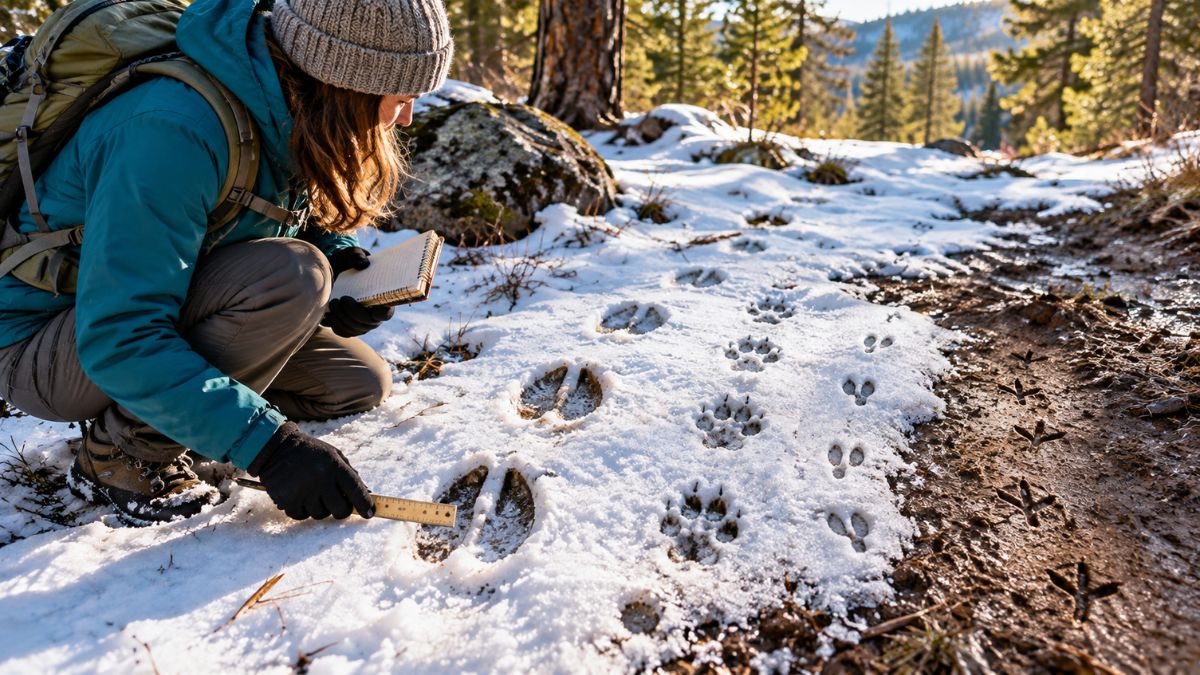
Animal Tracking for Beginners
You do not have to see an animal to know
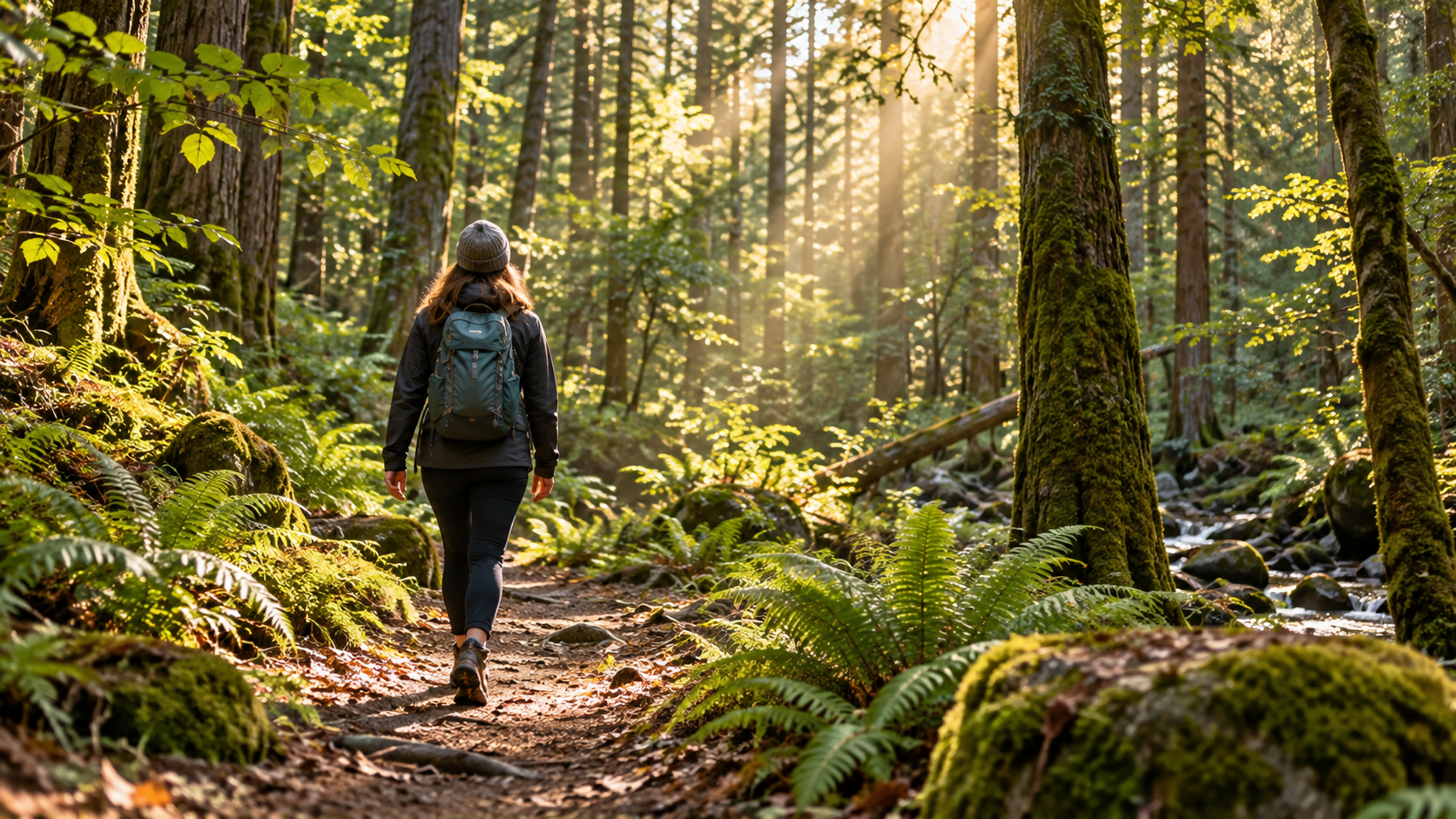
What Is Forest Bathing and How Do You Do It
Forest bathing does not mean taking a bath in
Hammock Camping for Beginners
A hammock can turn a quiet outdoor spot into a
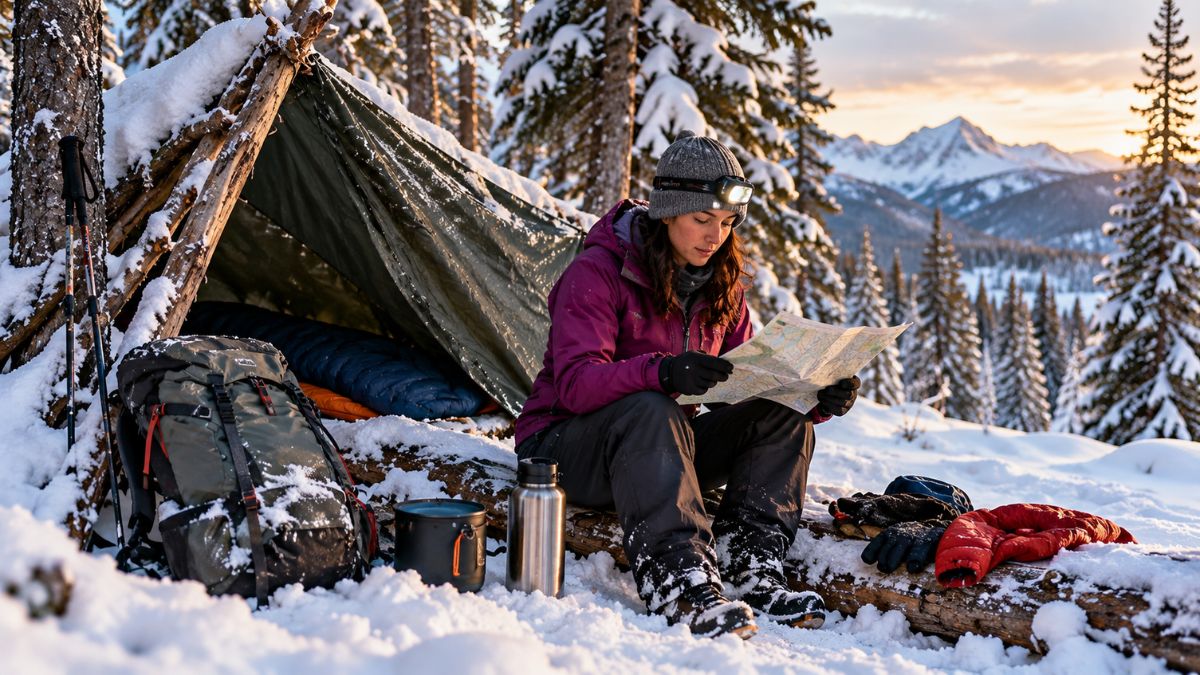
Winter Survival Tips for Outdoor Adventures
Winter can make a normal outdoor trip much harder.

Powder vs Hard-Packed Snow
Snow can look the same from far away, but