A Quieter Carry: Organize Your Hunting Binoculars and Field Notes
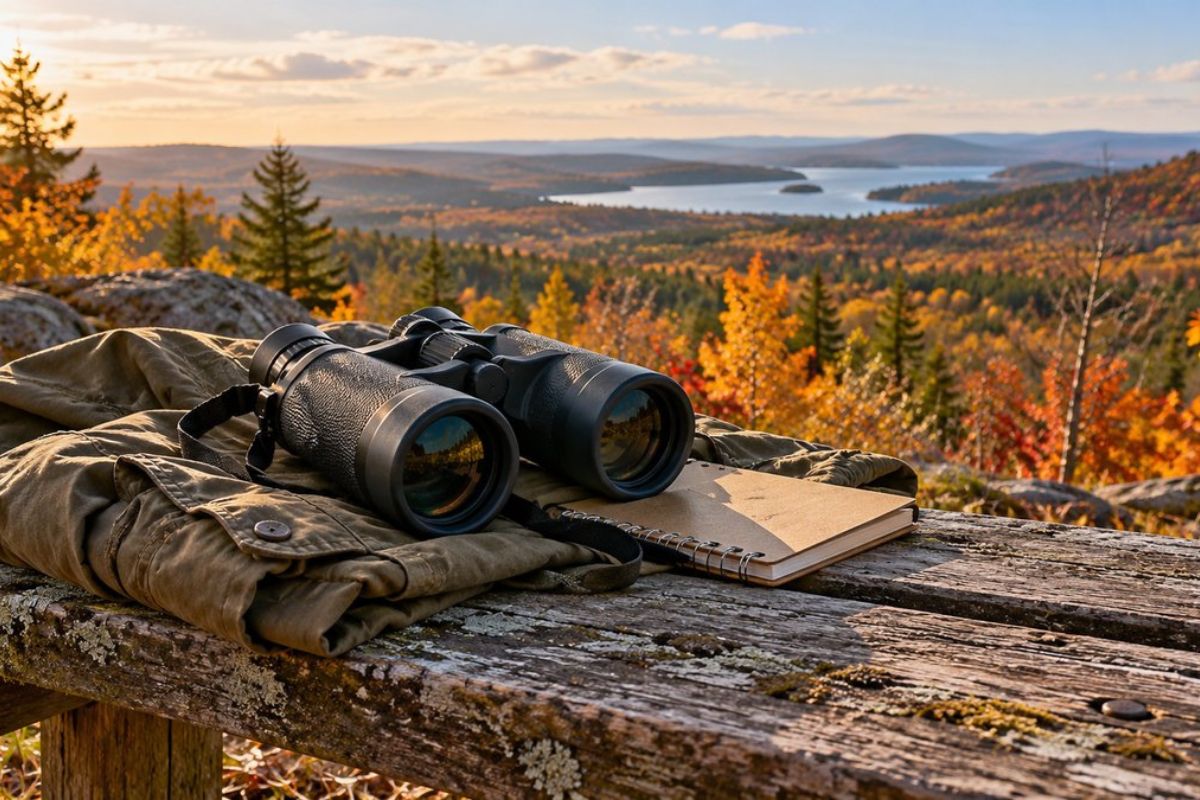
A zipper catches your glove. A loose buckle taps against a binocular barrel. Your notebook is somewhere inside the pack, underneath lunch. None of these problems seems important at home, but together they can interrupt the quiet observation you went outside to enjoy.
Organizing your hunting optics is less about collecting accessories and more about building a repeatable routine. A comfortable carry system and a useful place for notes can help you spend less time adjusting equipment and more time paying attention to your surroundings.
Start with the Jacket You Will Actually Wear
Try your binocular strap or harness over your fall layers, then put on your daypack. Check whether the straps overlap awkwardly or whether the binoculars bounce as you walk. Adjust the fit while standing and sitting, since a setup that feels fine in the driveway may become distracting during a longer outing.
Look for interference around jacket pockets and the pack’s chest strap. You should be able to reach the optics without fighting several layers of webbing. If you need to tighten a strap so much that it becomes uncomfortable, reconsider the arrangement rather than forcing the fit.
Practice Access Before Adding Pockets
Open the harness, remove the binoculars, use them, and return them several times while wearing your gloves. Notice which movements feel smooth and which require extra attention. Check whether a tether provides useful security without pulling the optics away from your face.
Then decide what belongs in the harness itself. A lens cloth stored in a clean pouch may earn its place; a collection of rarely used accessories may not. Adding pockets can solve an access problem, but it can also make a compact system bulky. Give every extra item a specific purpose.
Protect the Glass Without Overcomplicating Care
Keep lens covers available and protect your optics from loose grit in the pack. Follow the manufacturer’s cleaning instructions and use materials intended for optical surfaces. Avoid treating a muddy sleeve as a convenient cleaning cloth simply because it is within reach.
Make a clean, dry storage spot part of your return-home routine. Inspect straps, attachment points, and closures while you put equipment away. Small issues are easier to notice when you check the same components regularly instead of discovering a loose connection during the next outing.
Take Notes You Can Understand Later
A field notebook does not need elaborate diagrams or specialized shorthand. Start with the date, general location, weather observations, and what you actually noticed. Separate direct observations from guesses so a promising interpretation does not quietly become a fact in your memory.
Record access issues and practical details too: a confusing trail junction, a pack adjustment, or a place where you wanted a longer stop. If you use a phone, download necessary maps in advance and account for battery use. Keep sensitive location information private when sharing photographs or notes online.
Let Organization Support Responsible Planning
Before scouting or hunting, verify land access, local closures, and the current rules that apply to your activity. A tidy harness is no substitute for permission, required education, or a clear trip plan. Carry appropriate essentials and tell someone where you are going and when you expect to return.
Afterward, remove one thing that repeatedly got in your way and improve one thing you reached for often. That approach creates a field setup shaped by actual use. The best organized equipment is the equipment you can operate comfortably without giving it your full attention.
Find more gear ideas and outdoor inspiration in Explore Gear’s Hunting guides.



What Is Forest Bathing and How Do You Do It
Forest bathing does not mean taking a bath in
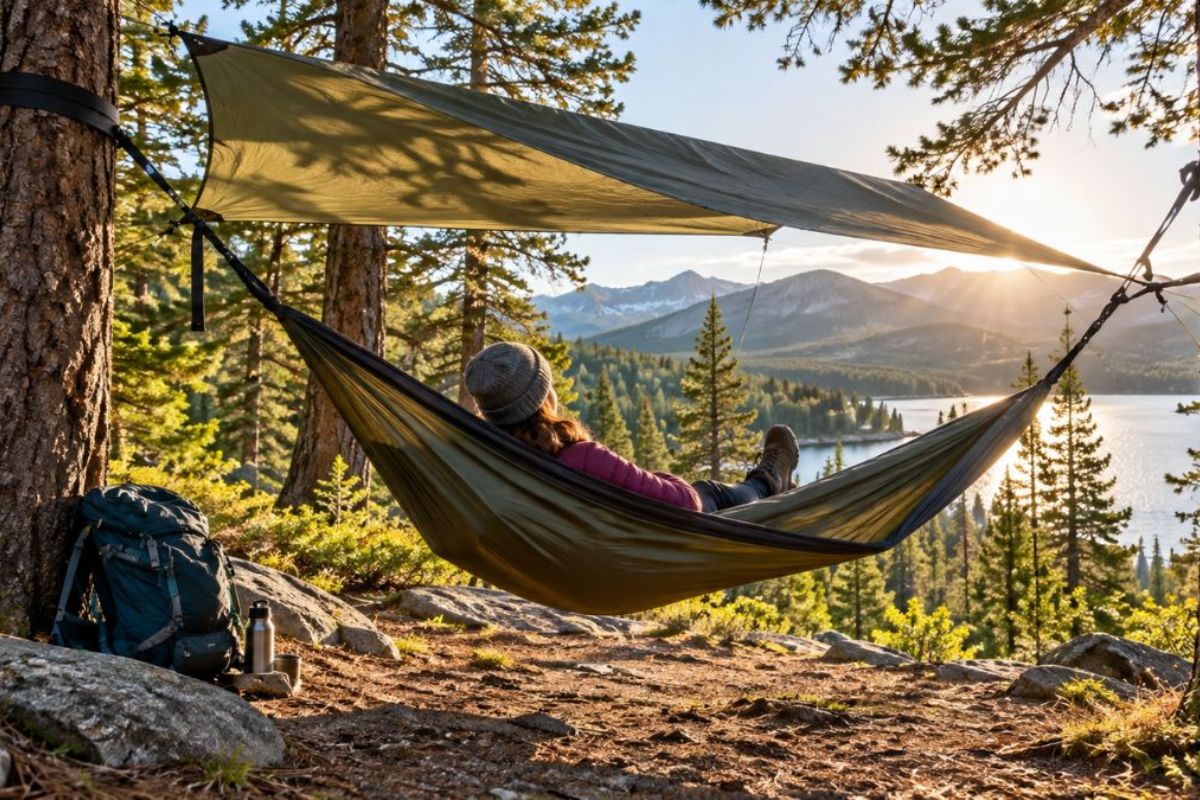
Hammock Camping for Beginners
A hammock can turn a quiet outdoor spot into
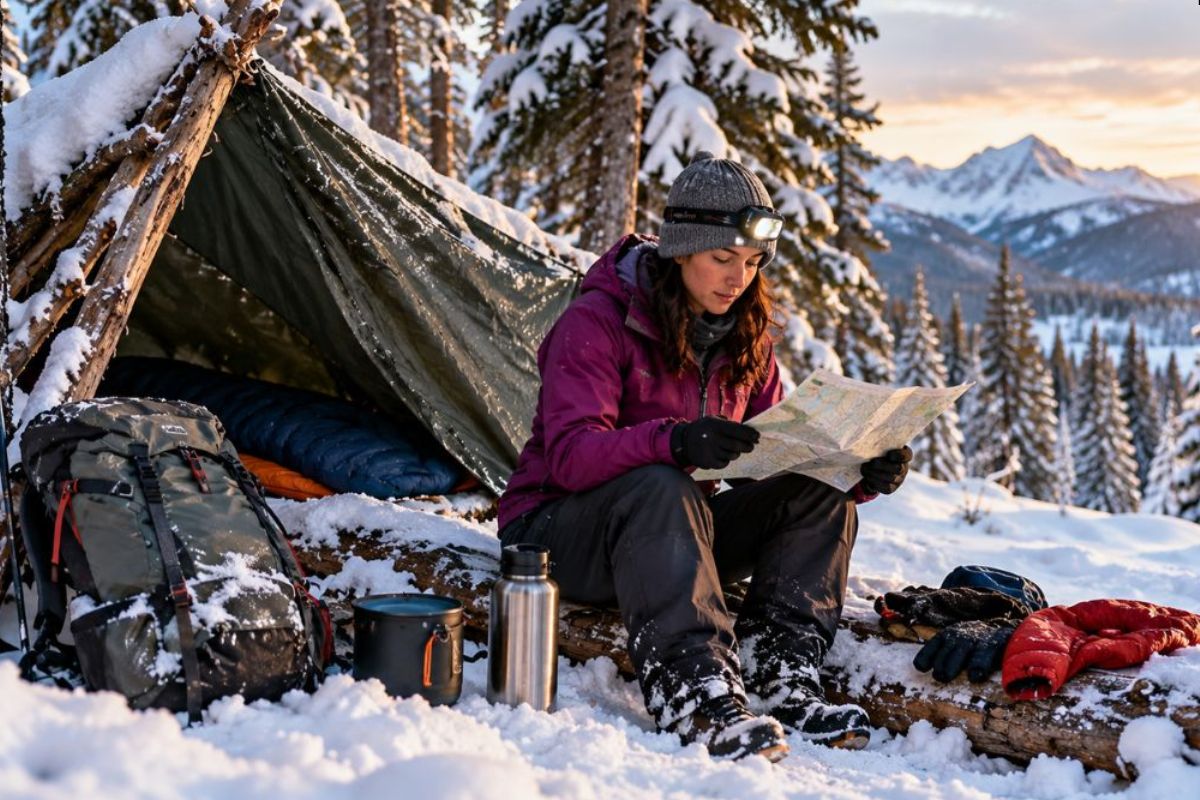
Winter Survival Tips for Outdoor Adventures
Winter can make a normal outdoor trip much harder.

Powder vs Hard-Packed Snow
Snow can look the same from far away, but

What to Expect on Your First Day at a Ski Resort
A first trip to a ski resort can feel
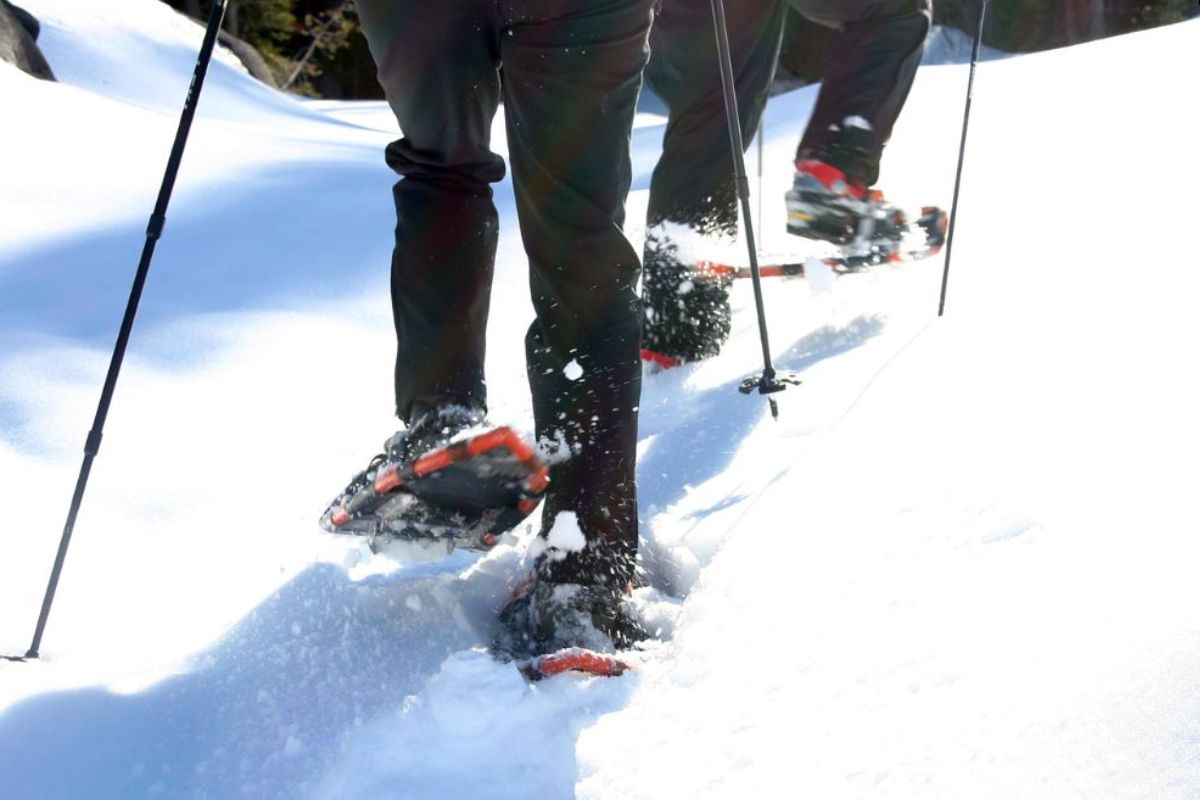
Snowshoeing for Beginners
Snowshoeing is one of the easiest winter sports to