
ATVs vs Side-by-Sides for Trail Riding
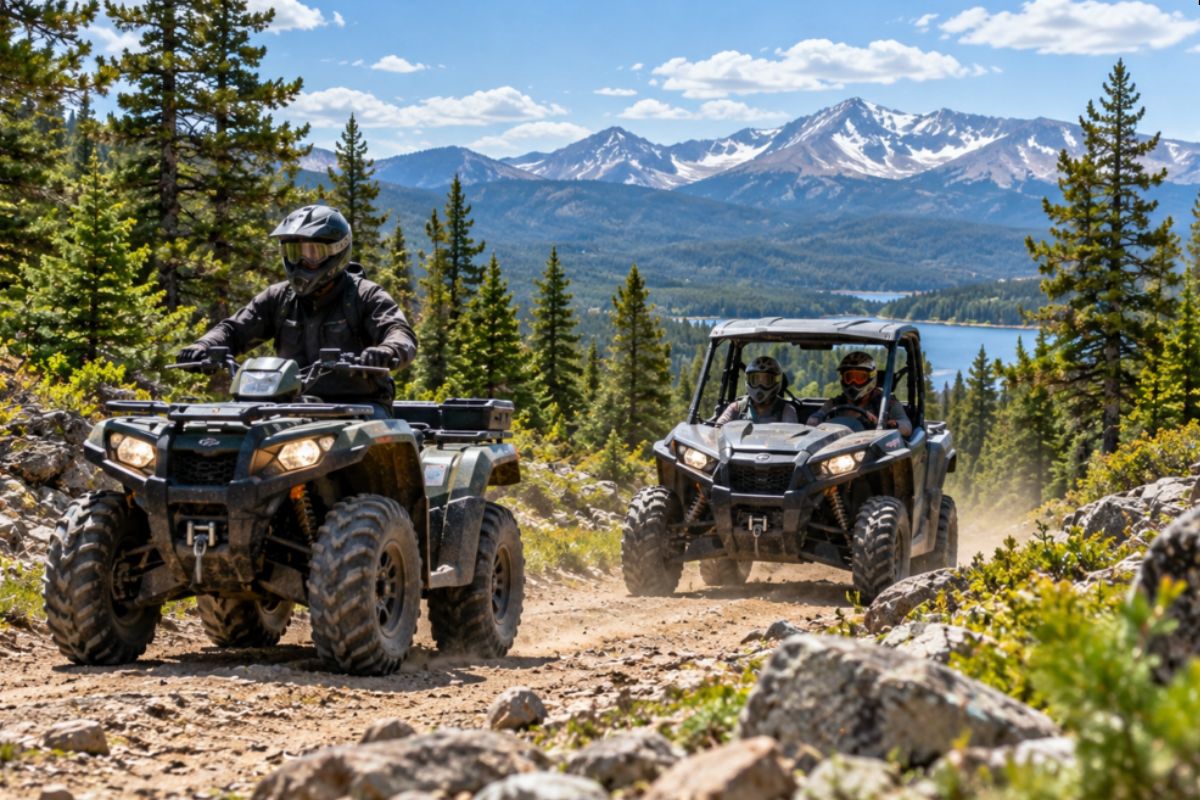
How ATVs Feel on the Trail
ATVs are small enough to fit on many narrow trails. The rider uses handlebars to steer and moves body weight to help control the machine on hills and turns. This makes ATV riding active because the rider is always working with the vehicle as the ground changes.
The small size of an ATV can make it easy to move through wooded trails and tight spaces. It can also mean less room for passengers, bags, or other supplies. Most ATVs are made for one rider, so a passenger should only ride if the ATV was built with a real passenger seat.
How Side-by-Sides Feel on the Trail
A side-by-side feels more like driving a small off-road car. Riders sit in seats and use a steering wheel, and the vehicle may have doors, a roof, storage space, and seat belts. This can make long trail rides more comfortable for families or groups.
Side-by-sides are wider than most ATVs, so they may not fit on every trail. Some public trails have width or weight limits, and a larger machine may need a route made for bigger off-road vehicles. Always check the trail map before leaving because a trail that allows ATVs may not allow every side-by-side.
Choosing the Right Type for Your Trip
An ATV may be a good fit when you want a simple machine for one rider and plan to use narrow trails. A side-by-side may work better when you want to ride with another person or carry more supplies. The land you plan to ride should be one of the first things you check before choosing either one.
Rider size and age matter too. A young rider should never be placed on an adult ATV just because the machine seems easy to drive. Riders younger than 16 should use only age-appropriate youth models, and everyone should follow the vehicle maker’s rules for riders and passengers. Speed and power should never be the main reason to choose an off-road vehicle. A machine that is too large or too powerful can be harder for a new rider to control. Starting with a vehicle that matches your skill level gives you time to learn braking, turning, hills, and trail rules before moving to something more powerful.
Safety gear matters on every ride. ATV riders should wear a proper helmet, eye protection, gloves, long pants, boots, and other protective clothing. Side-by-side riders should use the seats and safety belts as designed and keep arms and legs inside the vehicle. Both ATVs and side-by-sides can be a fun way to explore trails and public land. The important part is choosing a machine that fits the rider and the trail instead of choosing the biggest or fastest one. A good ride is one where everyone has fun and gets back safely. Before your first trip, learn the local rules and consider taking a hands-on safety course. Trail signs, age rules, vehicle registration, and riding areas can change from place to place. A little planning before the ride can prevent a lot of trouble once you are far from home.
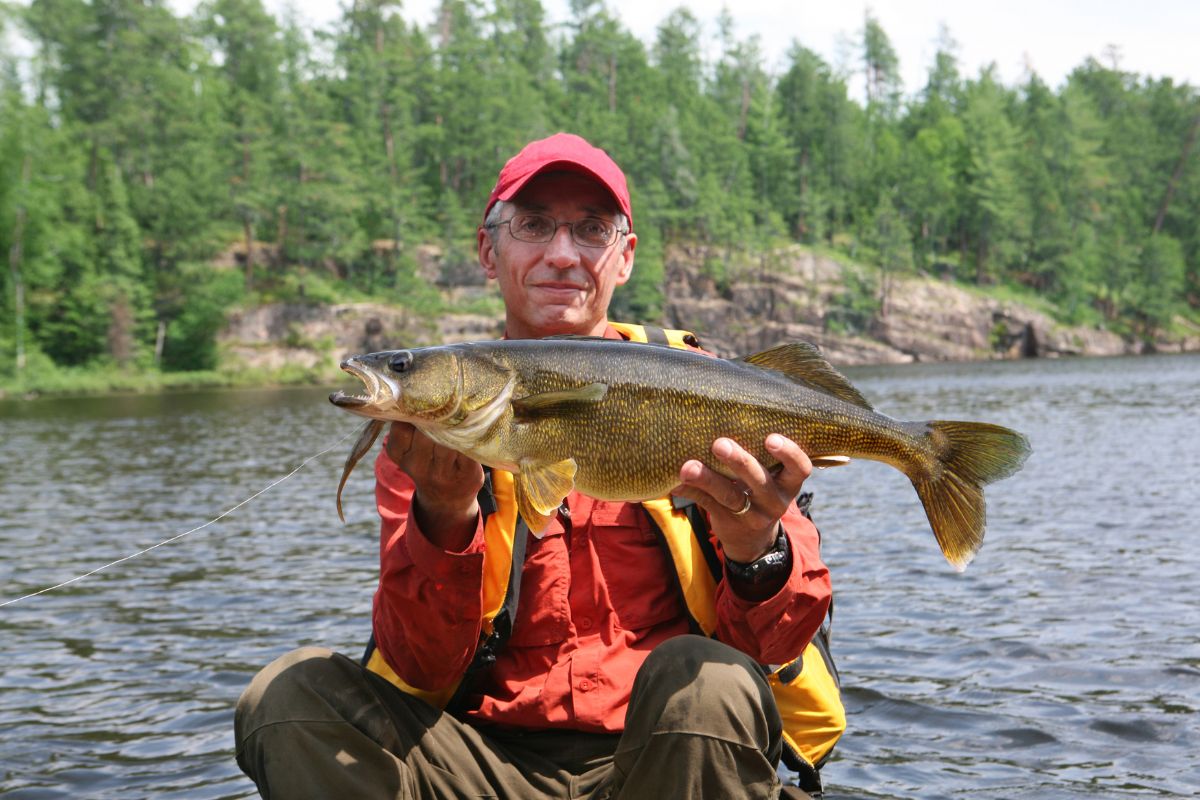
Spring River Walleye Fishing: The Best Bite of the Year
In many northern states and provinces, walleye fishing seasons close
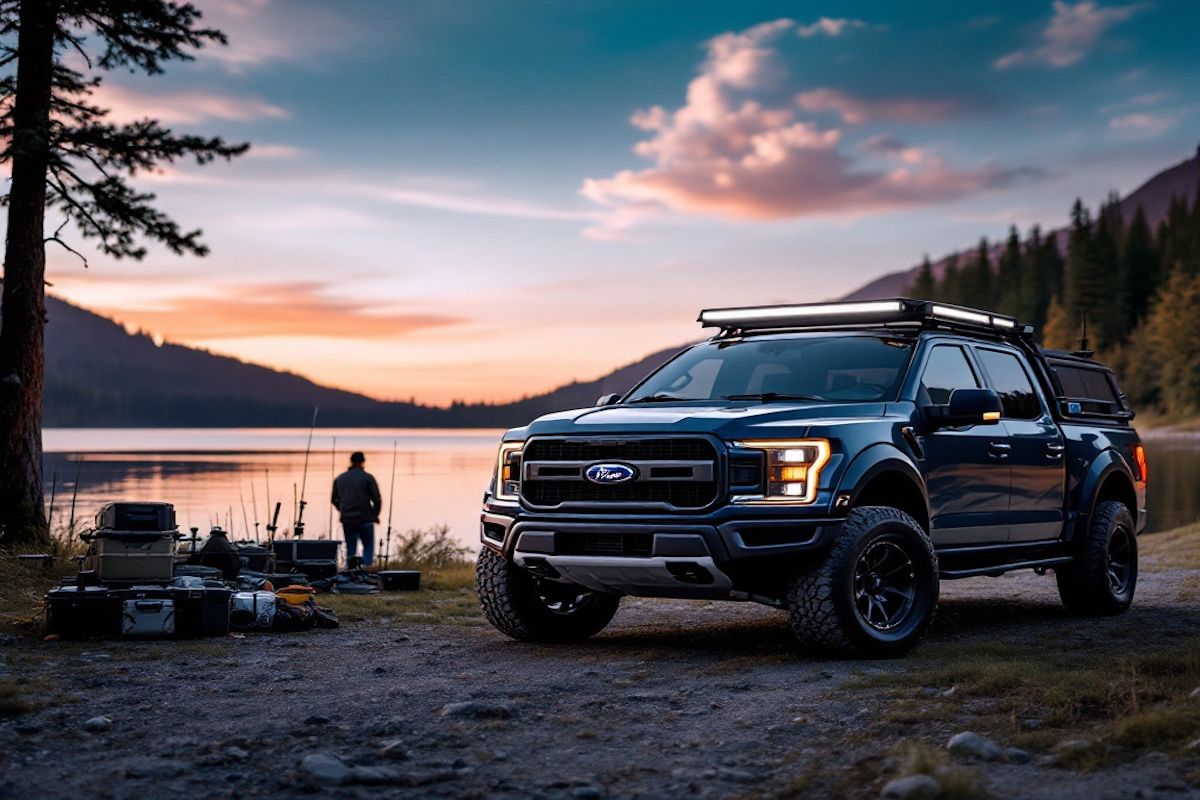
Why the Ford F-150 is the Ultimate Versatile Truck for Outdoor Adventures
The Ford F-150 has cemented its reputation as America’s best-selling

ATV Mudding: Thrills, Prep, and Recovery for Spring and Summer
ATV mudding is more than just a hobby—it’s a full-throttle
CORDIA: Premium Hunting Apparel Built for the Field
Founded by seasoned hunters in South Texas, CORDIA is a
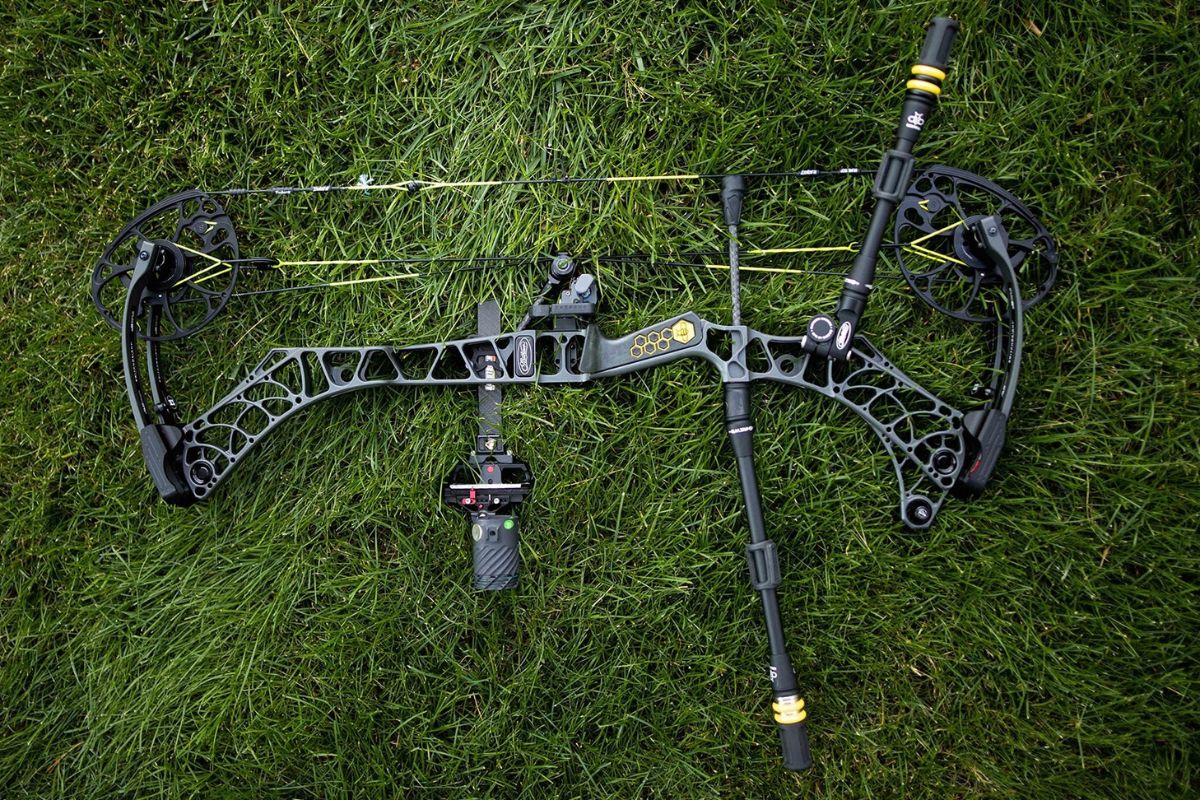
Battle Of the Bow Hunting Brands
Compound bows have revolutionized the world of archery by combining

Don’t Touch These Plants! A Guide to Poisonous Plants and Outdoor Safety
The great outdoors offers incredible opportunities for recreation and relaxation.
SHARE THIS STORY ANYWHERE YOU LIKE
SHARE THIS STORY ANYWHERE

Snowmobiling Safely: Essential Gear to Stay Warm, Protected, and Ready for the Ride
Snowmobiling is one of the most exciting ways to explore winter landscapes, offering speed, adventure, and access to areas that are otherwise unreachable during colder months. However, with that excitement comes real risks—from freezing temperatures

Walleye Ice Fishing 101: Structure, Depth, and Presentations That Produce All Season
Start with structure: where the walleyes concentrate Winter walleyes are predictable: they relate to structure and transitions where baitfish congregate. Key features to search are drop-offs, ledges, humps, long points, saddles between basins, and channels