
Backcountry Snowmobiling: Navigating Off-Trail Adventures
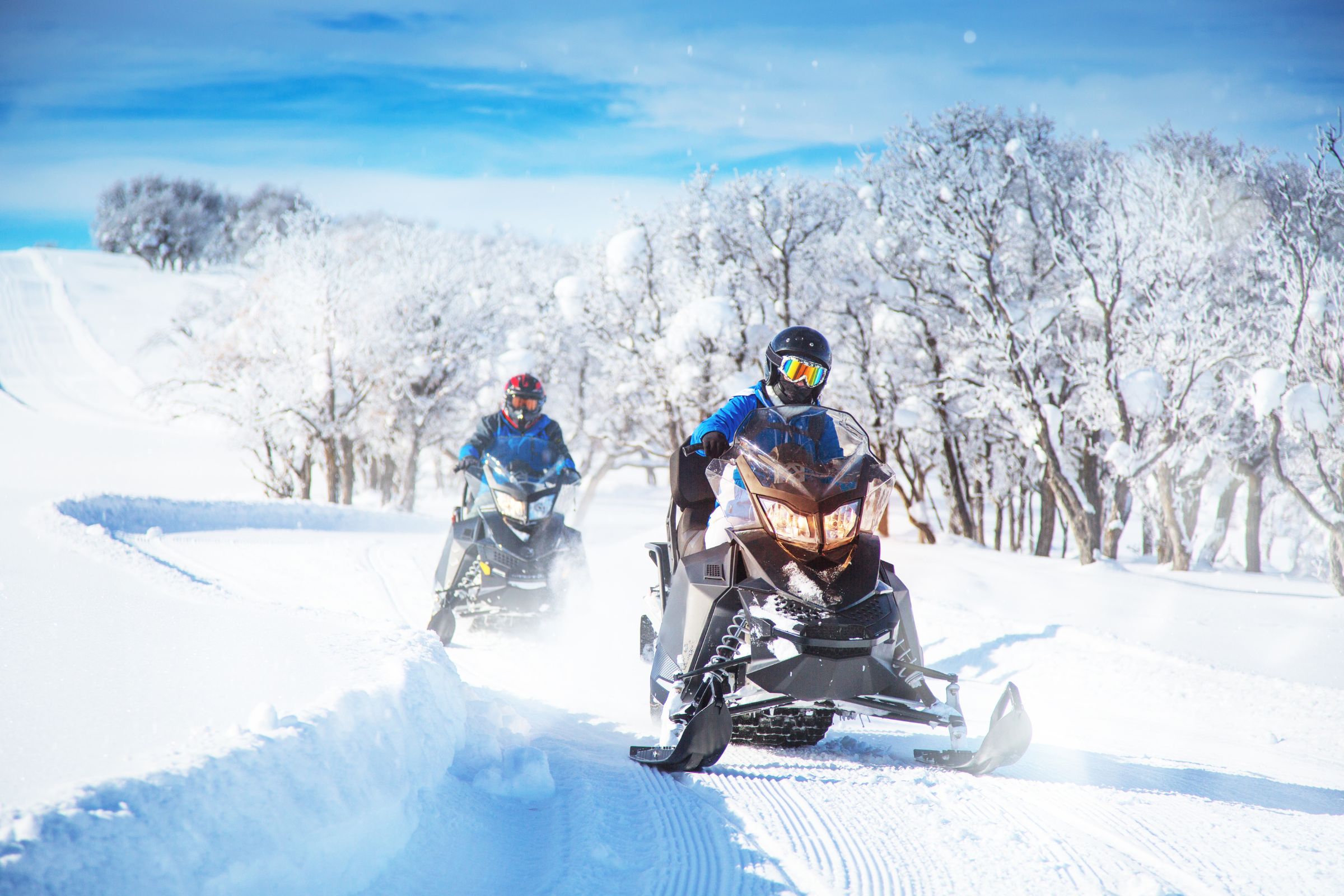
The allure of untouched powder, the freedom of exploring vast landscapes, and the thrill of conquering challenging terrain—these are the hallmarks of backcountry snowmobiling. While groomed trails offer a structured experience, venturing off-trail opens up a world of exhilarating possibilities. However, backcountry riding demands careful preparation, skill, and a deep respect for the environment.
What is Backcountry Snowmobiling?
Backcountry snowmobiling involves riding in ungroomed, often remote areas. This can include:
- Mountainous regions: Exploring alpine bowls, forested areas, and steep inclines.
- Wilderness areas: Navigating through untouched landscapes, away from established trails.
- Open meadows and fields: Discovering hidden gems and enjoying the freedom of wide-open spaces.
Essential Preparations:
- Skill and Experience:
- Backcountry riding requires advanced snowmobiling skills. Riders should be proficient in handling their machines in various snow conditions and terrain.
- It is not a place for beginners.
- Avalanche Awareness:
- Avalanche safety is paramount in mountainous backcountry areas.
- Take an avalanche safety course, carry avalanche safety gear (beacon, shovel, probe), and understand how to assess avalanche risk.
- Navigation:
- Carry a reliable GPS device, maps, and a compass.
- Learn how to navigate in unfamiliar terrain and be prepared for changing weather conditions.
- Gear and Equipment:
- Ensure your snowmobile is in excellent working condition.
- Pack essential gear, including a first-aid kit, repair tools, extra fuel, food, and water.
- Wear appropriate clothing for extreme cold and changing conditions.
- Safety First:
- Never ride alone. Always go with a group and inform someone of your planned route.
- Be aware of local regulations and obtain any necessary permits.
- Communication devices such as satellite communication devices are very important.
Key Considerations:
- Terrain Awareness:
- Be mindful of hidden obstacles, such as rocks, tree stumps, and deep crevasses.
- Assess terrain carefully before riding and avoid areas that pose excessive risk.
- Environmental Responsibility:
- Respect wildlife and their habitats.
- Stay on designated trails where applicable, and avoid damaging fragile ecosystems.
- “Leave no trace” is a very important concept.
- Weather Conditions:
- Backcountry weather can change rapidly.
- Check the forecast before heading out and be prepared for sudden shifts in temperature and visibility.
The Rewards:
Despite the challenges, backcountry snowmobiling offers unparalleled rewards. The sense of adventure, the breathtaking scenery, and the feeling of accomplishment are truly unforgettable.
In Conclusion:
Backcountry snowmobiling is an exhilarating way to experience the beauty and power of winter landscapes. However, it requires careful planning, advanced skills, and a strong commitment to safety. By prioritizing preparation and responsible riding practices, you can enjoy the thrill of off-trail adventures while minimizing risks.

Fall Pike Fishing Playbook: Locations, Lures, and Tactics for Giants
When water temps slide and baitfish start staging, northern pike

2025 New Hunting Gear and Apparel Launch by Badlands Gear
If you're waiting to gear up until season starts, it's

Hunt Smarter This Fall: Proven Stand and Blind Strategies for Deer
Getting ready for fall deer hunting season means more than

Three Wheelers: A Cheesy, Mud-Slinging Trip Down Memory Lane
The Enduring Charm of the Three Wheeler: A Nostalgic Ride

The Best Camping Stoves for Every Outdoor Adventure
When it comes to outdoor cooking, the right stove can

Summer Scouting for Public Land Whitetail Deer
For hunters who want to increase their odds during deer