
Backcountry Snowmobiling: Navigating Off-Trail Adventures
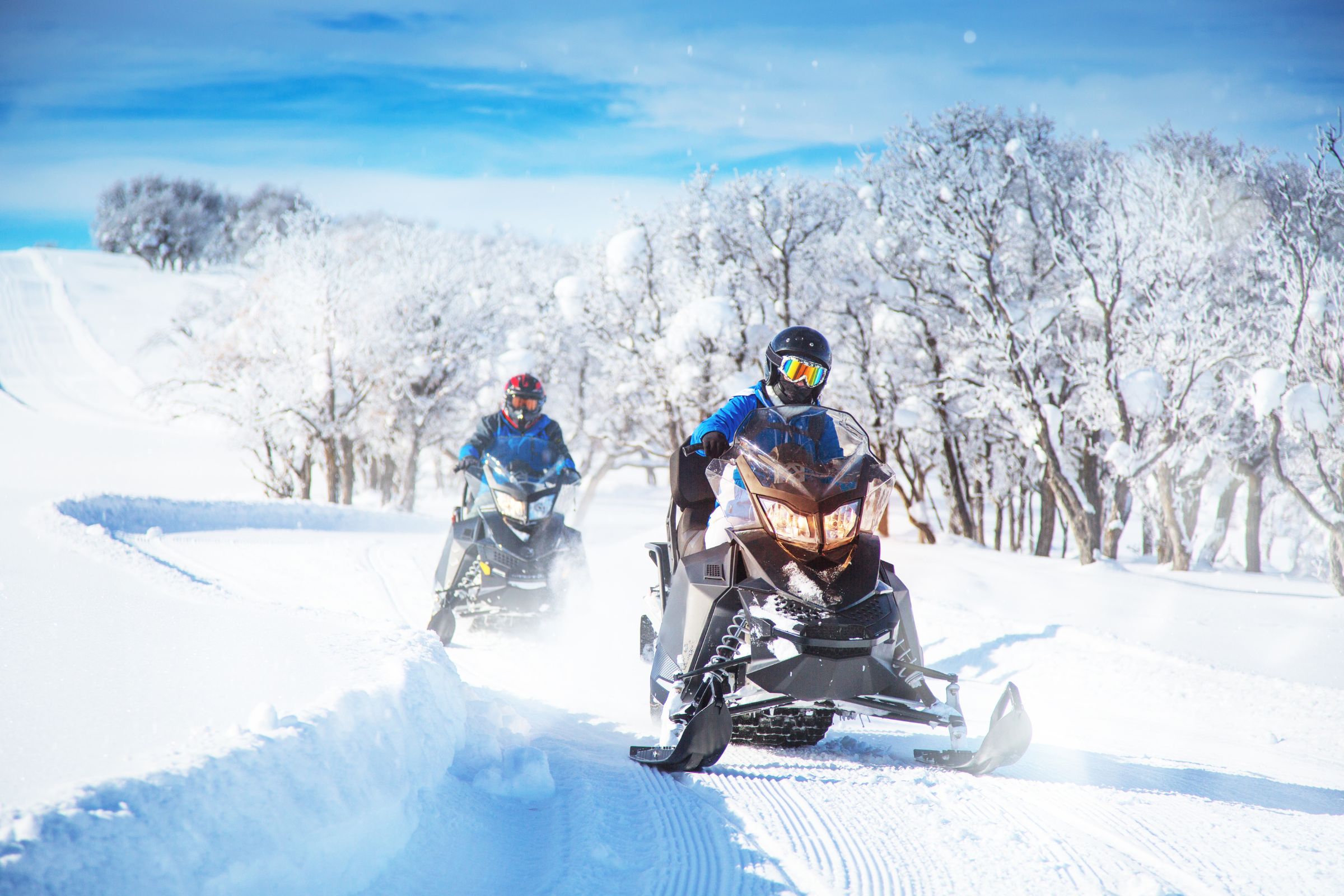
The allure of untouched powder, the freedom of exploring vast landscapes, and the thrill of conquering challenging terrain—these are the hallmarks of backcountry snowmobiling. While groomed trails offer a structured experience, venturing off-trail opens up a world of exhilarating possibilities. However, backcountry riding demands careful preparation, skill, and a deep respect for the environment.
What is Backcountry Snowmobiling?
Backcountry snowmobiling involves riding in ungroomed, often remote areas. This can include:
- Mountainous regions: Exploring alpine bowls, forested areas, and steep inclines.
- Wilderness areas: Navigating through untouched landscapes, away from established trails.
- Open meadows and fields: Discovering hidden gems and enjoying the freedom of wide-open spaces.
Essential Preparations:
- Skill and Experience:
- Backcountry riding requires advanced snowmobiling skills. Riders should be proficient in handling their machines in various snow conditions and terrain.
- It is not a place for beginners.
- Avalanche Awareness:
- Avalanche safety is paramount in mountainous backcountry areas.
- Take an avalanche safety course, carry avalanche safety gear (beacon, shovel, probe), and understand how to assess avalanche risk.
- Navigation:
- Carry a reliable GPS device, maps, and a compass.
- Learn how to navigate in unfamiliar terrain and be prepared for changing weather conditions.
- Gear and Equipment:
- Ensure your snowmobile is in excellent working condition.
- Pack essential gear, including a first-aid kit, repair tools, extra fuel, food, and water.
- Wear appropriate clothing for extreme cold and changing conditions.
- Safety First:
- Never ride alone. Always go with a group and inform someone of your planned route.
- Be aware of local regulations and obtain any necessary permits.
- Communication devices such as satellite communication devices are very important.
Key Considerations:
- Terrain Awareness:
- Be mindful of hidden obstacles, such as rocks, tree stumps, and deep crevasses.
- Assess terrain carefully before riding and avoid areas that pose excessive risk.
- Environmental Responsibility:
- Respect wildlife and their habitats.
- Stay on designated trails where applicable, and avoid damaging fragile ecosystems.
- “Leave no trace” is a very important concept.
- Weather Conditions:
- Backcountry weather can change rapidly.
- Check the forecast before heading out and be prepared for sudden shifts in temperature and visibility.
The Rewards:
Despite the challenges, backcountry snowmobiling offers unparalleled rewards. The sense of adventure, the breathtaking scenery, and the feeling of accomplishment are truly unforgettable.
In Conclusion:
Backcountry snowmobiling is an exhilarating way to experience the beauty and power of winter landscapes. However, it requires careful planning, advanced skills, and a strong commitment to safety. By prioritizing preparation and responsible riding practices, you can enjoy the thrill of off-trail adventures while minimizing risks.


Comparing the Types of Ice Augers – Which Is Best For You
Choosing the right auger comes down to how often you

7 Epic Fall Hikes on Minnesota’s North Shore (with Gear You’ll Love)
Autumn paints Minnesota’s North Shore in golds, reds, and burnt

The Best Places to Go for Fall Hikes
Fall pairs comfortable temperatures with dramatic scenery. Cooler days mean

Fall Turkey Hunting: Advanced Strategies & Field-Proven Tips
Fall turkey hunting is a different animal than spring. Birds

Top Labor Day Sales: Unbeatable Outdoor Gear & Adventure Deals
Labor Day is here, and it’s the perfect time to

Campfire Stories, Jokes & Games to Make Fall Nights Unforgettable
There’s nothing quite like the magic of a crisp fall
SHARE THIS STORY ANYWHERE YOU LIKE
SHARE THIS STORY ANYWHERE

Walleye Ice Fishing 101: Structure, Depth, and Presentations That Produce All Season
Start with structure: where the walleyes concentrate Winter walleyes are predictable: they relate to structure and transitions where baitfish congregate. Key features to search are drop-offs, ledges, humps, long points, saddles between basins, and channels