
Best States for Dispersed Camping
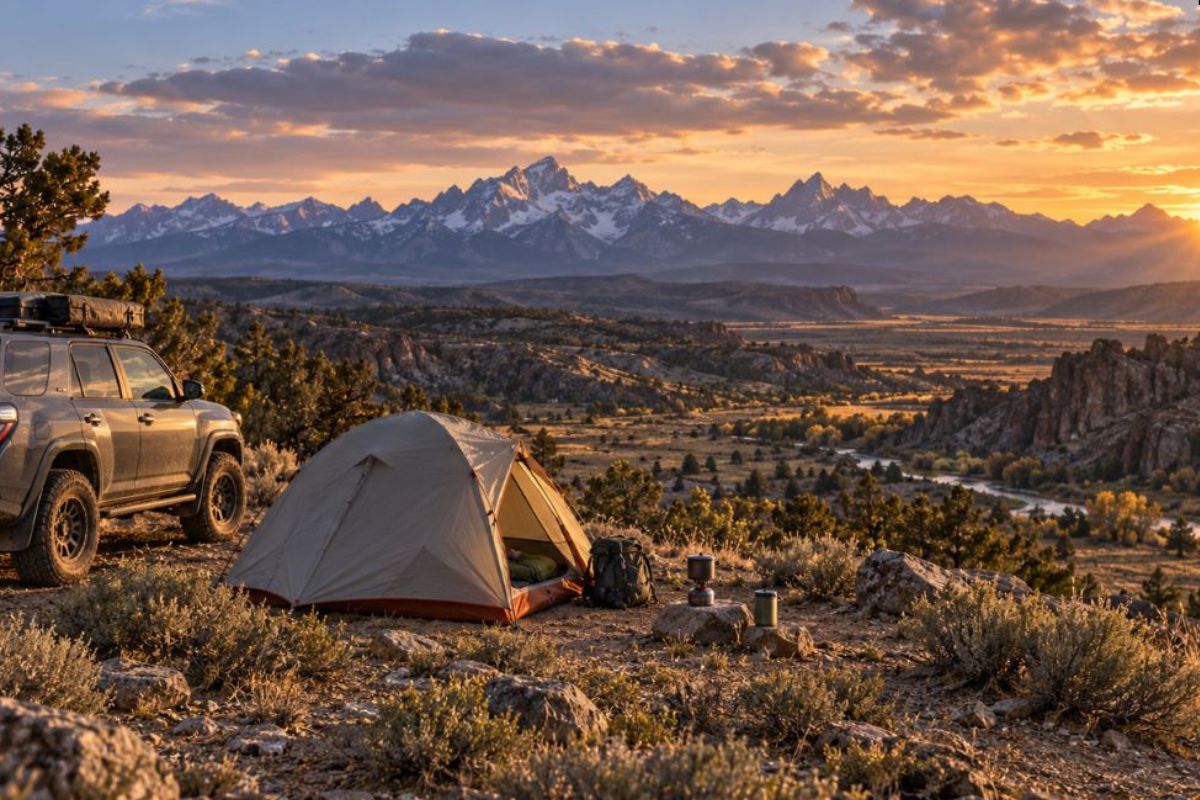
Mountain States With Big Outdoor Spaces
Colorado is one of the most popular states for dispersed camping. National forests, mountain roads, and high country give campers many places to explore, from pine forests to wide mountain valleys. High areas can stay snowy late into spring, and popular locations can become busy in summer, so planning around the season can make a big difference.
Wyoming, Montana, and Idaho also offer large wild areas for campers who want to get away from busy cities. These states have mountains, rivers, forests, and long stretches of open land that can feel very remote. Weather changes quickly at higher elevations, so warm clothes and a good weather plan are important even during summer.
Dispersed Camping in the Southwest
Utah is another favorite because the scenery changes so much from one part of the state to another. You can camp near red rock cliffs and desert mesas or travel into cooler forests and mountain areas. Desert areas can become dangerously hot in summer, making spring and fall easier seasons for many campers.
Arizona and New Mexico also give campers many choices. Arizona has warm desert areas for winter trips as well as cooler mountain forests, while New Mexico offers desert, pine forests, mountains, and wide-open views. Choosing the right elevation for the season is important because one part of the state may be hot while another is covered in snow.
Planning a Safe Dispersed Camping Trip
Oregon and Nevada are also worth considering if quiet camping is the goal. Oregon has forests, mountains, and high desert, while Nevada has huge areas of dry open country with very few towns. Remote places can be beautiful, but you need enough food, water, fuel, and supplies because stores and help may be far away.
Never assume that an empty piece of land is open for camping. Check with the agency that manages the area, follow fire restrictions, respect closed roads, and use existing campsites when local rules ask you to do so. Pack out everything you bring and leave the land looking as clean as it did when you arrived.
The best state for dispersed camping depends on the type of trip you want. Colorado may be a good choice for high mountain views, Utah for red rock country, and Arizona for warmer winter camping. A place that is perfect in October may be too hot, cold, snowy, or crowded during another month.
Start with a place you can reach safely and do not make the first trip too difficult. Tell someone where you are going, carry a map, and know what your vehicle can handle before driving far down a rough road. Good planning lets you enjoy the freedom of dispersed camping without turning a peaceful trip into a stressful one.
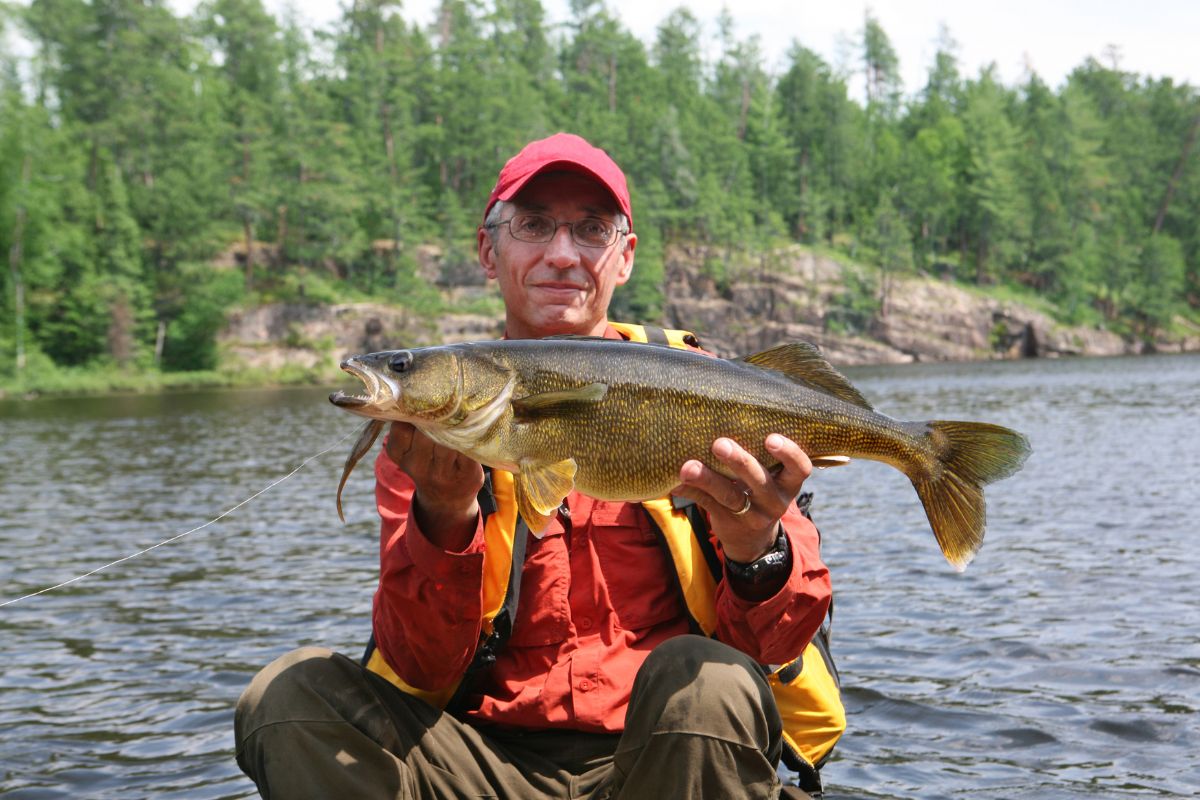
Spring River Walleye Fishing: The Best Bite of the Year
In many northern states and provinces, walleye fishing seasons close
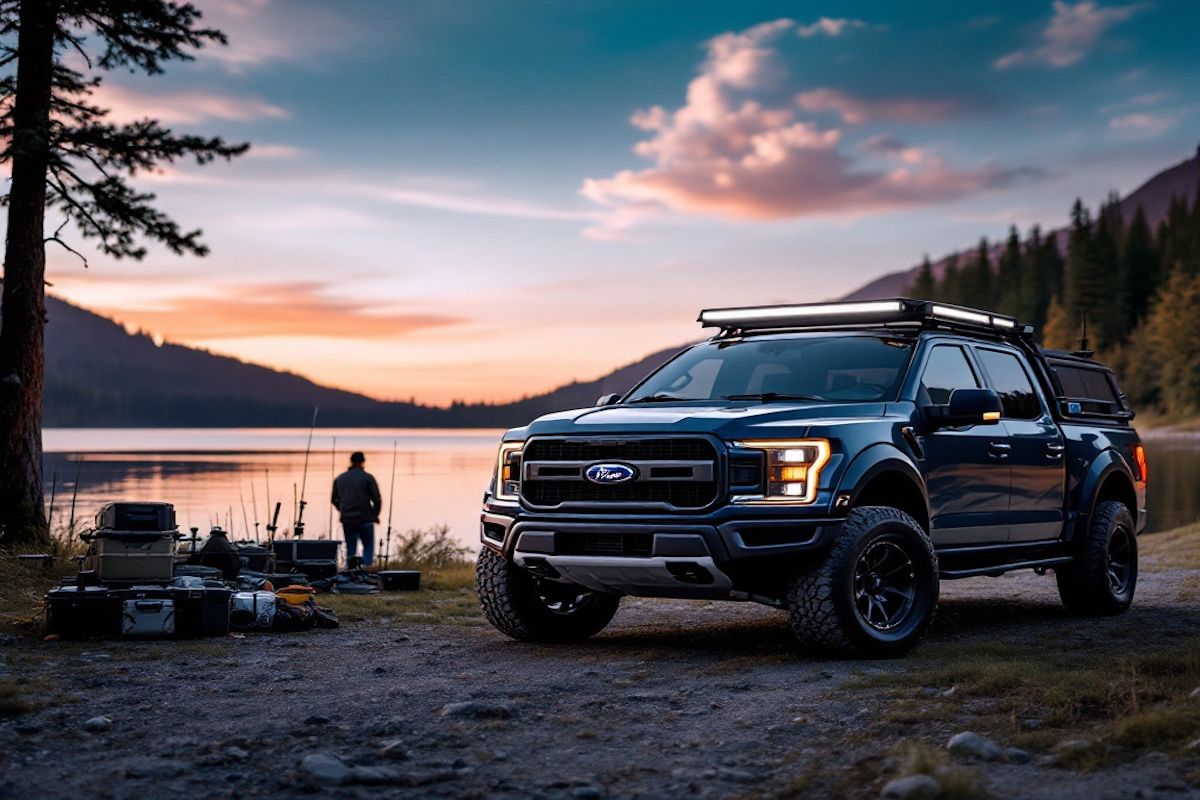
Why the Ford F-150 is the Ultimate Versatile Truck for Outdoor Adventures
The Ford F-150 has cemented its reputation as America’s best-selling

ATV Mudding: Thrills, Prep, and Recovery for Spring and Summer
ATV mudding is more than just a hobby—it’s a full-throttle
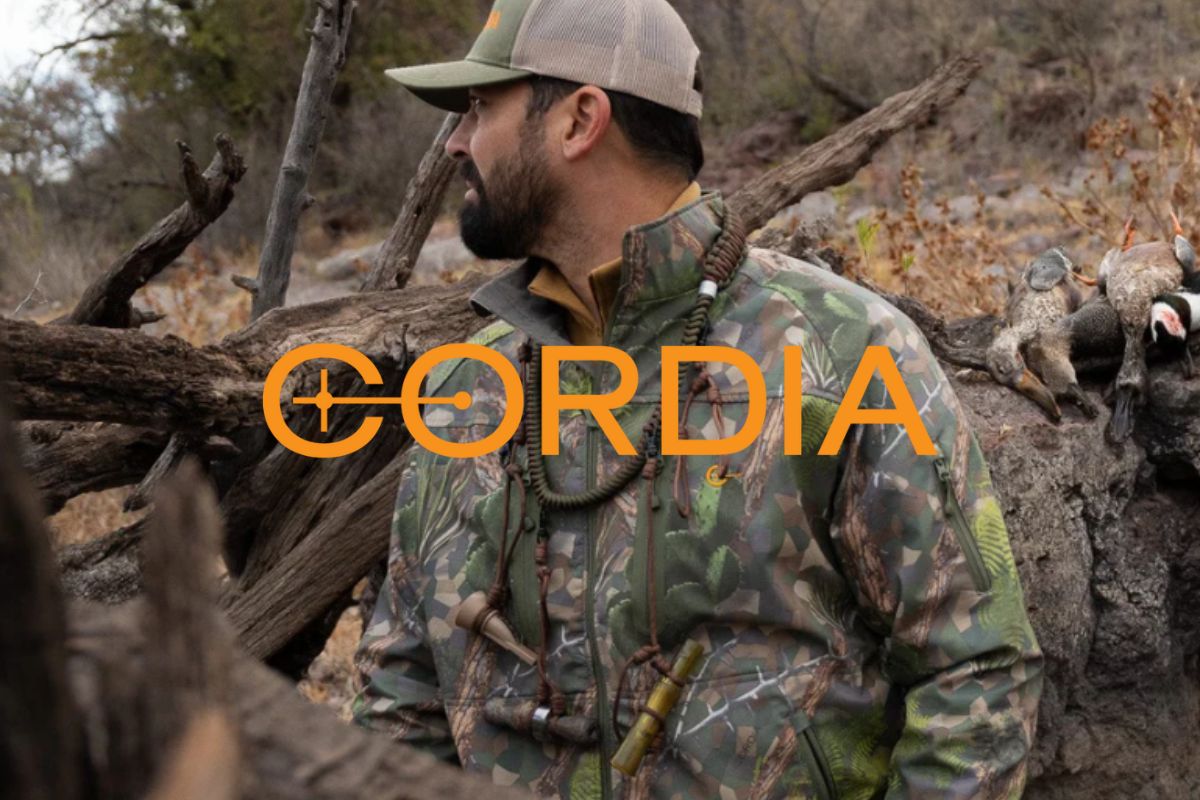
CORDIA: Premium Hunting Apparel Built for the Field
Founded by seasoned hunters in South Texas, CORDIA is a
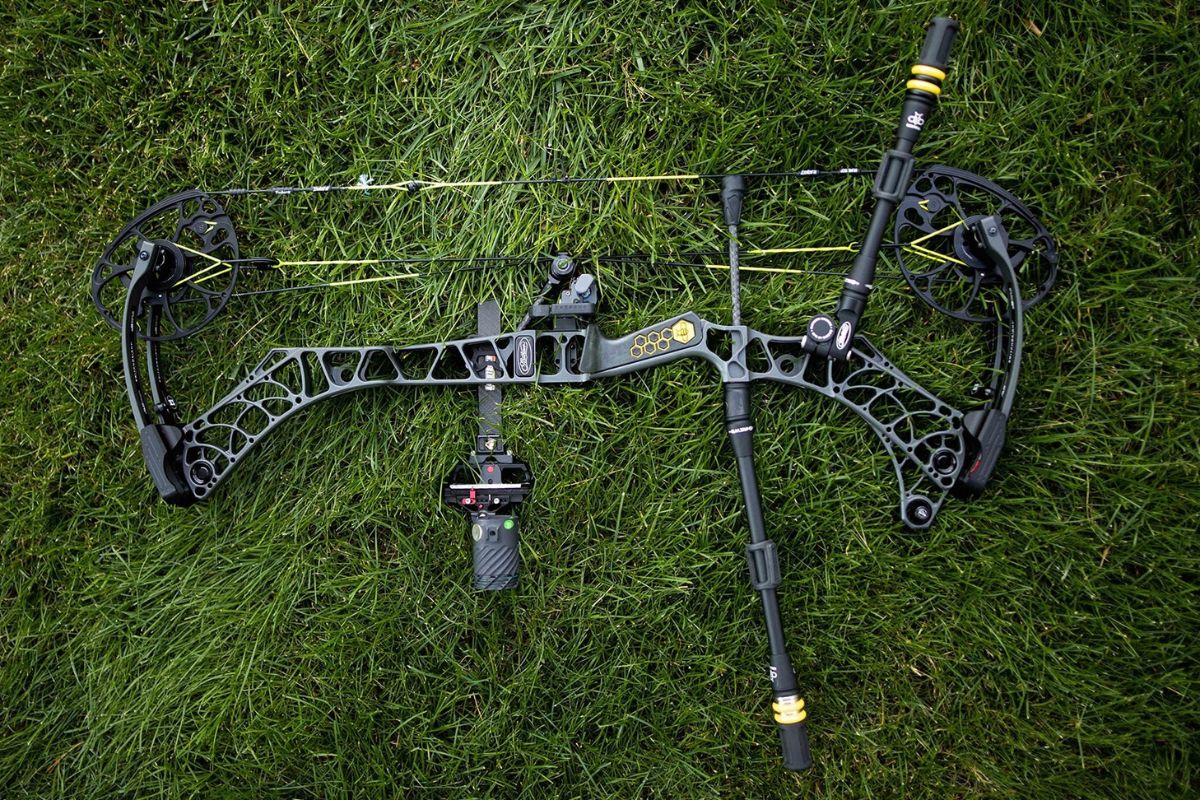
Battle Of the Bow Hunting Brands
Compound bows have revolutionized the world of archery by combining
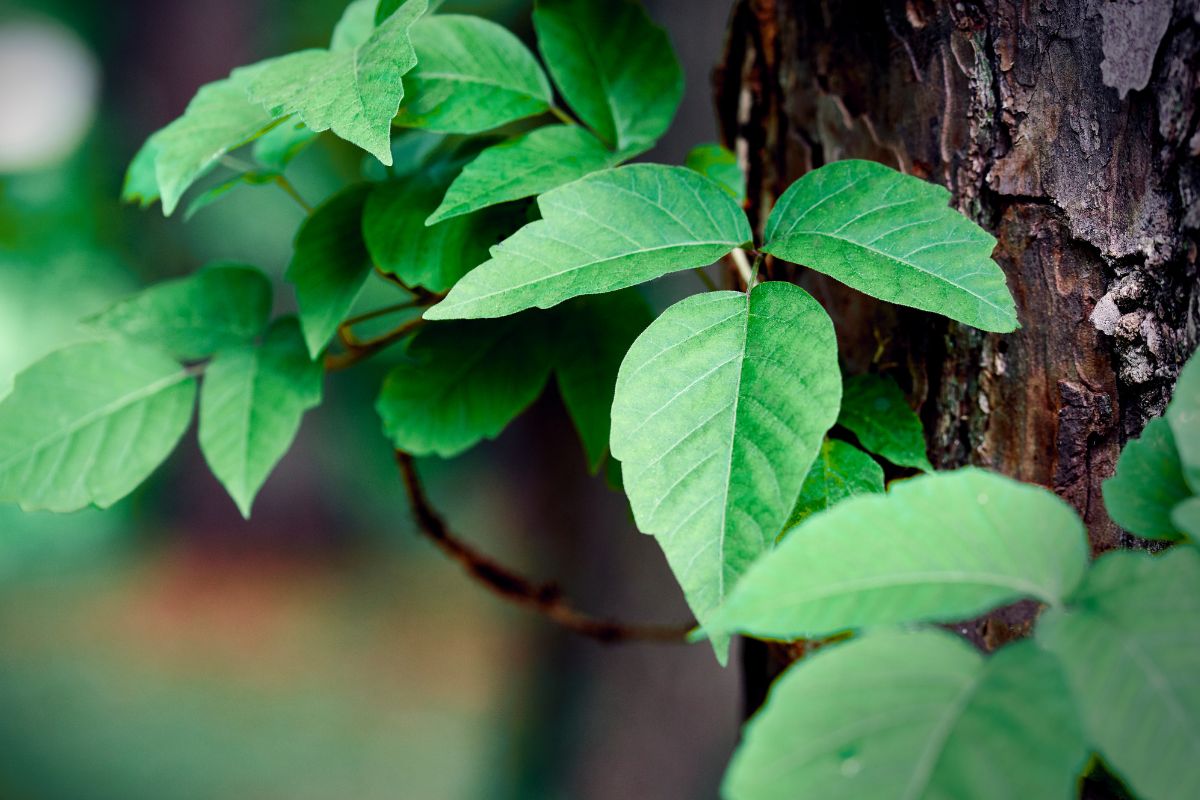
Don’t Touch These Plants! A Guide to Poisonous Plants and Outdoor Safety
The great outdoors offers incredible opportunities for recreation and relaxation.
SHARE THIS STORY ANYWHERE YOU LIKE
SHARE THIS STORY ANYWHERE

Snowmobiling Safely: Essential Gear to Stay Warm, Protected, and Ready for the Ride
Snowmobiling is one of the most exciting ways to explore winter landscapes, offering speed, adventure, and access to areas that are otherwise unreachable during colder months. However, with that excitement comes real risks—from freezing temperatures

Walleye Ice Fishing 101: Structure, Depth, and Presentations That Produce All Season
Start with structure: where the walleyes concentrate Winter walleyes are predictable: they relate to structure and transitions where baitfish congregate. Key features to search are drop-offs, ledges, humps, long points, saddles between basins, and channels