
Bowfishing Basics for Beginners
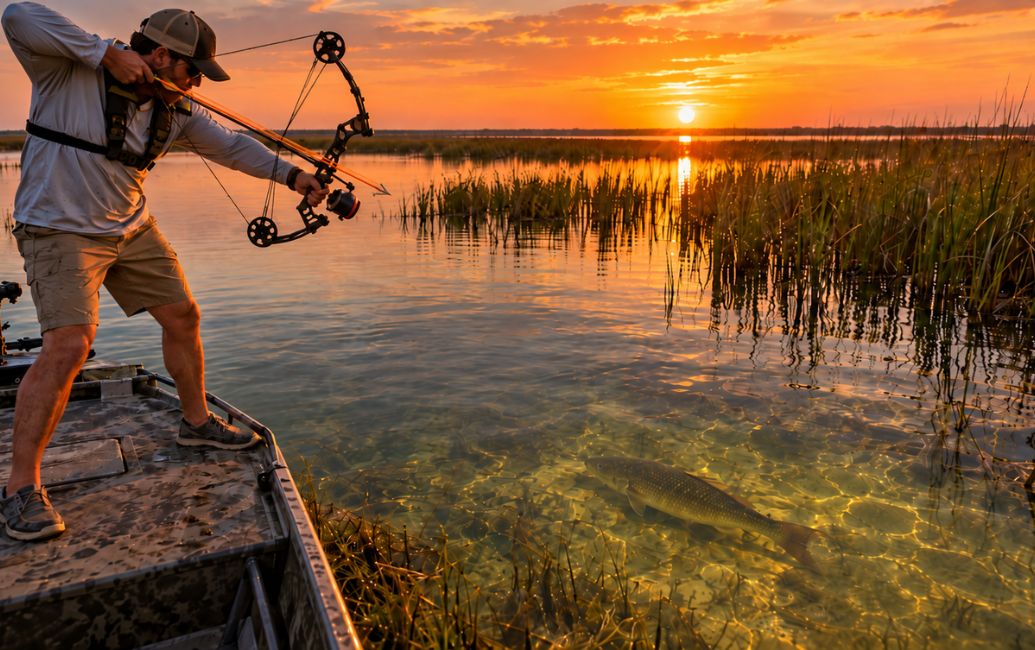
How Bowfishing Works
Bowfishing usually takes place in shallow water where fish can be seen from shore or a boat. Clear water can make fish easier to spot, while lights are sometimes used where nighttime bowfishing is legal. The angler watches the fish, aims below where it appears because light bends in water, and releases the arrow.
Bowfishing arrows are connected to a line so they can be retrieved after a shot. The setup is different from normal target archery because the arrow is designed for fishing rather than a foam target. Beginners should learn how the equipment works and practice in a safe setting before trying to shoot at fish.
Fish Commonly Targeted by Bowfishers
Common carp are one of the best-known bowfishing targets in many parts of the country. Depending on local rules, other legal species may include buffalo, suckers, freshwater drum, gar, bowfin, or other nongame fish. The exact list can be very different from state to state.
Correct fish identification is important because not every fish swimming in the same water can be legally taken with a bow. Some game fish and protected species may not be legal bowfishing targets. Learn the fish in the area before going out and do not shoot when you are unsure of the species.
Planning a Safe and Legal Bowfishing Trip
Start by checking the fishing license and bowfishing rules for the state and water you plan to visit. Local parks, cities, and lake managers may have additional rules about bows, boating, nighttime lights, noise, or areas where bowfishing is not allowed. Never assume that a public fishing lake automatically allows bowfishing. Know what is behind the fish before releasing an arrow. Avoid shooting toward people, docks, boats, houses, roads, or places where the arrow could leave the water. Everyone in the boat should know where the shooter is standing and stay clear of the bow, arrow, and retrieval line.
Fish taken with bowfishing equipment usually cannot simply be thrown back after being shot. States may have rules about keeping, using, transporting, or disposing of bowfished fish. Plan what you will do with the fish before the trip instead of leaving unwanted fish at the shoreline or boat ramp. Night bowfishing can feel very different from fishing during the day. Bright lights make the water easier to see but can make the area beyond the boat harder to see. Move slowly, watch for other boats and structures, and follow all required navigation-light and boating rules.
Bowfishing takes practice because water changes how the fish appears. Many beginners shoot too high at first because the fish is actually lower than it looks from above the surface. Learning this difference is part of what makes bowfishing challenging and fun. Bowfishing can give anglers another reason to explore lakes and rivers. Learn the legal species, check the water and local rules, practice safe archery, and make a plan for every fish you take. Good preparation helps turn a new activity into a responsible day on the water.



The Bear-muda Triangle: Your Guide to Safe Camping
Heading into the great outdoors? Encountering a bear is probably
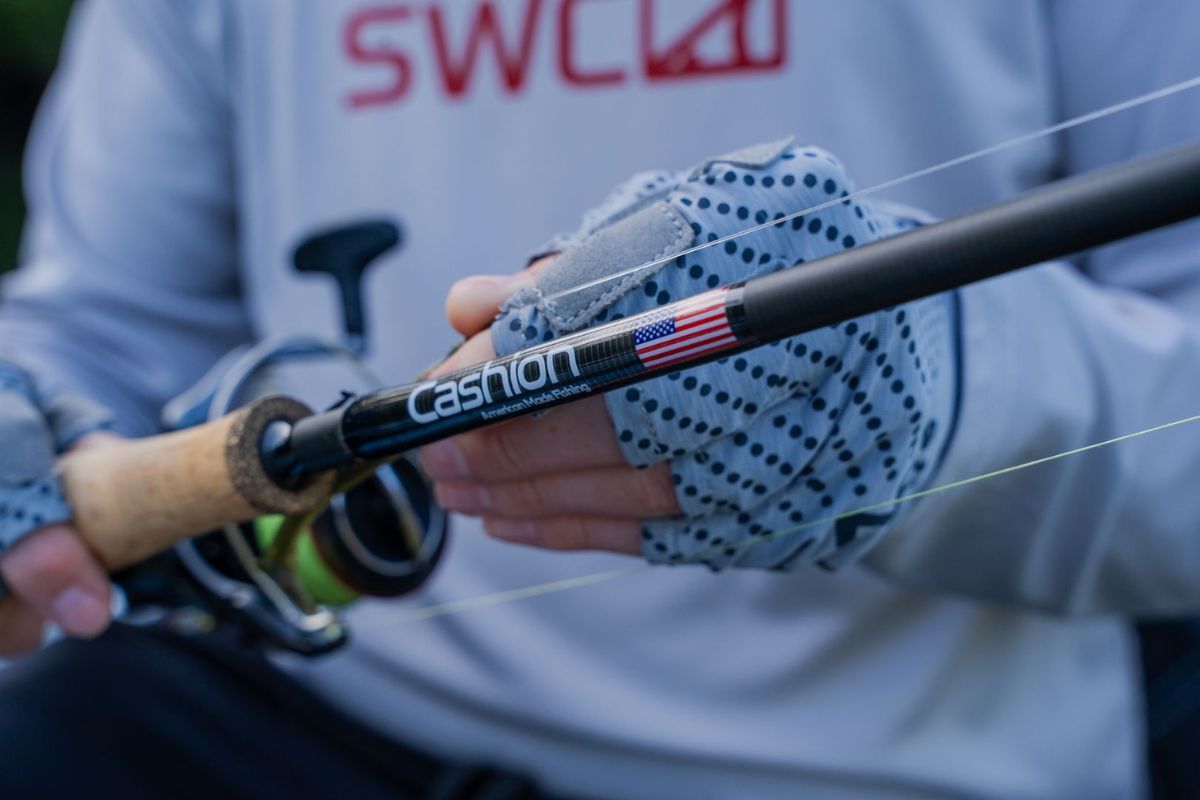
Why USA Made ICON Bait Finesse System By Cashion Rods Is Best For Smallmouth Bass Fishing
The ICON Bait Finesse System Rod is a game-changer for
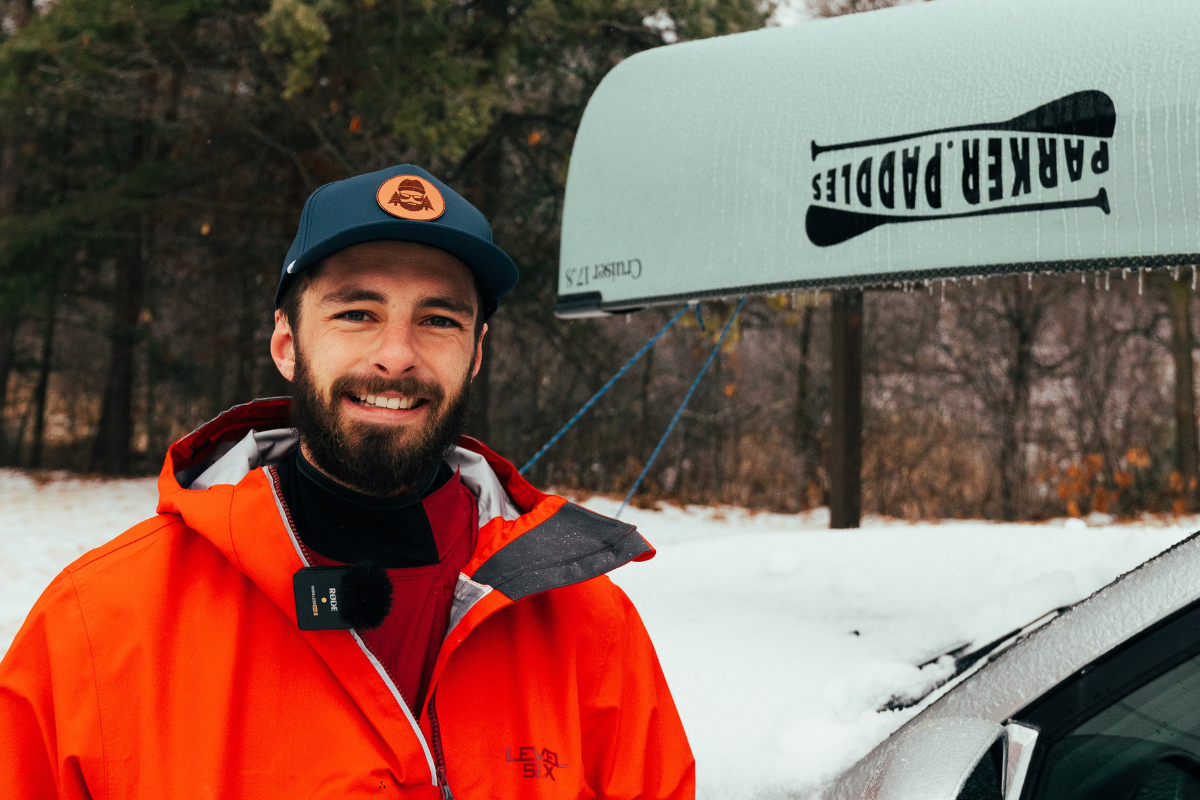
From Wisconsin’s Rush to the Ocean’s Flow: Kyle Parker Embarks on an Epic Paddling Journey
In September 2024, Kyle Parker etched his name in paddling
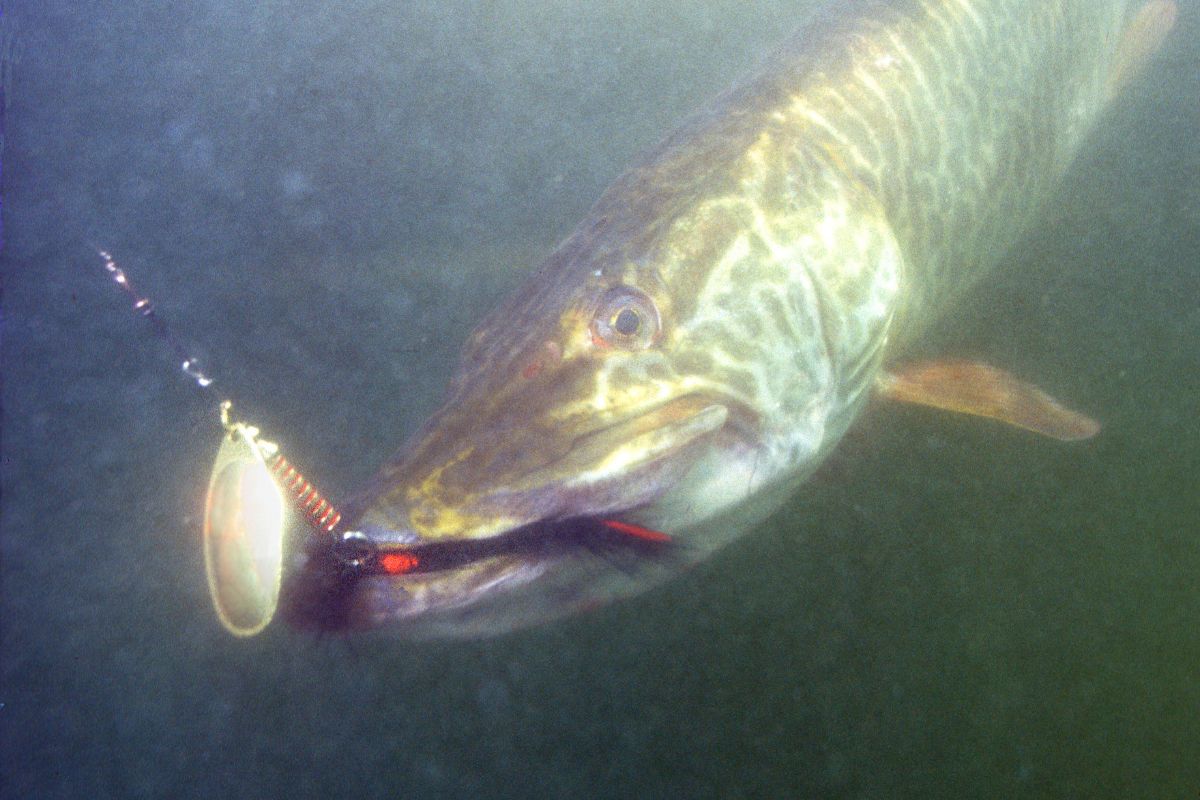
Ultimate Guide to Musky Fishing
Musky fishing is often considered the pinnacle of freshwater angling

Spring Bass Fishing Secrets: Why Your Rod Choice Matters Most
Spring is prime time for bass fishing. As water temperatures

Get Dirty Off-Road ATV Recovery Kits and Safety Guide
Conquer Any Terrain: Your Guide to Off-Road Recovery and Safety