
How to Get Started Bow Hunting
Practice Before Hunting Season
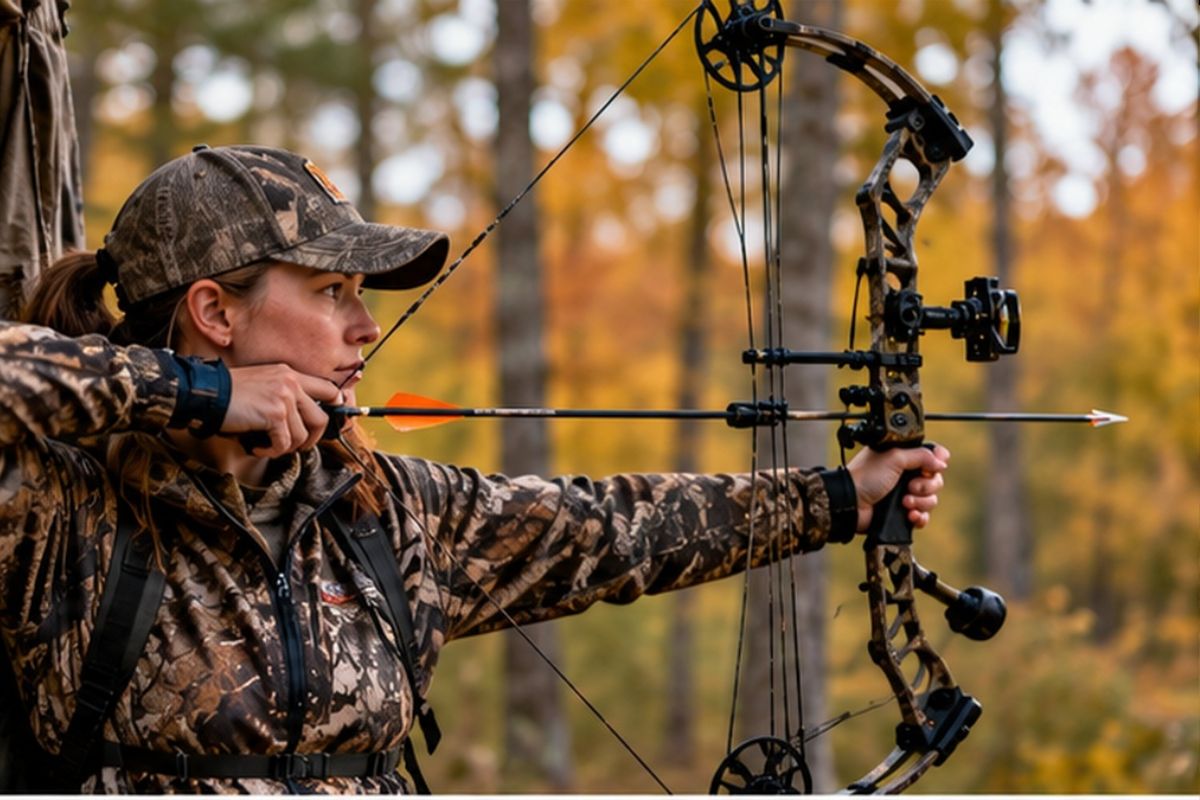
A hunting bow should feel comfortable and be matched to the person using it. Beginners should practice shooting at targets from several reasonable distances instead of only standing in one place every time. The goal is to build a smooth and repeatable shot that can be made with control.
Practice should include more than hitting the center of a target. Bow hunters need to learn how to safely handle the bow, judge distance, hold steady, and know when a shot is outside their ability. A bowhunter education course can also teach hunting laws, wildlife identification, field skills, and responsible bow hunting.
Scouting and Getting Close to Game
Bow hunters often spend time looking for tracks, trails, bedding areas, feeding areas, and other signs before the season starts. Understanding where animals travel can help a hunter choose a place to wait without constantly walking through the area. Wind direction also matters because many game animals have a strong sense of smell.
Patience becomes important once the hunt begins. A bow hunter may sit quietly for a long time before an animal appears close enough for a careful shot. Moving too quickly or making too much noise can cause wildlife to leave before the hunter ever sees it.
Safety and Responsible Bow Hunting
Always know what is behind the animal before preparing to shoot. A hunter should have a clear view, a safe direction, and confidence that the animal is within a distance they have practiced. If the shot does not feel right, waiting is better than rushing. Tree stands and elevated hunting positions need special care. Hunters should use safety equipment made for elevated hunting and learn how to enter and leave the stand correctly. Bows and other gear should be raised or lowered safely rather than carried while climbing. Bow hunting also requires good animal identification. Do not make a decision based only on antlers, color, or one quick look through brush. Study the entire animal and make sure it is the correct legal species before considering a shot.
Beginners should also understand that bow hunting takes time. It may take many trips before a good opportunity appears, and some days may end without seeing the animal you hoped to hunt. Those quiet days can still teach you about wind, tracks, wildlife behavior, and the land. Check your bow and arrows before each trip. Damaged equipment should be repaired or replaced before it is used again. Keeping equipment in good condition is part of being a safe and responsible bow hunter.
Bow hunting is not about making the longest shot or getting an animal as quickly as possible. It is about getting close, staying patient, knowing your limits, and making careful decisions. Good practice before the season helps make those decisions much easier when the hunt finally begins.

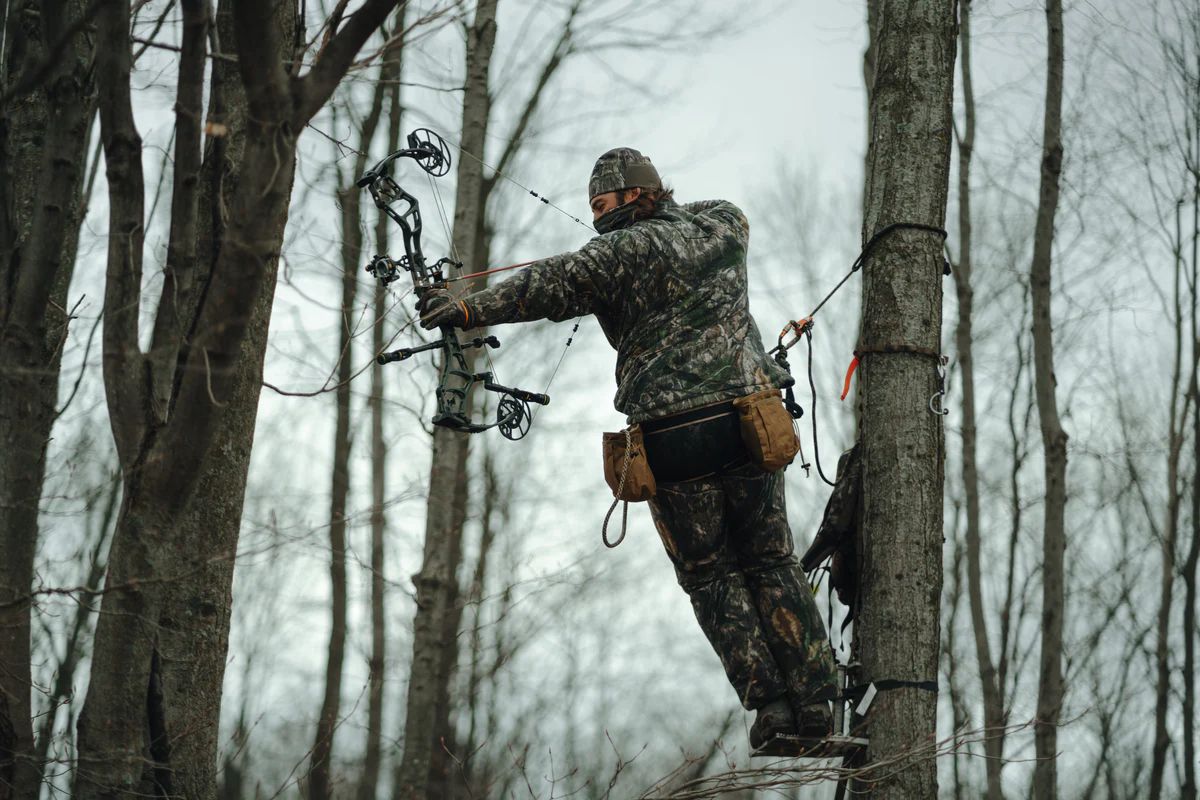
A Beginner’s Guide to Bow Hunting: What You Need to Know
Bow hunting is a time-honored tradition that combines precision, patience,
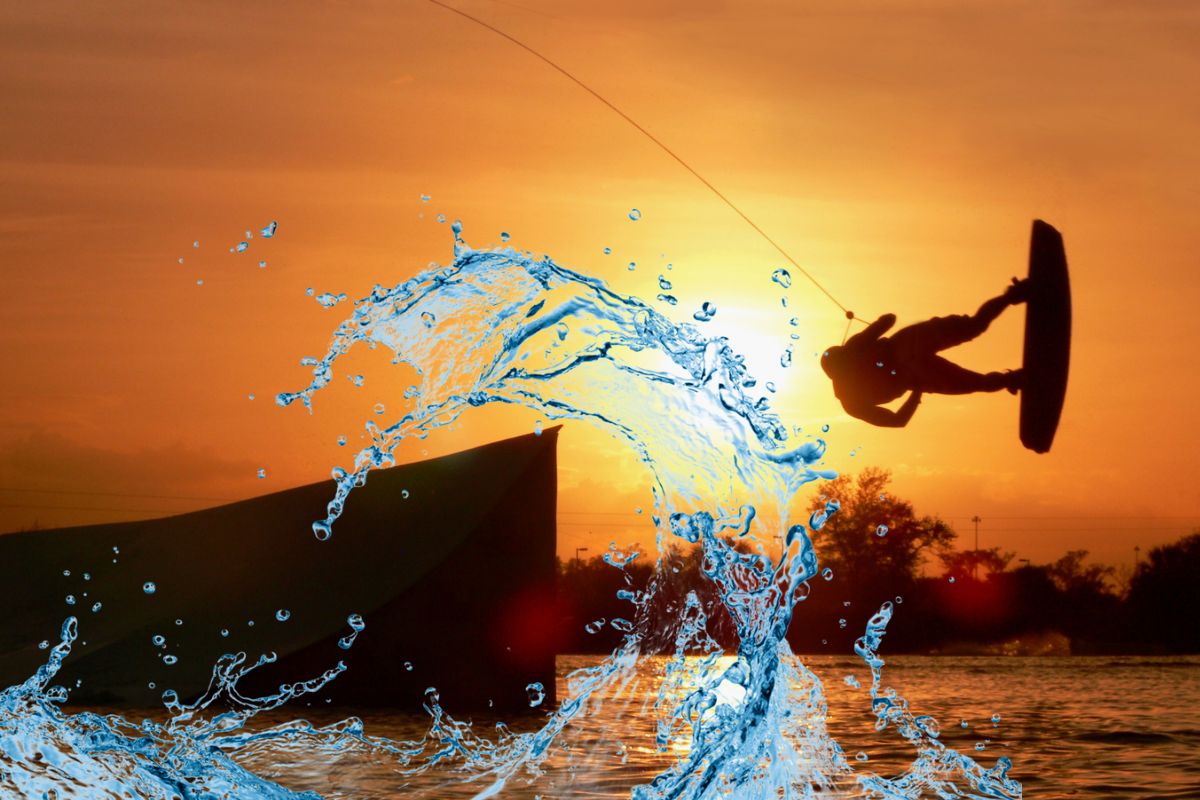
Wakeboarding: The Ultimate Guide to the Sport and Top Gear Brands
Wakeboarding is an exhilarating water sport that combines the thrill
Level Up Your Camp Kitchen: Finding the Perfect Grill for Your Outdoor Adventures
There's something truly special about cooking and eating outdoors. The
A Guide to Inflatable Kayaks, Boats, and Paddle Boards
Your Inflatable Water Adventure Awaits! The sun's out, the birds
USA Made Cashion Inshore Series, the Best Saltwater Fishing Rods
When it comes to inshore fishing, having the right rod
Top 10 Bass Fishing States in America
Discover the premier destinations for bass fishing across the United