
How to Practice Duck and Turkey Calls

Start With Basic Duck Sounds
For duck calling, the basic mallard quack is a good place to begin. Once one clear quack feels easy, a beginner can practice putting several notes together in a smooth greeting call. A common greeting sequence starts stronger and then becomes a little softer as the notes continue.
Listening to real ducks is one of the best ways to learn. Visit a pond, refuge, or park and pay attention to the speed, pitch, and pauses in their sounds. Ducks do not sound exactly the same every time, so the goal is to copy a natural rhythm instead of trying to make every note perfect.
Learn Simple Turkey Calls
Turkey hunters often begin by learning the yelp and cluck. A yelp is made from two parts that flow together, while a cluck is a shorter and sharper sound. Different kinds of calls work in different ways, so beginners should learn one call well before trying to master several styles at once.
Turkey sounds can be easier to understand when you hear real birds. Listen to recordings or live turkeys and notice how they change speed and tone. Practice should sound calm and natural instead of like a contest to see who can make the loudest or fastest call.
Practice With a Simple Routine
Set aside ten or fifteen minutes and work on one sound at a time. Make the sound, stop, listen to yourself, and try again rather than blowing the call without a break. Once the sound becomes easy, practice changing the volume and rhythm while still keeping it clean.
It can help to record yourself on a phone and compare the sound with recordings of real birds. Practice outside sometimes too, because calls can sound different in an open field or woods than they do inside a room. Stay patient because building control and rhythm can take many practice sessions.
A good caller also learns when not to call. Wildlife does not make the same sound nonstop, and too much noise can sound less natural than a few simple notes. Listening and watching are just as important as knowing how to use the call.
Calling should be one part of learning about the animal. Study habitat, tracks, feeding areas, and normal behavior along with sounds. The more you understand real ducks and turkeys, the easier it becomes to make your calling sound like something that belongs outdoors.


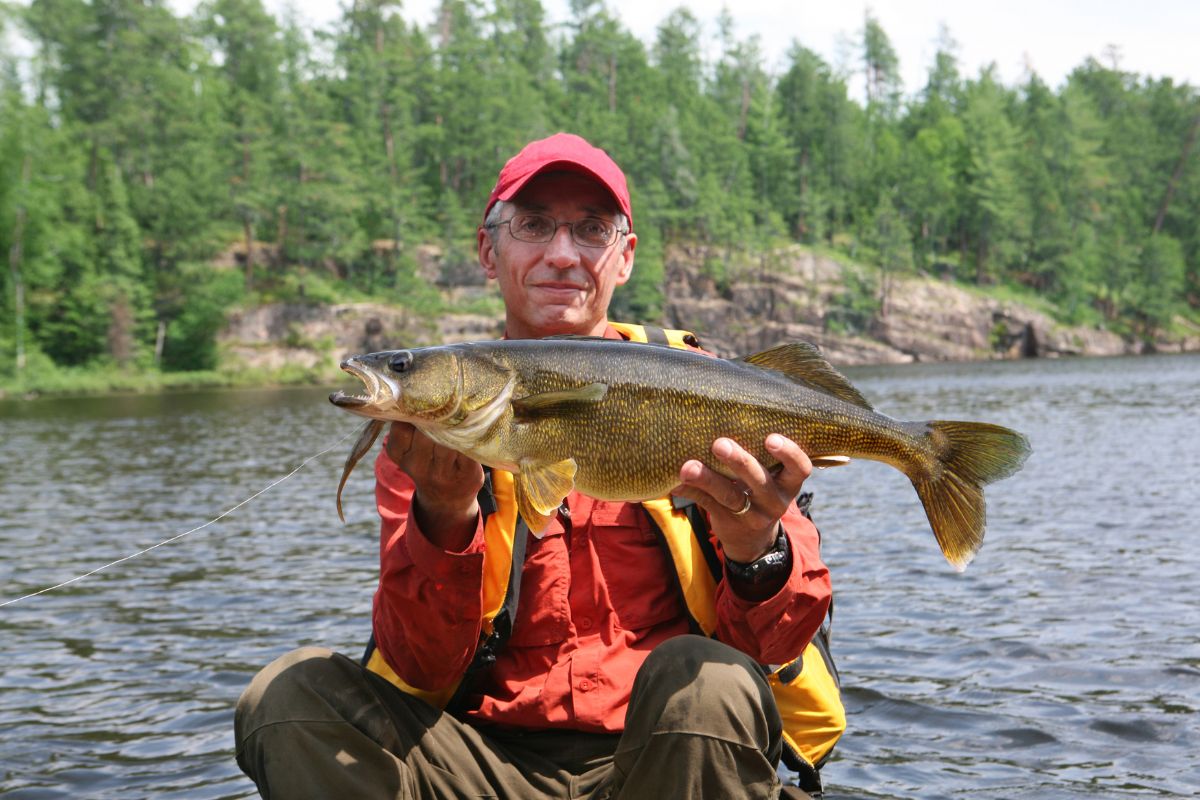
Spring River Walleye Fishing: The Best Bite of the Year
In many northern states and provinces, walleye fishing seasons close

Why the Ford F-150 is the Ultimate Versatile Truck for Outdoor Adventures
The Ford F-150 has cemented its reputation as America’s best-selling

ATV Mudding: Thrills, Prep, and Recovery for Spring and Summer
ATV mudding is more than just a hobby—it’s a full-throttle
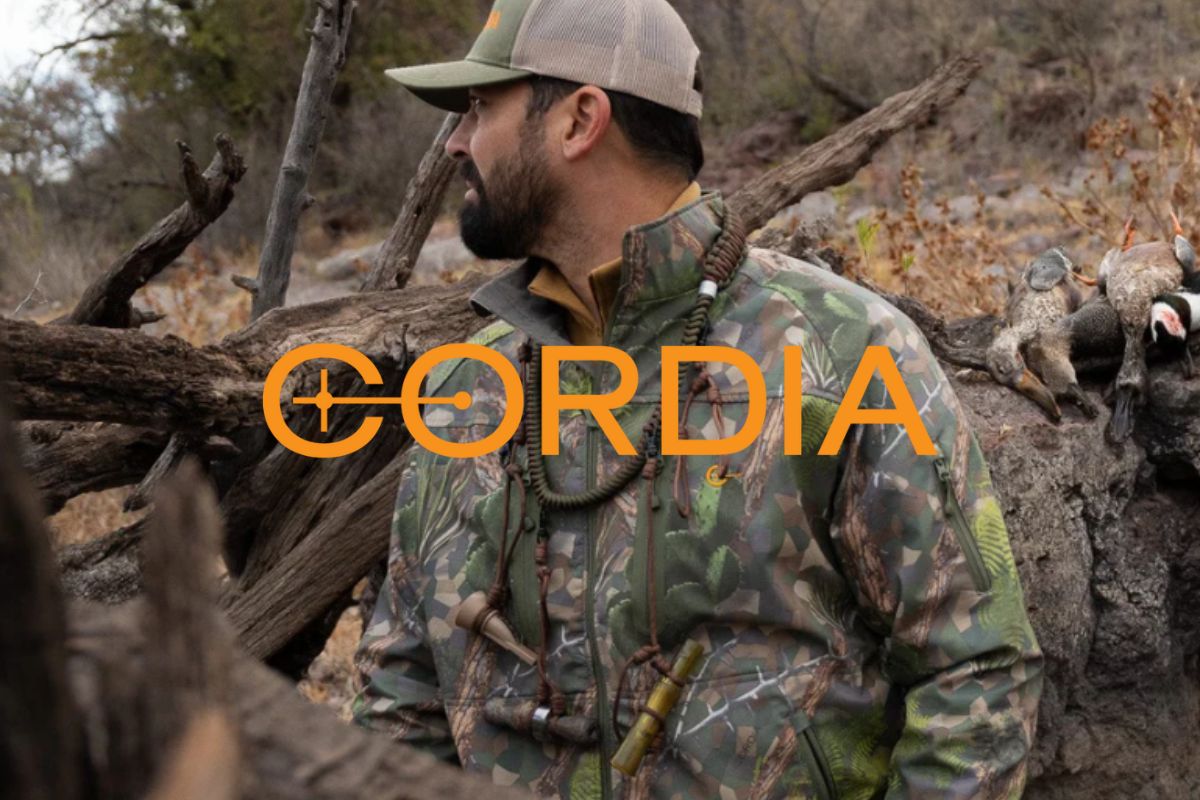
CORDIA: Premium Hunting Apparel Built for the Field
Founded by seasoned hunters in South Texas, CORDIA is a
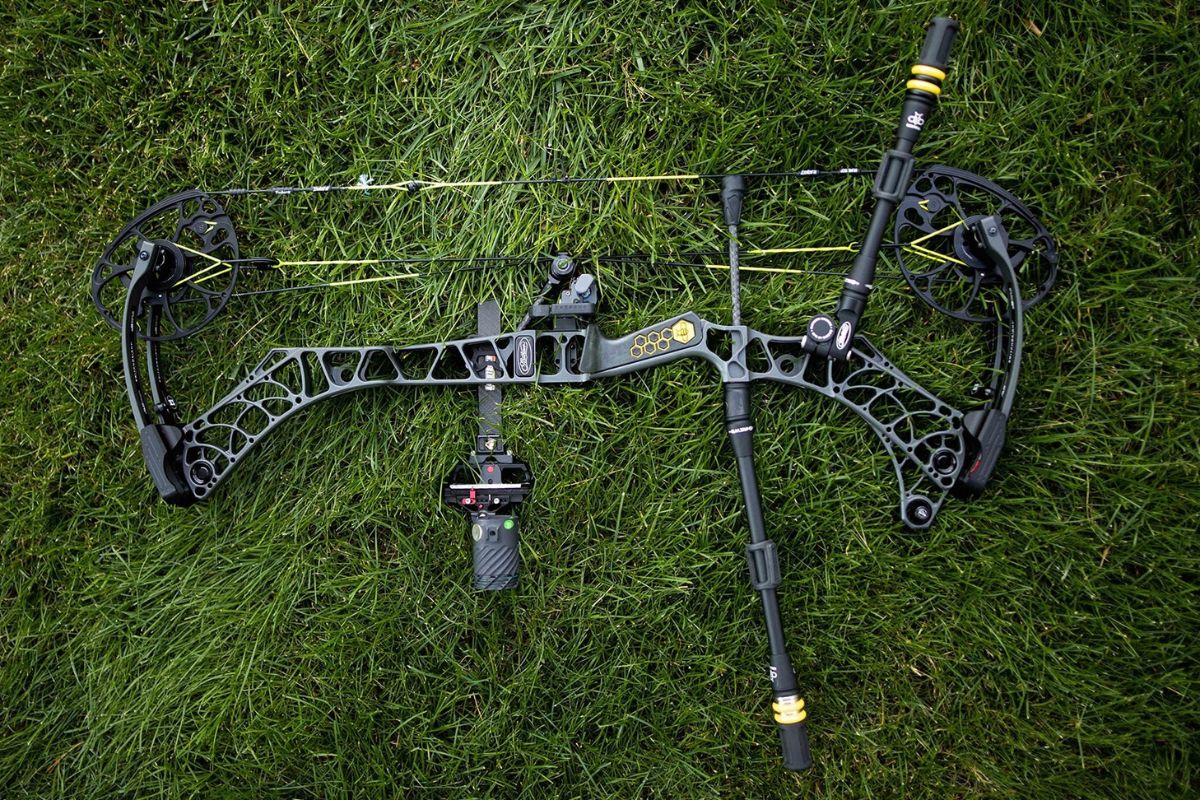
Battle Of the Bow Hunting Brands
Compound bows have revolutionized the world of archery by combining

Don’t Touch These Plants! A Guide to Poisonous Plants and Outdoor Safety
The great outdoors offers incredible opportunities for recreation and relaxation.
SHARE THIS STORY ANYWHERE YOU LIKE
SHARE THIS STORY ANYWHERE

Snowmobiling Safely: Essential Gear to Stay Warm, Protected, and Ready for the Ride
Snowmobiling is one of the most exciting ways to explore winter landscapes, offering speed, adventure, and access to areas that are otherwise unreachable during colder months. However, with that excitement comes real risks—from freezing temperatures

Walleye Ice Fishing 101: Structure, Depth, and Presentations That Produce All Season
Start with structure: where the walleyes concentrate Winter walleyes are predictable: they relate to structure and transitions where baitfish congregate. Key features to search are drop-offs, ledges, humps, long points, saddles between basins, and channels