Mastering the Drift: How to Perfect Your Fly Fishing Presentation
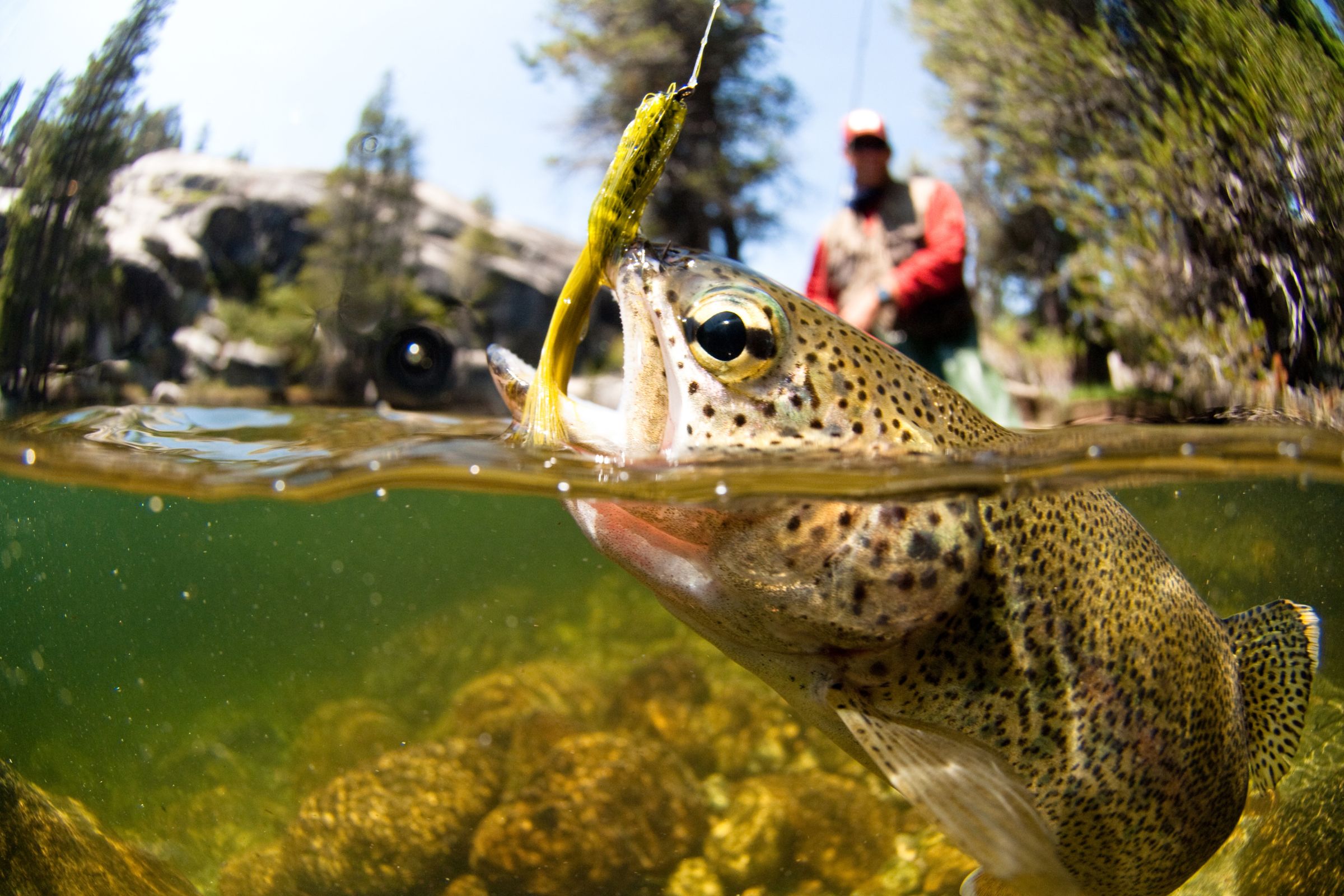
Fly fishing is an art that requires patience, skill, and a deep understanding of water currents and fish behavior. One of the most critical aspects of fly fishing success is drift control—how your fly moves naturally in the water. A perfect drift mimics real insects, increasing the chances of attracting fish like trout, bass, or even saltwater species. Whether you’re casting in lakes, rivers, or the ocean, mastering drift techniques can make or break your fishing experience.
Understanding the Drift in Fly Fishing
A drift refers to how a fly moves with the current. Fish, especially in freshwater environments like rivers and streams, expect insects to float naturally. If your fly drags or moves unnaturally, it can alert fish that something is off, causing them to ignore your presentation.
There are two types of drifts:
- Dead Drift: The fly moves naturally with the current, as if it were a real insect floating downstream.
- Swing Drift: Used in moving water, where the fly swings across currents to imitate swimming prey.
The Importance of Mending Your Line
Mending is a technique used to control the movement of your line and fly in the water. It prevents the current from dragging your fly unnaturally.
- Upstream Mend: Creates a longer, drag-free drift by repositioning the fly line upstream.
- Downstream Mend: Allows the fly to drift more naturally when fishing across fast currents.
- Stack Mend: Adds slack to the line, extending the drift in slow-moving water.
Practicing different mends will give you better control over your fly’s presentation, ensuring a more realistic drift.
Choosing the Right Fly and Gear for Better Drift Control
Using the right fly, leader, and tippet setup is key to achieving a perfect drift.
- Fly Type: Dry flies, nymphs, and streamers all behave differently in the water. Match your fly to the natural insects in the area.
- Tippet Size: A thinner tippet creates a more natural presentation and less drag.
- Floating vs. Sinking Lines: A floating line works best for surface drifts, while sinking lines are ideal for deep-sea and musky fishing applications.
Adjusting for Wind, Depth, and Seasonal Conditions
Drift performance is affected by environmental factors like wind, depth, and seasonal changes.
- Wind: Use a sidearm or roll cast to minimize wind resistance.
- Depth: Adjust your leader length and weight if targeting trout in deeper pools.
- Seasonality: Warmer months require lighter presentations, while colder waters might need heavier nymphs or streamers.
Practicing for Perfection
The best way to improve drift control is through practice. Find a slow-moving river or lake and test different casting angles, mends, and retrieves. Watch how your fly behaves and adjust your technique accordingly.
By mastering drift techniques, you’ll increase your chances of hooking fish while making your fly presentations as natural as possible. Whether you’re casting for trout in a freshwater stream or targeting deep-sea species, these skills will elevate your fishing game! 🎣



What Is Forest Bathing and How Do You Do It
Forest bathing does not mean taking a bath in

Hammock Camping for Beginners
A hammock can turn a quiet outdoor spot into

Winter Survival Tips for Outdoor Adventures
Winter can make a normal outdoor trip much harder.
Powder vs Hard-Packed Snow
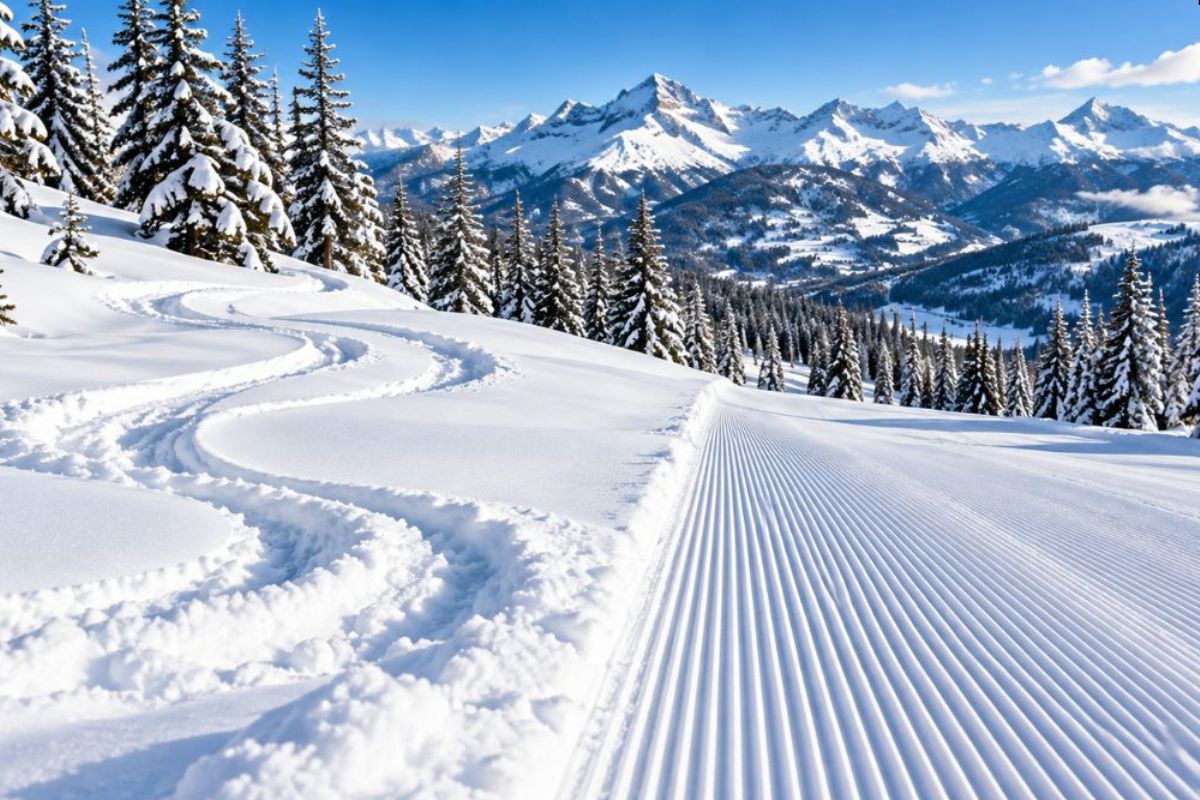
Snow can look the same from far away, but

What to Expect on Your First Day at a Ski Resort
A first trip to a ski resort can feel
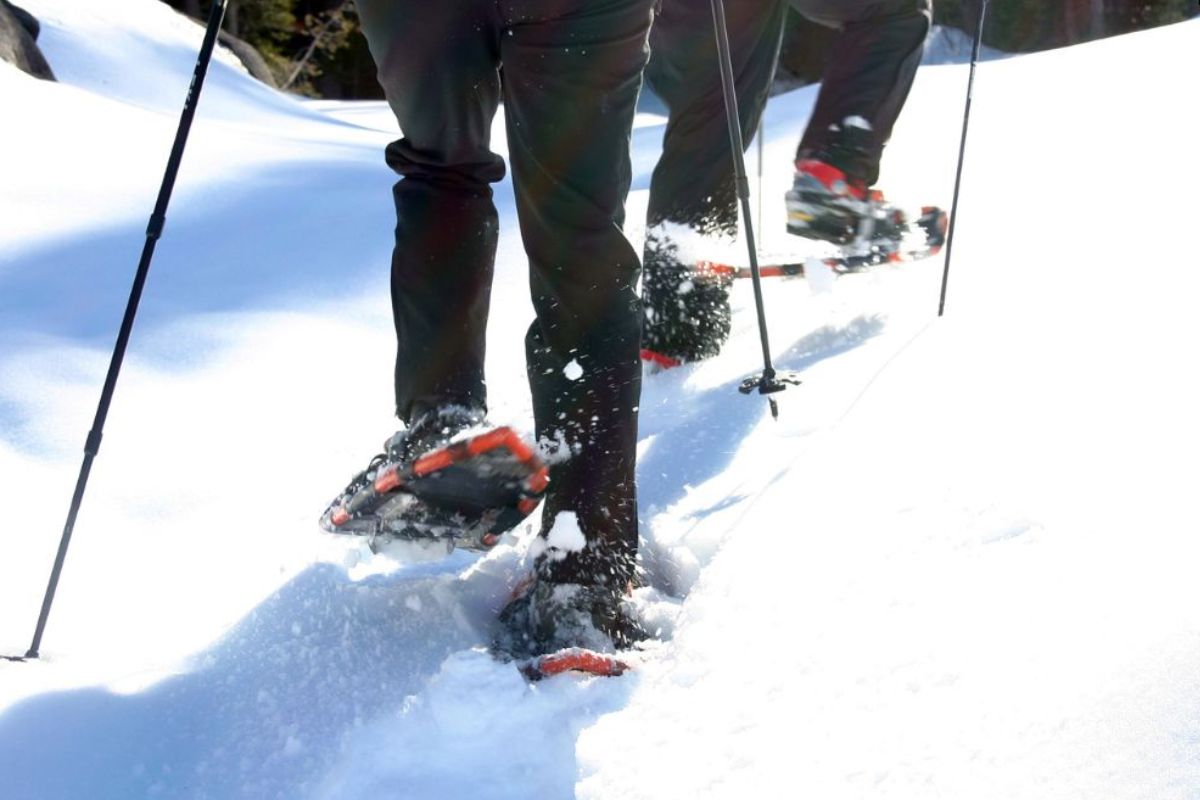
Snowshoeing for Beginners
Snowshoeing is one of the easiest winter sports to