
Walleye Ice Fishing 101: Structure, Depth, and Presentations That Produce All Season

Start with structure: where the walleyes concentrate
Winter walleyes are predictable: they relate to structure and transitions where baitfish congregate. Key features to search are drop-offs, ledges, humps, long points, saddles between basins, and channels where current funnels food. Early-ice and mid-ice patterns differ, but these structural cues remain the best place to begin your search. Use maps and previous-season notes to shortlist likely spots, then confirm on the ice with a flasher or graph.
Early ice vs. mid/late ice: adjust your thinking
Ice fishing for walleyes on early ice often feed aggressively as baitfish are concentrated and new cover is limited. As the season progresses and daylight lengthens, fish can move deeper or spread to secondary structure. Be ready to change depth and presentation as the season transitions — what works in early ice (shallow, aggressive presentations) may need slowing or deepening later in the winter.
Electronics: use them to speed up success
A good flasher or modern graph is one of the single best investments for ice walleye. Electronics help you identify suspended fish vs. bottom-huggers, show reaction to your bait, and reveal schools that justify drilling multiple holes. When you see fish on the screen, note exact depth and whether they’re holding on structure or suspended in the column — then present your bait precisely into that strike zone.
Bait and lures that consistently catch walleyes
Northland pros emphasize a toolbox approach: live minnows for consistency, paired with a selection of spoons, jigging minnows, and small hair or rattle jigs for active presentations. Tipped spoons and jigging lures (minnow heads, halves, or whole small minnows) add scent and profile that triggers bigger fish. Having a variety of small spoons and vertical lures in different fall rates lets you match water conditions and fish mood.
Presentation: the fall often triggers strikes
Two primary approaches dominate: vertical jigging and deadsticking. Vertical jigging uses short, controlled lifts with a natural fall; many walleyes bite during that fall. Deadsticking a live minnow at the right depth is deadly when fish are lethargic — give the bait micro-movements occasionally. Experiment with cadence: three short lifts and a pause, slow steady raises, or tiny quivers until you find what the fish prefer that day.
Small tweaks that make big differences
Small modifications—tipping spoons and jigs with a minnow or minnow head, adding tiny attractor blades, or swapping factory hooks for sharper, stronger hooks—can dramatically increase hookup rates on big fish. Create a slight distance between spoon and hook (a short dropper or extra split rings) so the hook swings freely and is easier for a walleye to vacuum. These subtle changes are often what turns tentative follows into solid hook-ups.
Use tip-ups to cover more water
Tip-ups are invaluable for locating active depths and holding live bait while you actively jig. Set multiple tip-ups staggered across a transition (different depths and positions) to identify where walleyes are feeding; once a tip-up trips, concentrate jigging near that depth and structure. Rotating between checking tip-ups and focused jigging is a highly efficient way to find and harvest winter walleye.
Rod, line and terminal tackle choices
Use a sensitive 24–30″ ice rod and a small spinning reel spooled with 4–8 lb test mono or fluorocarbon for most clear-water situations. In stained conditions, slightly heavier line and bolder colors can help. Braid with a short fluorocarbon leader is a good option when you want zero-stretch hooksets. Keep hooks sharp and appropriately sized—don’t skimp on quality hardware if you’re targeting big walleyes.
Safety and smart-field practices
Ice safety is paramount. Check local ice conditions and heed advisories; remember that ice thickness varies widely across a lake. Carry ice picks, a throw rope, a flotation device, and keep a phone in a dry container. Dress in layers and keep spare dry clothes in your vehicle. Also: be respectful of anglers working productive holes—rotate holes and avoid crowding to maximize everyone’s chance at a bite.
Be patient and detail oriented
Big winter walleyes often yield to anglers who combine solid scouting, precise electronics use, thoughtful bait choices, and small terminal tweaks. Start on structure, use tip-ups to locate depth, experiment with cadence, and tweak lures with bait or blades until the fish tell you what they want. With patience, attention to detail, and a focus on safety, ice fishing can produce some of the most memorable walleye of the year.



How to Choose the Best Sleeping Bags for Every Season: Top Picks from Broadout
A good night’s sleep can make or break your camping
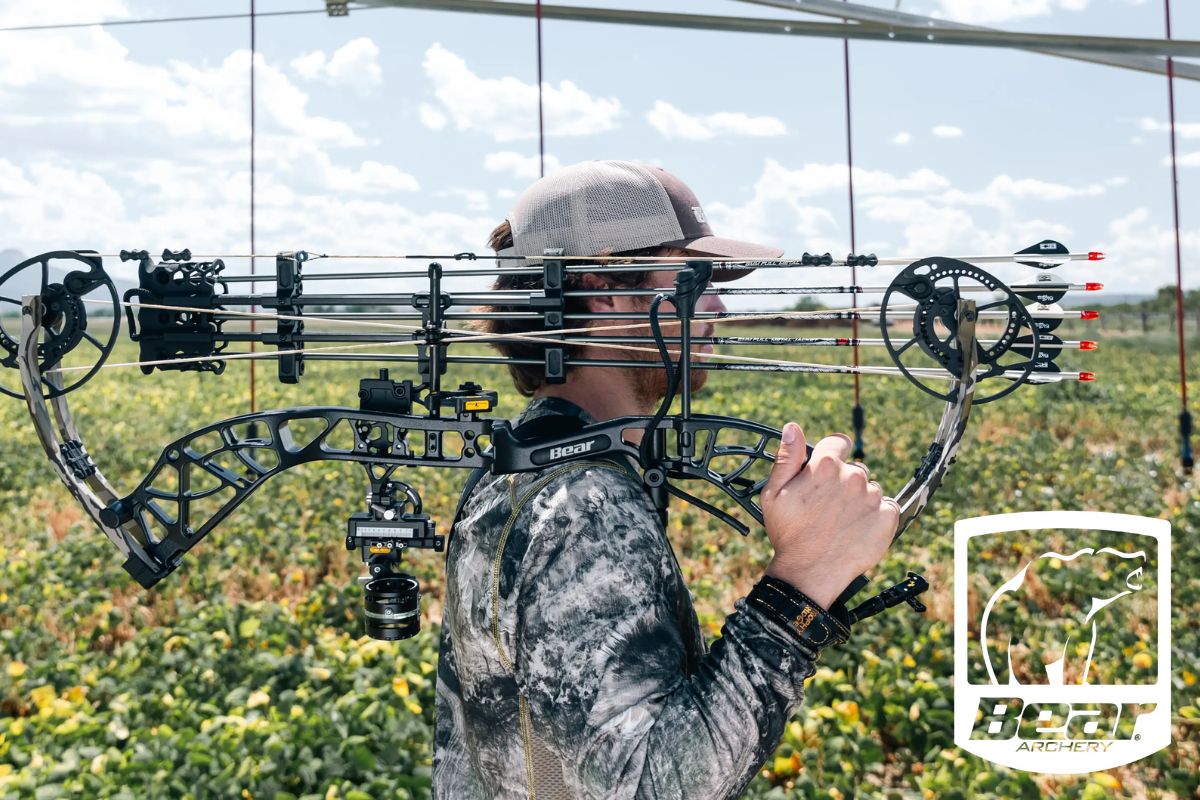
Why the Bear Archery Legend Series Lives Up to Its Name in Bow Hunting
If you’re serious about archery—whether you're seasoned in bow hunting
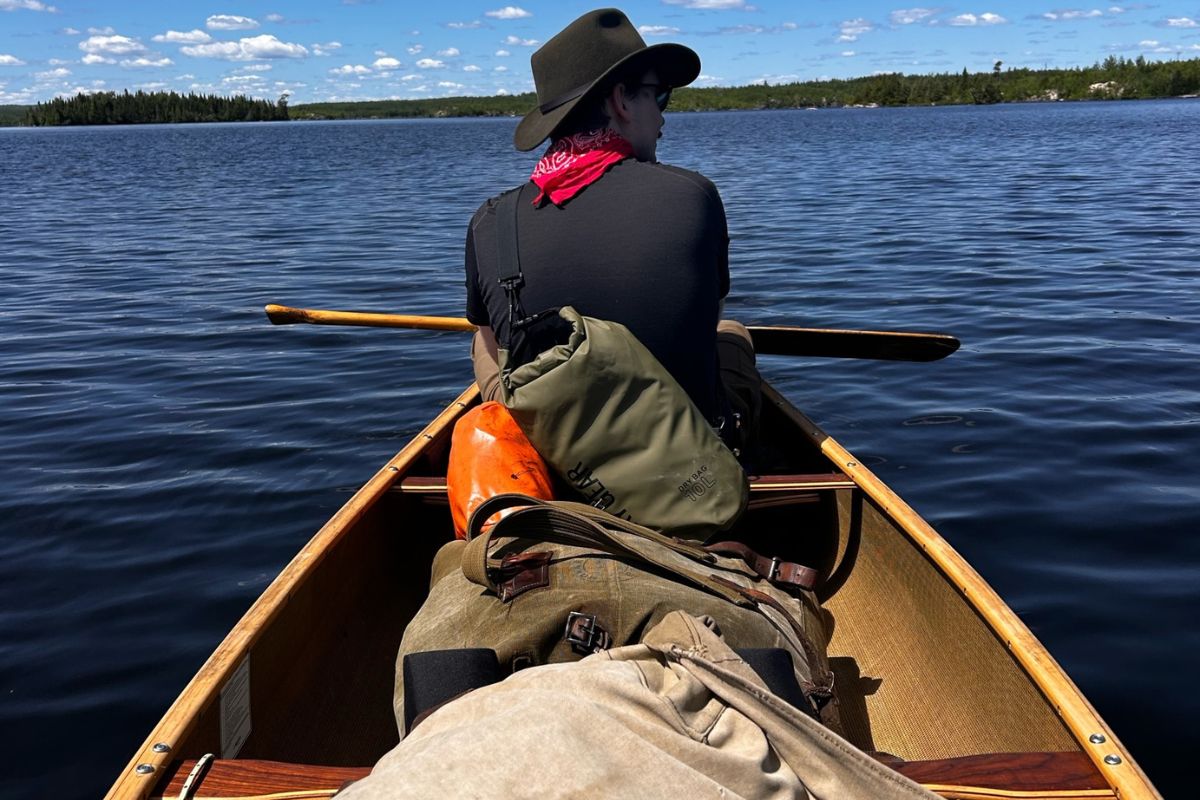
Camp and Paddle with Rhino USA: How to Combine Canoeing with Camping for the Ultimate Adventure
Imagine gliding through serene waterways, surrounded by nature, and ending
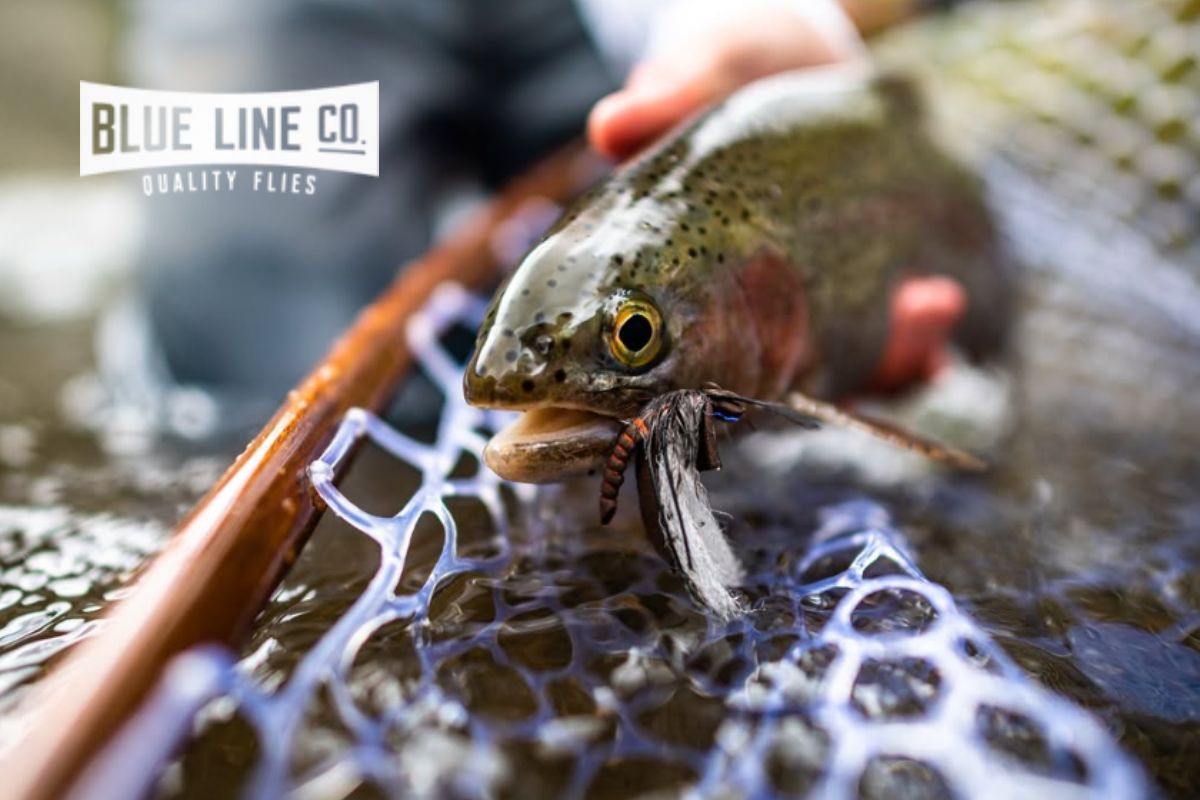
Exploring the Art of Fly Fishing with Blue Line Flies: Quality, Craftsmanship, and Adventure
If you're passionate about chasing fish in small streams, backwoods
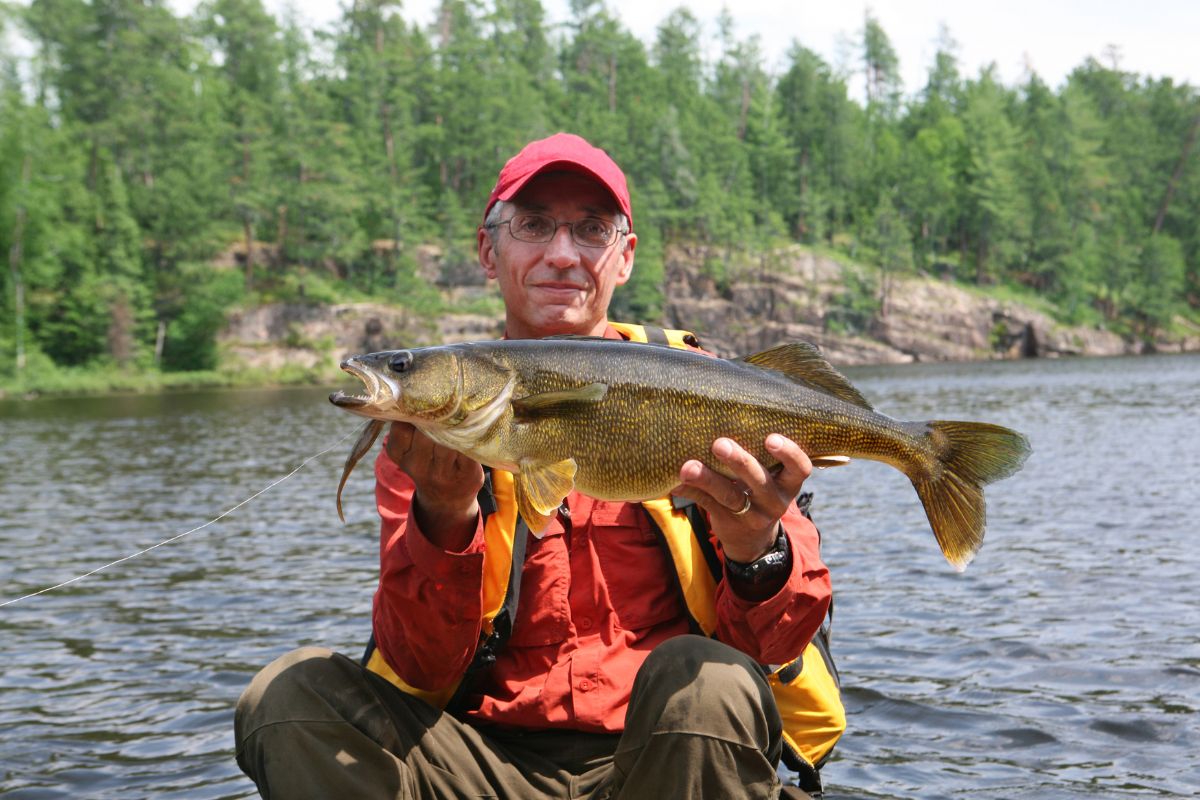
Spring River Walleye Fishing: The Best Bite of the Year
In many northern states and provinces, walleye fishing seasons close

Why the Ford F-150 is the Ultimate Versatile Truck for Outdoor Adventures
The Ford F-150 has cemented its reputation as America’s best-selling
SHARE THIS STORY ANYWHERE YOU LIKE
SHARE THIS STORY ANYWHERE

Backpacking the Absaroka-Beartooth Wilderness: The Ultimate Guide to Backcountry Adventure
Ready to trade your daily grind for alpine lakes, wildflower meadows, and rugged peaks? If you crave real adventure, backpacking in the Absaroka-Beartooth Wilderness is as wild and rewarding as it gets. This backcountry gem