
What Is Forest Bathing and How Do You Do It
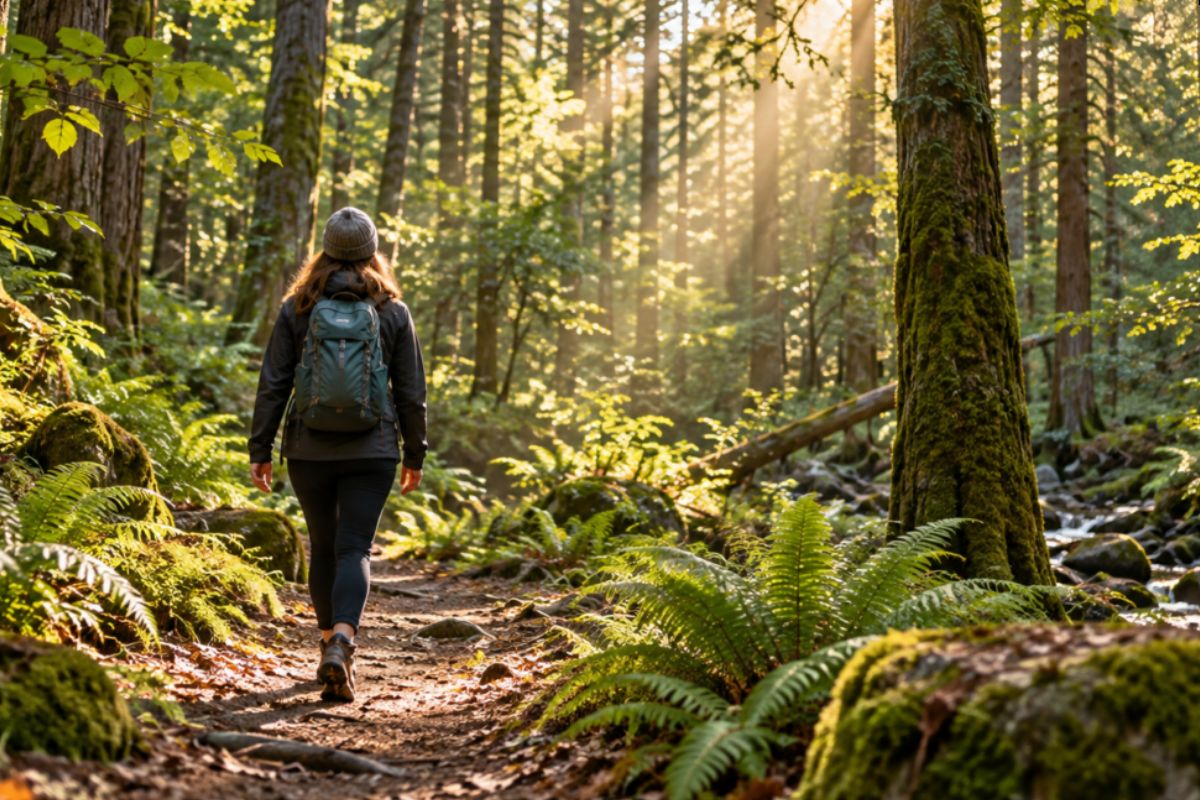
How Forest Bathing Is Different From Hiking
A normal hike often has a destination. You may be trying to reach a lake, mountain, waterfall, or certain number of miles. Forest bathing can happen in a much smaller area because the goal is the experience instead of the distance.
Walk slowly and stop often. Listen to birds, leaves, insects, and moving water, or notice the smell of pine, wet soil, and plants. Touch safe tree bark or look closely at patterns in leaves, but leave plants and wildlife where you find them.
Why People Try Forest Bathing
Many people use forest bathing as a way to relax and take a break from phones, work, and busy schedules. Research has found that time spent in forest settings may help lower stress and improve mood for some people. Scientists are still studying the practice, so it should not be treated as a cure for illness.
The simple act of being outside may also help people feel more connected to nature. A quiet forest gives your mind fewer things to answer, click, or solve. Even a short visit can give you time to notice how your body and mind feel when the day becomes quieter.
How to Try Forest Bathing
Choose a safe park, forest, or wooded trail where you can walk without rushing. Put your phone away or keep it on silent unless you need it for safety. Move slowly and give yourself permission to stop when something catches your attention. Use your senses one at a time. Spend a few minutes listening, then look at colors and shapes, notice smells, and feel the air on your skin. You do not need special equipment or a guide to try a simple forest-bathing walk. There is no perfect amount of time. You might spend twenty minutes in a neighborhood forest or several hours in a larger park. The important part is slowing down enough to notice the place instead of racing through it.
Stay on safe trails and follow local rules while you explore. Forest bathing does not mean walking into unsafe areas or ignoring weather, wildlife, or trail closures. Relaxation works better when you know you are in a place where you can move safely. Try not to turn the activity into another job. You do not need to track steps, beat a time, or post every moment online. If your mind wanders, simply bring your attention back to something you can see, hear, smell, or feel.
Forest bathing is one of the simplest outdoor activities because there is very little to learn. Find a safe green space, slow down, and pay attention. Sometimes getting more from the outdoors starts by doing less.


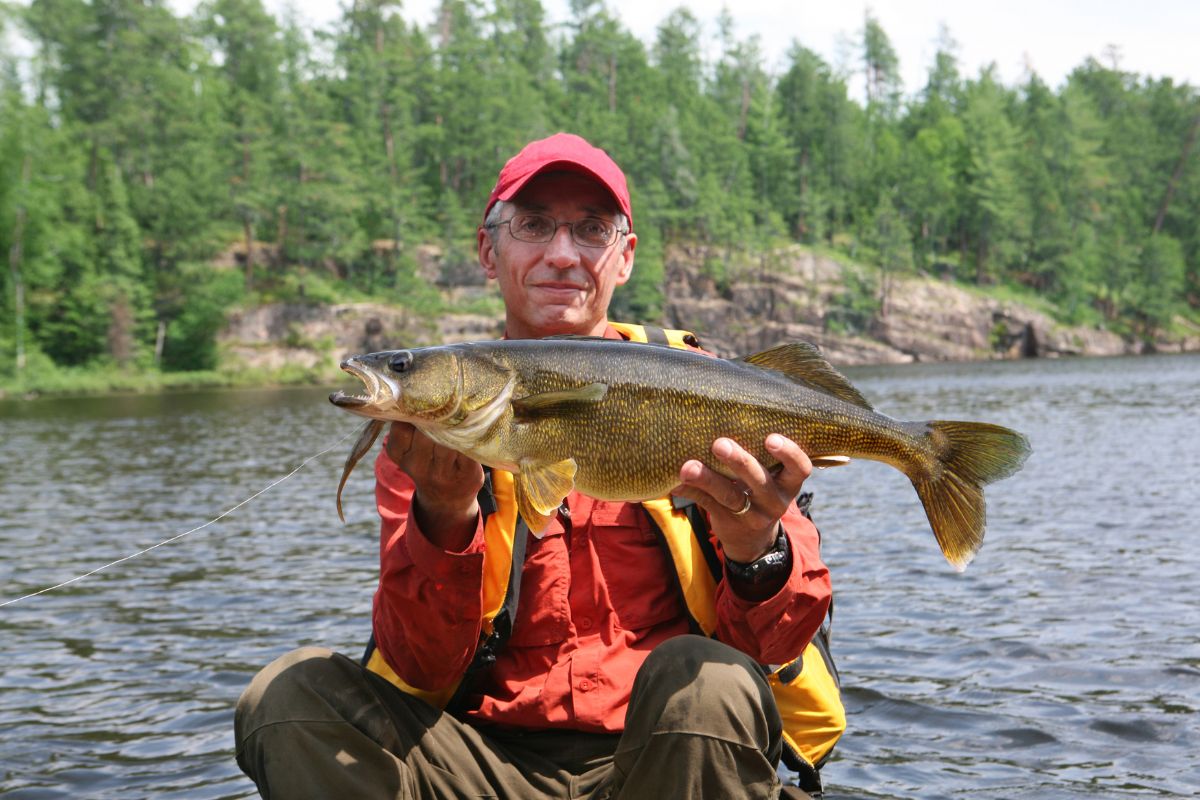
Spring River Walleye Fishing: The Best Bite of the Year
In many northern states and provinces, walleye fishing seasons close

Why the Ford F-150 is the Ultimate Versatile Truck for Outdoor Adventures
The Ford F-150 has cemented its reputation as America’s best-selling

ATV Mudding: Thrills, Prep, and Recovery for Spring and Summer
ATV mudding is more than just a hobby—it’s a full-throttle
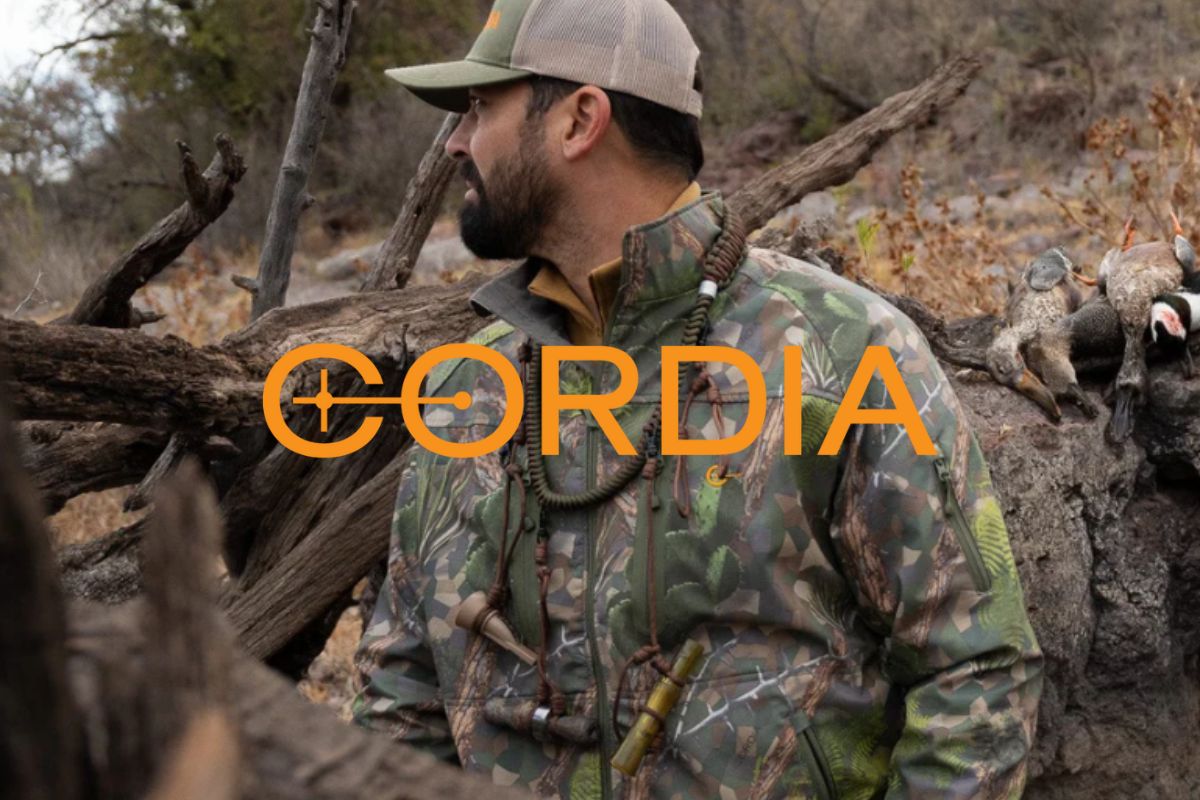
CORDIA: Premium Hunting Apparel Built for the Field
Founded by seasoned hunters in South Texas, CORDIA is a
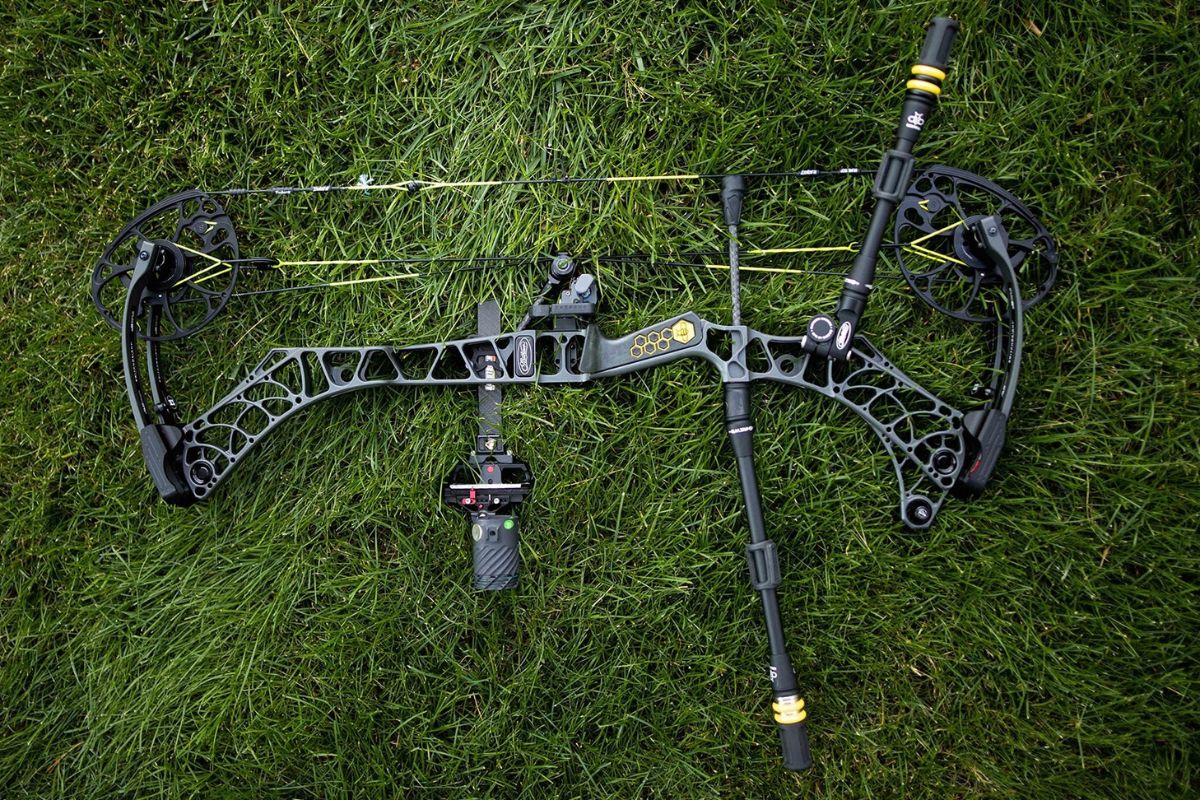
Battle Of the Bow Hunting Brands
Compound bows have revolutionized the world of archery by combining
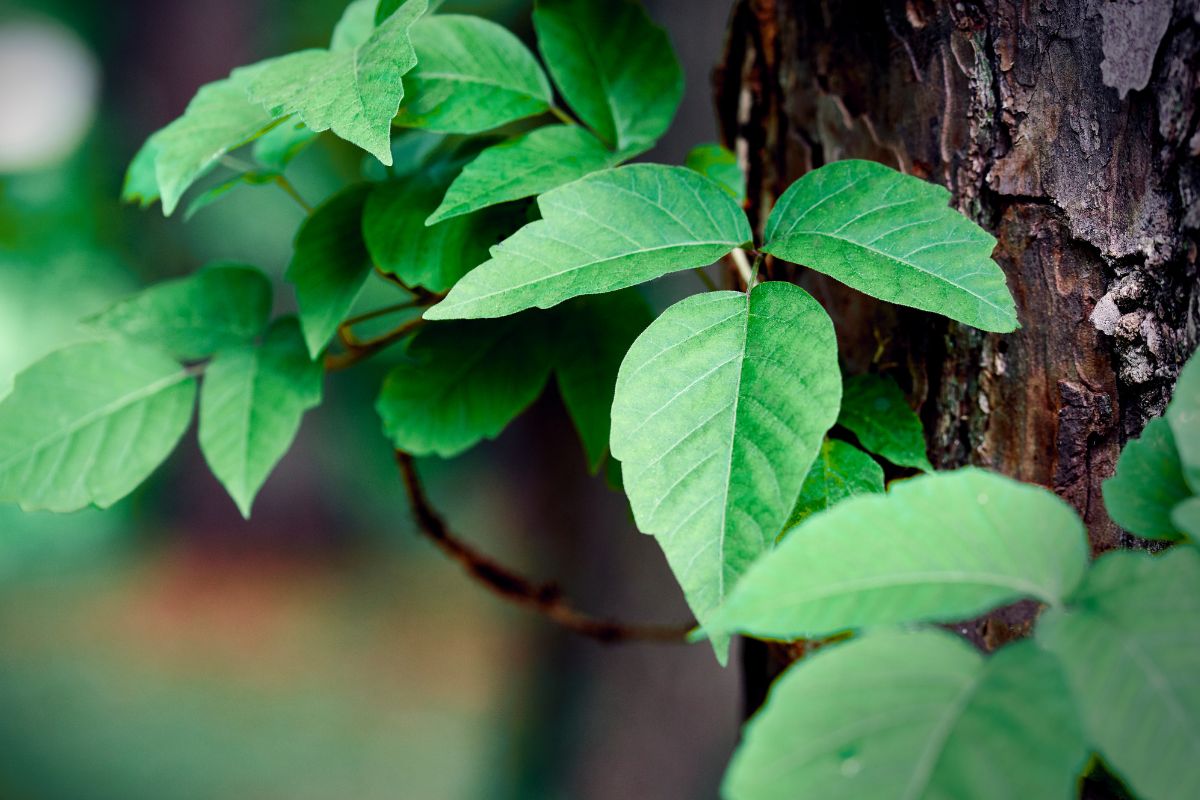
Don’t Touch These Plants! A Guide to Poisonous Plants and Outdoor Safety
The great outdoors offers incredible opportunities for recreation and relaxation.
SHARE THIS STORY ANYWHERE YOU LIKE
SHARE THIS STORY ANYWHERE

Snowmobiling Safely: Essential Gear to Stay Warm, Protected, and Ready for the Ride
Snowmobiling is one of the most exciting ways to explore winter landscapes, offering speed, adventure, and access to areas that are otherwise unreachable during colder months. However, with that excitement comes real risks—from freezing temperatures

Walleye Ice Fishing 101: Structure, Depth, and Presentations That Produce All Season
Start with structure: where the walleyes concentrate Winter walleyes are predictable: they relate to structure and transitions where baitfish congregate. Key features to search are drop-offs, ledges, humps, long points, saddles between basins, and channels