Preparing for Moose, Elk, and Caribou Hunts: Essential Skills, Gear, and Planning Tips
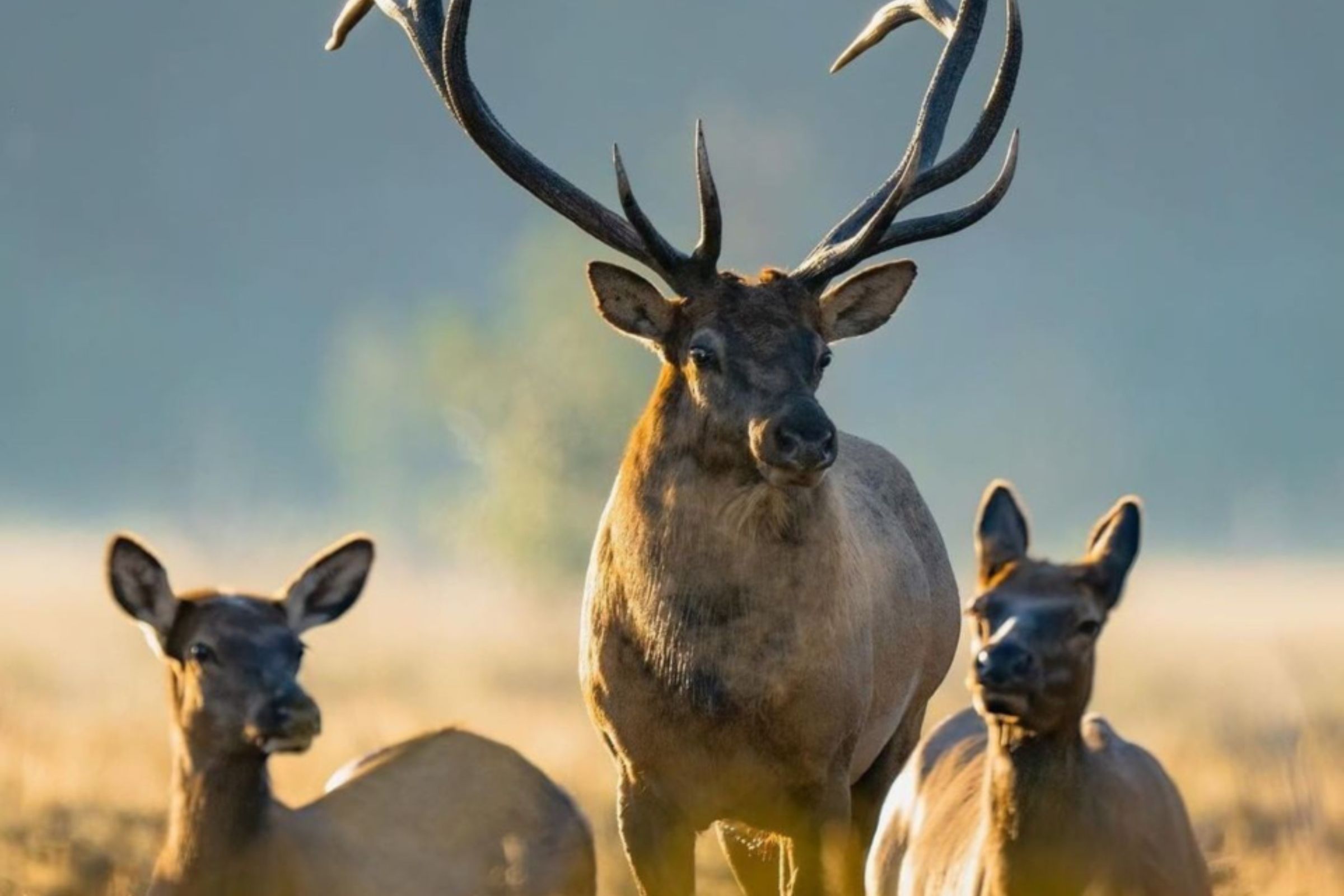
Embarking on a big game hunt for moose, elk, or caribou is a thrilling endeavor that requires meticulous preparation. Success in these challenging hunts hinges on a combination of physical readiness, appropriate gear, and strategic planning.
Physical Preparation
Hunting large game demands significant physical stamina. It’s advisable to begin a conditioning program at least 4 to 6 months before your hunt. Engage in activities such as jogging, cycling, swimming, or weight training for at least 30 minutes daily. Specifically, practice hiking with a weighted pack, starting with a load that’s 10% of your body weight and gradually increasing to 25%. This regimen ensures you’re prepared to traverse rugged terrains while carrying necessary equipment.
Essential Gear
Equipping yourself with the right gear is crucial for both safety and success:
-
Clothing: Layered clothing systems, including moisture-wicking base layers, insulating mid-layers, and waterproof outer layers, help regulate body temperature and protect against unpredictable weather.
-
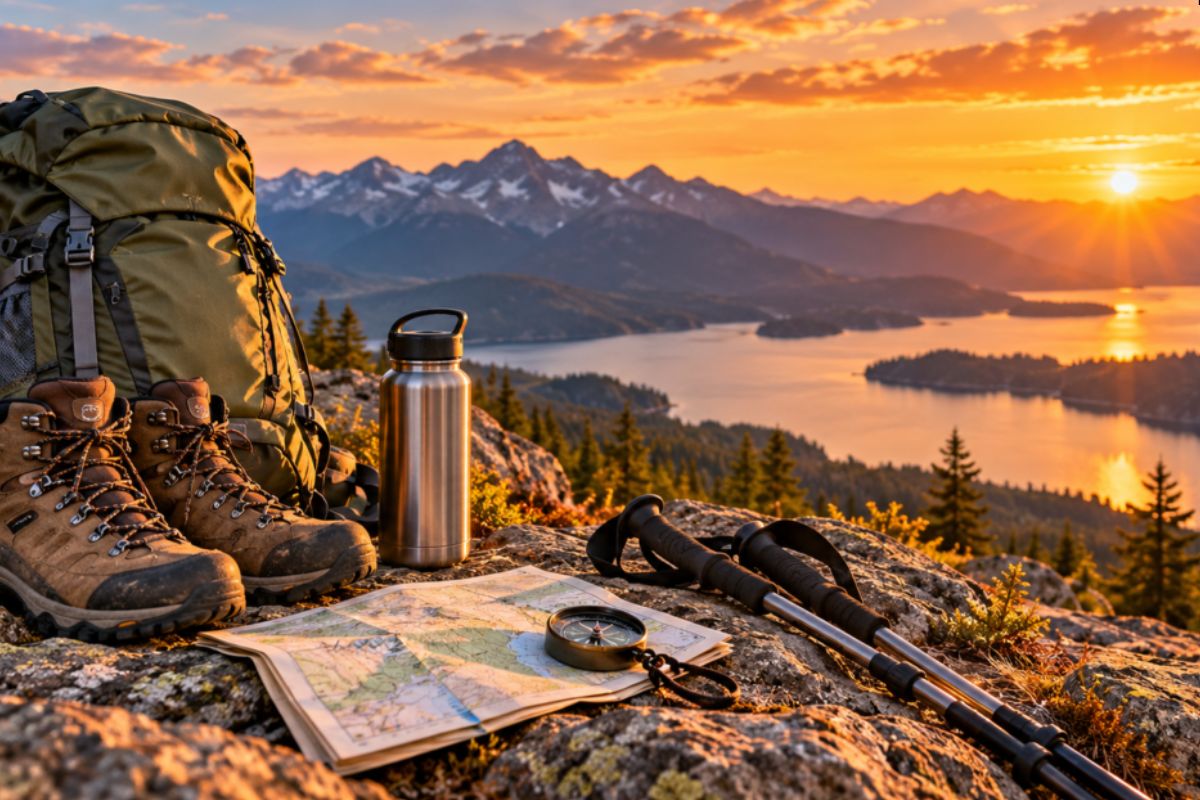
Footwear: Sturdy, waterproof boots with ample ankle support are essential for navigating uneven terrain.
-
Backpack: A durable backpack with a capacity of around 6,200 cubic inches is suitable for multi-day hunts, accommodating gear, food, and emergency supplies.
-
Navigation Tools: Reliable GPS devices, maps, and compasses are vital for orientation in remote areas.
-
Optics: High-quality binoculars (e.g., 10×42) and a spotting scope enhance your ability to locate and assess game from a distance.
-
Hunting Equipment: Depending on your preference, ensure your rifle or bow is well-maintained and sighted. For rifle hunters, cartridges like the .338 Winchester Magnum are favored for their effectiveness on large game.
-
Field Dressing Tools: Equip yourself with sharp knives, a bone saw, game bags, and gloves to efficiently process your harvest in the field.
Planning and Strategy
Effective planning enhances the likelihood of a successful hunt:
-
Research: Study the behavior, habitat, and seasonal patterns of your target species. Understanding their feeding and migration habits informs optimal hunting times and locations.
-
Scouting: If possible, visit your chosen hunting area beforehand to familiarize yourself with the terrain and identify potential game activity.
-
Regulations: Adhere to all local hunting laws, including licensing requirements, season dates, and bag limits.
-
Safety Measures: Inform someone of your hunting plan, carry a first aid kit, and be prepared for emergencies. In Alaska, for instance, hunters are advised to be self-reliant and capable of extended stays in the wilderness due to unpredictable weather and limited services.
Embarking on a moose, elk, or caribou hunt is a rewarding challenge that tests a hunter’s skill, endurance, and preparation. By focusing on physical conditioning, assembling essential gear, and meticulously planning, you set the foundation for a successful and memorable big game hunting experience.
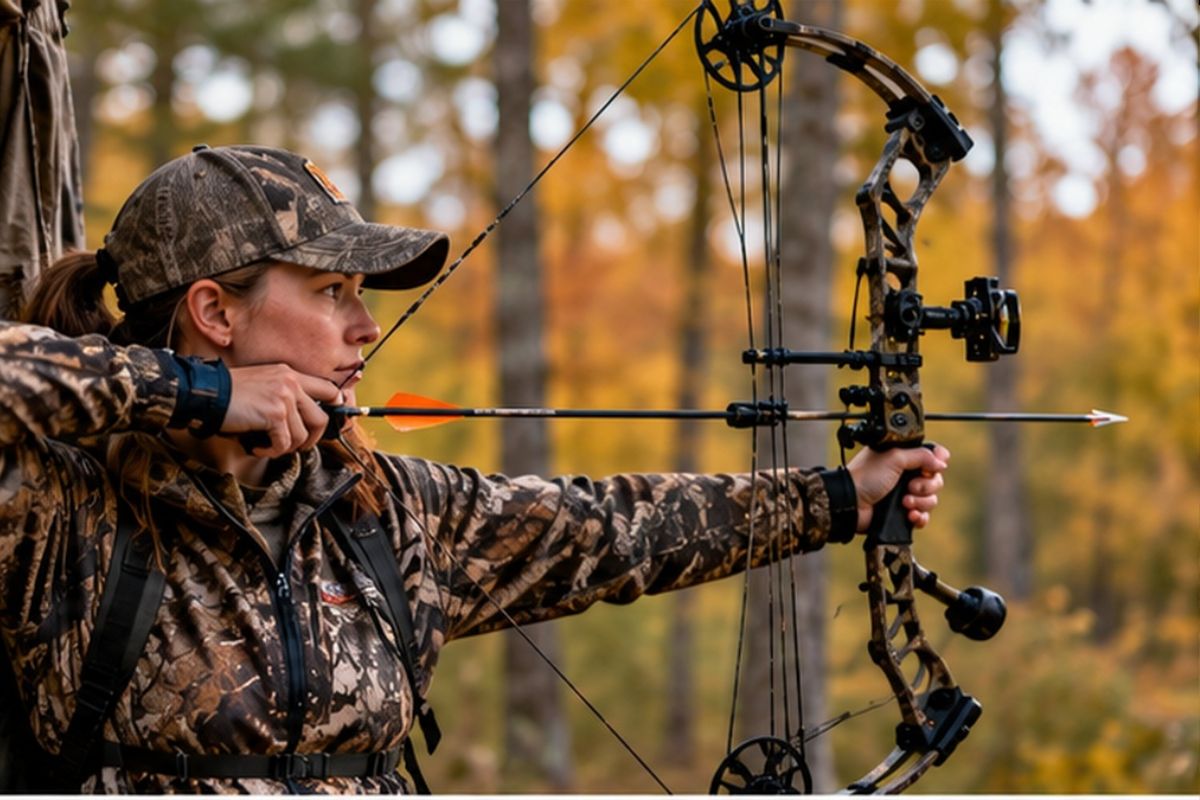
How to Get Started Bow Hunting
Bow hunting gives hunters a quiet and challenging way
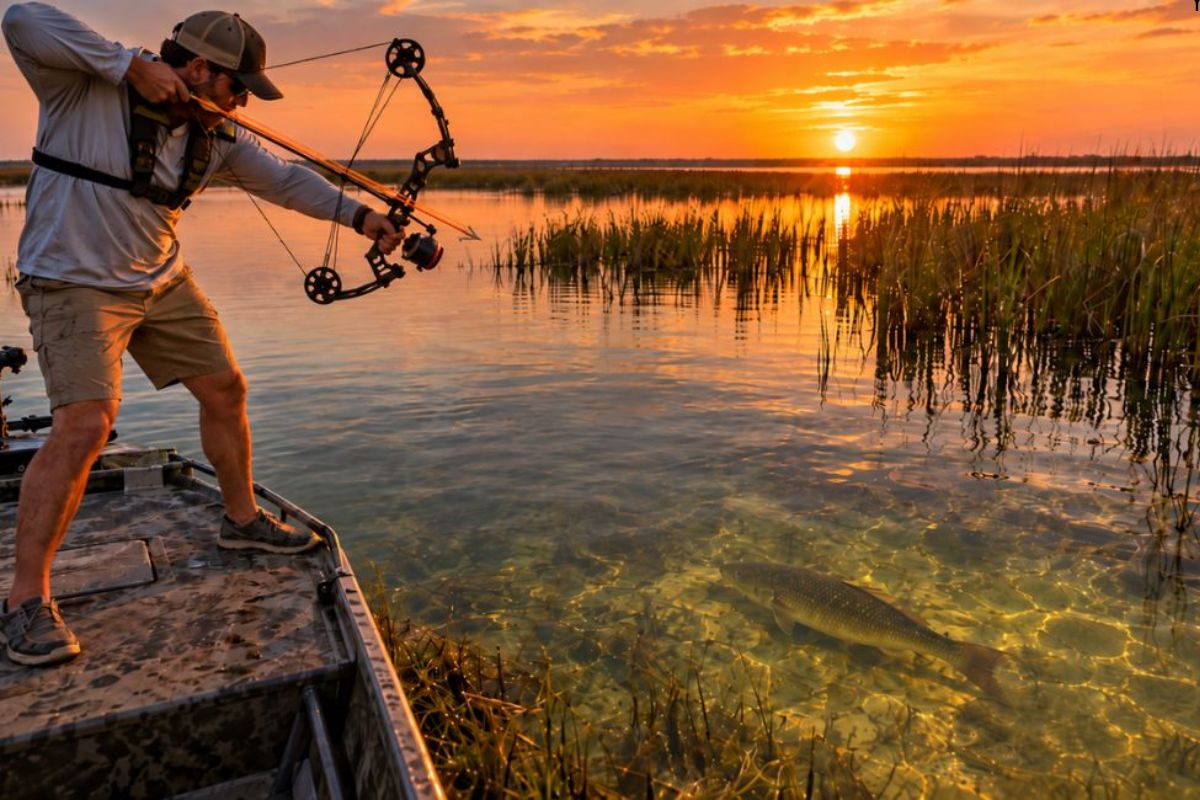
Bowfishing Basics for Beginners
Bowfishing combines parts of archery and fishing into one
When Is Hunting Season
One of the first questions new hunters ask is
Ultimate Time to Shop for Winter Boots and Shoes
When the first crisp breeze of autumn rolls in
How to Stay Safe Around Wildlife
Seeing wildlife can be one of the best parts
Animal Tracking for Beginners
You do not have to see an animal to