2026 Outdoor Alert: Major DNR Changes and National Park Updates
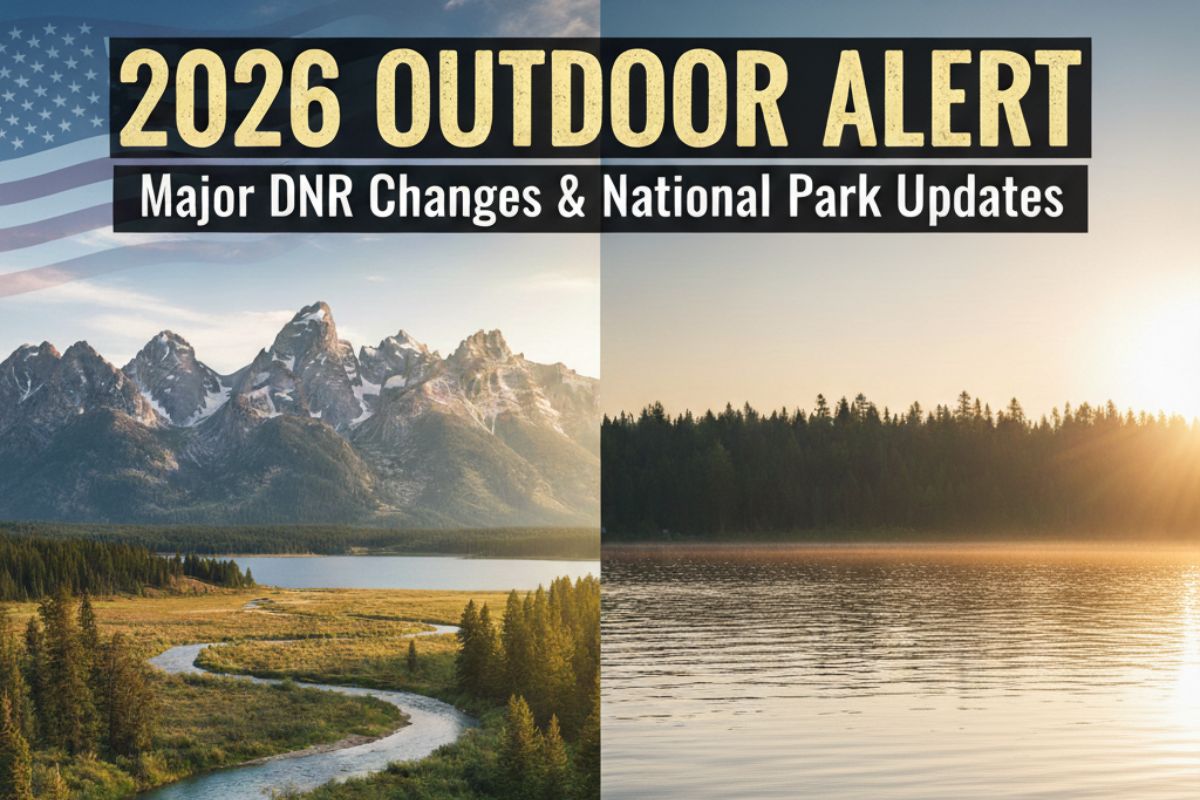
The 2026 season is bringing significant shifts to the American outdoors. From overhauled fee structures at our National Parks to critical new fishing regulations in the Midwest, staying informed is the only way to avoid heavy fines and enjoy your season to the fullest.
National Parks: New “Patriotic” Fee Structure
The Department of the Interior has implemented a major pricing overhaul for 2026 designed to prioritize U.S. taxpayers while managing record international tourism.
- International Visitor Surcharge: Non-residents will now pay an additional $100 per person at the “Top 11” most visited parks, including Yellowstone, Yosemite, and the Grand Canyon.
- Resident Pass Benefits: While the “America the Beautiful” pass for residents remains $80, the international version has spiked to $250.
- New Free Days: Look out for new resident-only fee-free days on Flag Day (June 14) and Constitution Day (Sept 17).
Minnesota: Walleye and Boating Overhauls
Minnesota is seeing its biggest regulatory shakeup in years, affecting both conservation and watercraft operation.
- Walleye Limit Reduction: To ensure long-term sustainability, the DNR has officially proposed reducing the statewide daily limit from six to four fish.
- Year-Round Bass Fishing: For the first time, anglers can enjoy a continuous catch-and-release season for largemouth and smallmouth bass on all inland waters.
- Mandatory Boater Permits: The phased education law reaches a new milestone on July 1, 2026; any operator born on or after July 1, 2000, is now required to carry a watercraft operator permit.
Regional Regulation Highlights
Stay compliant with these key updates across the U.S.:
- Maryland: The commercial oyster season has been extended through April 14, 2026.
- Vermont: New rules set a combined daily limit of 50 panfish (with a 25-crappie cap).
- Colorado: Wildlife officials have temporarily halted further wolf reintroduction releases for the 2026 winter season.
Federal Conservation & The ESA
A new federal directive is rolling back recent environmental rules to restore 2019 Endangered Species Act (ESA) standards. This move aims to reduce regulatory burdens on landowners and streamline resource development while maintaining core habitat protection targets. Additionally, agencies have been ordered to remove administrative barriers to hunting and fishing on all Department-managed lands.
Always check your local DNR website before heading out, as regulations can change by county and specific waterway.

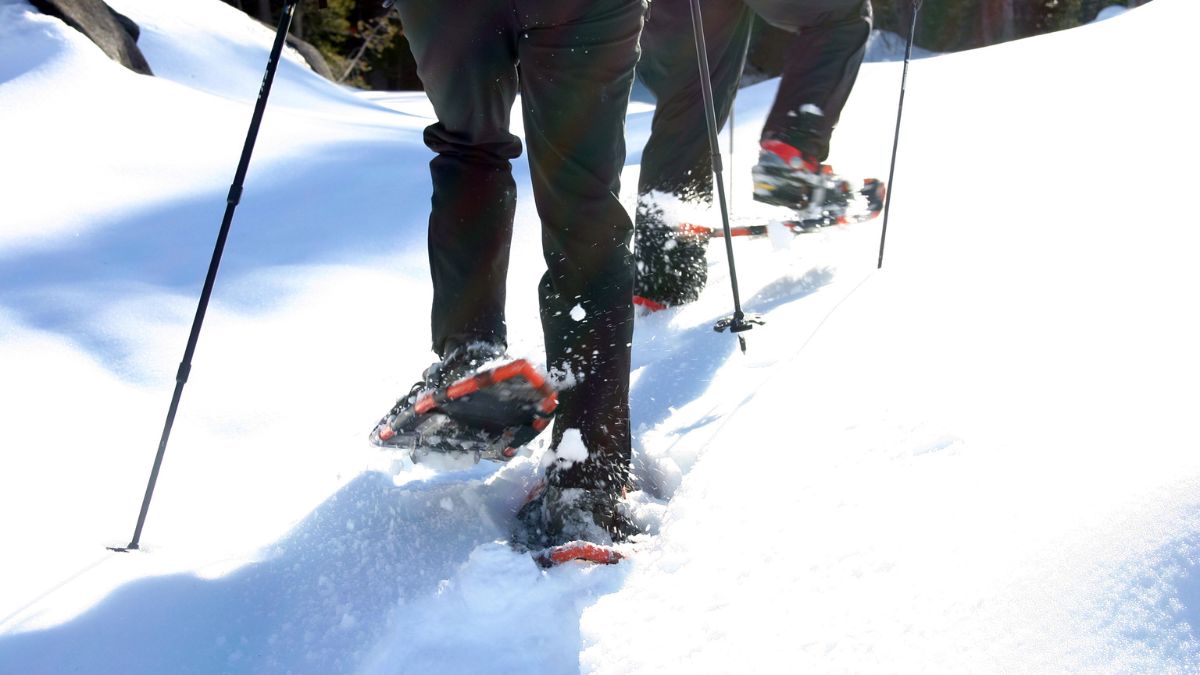
Snowshoeing for Beginners
Snowshoeing is one of the easiest winter sports to

Snowmobile Safety Tips for Winter Riding
Snowmobiling can be one of the most exciting ways to

Popular Winter Sports for Outdoor Adventure
Winter opens the door to outdoor activities that are
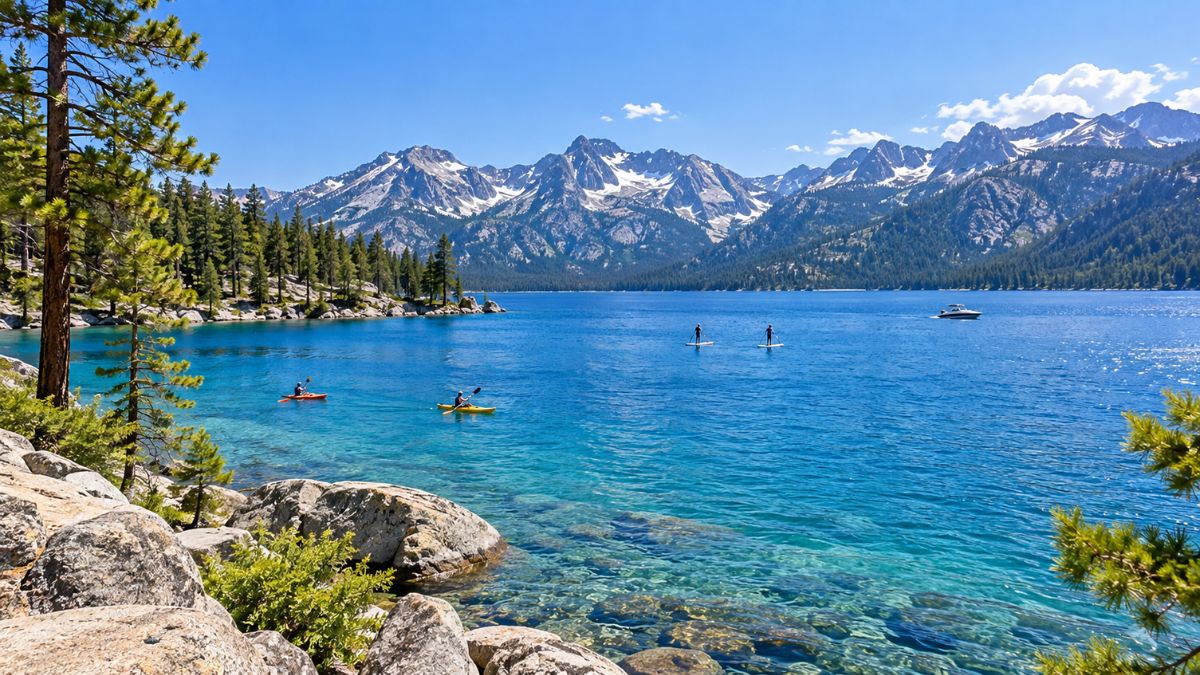
Best Places for Water Sports in the United States
A great water sports trip can look very different

Scuba Diving Snorkeling and Freediving for Beginners
The world below the water can feel like a
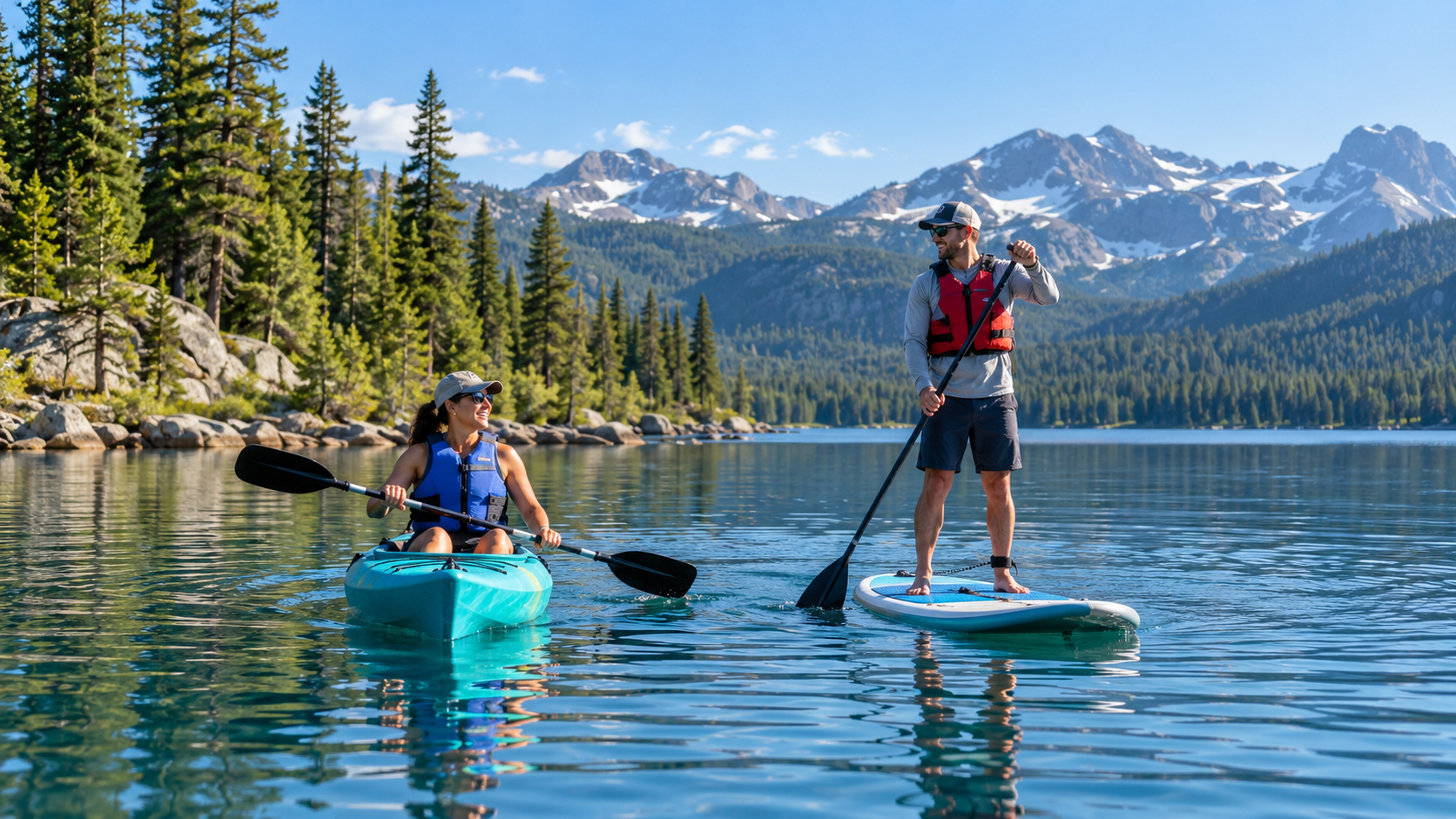
Kayaking vs Paddleboarding for Beginners
Kayaking and paddleboarding are two simple ways to explore lakes,