
Casting vs. Trolling: Which Technique is Best for Bass Fishing?
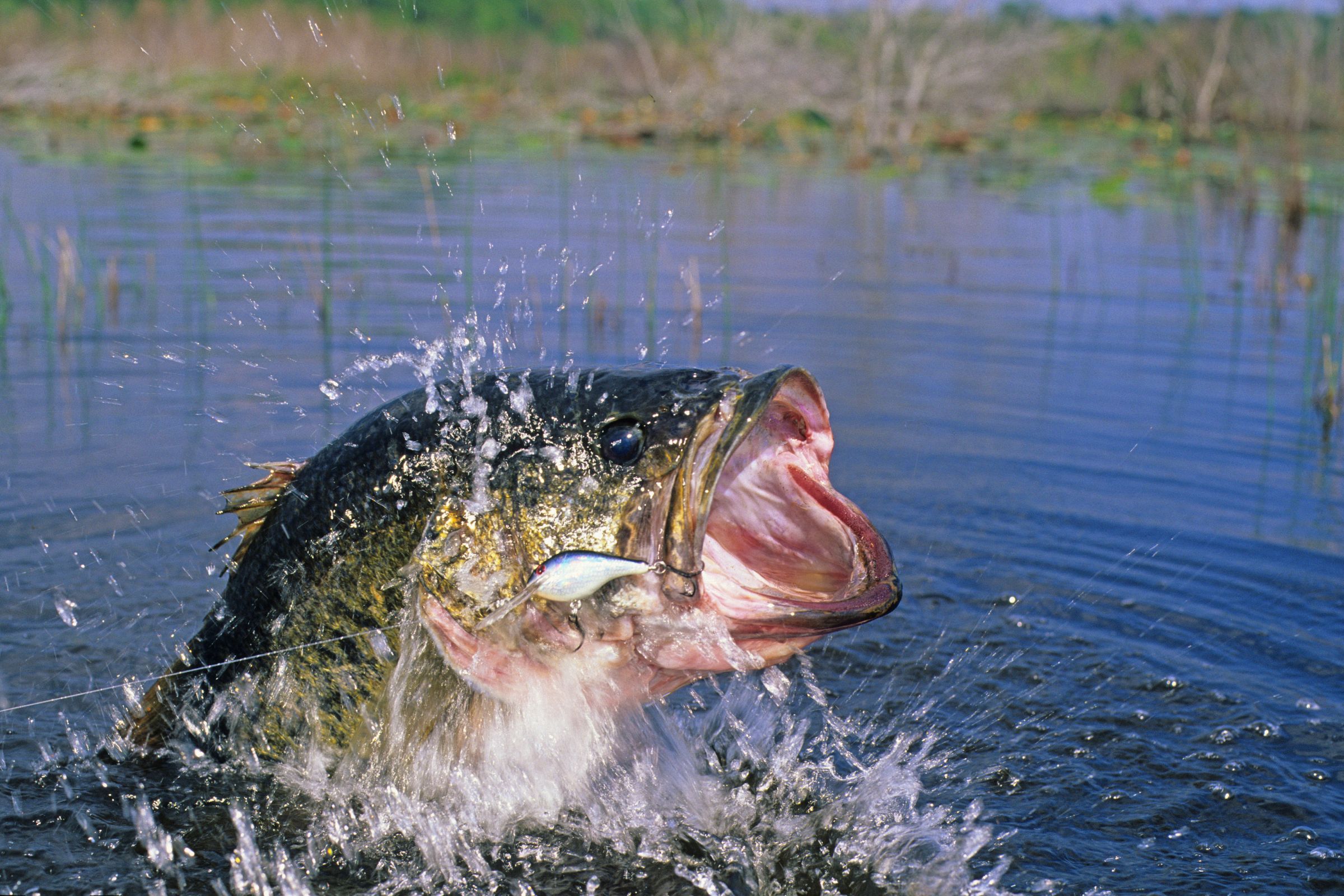
Bass fishing is not only one of the most popular freshwater angling pursuits but also a sport that offers a range of techniques to land the coveted largemouth and smallmouth bass. Among the various methods, casting and trolling stand out as primary techniques for targeting bass in different environments. In this article, we will compare the pros and cons of casting and trolling to determine which technique is best suited for bass fishing.
Casting
Casting Pros
- Precision and Accuracy: One of the main advantages of casting is the ability to precisely place lures or bait in specific target areas such as under overhanging trees, near underwater structures, or along the edges of vegetation where bass are likely to ambush their prey.
- Versatility: Casting allows anglers to effectively fish a variety of lures, including soft plastics, crankbaits, topwater lures, and jigs, offering versatility in adapting to changing bass behavior and environmental conditions.
- Sensitivity: By casting and retrieving lures, anglers can feel subtle strikes and bites, allowing for a more immediate and responsive hook set.
Casting Cons
- Limited Coverage: While casting provides precision, it may not cover as much water as trolling, making it less efficient for locating fish in larger bodies of water where bass are scattered or actively moving.
- Physical Exertion: Constantly casting and retrieving lures can be physically demanding, especially in situations where the fish are deep or widely distributed.
Trolling
Trolling Pros
- Covering Vast Areas: Trolling allows anglers to cover a large expanse of water, making it ideal for locating schools of bass or targeting fish in expansive lakes, reservoirs, or open water.
- Consistent Depth Control: Trolling enables anglers to maintain a consistent lure depth, catering to bass holding at specific depths or following submerged structures.
- Relaxation and Efficiency: Once the trolling setup is in place, anglers can relax and let the boat do the work, making it a more leisurely approach to bass fishing while still actively pursuing fish.
Trolling Cons
- Limited Precision: Trolling may sacrifice the precision and fine-tuned presentation that casting offers, potentially missing out on enticing bass from tight, specific areas.
- Reduced Sensitivity: Trolling setups can sometimes make it challenging to detect subtle strikes or changes in the environment, requiring anglers to be vigilant and responsive.
The choice between casting and trolling for bass fishing ultimately depends on the specific environmental conditions, the behavior of the bass, and the angler’s preferences. In environments with defined structures and potential hiding spots, casting may offer the precision and versatility needed to entice bass from specific locations. Meanwhile, in larger bodies of open water or when targeting actively moving fish, trolling can be a more efficient approach for covering expansive areas and locating schools of bass.
Ultimately, anglers may find themselves employing a combination of casting and trolling techniques to adapt to changing conditions and maximize their chances of landing the elusive bass. Whether casting lures with precise accuracy or trolling expansive waters in pursuit of the next big catch, both techniques have their merits and can lead to rewarding bass fishing experiences.



Top Labor Day Sales: Unbeatable Outdoor Gear & Adventure Deals
Labor Day is here, and it’s the perfect time to

Campfire Stories, Jokes & Games to Make Fall Nights Unforgettable
There’s nothing quite like the magic of a crisp fall

Fall Pike Fishing Playbook: Locations, Lures, and Tactics for Giants
When water temps slide and baitfish start staging, northern pike

2025 New Hunting Gear and Apparel Launch by Badlands Gear
If you're waiting to gear up until season starts, it's

Hunt Smarter This Fall: Proven Stand and Blind Strategies for Deer
Getting ready for fall deer hunting season means more than

Three Wheelers: A Cheesy, Mud-Slinging Trip Down Memory Lane
The Enduring Charm of the Three Wheeler: A Nostalgic Ride
SHARE THIS STORY ANYWHERE YOU LIKE
SHARE THIS STORY ANYWHERE

Walleye Ice Fishing 101: Structure, Depth, and Presentations That Produce All Season
Start with structure: where the walleyes concentrate Winter walleyes are predictable: they relate to structure and transitions where baitfish congregate. Key features to search are drop-offs, ledges, humps, long points, saddles between basins, and channels