Dirt Bike 101: A Beginner’s Guide to Getting Started
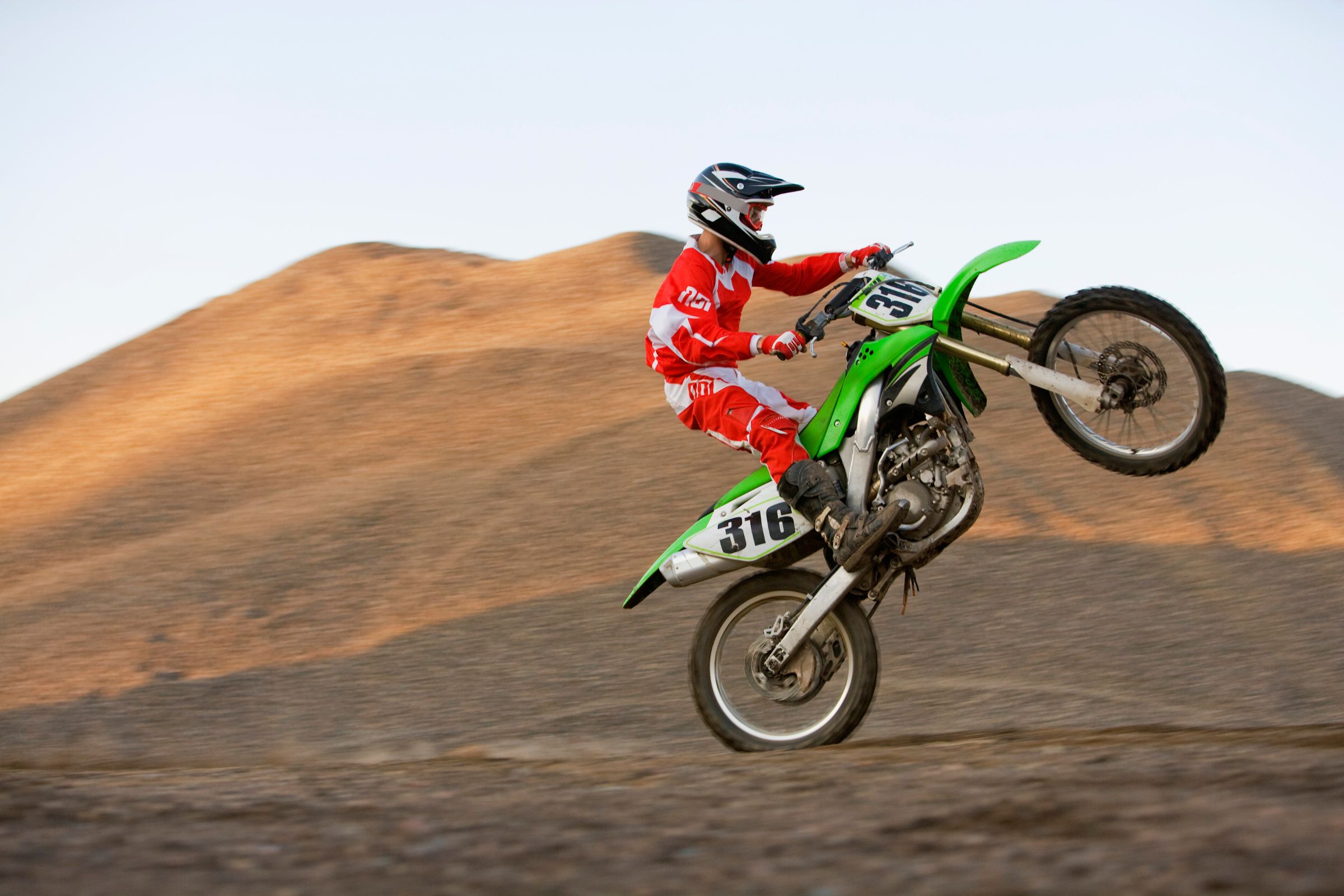
The thrill of riding a dirt bike is undeniable. The rush of adrenaline, the challenge of conquering trails, and the pure joy of being outdoors – it’s an experience like no other. But where do you start? If you’re a complete beginner, the world of dirt bikes can seem overwhelming. This guide will break down the essentials, helping you take your first steps into this exciting sport.
1. Understanding the Basics
- What is a Dirt Bike?
- Dirt bikes are lightweight motorcycles designed for off-road use. They’re built for various terrains, from motocross tracks to rugged trails.
- Types of Dirt Bikes:
- Motocross Bikes: Designed for racing on closed tracks, known for their powerful engines and aggressive suspension.
- Enduro Bikes: Built for long-distance off-road riding, featuring softer suspension and added features like lights.
- Trail Bikes: Versatile bikes for recreational riding on trails, offering a balance of performance and comfort.
- Dual-Sport Bikes: Street-legal dirt bikes, allowing you to ride on both paved roads and off-road trails.
- Kids Bikes: Smaller, less powerful bikes designed for young riders.
2. Essential Gear: Safety First
Safety is paramount in dirt bike riding. Here’s the gear you’ll need:
- Helmet: A DOT-approved motocross helmet is crucial.
- Goggles: Protect your eyes from dust, debris, and branches.
- Chest Protector: Shields your chest and back from impacts.
- Knee and Elbow Pads: Protect your joints from injuries.
- Riding Boots: Sturdy boots with ankle support are essential.
- Riding Pants and Jersey: Durable clothing designed for off-road riding.
- Gloves: Provide a secure grip and protect your hands.
3. Choosing Your First Dirt Bike
- Consider Your Skill Level: As a beginner, opt for a bike that’s easy to handle. Trail bikes are generally a good starting point.
- Engine Size: Start with a smaller engine size (125cc-250cc) for better control.
- Budget: Set a realistic budget, considering the cost of the bike, gear, and maintenance.
- Used vs. New: A used bike can be a cost-effective option, but ensure it’s in good condition.
- Fit: Make sure the bike fits you comfortably. You should be able to reach the controls easily.
4. Learning the Basics of Riding
- Find a Safe Practice Area: Start in an open, flat area away from traffic.
- Master the Controls: Familiarize yourself with the throttle, brakes, clutch (if applicable), and gear shifter.
- Practice Balance: Learn to balance the bike while stationary and at low speeds.
- Throttle Control: Practice smooth acceleration and deceleration.
- Braking: Learn to apply the brakes smoothly and effectively.
- Turning: Practice leaning and turning at low speeds.
- Body Position: Maintain a balanced and upright riding position.
5. Taking the Next Steps
- Riding Schools and Instructors: Consider taking a beginner’s course to learn essential skills and safety techniques.
- Practice Regularly: The more you ride, the more confident and skilled you’ll become.
- Join a Riding Group: Riding with experienced riders can provide valuable tips and support.
- Explore Local Trails: Start with easy trails and gradually progress to more challenging terrain.
- Maintenance: Learn basic maintenance tasks to keep your bike in good condition.
Key Takeaways:
- Safety is the number one priority.
- Start with the right gear and a beginner-friendly bike.
- Practice basic skills in a safe environment.
- Consider professional instruction.
- Enjoy the ride and have fun!
Getting started with dirt bike riding is an exciting adventure. By following these tips, you’ll be well on your way to enjoying the thrill of off-road riding.
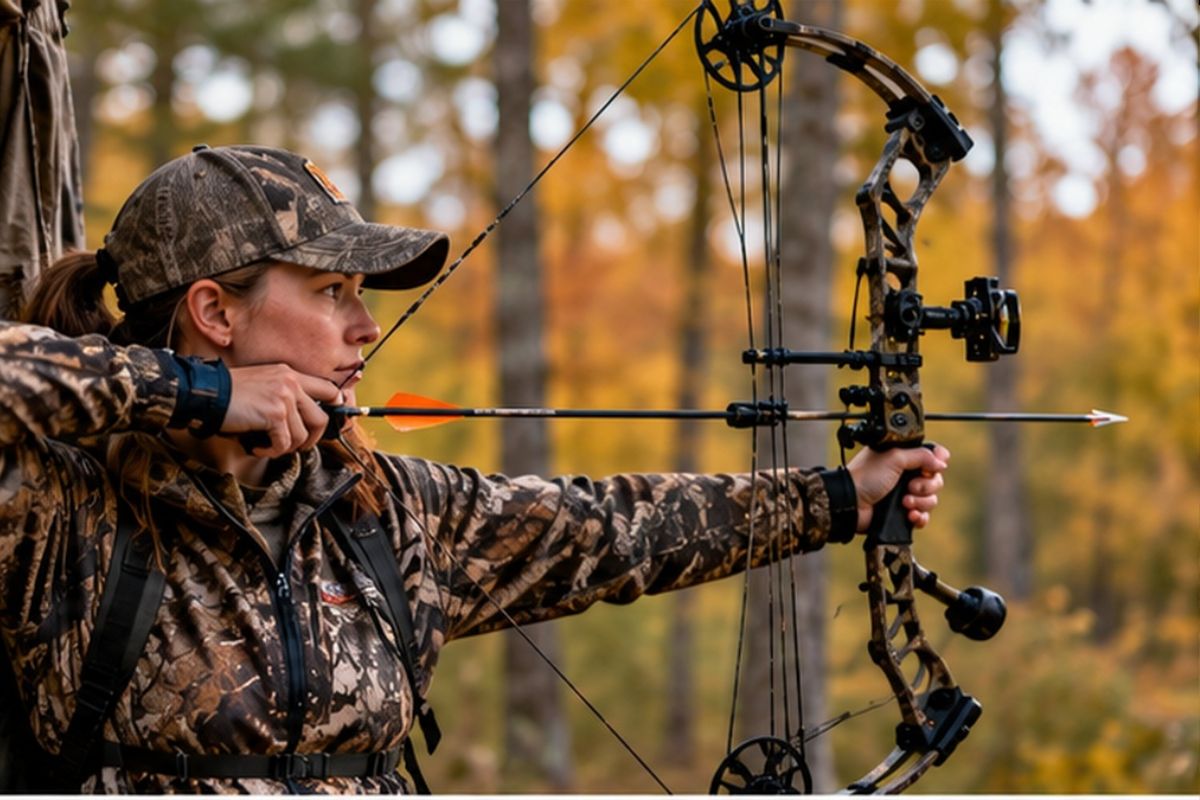
How to Get Started Bow Hunting
Bow hunting gives hunters a quiet and challenging way
Bowfishing Basics for Beginners
Bowfishing combines parts of archery and fishing into one
When Is Hunting Season
One of the first questions new hunters ask is
Ultimate Time to Shop for Winter Boots and Shoes
When the first crisp breeze of autumn rolls in
How to Stay Safe Around Wildlife
Seeing wildlife can be one of the best parts
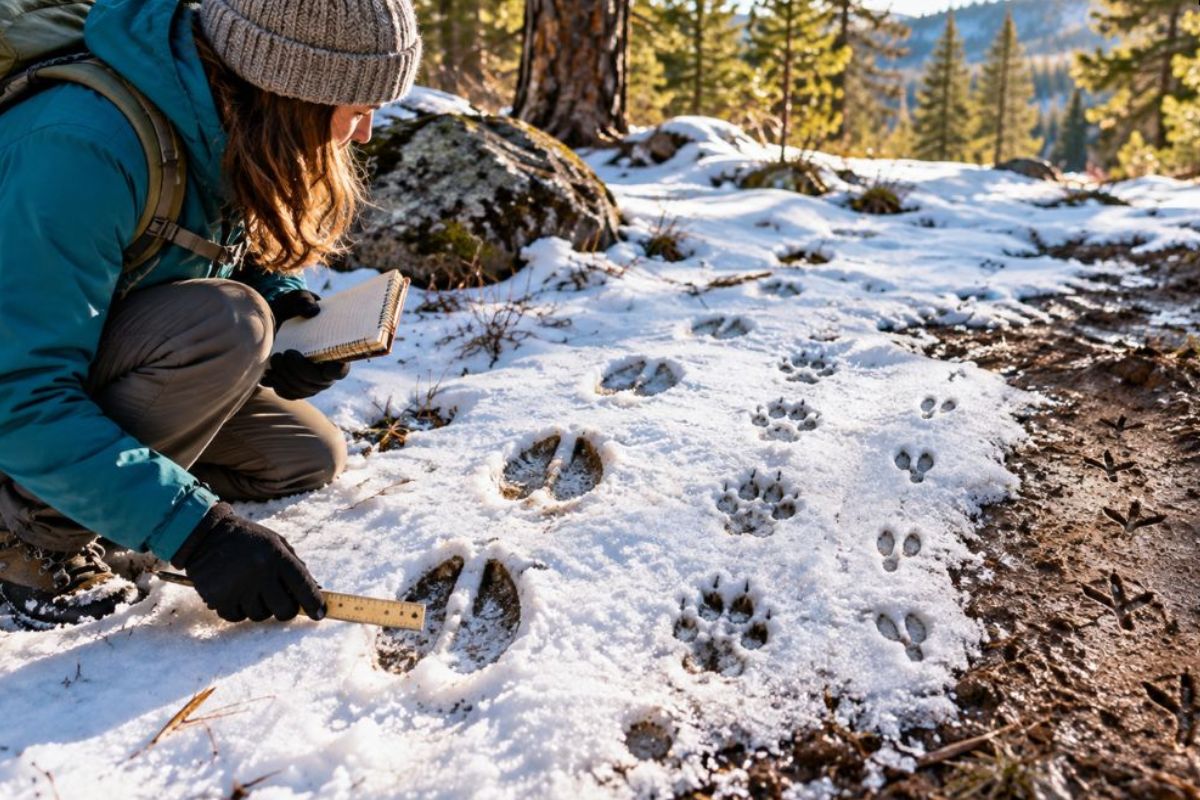
Animal Tracking for Beginners
You do not have to see an animal to