Escape the Crowds: Your Guide to the Freedom of Dispersed Camping
What is Dispersed Camping?
Tired of crowded campgrounds, reservation hassles, and the constant hum of fellow campers? If the call of the wild resonates with your adventurous spirit, then dispersed camping might be your perfect escape. Often referred to as “primitive camping,” “boondocking” (though that term has other connotations too), or “wild camping,” dispersed camping offers a unique opportunity to immerse yourself in nature with minimal impact and maximum solitude.
But what exactly is dispersed camping? Simply put, it’s camping on public lands outside of designated campgrounds. This means no picnic tables, no fire rings, no restrooms, and often, no fees. It’s a chance to truly disconnect, embrace self-reliance, and experience the wilderness on your own terms.
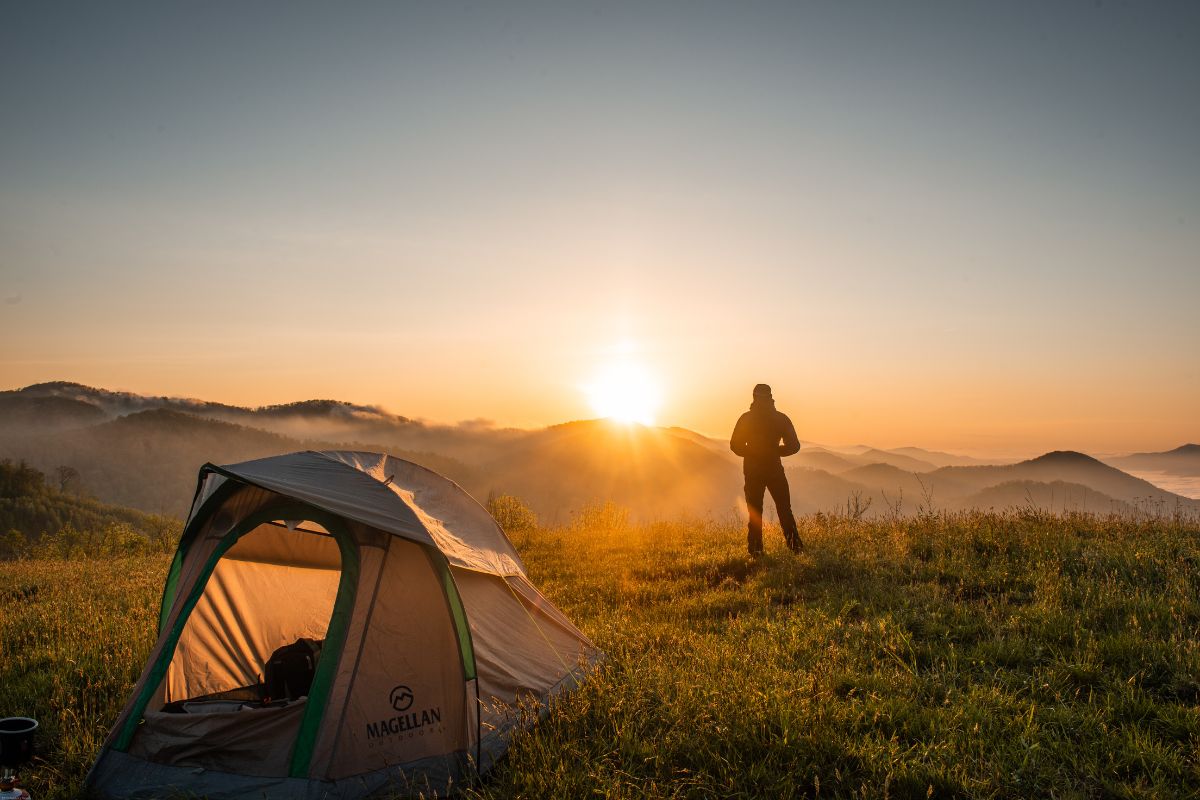
Think of vast national forests, Bureau of Land Management (BLM) lands, and other publicly managed areas where you can pitch your tent amidst towering trees, beside a babbling brook, or under a canopy of stars far from any artificial light. The appeal lies in the freedom – the ability to choose your own campsite (within regulations, of course!), set your own pace, and enjoy a level of tranquility that traditional campgrounds often can’t provide.
The Allure (and Responsibility) of Going Wild:
- Solitude and Peace: Escape the noise and crowds for a truly immersive natural experience.
- Freedom and Flexibility: Choose your own campsite (within regulations) and set your own schedule.
- Cost-Effective: Often free of charge, making it a budget-friendly way to explore.
- Deeper Connection with Nature: Experience the wilderness in its raw and untamed beauty.
However, this freedom comes with significant responsibility. Because there are no facilities, you are entirely responsible for your own well-being and for minimizing your impact on the environment. This is where proper preparation and Leave No Trace principles are paramount.
Your Essential Dispersed Camping Gear Checklist From Sportmans Warehouse:
Venturing into the backcountry for dispersed camping requires careful planning and the right equipment, and Sportsmans Warehouse has everything you will need. Here’s a breakdown of essential items you should bring:
Shelter & Sleep System:
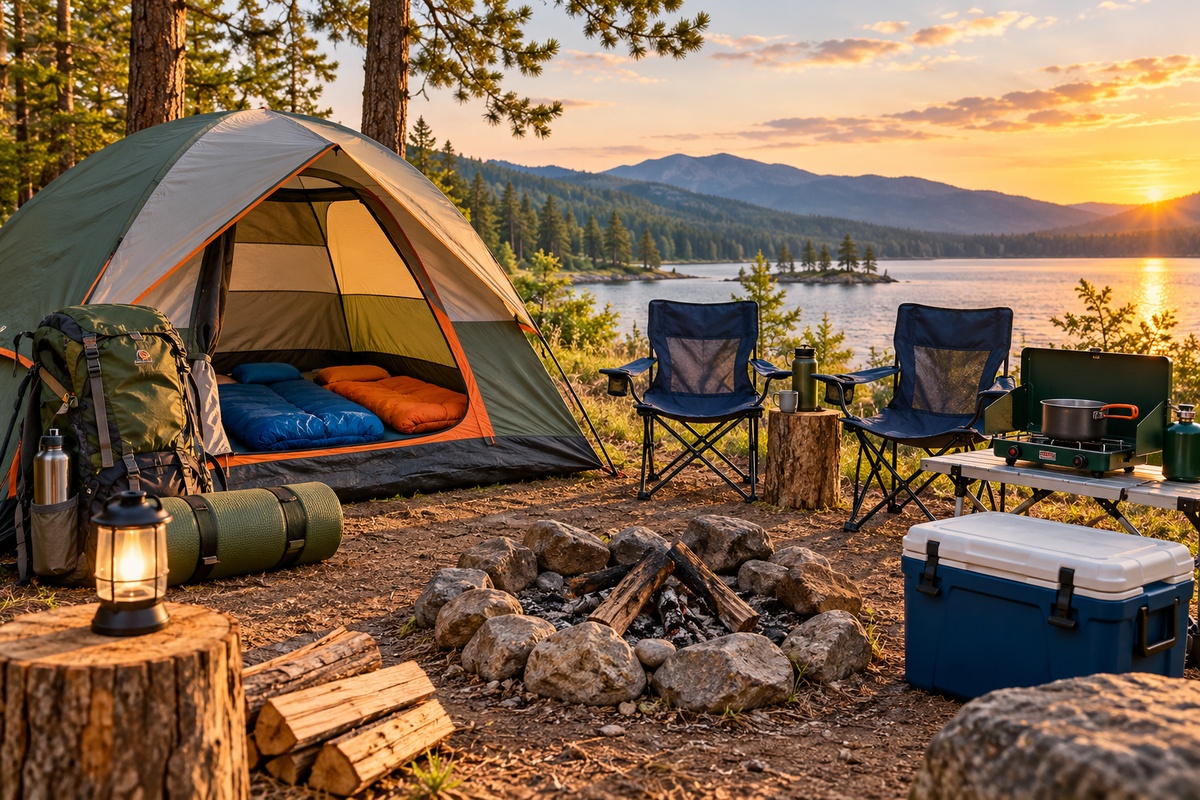
- Tent or Tarp: Choose a reliable shelter appropriate for the weather conditions.
- Sleeping Bag: Select one with a temperature rating suitable for the expected nighttime lows.
- Sleeping Pad: Provides insulation and comfort.
- Pillow (optional): For a better night’s sleep.
Cooking & Food:
- Camp Stove & Fuel: For preparing meals.
- Cooking Pot & Utensils: For cooking and eating.
- Food: Plan your meals carefully and pack non-perishable items.
- Food Storage: Bear-resistant canisters or proper hanging techniques are crucial in bear country. Even elsewhere, protect your food from other animals.
- Water Bottles or Hydration Reservoir: Carry enough water or a reliable way to purify it.
- Water Filter or Purification Tablets: Essential for accessing safe drinking water from natural sources.
- Trash Bags: Pack it in, pack it out!
Navigation & Safety:
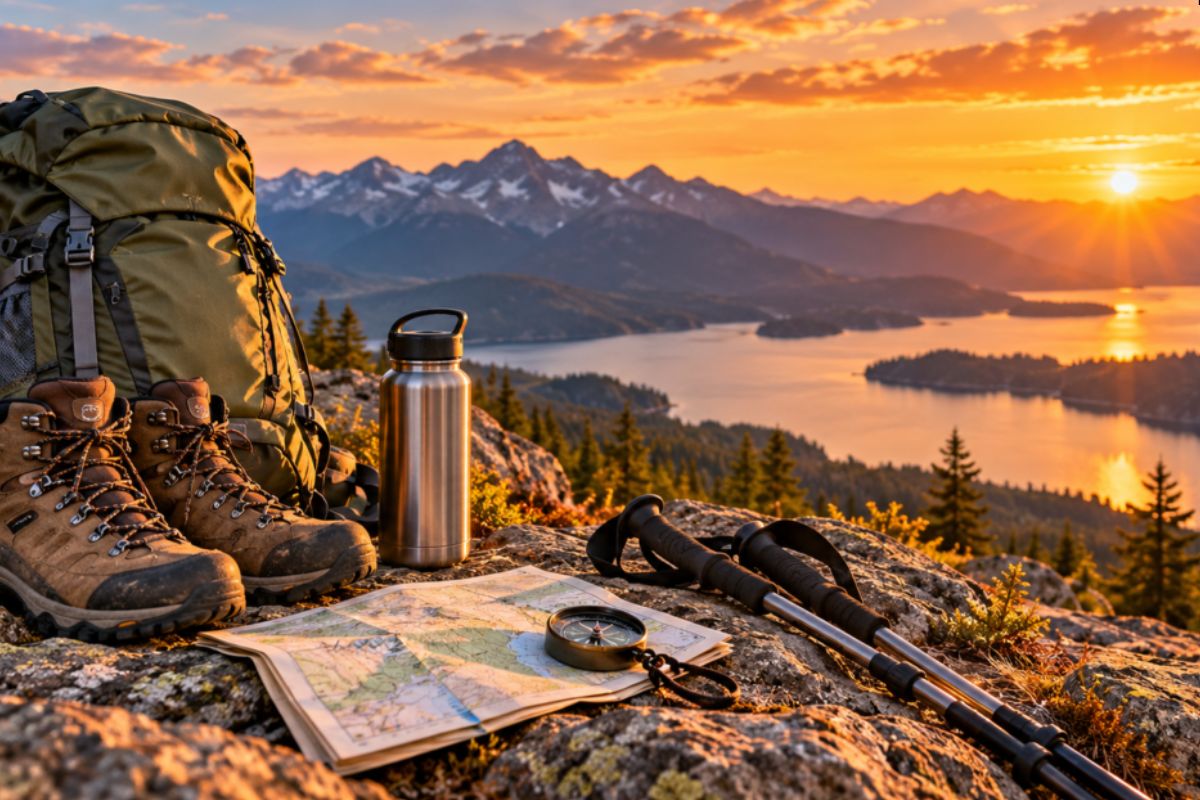
- Map & Compass (and know how to use them!): Don’t rely solely on electronics.
- GPS Device or Smartphone with Offline Maps (as a backup): Ensure you have sufficient battery power or a portable charger.
- First-Aid Kit: Comprehensive and know how to use it.
- Headlamp or Flashlight: With extra batteries.
- Multi-tool or Knife: Incredibly versatile for various tasks.
- Sun Protection: Sunscreen, hat, sunglasses.
- Insect Repellent: Essential for comfort and preventing insect-borne illnesses.
- Whistle: For signaling in emergencies.
- Fire Starter: Waterproof matches, lighter, fire steel.
- Emergency Shelter (bivy sack or emergency blanket): For unexpected situations.
- Personal Locator Beacon (PLB) or Satellite Communicator (optional but highly recommended in remote areas): For contacting emergency services when cell service is unavailable.
Hygiene & Sanitation:
- Toilet Paper: Pack it out!
- Trowel: For burying human waste (cat hole method – at least 6-8 inches deep and 200 feet from water sources, trails, and campsites).
- Hand Sanitizer: For maintaining hygiene.
- Biodegradable Soap (use away from water sources): For washing hands or dishes.
- Menstrual Hygiene Products: Pack it out!
Other Important Items:
- Repair Kit: For your tent, sleeping pad, etc.
- Camp Chairs (optional): For comfortable seating.
- Binoculars (optional): For wildlife viewing.
- Camera (optional): To capture the beauty of your surroundings.
- Permits and Information: Research the area you plan to camp in. Some areas may require permits or have specific regulations.
Remember the Golden Rule: Leave No Trace. This means packing out everything you pack in, minimizing campfire impacts, respecting wildlife, leaving what you find, and properly disposing of waste.
Dispersed camping offers an unparalleled opportunity to connect with nature on a deeper level. By being prepared, responsible, and respectful of the land, you can enjoy the freedom and solitude of the wilderness while ensuring its preservation for future generations. So, pack your bags thoughtfully, do your research, and get ready to experience the wild in its purest form!


How to Get Started Bow Hunting
Bow hunting gives hunters a quiet and challenging way
Bowfishing Basics for Beginners
Bowfishing combines parts of archery and fishing into one
When Is Hunting Season
One of the first questions new hunters ask is
Ultimate Time to Shop for Winter Boots and Shoes
When the first crisp breeze of autumn rolls in

How to Stay Safe Around Wildlife
Seeing wildlife can be one of the best parts
Animal Tracking for Beginners
You do not have to see an animal to