Great Lakes Fishing for Every Season
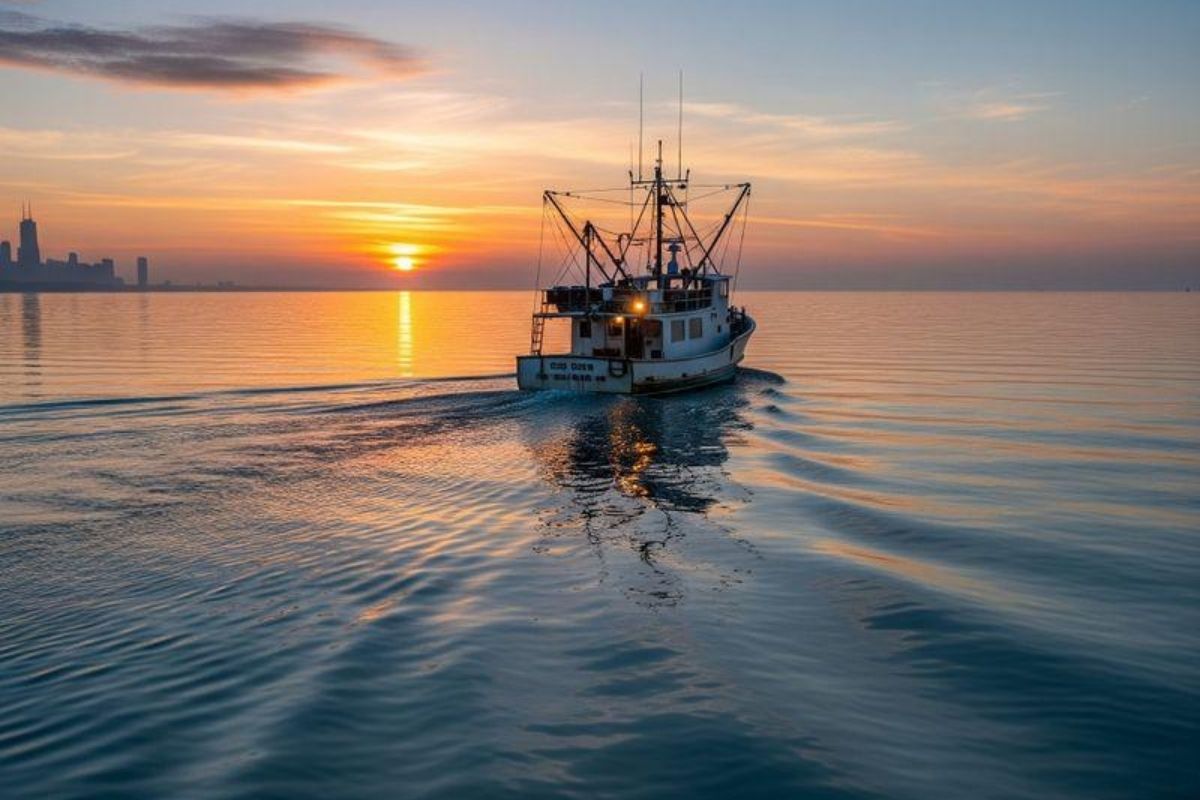
The Great Lakes are some of the best places to fish in North America. These five huge lakes hold many kinds of fish, from yellow perch and bass to salmon, walleye, and lake trout. Each lake has its own fishing style, popular species, and seasonal patterns. The five Great Lakes are Lake Superior, Lake Michigan, Lake Huron, Lake Erie, and Lake Ontario. You can fish from shore, from a pier, in rivers connected to the lakes, or from a boat. Knowing how fishing changes through the year can help you decide when and where to go.
Fishing the Great Lakes in Spring
Spring is an exciting time around the Great Lakes. As ice disappears and water begins to warm, many fish become more active and move closer to shore. This can make spring a good season for anglers who want to fish from piers, river mouths, harbors, and beaches.
Steelhead are a favorite spring fish in many Great Lakes areas. These strong fish often move into rivers and streams connected to the lakes. Brown trout, lake trout, walleye, perch, and other species may also become easier to find as the season changes.
Lake Erie is especially famous for walleye. Spring can bring large numbers of walleye into active feeding areas, making the lake one of the best-known walleye fisheries in the region. Yellow perch are also popular with anglers looking for an easier and family-friendly day on the water.
Weather can change quickly during spring. A warm morning may turn cold and windy by afternoon, and waves can build quickly on such large lakes. Always check local weather and water conditions before heading out.
Summer Fishing Across the Five Great Lakes
Summer brings warm weather, long days, and many fishing choices. Fish may move deeper as surface water gets warmer, so anglers often change locations and fishing depth through the season. Early morning and evening can also be great times to fish when the day is hot.
Lake Superior stays colder than the other Great Lakes. Lake trout are one of its best-known fish, and anglers also target salmon, steelhead, whitefish, walleye, and other species depending on the area. Its rocky shoreline and deep blue water give Lake Superior fishing a very different feel from many other lakes.
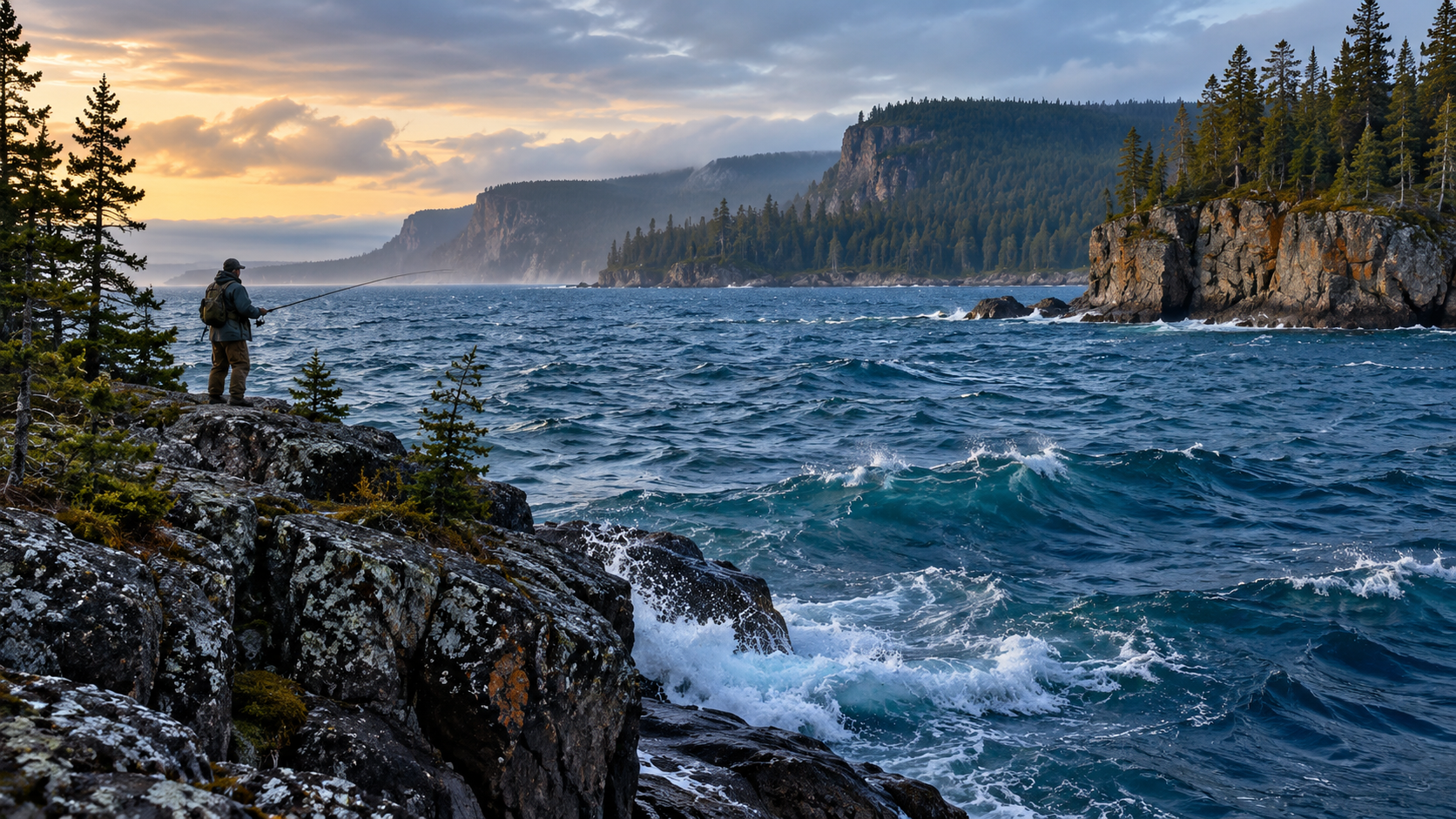
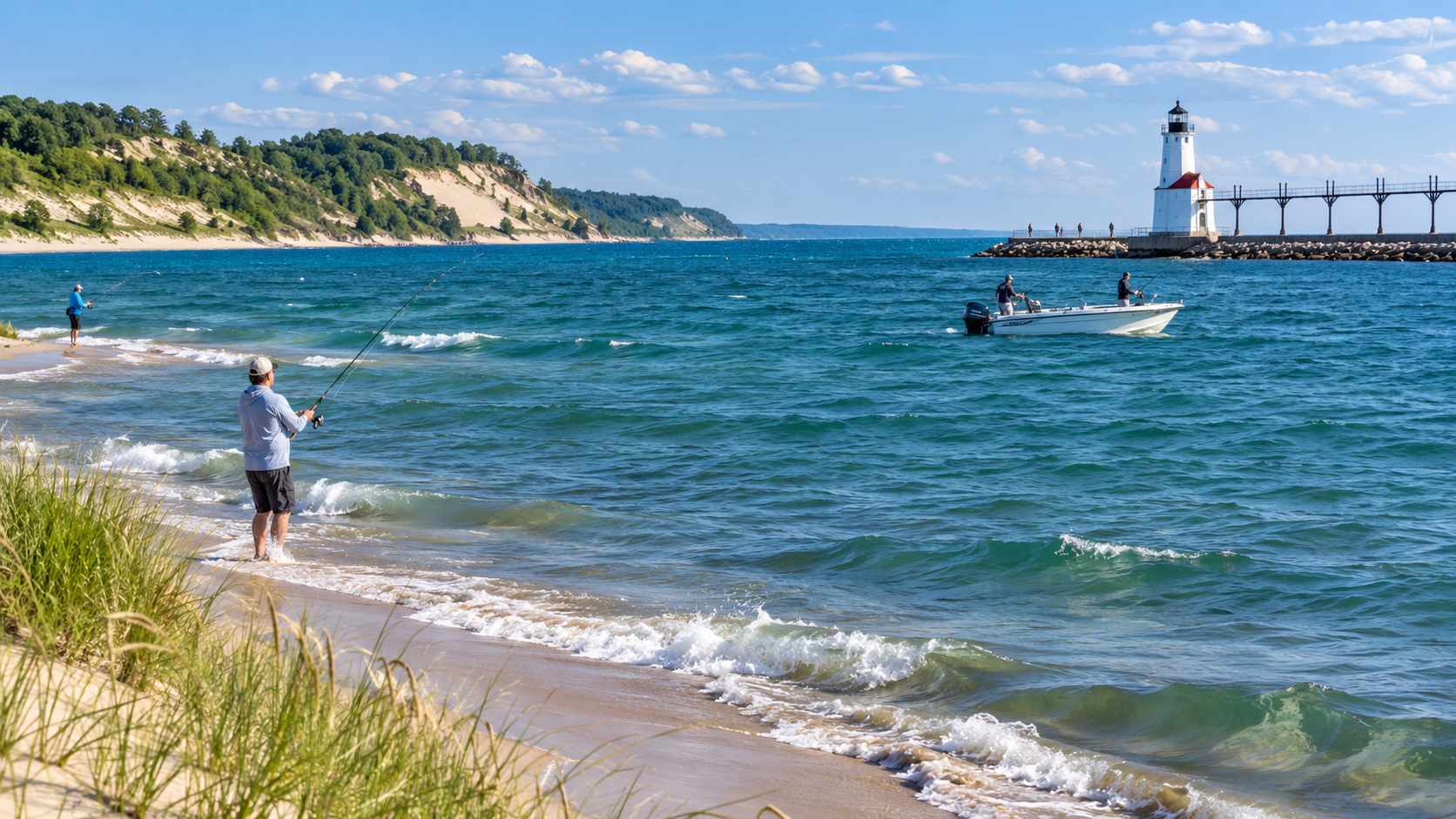
Lake Michigan is famous for salmon and trout. Chinook salmon, also known as king salmon, can grow large and give anglers a hard fight, while coho salmon are another popular target. Lake trout, brown trout, steelhead, perch, and smallmouth bass add even more choices.
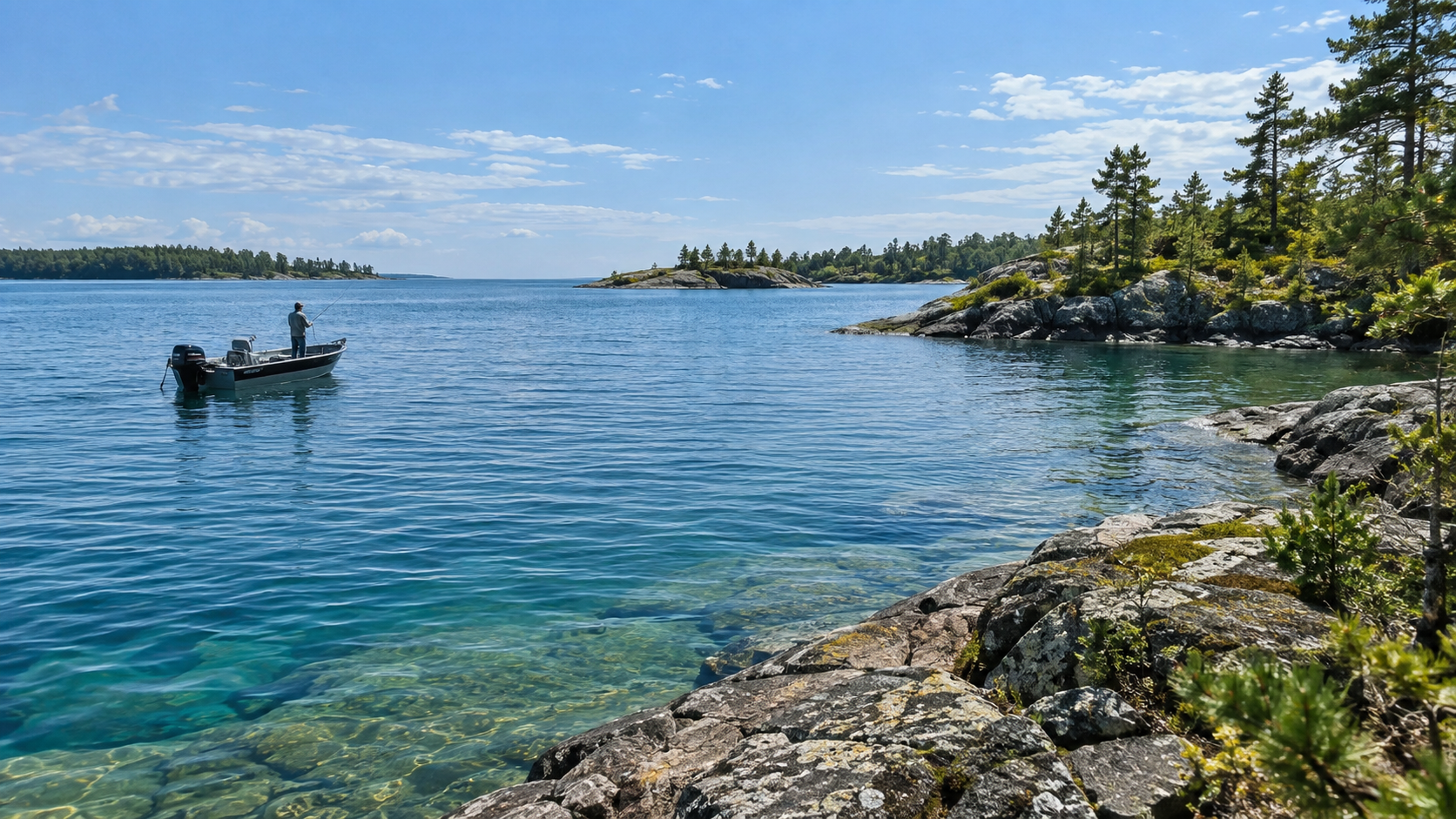
Lake Huron gives anglers a broad mix of fishing opportunities. Walleye, lake trout, salmon, smallmouth bass, perch, and other freshwater fish can be found in different areas. Its bays, islands, and rocky shoreline create many places to explore.
Lake Erie is strongly connected with walleye fishing, but smallmouth bass and yellow perch are also popular. Rocky areas can hold bass, while schools of perch may provide fast action once they are found. Summer is a busy season here because so many anglers come looking for walleye.
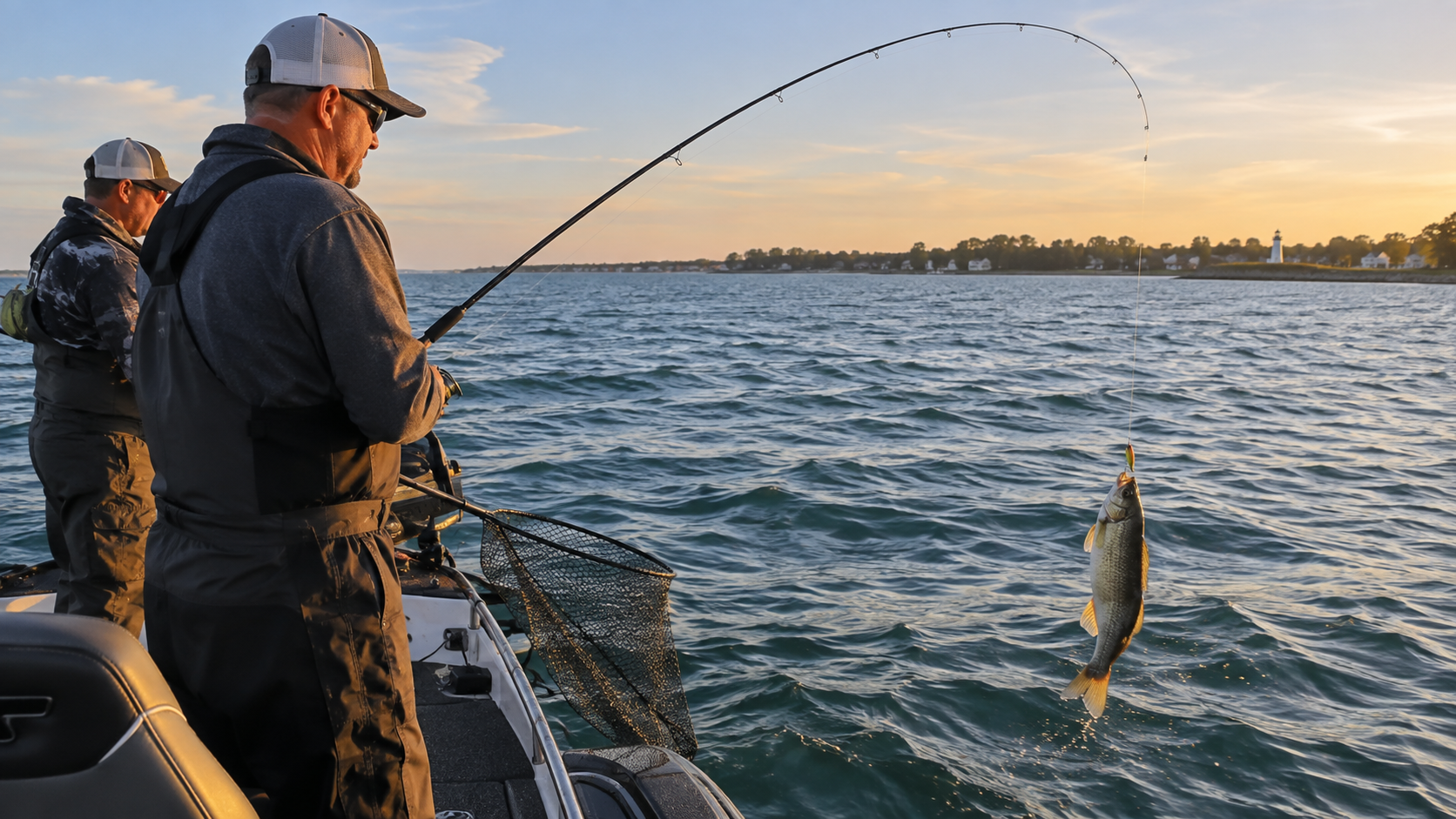
Lake Erie
Lake Ontario is well known for salmon and trout fishing. Chinook salmon can grow very large, while brown trout, lake trout, and steelhead give anglers other choices. Fishing conditions can change depending on water temperature, wind, and where baitfish are moving.
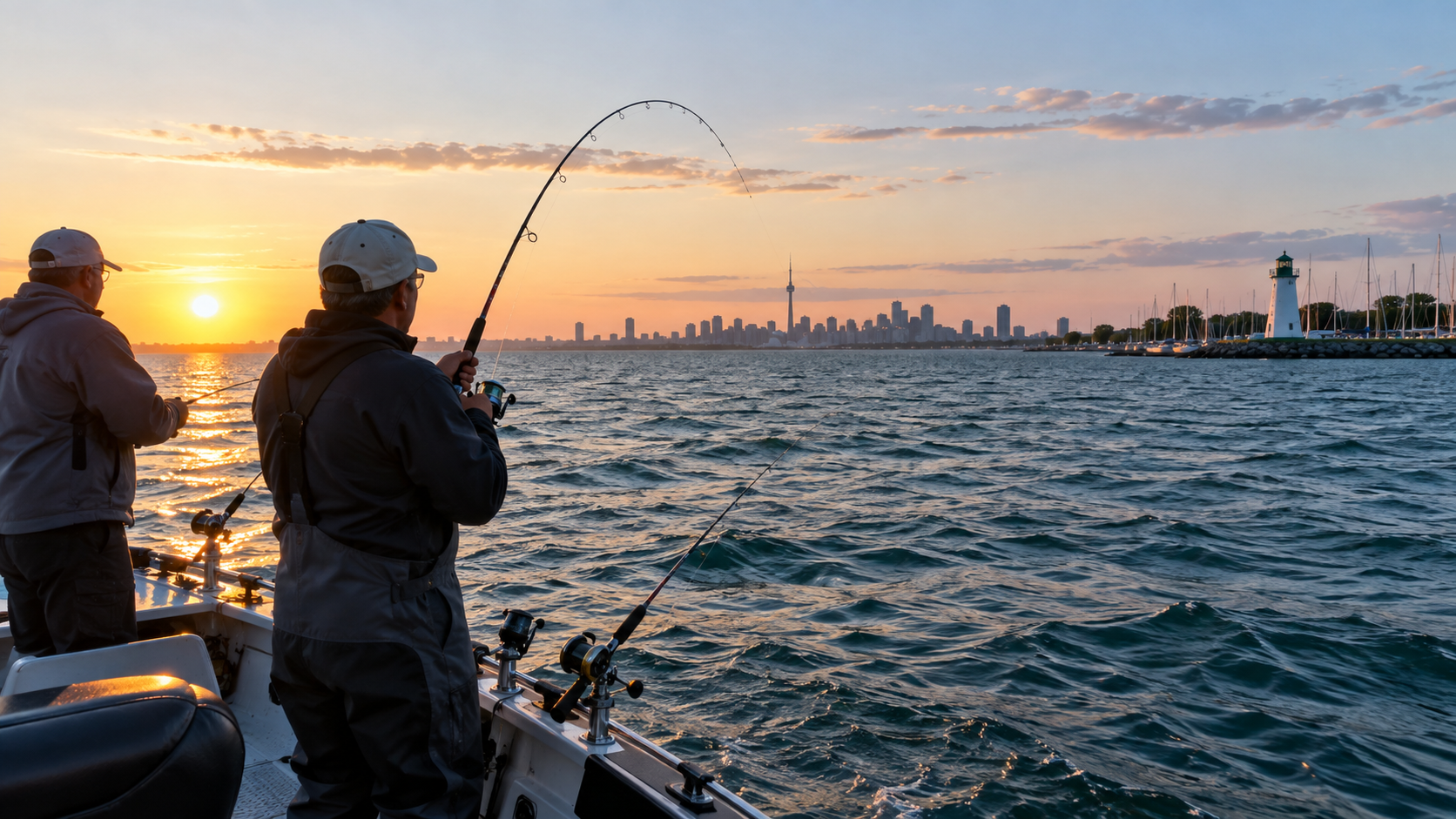
Summer is also a great time to make Great Lakes fishing part of a family vacation. Many shoreline towns have beaches, parks, campgrounds, restaurants, and other outdoor activities. That makes it easy to spend part of the day fishing and the rest exploring.
Fall Brings New Fishing Opportunities
Fall can be one of the most exciting fishing seasons on the Great Lakes. Water temperatures begin to drop, and many fish change where they feed and travel. Cooler days also make spending long hours outside more comfortable. Salmon fishing gets a lot of attention during fall. Chinook and coho salmon may move toward rivers and streams as part of their life cycle. This can give anglers opportunities from riverbanks, piers, harbors, and other areas closer to shore.
Steelhead may also become more active around tributaries. Walleye can move into shallower areas during cooler weather, while smallmouth bass may gather near rocky areas where they can find food. The exact timing changes from lake to lake and from year to year. Fall scenery is another reason to visit the Great Lakes. Red, orange, and yellow trees can cover the shoreline while the water remains deep blue. A fishing trip can become just as much about the outdoor experience as the fish themselves. Strong fall winds can create large waves very quickly. The Great Lakes behave more like inland seas than small lakes, so anglers should never assume calm water will stay calm all day. Watch the forecast and be ready to return to shore.
Winter Fishing on the Great Lakes
Fishing does not always stop when winter arrives. Some anglers continue fishing open water, while other areas may offer ice fishing when safe ice forms. Protected bays, harbors, and smaller connected waters often freeze before the main part of a Great Lake. Walleye and perch can be popular winter targets in some Great Lakes areas. Trout and steelhead may also remain active in rivers and open-water locations. Where you can fish depends greatly on local temperatures, wind, currents, and ice conditions.
Great Lakes ice requires special care. Moving water, strong wind, cracks, pressure ridges, and changing weather can make one area very different from another. Never assume an area is safe simply because other people are already fishing there. Winter fishing also offers a quieter side of the Great Lakes. Snow-covered shoreline, cold blue water, and fewer crowds can create an outdoor experience that feels completely different from summer.
No matter which season you choose, Great Lakes fishing offers something new. Spring can bring fish closer to shore, summer gives anglers long days and many species, fall creates major fish movements, and winter opens another style of fishing. Each of the five Great Lakes has its own personality. Learning what makes Lake Superior, Lake Michigan, Lake Huron, Lake Erie, and Lake Ontario different is part of the adventure. You could fish the Great Lakes for years and still find new places, new species, and new reasons to come back.

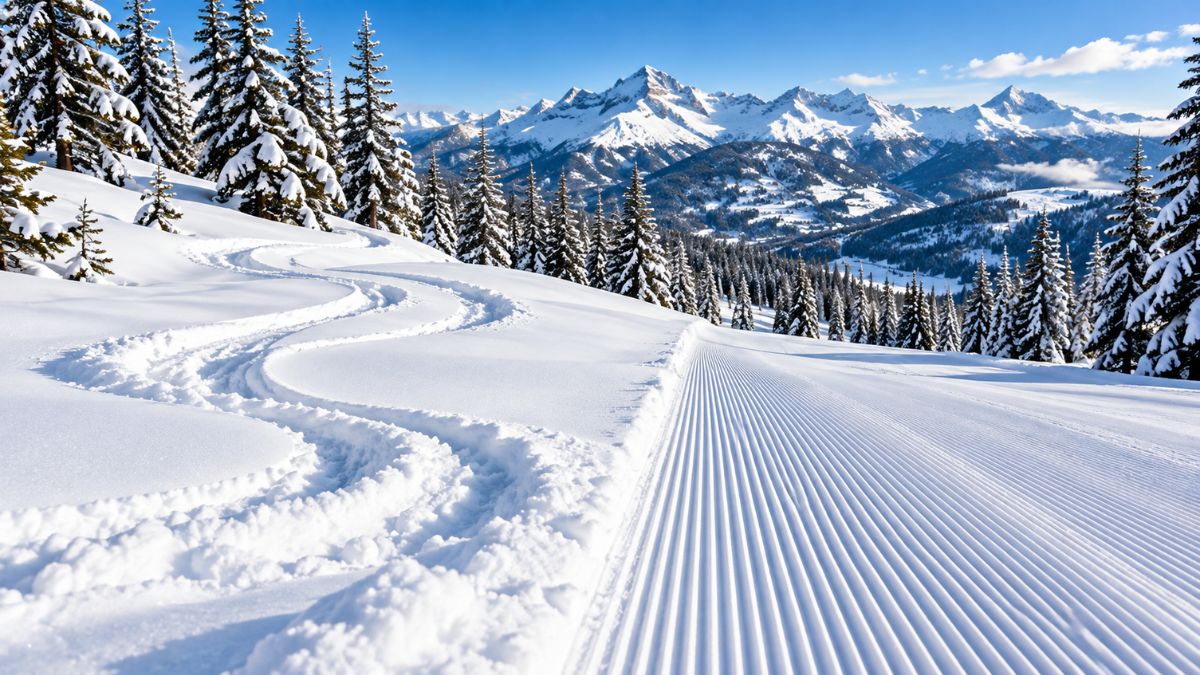
Powder vs Hard-Packed Snow
Snow can look the same from far away, but
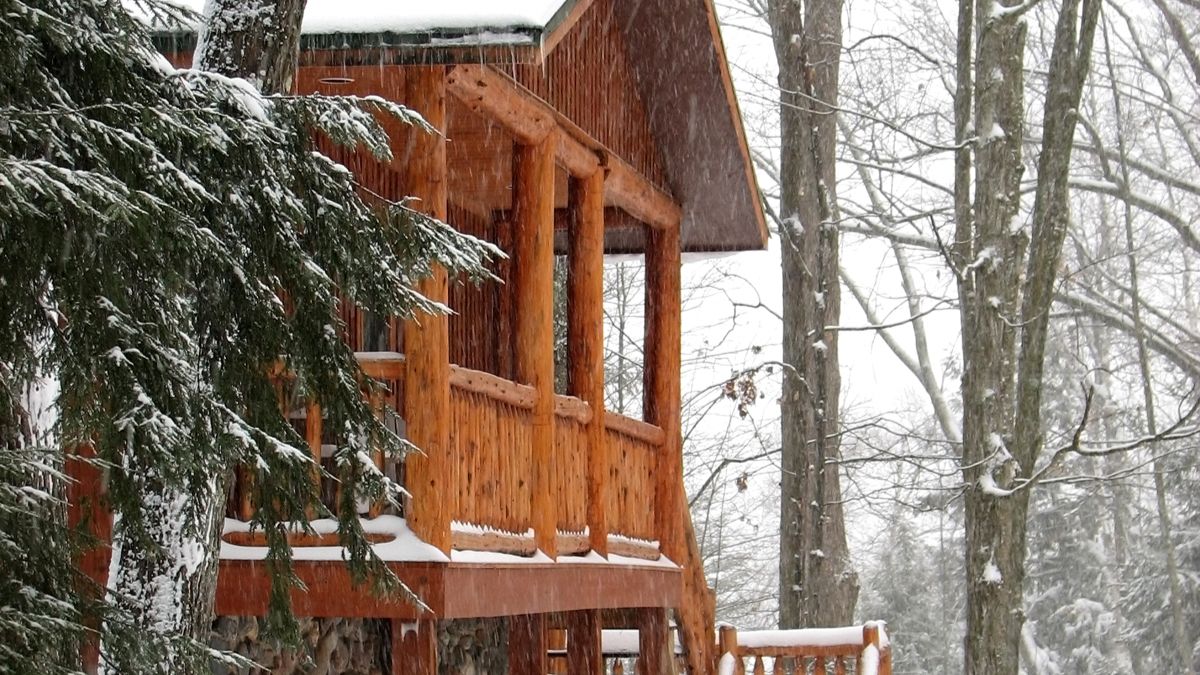
What to Expect on Your First Day at a Ski Resort
A first trip to a ski resort can feel exciting
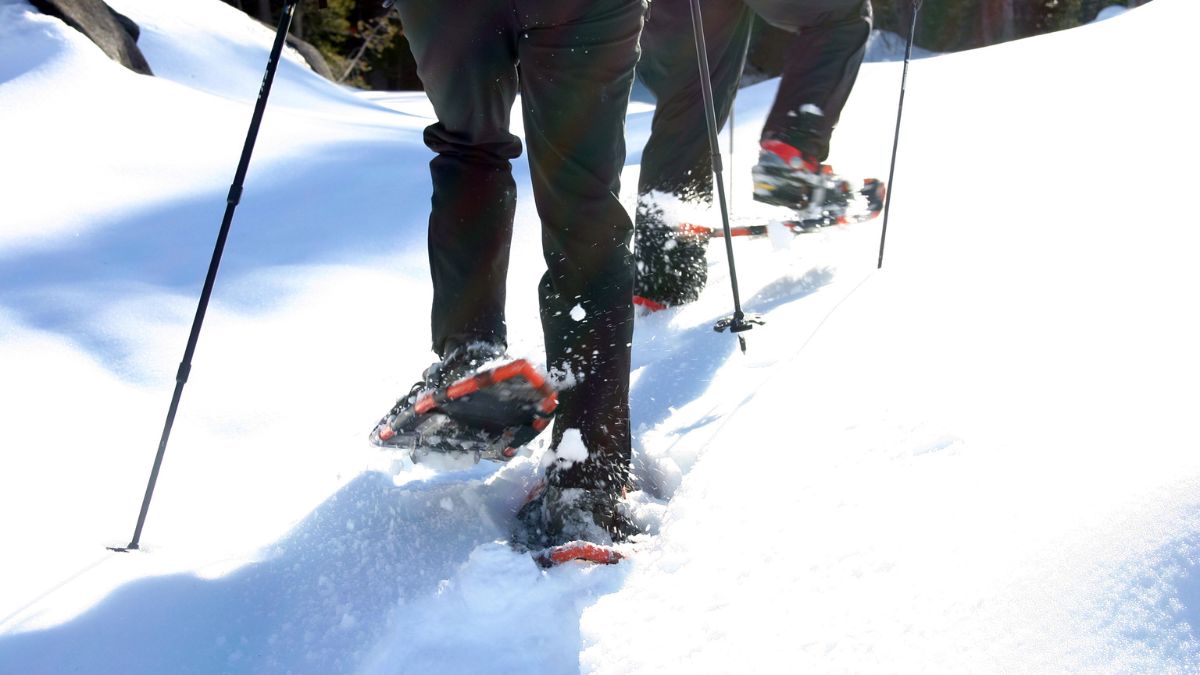
Snowshoeing for Beginners
Snowshoeing is one of the easiest winter sports to
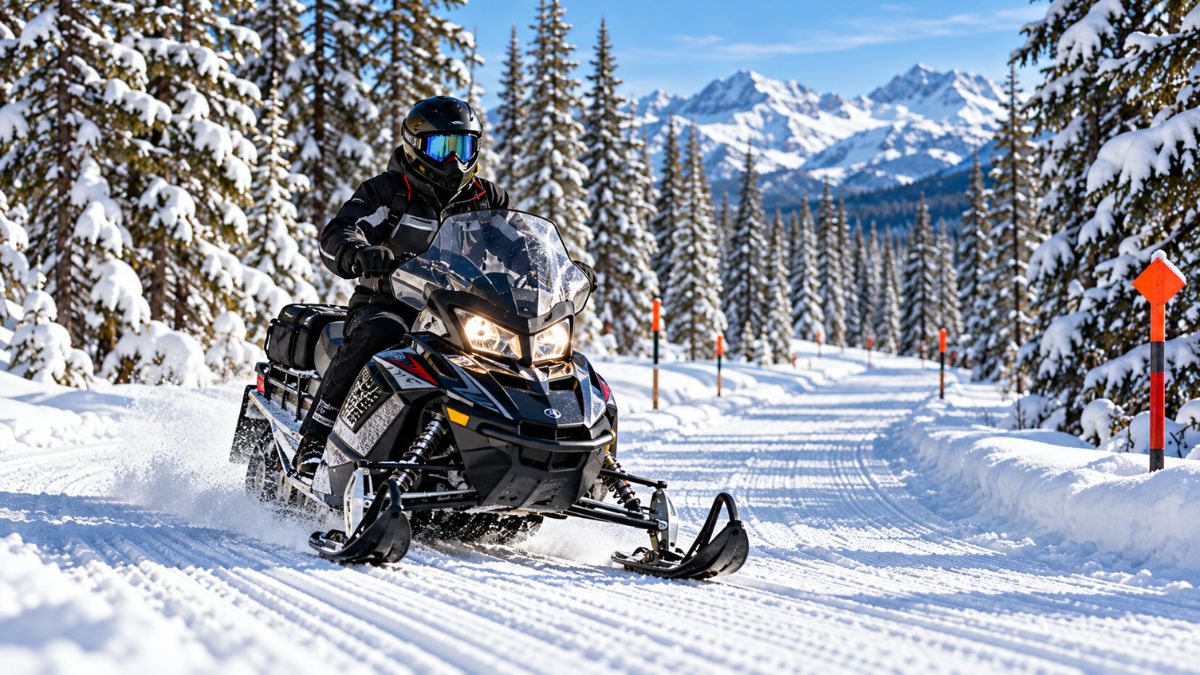
Snowmobile Safety Tips for Winter Riding
Snowmobiling can be one of the most exciting ways to
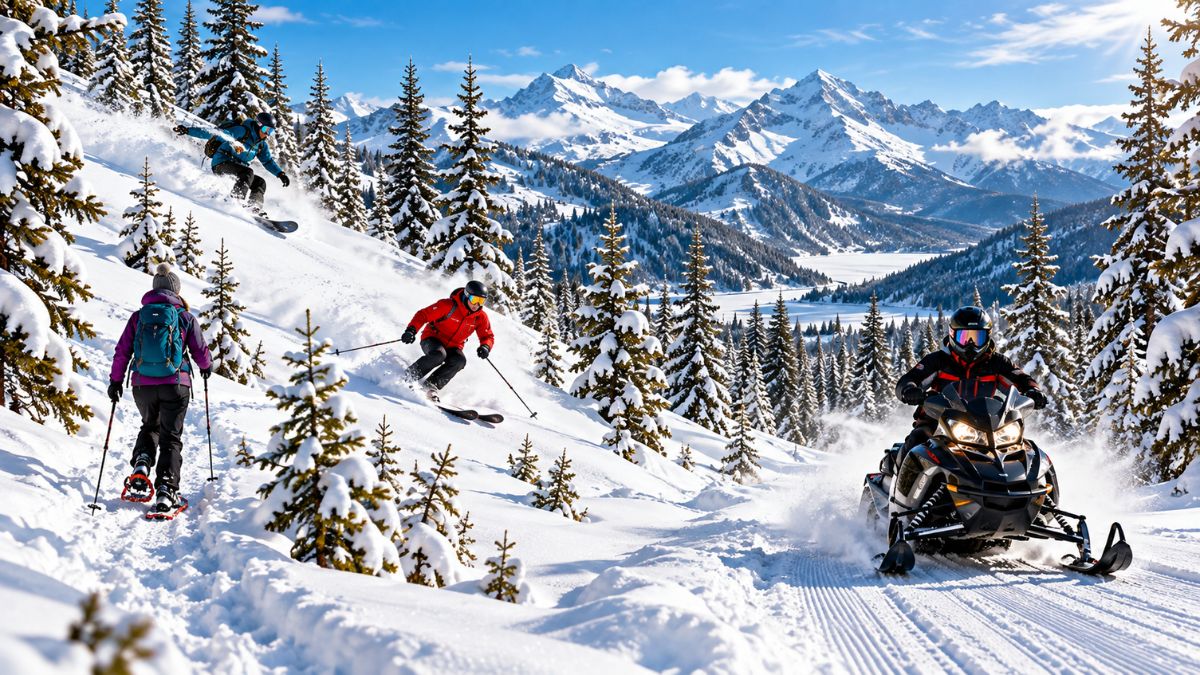
Popular Winter Sports for Outdoor Adventure
Winter opens the door to outdoor activities that are
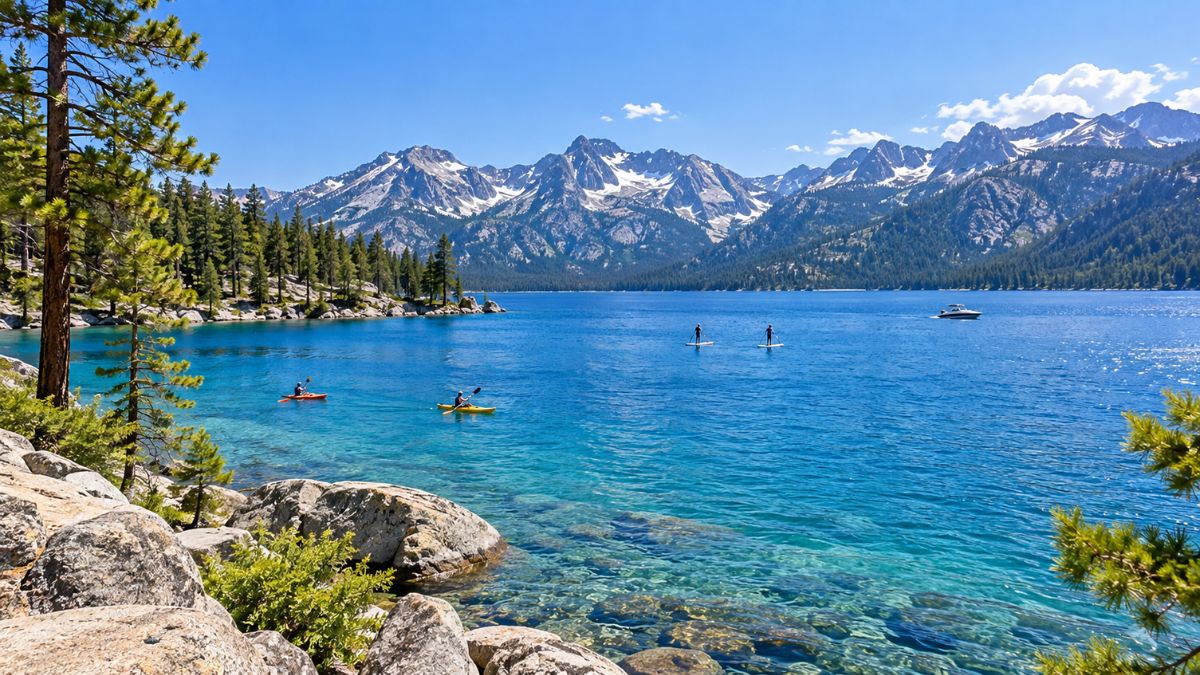
Best Places for Water Sports in the United States
A great water sports trip can look very different