How to Stay Safe Around Wildlife
Bears and Mountain Lions
Give bears a lot of space and never walk toward one for a picture. If a bear notices you, stay calm and follow the local guidance for the type of bear and park you are visiting. Bear advice can change by species and location, so check with the land manager before entering bear country.
If you see a mountain lion, do not run. Face the animal, stand upright, make yourself look larger, and slowly create more distance while giving the lion a way to leave. Pick up small children, and if a mountain lion attacks, fight back instead of pretending to be dead.
Snakes and Snake Bites
Watch where you place your hands and feet when walking through rocks, brush, logs, or tall grass. If you see a snake, give it space and let it move away. Never try to catch, touch, move, or kill a snake just to identify it.
A venomous snake bite is a medical emergency. Get away from the snake, stay calm, call for medical help, and remove rings or other tight items before swelling begins. Do not cut the bite, suck out venom, apply ice, or use a tourniquet.
Wolves and General Wildlife Safety
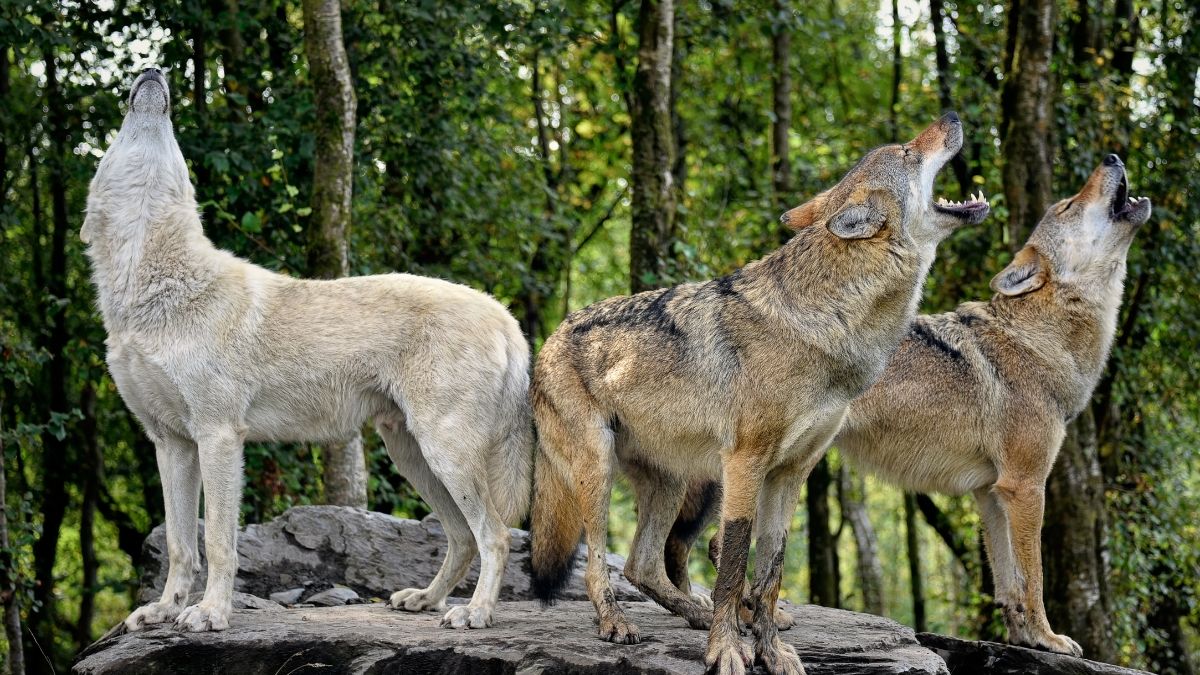
Wolves usually avoid people, but they should always be treated as wild animals. Never approach or feed a wolf, and if one comes toward you, do not run. Stand tall, make noise, wave your arms, and slowly create distance while facing the animal. Keep food and trash stored safely, keep pets under control, and never move closer to wildlife just to get a better photo.
Give all wildlife plenty of space, especially adults with young nearby. If you find a baby animal alone, leave it where it is unless a wildlife professional tells you otherwise. Check signs, park websites, visitor centers, or ranger advice because wildlife rules and recommendations can vary by location. Wildlife safety comes down to respect: stay calm, keep your distance, avoid attracting animals with food, and allow them to continue their normal behavior.


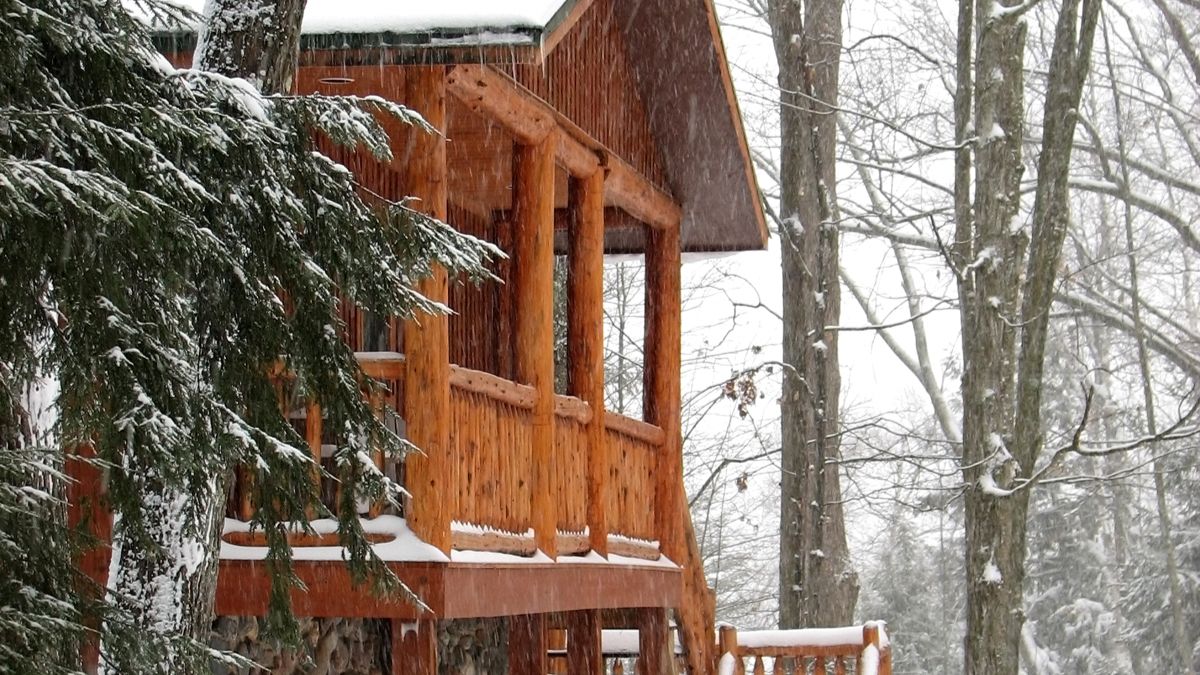
What to Expect on Your First Day at a Ski Resort
A first trip to a ski resort can feel exciting
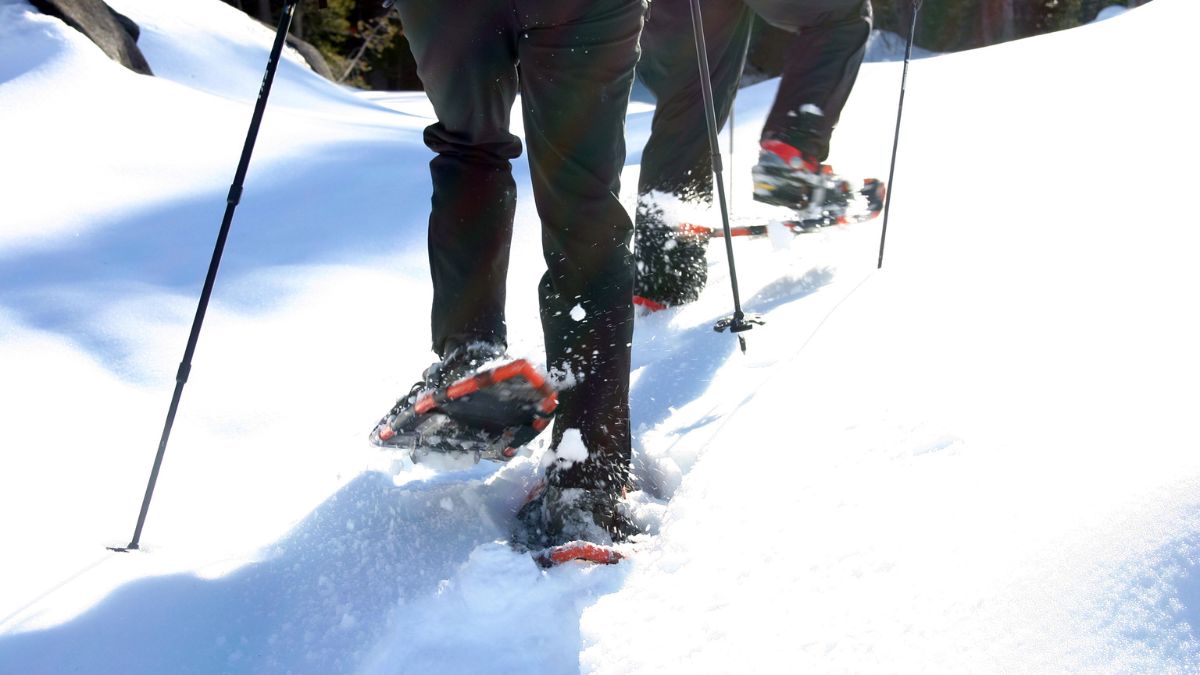
Snowshoeing for Beginners
Snowshoeing is one of the easiest winter sports to
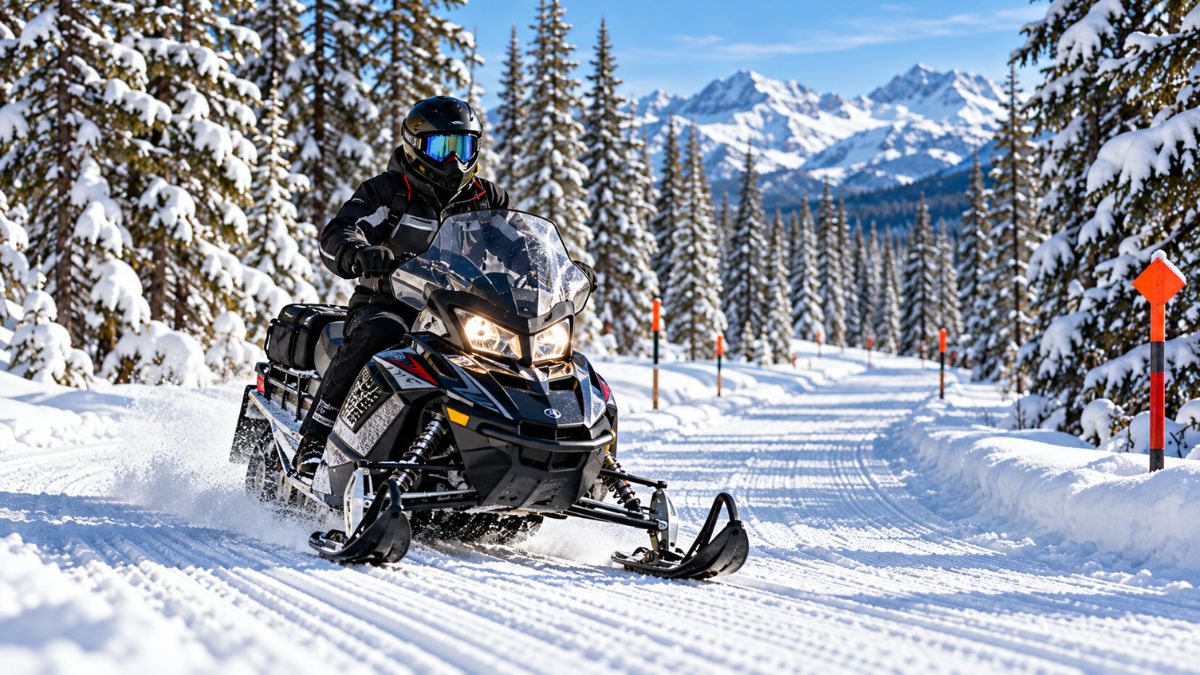
Snowmobile Safety Tips for Winter Riding
Snowmobiling can be one of the most exciting ways to
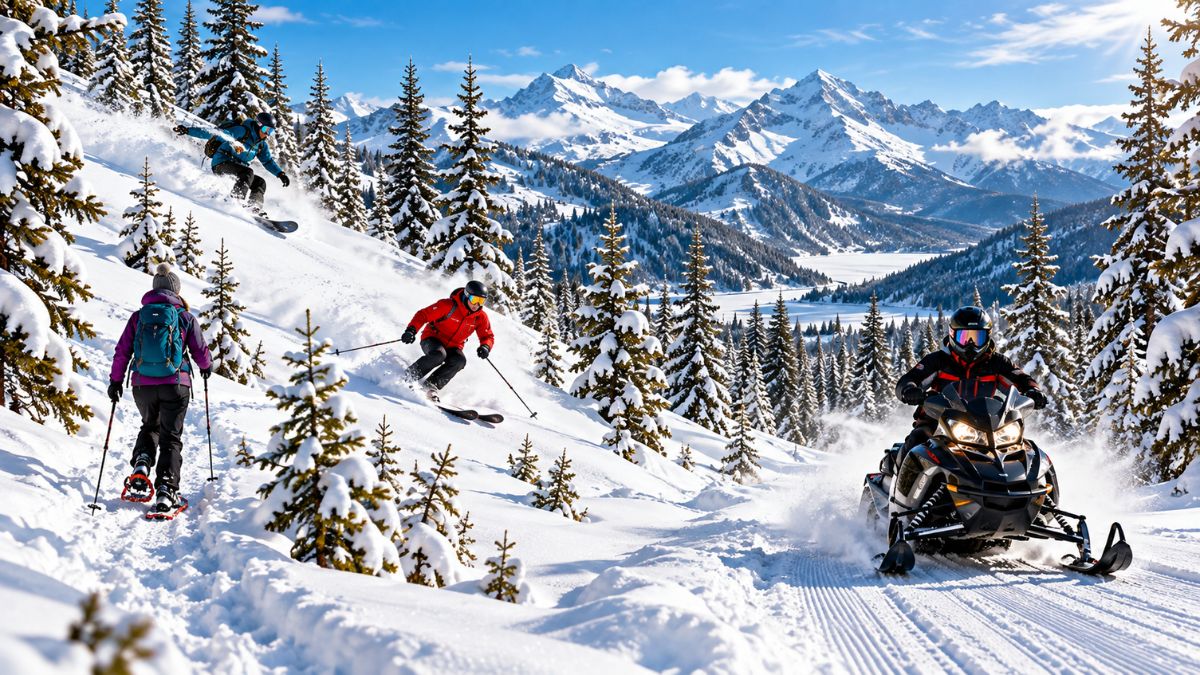
Popular Winter Sports for Outdoor Adventure
Winter opens the door to outdoor activities that are

Best Places for Water Sports in the United States
A great water sports trip can look very different

Scuba Diving Snorkeling and Freediving for Beginners
The world below the water can feel like a