How to Stay Warm While Camping in Cold Weather
Dress and Sleep in Warm Layers
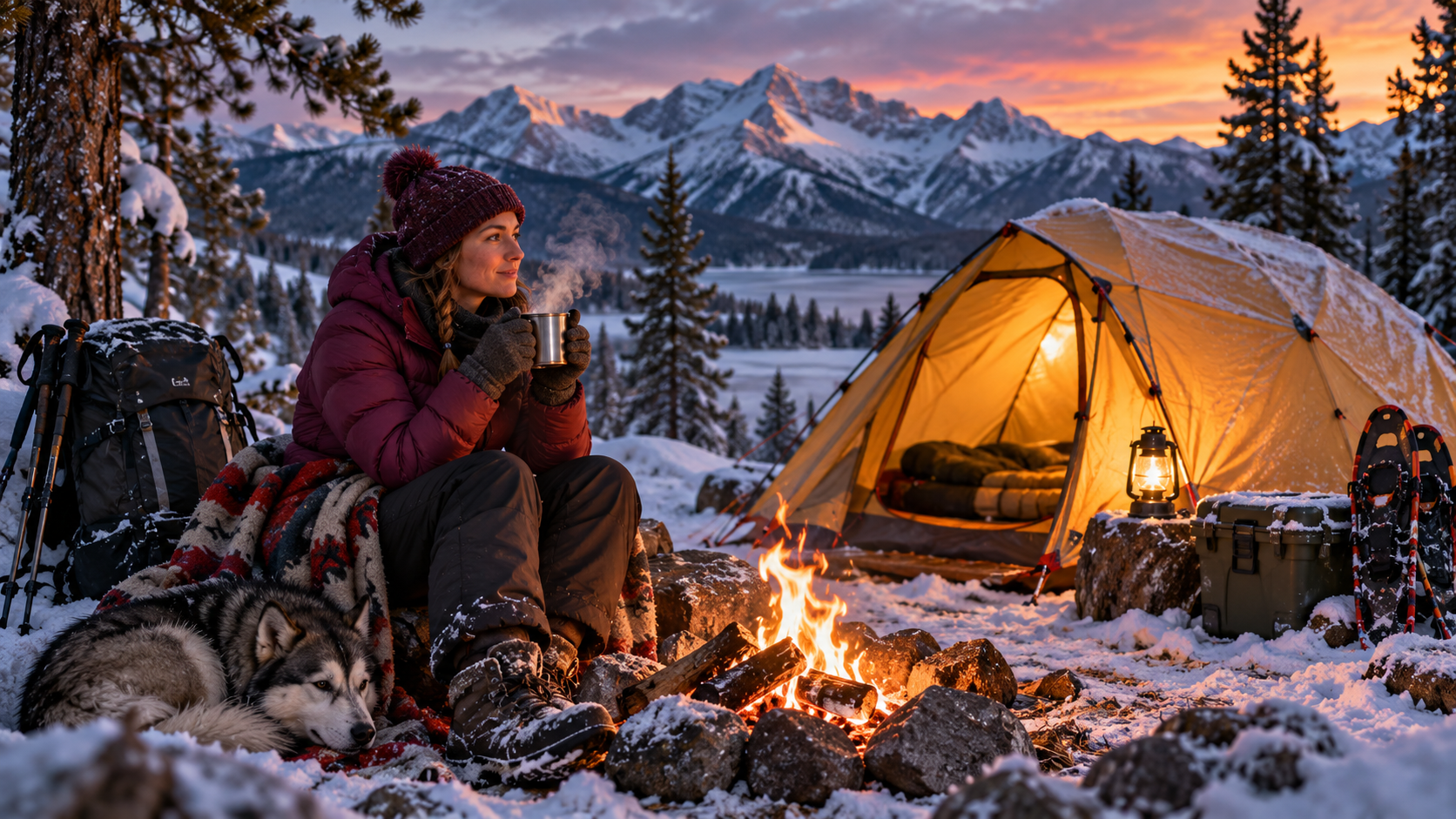
Several light layers usually work better than depending on one heavy coat. A base layer helps keep sweat away from your skin, a warm middle layer holds body heat, and an outer layer can block wind or wet weather. Warm socks, gloves, and a hat are also important because hands, feet, and ears can become cold quickly.
Your sleeping setup matters just as much as your clothing. Use a sleeping bag made for temperatures colder than the night you expect and place a sleeping pad under your body because the cold ground can pull heat away from you. Change out of wet or sweaty clothes before going to bed so you are not trying to sleep in damp fabric.
Set Up Camp With the Cold in Mind
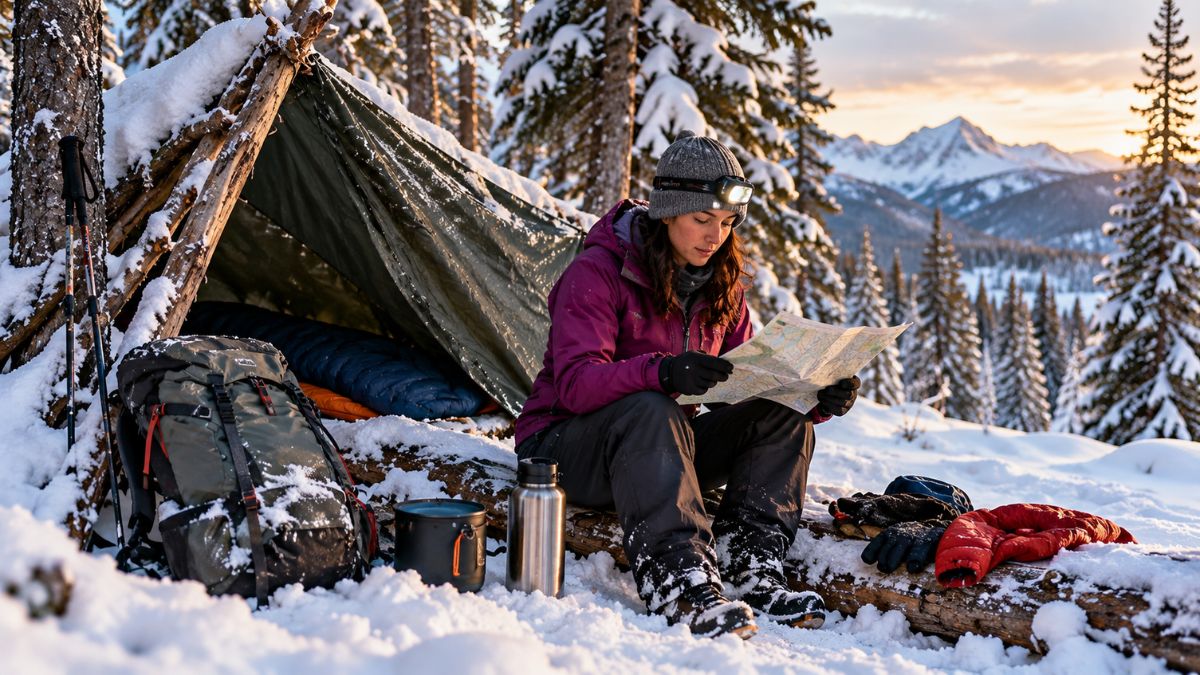
Choose a campsite that gives you some protection from wind without placing your tent under dead trees or loose branches. Cold air can settle in low areas, so the bottom of a valley may sometimes feel colder than a slightly higher spot. Keep your tent dry and close the door when you are not using it so wind and blowing snow do not move through your sleeping area.
Never use a normal camp stove, grill, or open flame to heat a closed tent. Fire and carbon monoxide can make a small shelter dangerous very quickly. Use equipment only the way it was designed and depend on good clothing, a warm sleeping bag, and a proper sleeping pad for warmth.
Use Food, Movement, and Good Judgment
Your body needs food and water to stay warm. Eat regular meals, drink water even when you do not feel very thirsty, and consider a warm drink before bed if it helps you feel comfortable. Light movement can warm you up, but avoid working so hard that your clothing becomes wet with sweat.
Pay attention to everyone in your group. Strong shivering, trouble using the hands, confusion, unusual tiredness, or trouble speaking can be signs that someone is becoming dangerously cold. Do not keep camping simply because you hoped to finish the trip if someone needs warmth or medical help.
Your first cold-weather camping trip should be simple. Choose a place where you can leave easily if your clothing, sleeping gear, or weather plan does not work as expected. One short trip can teach you a lot about what keeps you comfortable before you try camping somewhere more remote.
Cold-weather camping is not about proving how much cold you can handle. The goal is to enjoy the quiet, snow, fresh air, and outdoor experience while staying safe. Good layers, dry clothing, warm sleeping gear, enough food, and smart decisions can turn a cold night into one of your favorite camping memories.

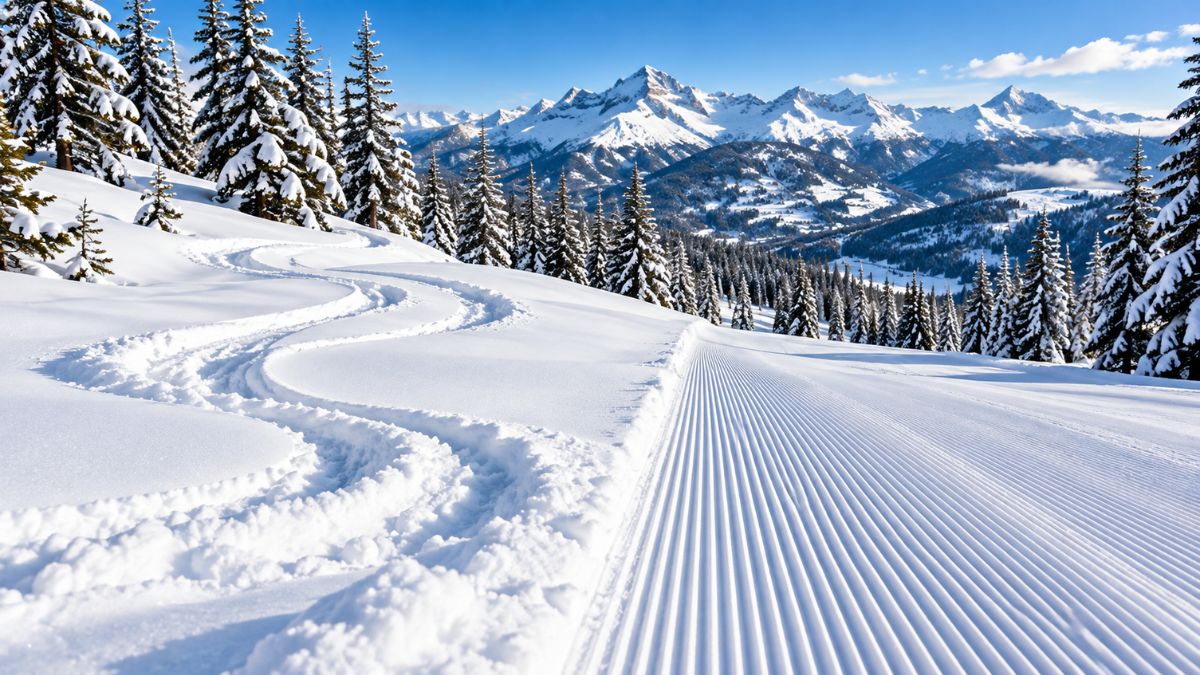
Powder vs Hard-Packed Snow
Snow can look the same from far away, but
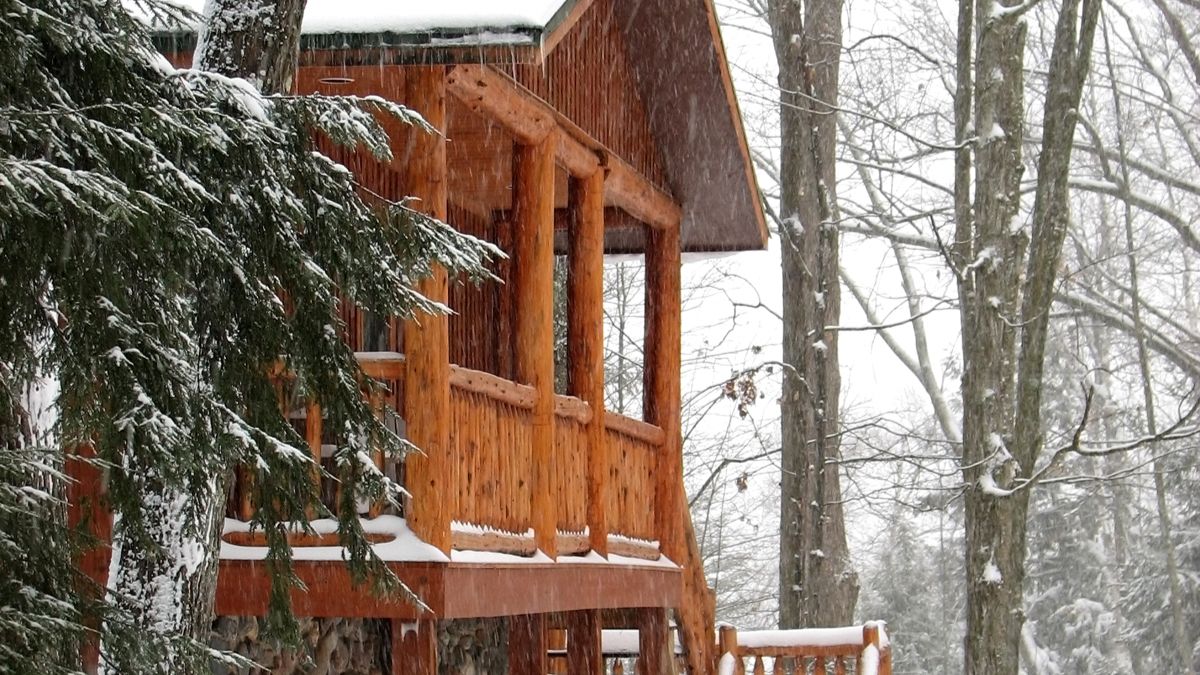
What to Expect on Your First Day at a Ski Resort
A first trip to a ski resort can feel exciting
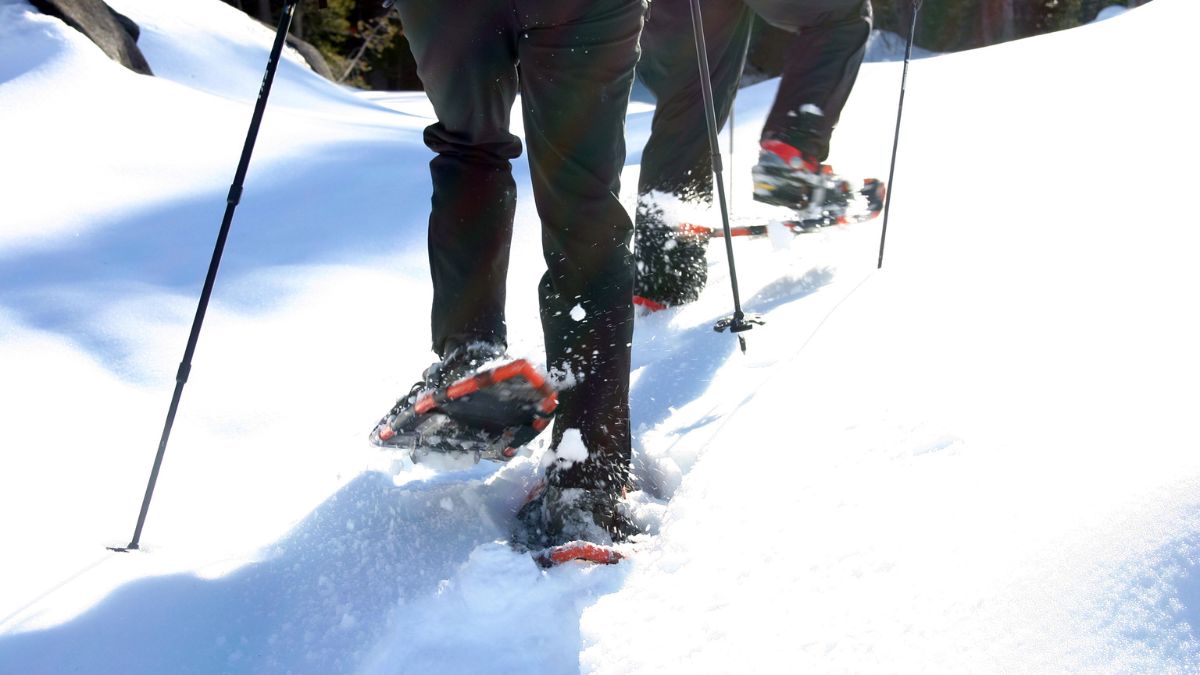
Snowshoeing for Beginners
Snowshoeing is one of the easiest winter sports to
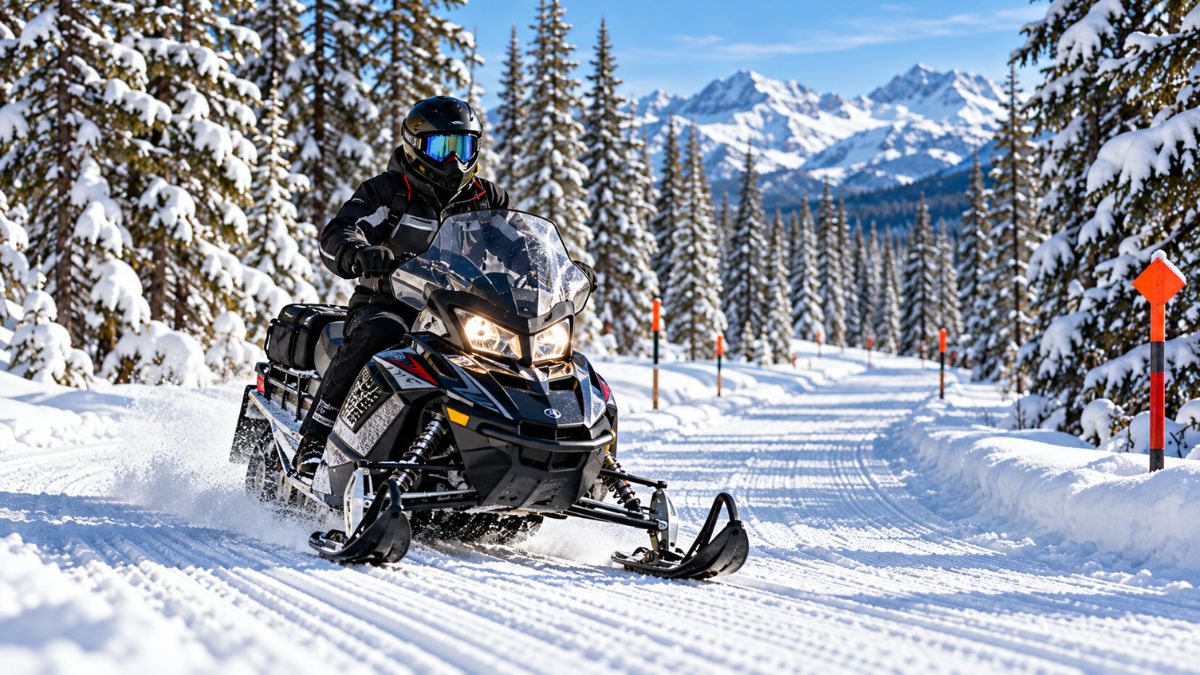
Snowmobile Safety Tips for Winter Riding
Snowmobiling can be one of the most exciting ways to
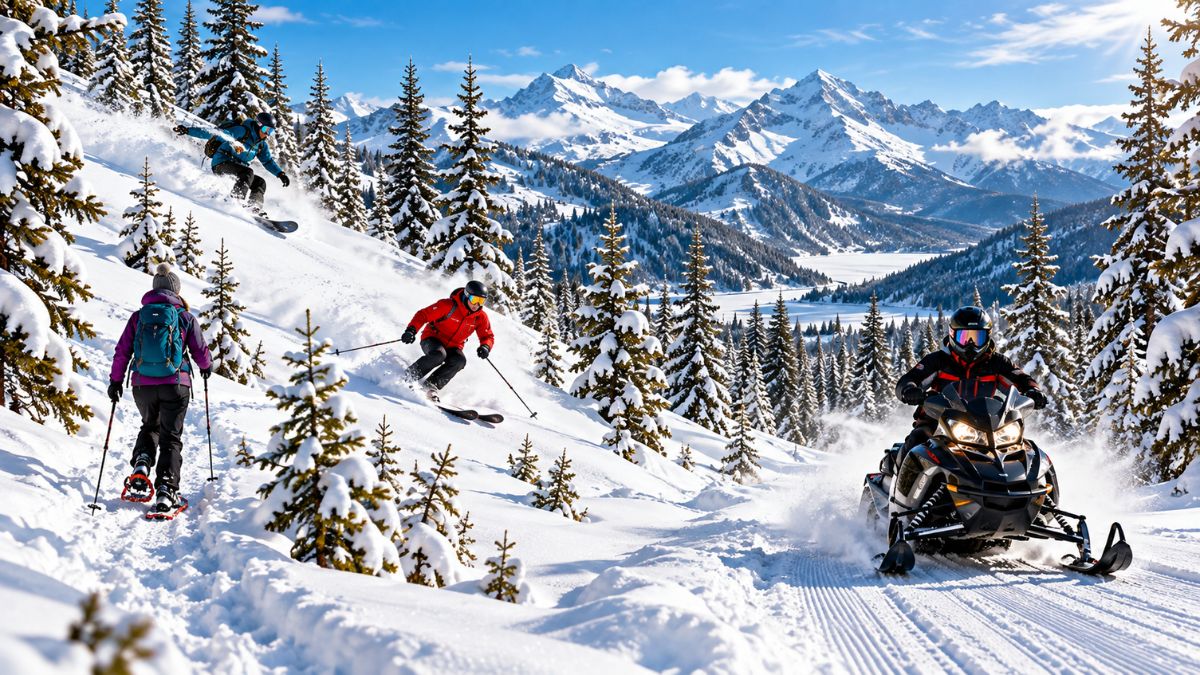
Popular Winter Sports for Outdoor Adventure
Winter opens the door to outdoor activities that are
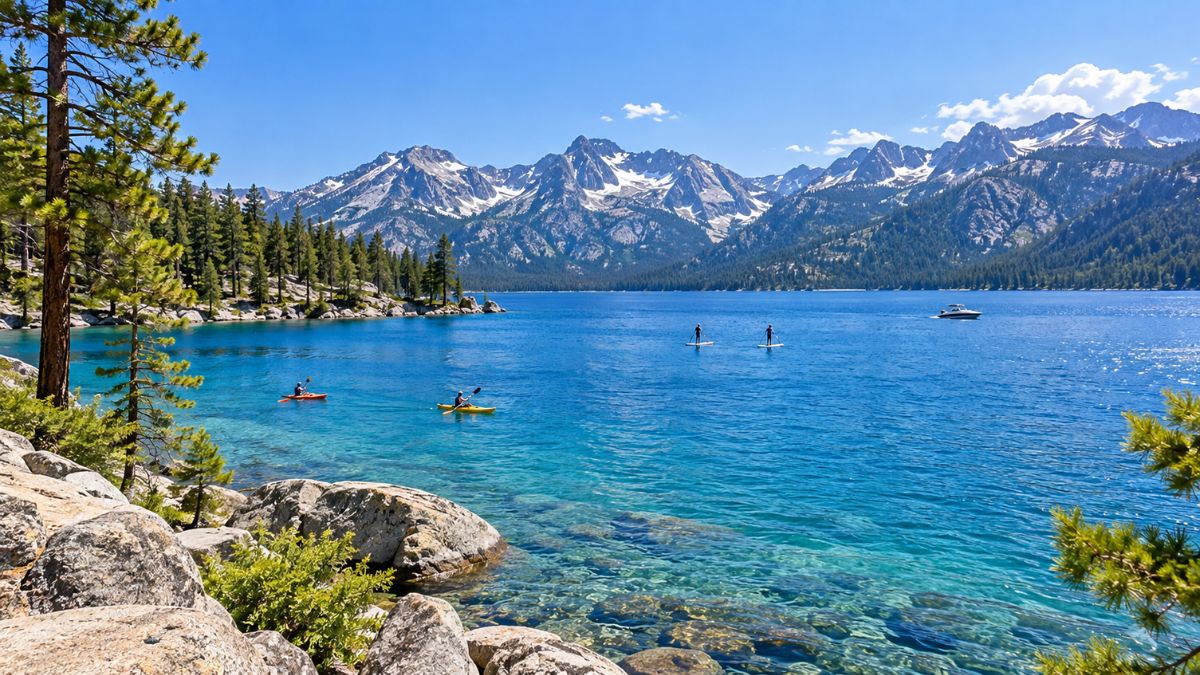
Best Places for Water Sports in the United States
A great water sports trip can look very different