Hunt Smarter This Fall: Proven Stand and Blind Strategies for Deer

Getting ready for fall deer hunting season means more than just checking your gear. It requires careful planning, smart scouting, and setting up in the right place at the right time. Whether you choose a tree stand or a ground blind, your success depends on how well you understand deer behavior, wind patterns, and the layout of the land. This guide combines expert advice from trusted hunting sources to help you make the best decisions for your next hunt.
Choosing Between Ground Blind and Tree Stand
For many hunters, especially beginners, the big question is: ground blind or tree stand? Both options can be effective when used correctly, and each has its strengths and weaknesses.
Ground blinds are often easier to set up and more comfortable to hunt from for long hours. They offer protection from the elements and allow for more movement without being seen—especially if you’re hunting with a bow. However, ground blinds must be brushed in thoroughly or set up well in advance to avoid alerting deer. Deer notice changes in their environment quickly, and a freshly placed blind can spook them.
On the other hand, tree stands provide an elevated vantage point, which helps with both visibility and scent control. Being up high can keep your scent above a deer’s nose, especially in favorable wind conditions. Tree stands are ideal for wooded areas where deer are moving through thick cover, and they often provide better shot opportunities. The tradeoff is that they require more setup, can be physically demanding, and may offer less comfort over long hunts.
Smart Placement & Wind Control
Regardless of whether you’re in a blind or a stand, your setup is only as good as your wind control. Deer rely heavily on their sense of smell, and if they get a whiff of you, the hunt is over before it starts.
The key to managing scent is placing your setup downwind or crosswind of the main travel routes, bedding areas, or feeding spots. Use wind-checkers or natural indicators like milkweed to determine wind direction throughout the day. Keep in mind that terrain and thermals also affect wind patterns—air tends to rise in the morning and fall in the evening, which can pull your scent along slopes.
Think about how deer will approach your location and make sure your scent won’t blow into their path. If possible, place your stand or blind near natural cover like brush, trees, or field edges to help break up your outline and minimize detection.
Ground Blind Setup Without Spooking Deer
If you decide to go with a ground blind, your setup strategy becomes especially important. A blind that sticks out like a sore thumb is more likely to alarm deer than attract them.
First, find a location that’s already used by deer—such as a trail, funnel, or edge of a feeding area. Set your blind at least 25–30 yards away from where you expect deer to pass. This gives you enough space to draw your bow or shoulder your rifle without spooking them.
Next, brush in your blind. Use natural vegetation to camouflage it as much as possible. Try to place it in the shadows or within cover that’s already present. If the blind is going to be permanent, set it up weeks before the season starts to allow deer to get used to it. For pop-up blinds, thorough brushing is critical.
Also, avoid hunting directly after setting up a blind. Let the area settle, and take time to practice shooting from inside the blind so you’re comfortable and accurate when the moment comes.
Tree Stand Tips: Height, Cover & Shooting Lanes
Tree stands can be incredibly effective, but only if they’re placed with precision. One of the biggest mistakes hunters make is not getting high enough. A stand placed 15 to 20 feet up offers good visibility and scent control without being too steep for a shot. Just make sure your shooting lanes are clear.
Choose a tree with natural cover—branches, leaves, or forks that help break up your silhouette. Avoid skyline stands that leave you exposed. Trim only what’s necessary to create clear shooting lanes. Be sure to remove debris quietly and keep the area as undisturbed as possible.
Climbing stands or hang-on stands are great for mobile setups, while ladder stands offer comfort and stability for long sits. Whichever you choose, make sure it’s safe and secure before you hunt.
Approaching and Maintaining Your Ambush Site
Your approach to the stand or blind is just as important as the setup itself. If deer hear or smell you coming, they’ll change their behavior or avoid the area altogether.
Clear a quiet path to your location in advance. Use a rake or remove leaves and sticks to minimize noise. Plan your access route based on wind direction and time of day. In the early morning or evening, thermals can carry your scent downhill—so adjust accordingly.
Some hunters use a buddy system, where one person drops off the hunter and drives away, making deer think any human presence has left. This technique can reduce pressure and help keep deer on their normal patterns.
Limit how often you hunt the same stand or blind to avoid overpressuring the area. If deer sense danger consistently, they’ll shift their movement patterns and become more nocturnal.
Safety & Gear Checks
Before the season starts, inspect all your gear. For tree stand hunters, this means checking straps, bolts, and climbing sticks. Always use a safety harness and a lifeline when climbing. Accidents from tree stand falls are common but preventable.
Practice shooting from your actual setup. Whether it’s from a blind chair or tree stand platform, repetition helps you build muscle memory and confidence. Try to replicate real hunting conditions—including clothing, distance, and angle.
Double-check your pack for essentials: rangefinder, extra layers, headlamp, snacks, and safety gear. A little preparation goes a long way once you’re in the woods.
Fall deer hunting is a game of preparation and patience. Whether you’re hunting from the ground or from above, success comes from careful planning, understanding deer behavior, and blending seamlessly into the environment. By setting up smart, playing the wind, and staying safe, you’ll give yourself the best chance at a clean shot and a full freezer.



Find Big Fish This Season — Walleye Ice Fishing: Where to Look and Why
Know where walleyes live in winter Unlike summer feeding patterns,

Walleye Ice Fishing 101: Structure, Depth, and Presentations That Produce All Season
Start with structure: where the walleyes concentrate Winter walleyes are

Walleye Ice Fishing for Giants: Proven Winter Tactics That Put Big Fish on the Ice
Winter walleye fishing is different from open-water tactics — but

Best Amazon Cyber Monday Outdoor Deals
Cyber Monday is here, and it’s the perfect time for

Ice Fishing Fish Finder Guide
A clear, practical look at fish-finder styles, transducers, mounting and

How to Choose the Perfect Ice Fishing Rod
Ice fishing is all about balance—between sensitivity, strength, and comfort.
SHARE THIS STORY ANYWHERE YOU LIKE
SHARE THIS STORY ANYWHERE
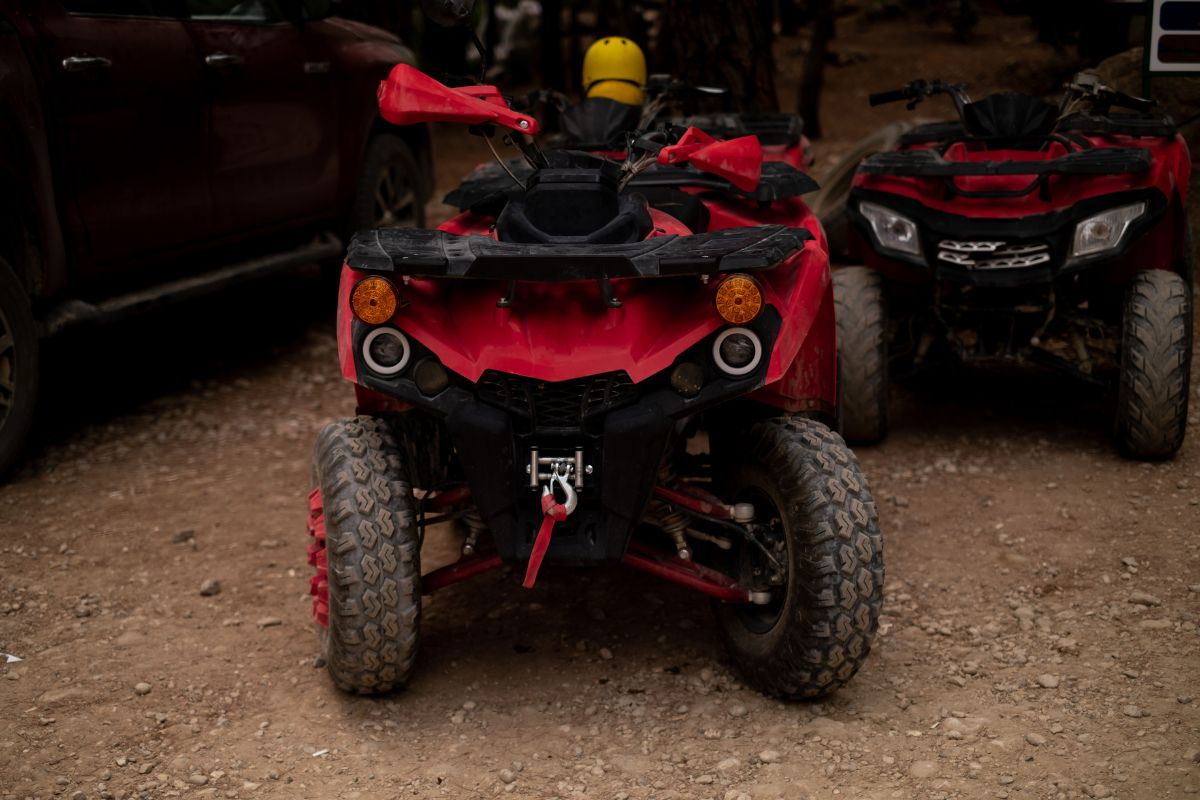
Preparing for the 2026 Power Sports Season: Top Helmets, Gloves & Accessories to Gear Up Safely and Stylishly
As the 2026 power sports season approaches, riders across the country are buzzing with excitement about hitting the trails, dunes, and tracks on their dirt bikes, ATVs, UTVs, and snowmobiles. Whether you’re a weekend warrior