
Life Jackets & Life Vests Guide
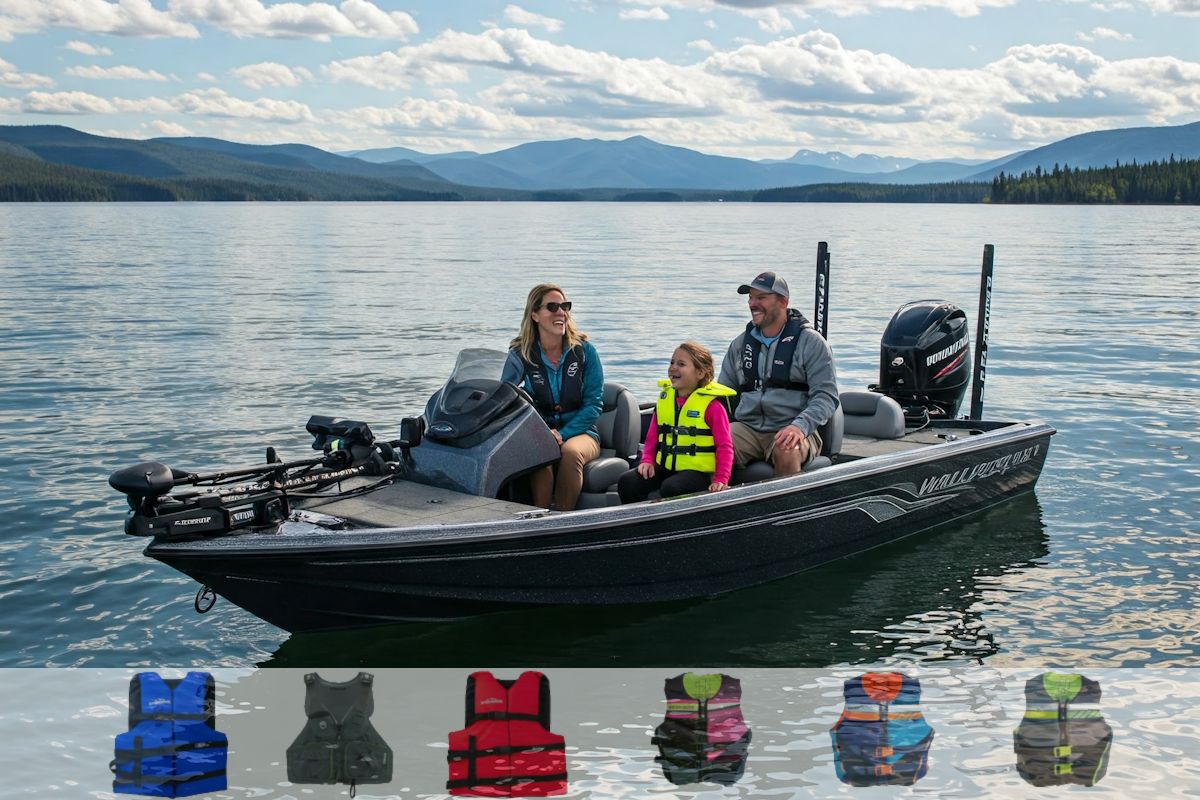
Life Jackets & Life Vests: A Comprehensive Guide
Ahoy, fellow adventurers! Whether you’re a seasoned sailor or a weekend kayaker, safety on the water is paramount. As your experienced captain, I’m here to demystify the world of life jackets and life vests, ensuring you’re equipped with the knowledge to make informed decisions.
Understanding the Differences: Life Jackets vs. Life Vests
Many people use “life jacket” and “life vest” interchangeably, but there’s a crucial distinction. Life jackets are your top-tier safety gear, designed for maximum buoyancy and often include features to turn an unconscious person face-up. These are essential for rough seas or delayed rescue situations. Life vests, on the other hand, are lighter and more comfortable, prioritizing mobility for recreational activities in calm waters with quick rescue expectations. Both fall under the general term “Personal Flotation Devices” (PFDs). Always check the label to ensure you’re using the appropriate type for your activity.
Do Life Jackets Expire?
While life jackets don’t have a hard “expiration date,” their effectiveness diminishes over time. The foam inside can break down due to sunlight, saltwater, or compression, reducing buoyancy. Fabric, straps, and buckles can also weaken, compromising safety. The U.S. Coast Guard recommends annual inspections, or more frequently with heavy use. When checking your life jacket ensure the buoyancy is good, the fabric and straps are in good repair, the foam is not hard or waterlogged, and the labels are still legible.
Type III Life Jackets: Designed for Comfort and Mobility
Type III life jackets, often called “life vests,” are designed for conscious wearers in calm waters with a high chance of quick rescue. They prioritize comfort and mobility, ideal for kayaking, waterskiing, and recreational boating. These vests are lighter and less bulky, resembling everyday vests. However, they won’t reliably turn an unconscious person face-up and offer less buoyancy than Type I or II. Type III vests are for “situational awareness,” suitable for confident swimmers in controlled environments.
What to Do with a Torn Life Jacket
A torn life jacket is compromised and should be replaced. Do not attempt DIY repairs. Remove it from service immediately. Inspect the damage thoroughly. Contact the manufacturer or a certified repair facility. If unrepairable, replace it. Properly dispose of the damaged life jacket. Learn from the experience to prevent future damage.
Understanding Life Jacket and Life Vest Ratings
The U.S. Coast Guard classifies PFDs into different types based on buoyancy, performance, and intended use. Type I is for offshore, Type II for near-shore, Type III for calm waters, Type IV are throwable devices, and Type V are for special use. Inflatable PFDs offer comfort and mobility. Buoyancy ratings (lbs) indicate weight support. Choose based on activity, water conditions, rescue likelihood, and comfort. Always check the USCG approval label.
Choosing Life Jackets and Life Vests for Kids
Safety is paramount for young crew members. Size matters; choose a life jacket that fits their weight and chest size. A snug fit with a crotch strap is essential for young children. Type I or II are recommended for young children or non-swimmers. Type III is acceptable for older, stronger swimmers in ideal conditions. Inflatable life jackets are not recommended for children under 16. Comfort, visibility, and USCG approval are crucial. Always test the fit. Lead by example, and wear your own life jacket.
Life Jackets and Life Vests for Watersports
For watersports, balance protection with mobility. Type III is the most popular choice, offering comfort and freedom of movement. Type V is for high-impact activities, with specialized features. Key considerations include comfort and fit, impact rating, quick-release buckles, visibility, and USCG approval. Always wear your PFD correctly and inspect it regularly.
Want to dive deeper into the world of watersports? Explore Gear has a wealth of information and guides to help you plan your next adventure.



Backpacking the Absaroka-Beartooth Wilderness: The Ultimate Guide to Backcountry Adventure
Ready to trade your daily grind for alpine lakes, wildflower

Top 6 Berkley Fishing Attractants to Boost Your Catch Rate
Whether you're fishing for bass in your favorite lake, drifting

Proven Tips for Catching Summer Walleye All Season Long
Walleye fishing doesn’t stop when the temperatures rise—in fact, it

Portage Like a Pro: Tricks for Carrying Gear Through the Wild
Canoe camping is the ultimate adventure for outdoor lovers—paddle by

Hot Weather Hiking Tips Gear and Strategies
Hot Weather Hiking Tips: Conquer Summer Trails Safely with Explore

The Ultimate Kneeboarding Guide: From First Ride to Full Thrills
Kneeboarding is an exhilarating and incredibly accessible water sport that