Spring Goose Hunting: Tips for a Successful Season
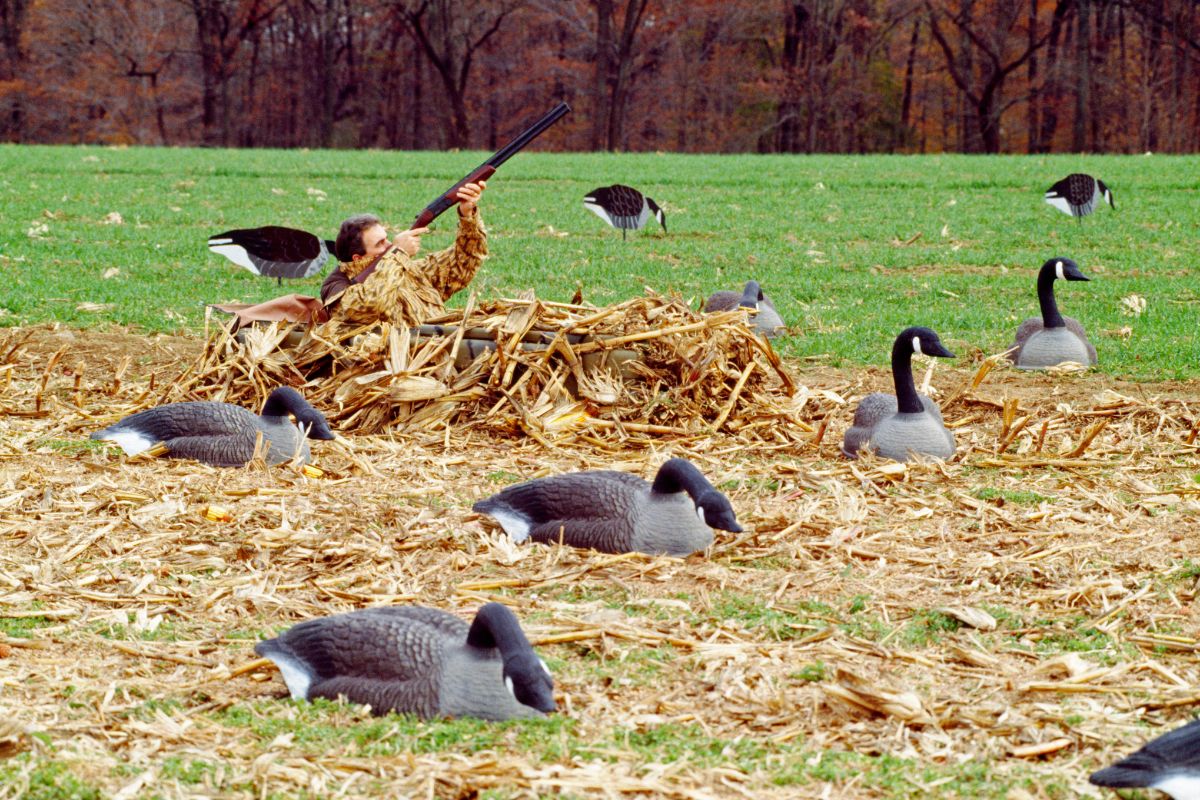
Spring goose hunting offers an exciting opportunity for waterfowl hunters to extend their season and take advantage of liberal bag limits in many areas. As geese migrate back north to their breeding grounds, hunters can capitalize on their predictable movement patterns. Whether you’re targeting snow geese or Canada geese, proper preparation and strategy are key to a successful hunt.
Understanding Spring Goose Migration
During the spring, geese follow a northward migration, stopping at key staging areas to rest and feed. These locations, often in agricultural fields, wetlands, and open water areas, provide prime hunting opportunities. Understanding local migration routes and scouting frequently will improve your chances of success.
Essential Gear for Spring Goose Hunting
To maximize your effectiveness in the field, make sure you have the right equipment:
Goose Decoys – Large spreads of full-body, shell, or silhouette decoys help attract passing flocks.
Electronic Calls – Many spring conservation hunts allow the use of electronic calls, which can mimic entire flocks to draw geese in.
Concealment – Goose hunting layout blinds, ghillie suits, and natural cover help hunters stay hidden from wary birds.
Shotgun & Ammo – A 12-gauge shotgun with non-toxic shot (such as steel or bismuth) is ideal for taking down geese.
Decoy Strategies for Spring Hunting
Decoy spreads are crucial in convincing migrating geese to land. Consider these setups:
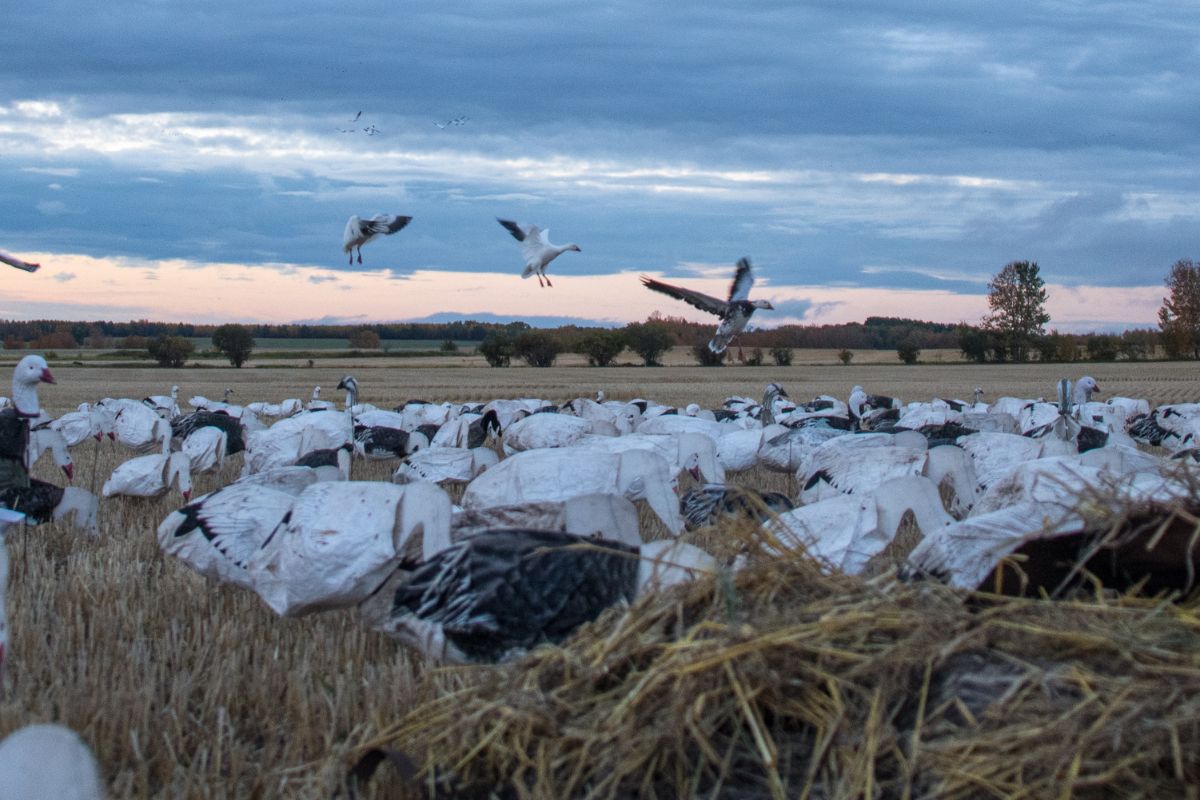
Large Spreads – Snow geese respond well to large decoy spreads of 500+ decoys, mimicking a massive feeding flock.
Family Groups – Canada geese often react better to smaller, realistic family groupings.
Motion Decoys – Adding movement with flagging or rotary decoys can increase realism and draw in flocks.
Calling Techniques
Using the right goose hunting call can make the difference between a passing flock and a committed landing:
Loud and Aggressive Calling – Effective for snow geese, especially when paired with electronic calls.
Soft and Realistic – Works well for Canada geese in pressured areas.
Mixing Calls – Combining feeding calls with greeting calls creates a natural-sounding setup.
Best Hunting Locations
Spring geese frequent areas that provide food and rest:
Agricultural Fields – Corn, wheat, and soybean stubble fields are prime feeding grounds.
Flooded Fields and Marshes – Shallow water areas provide ideal roosting sites.
River Systems – Geese often follow rivers during migration, offering unique hunting opportunities.
Spring goose hunting is an action-packed experience that requires preparation and adaptability. Scouting, strategic decoy placement, and effective calling techniques will greatly enhance your success. With the right approach, you can make the most of this exciting extension of waterfowl season and enjoy memorable hunts in the field!


Preparing for the 2026 Power Sports Season: Top Helmets, Gloves & Accessories to Gear Up Safely and Stylishly
As the 2026 power sports season approaches, riders across the
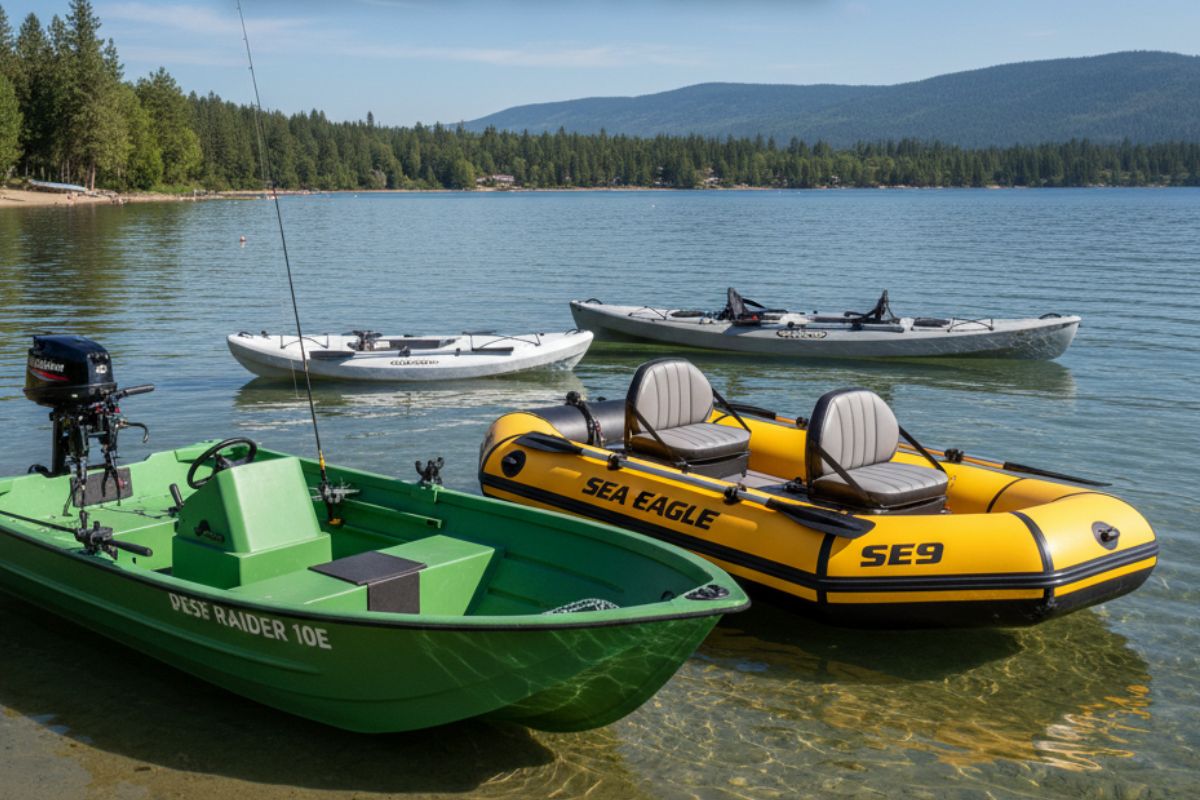
Best New Boats Under $1,000 for 2026
Finding high-quality boats under $1,000 is still possible in 2026.

2026 Outdoor Alert: Major DNR Changes and National Park Updates
The 2026 season is bringing significant shifts to the American

Spring Tune-Up: Essential Maintenance for Kayaks and Paddleboards After Winter Storage
As the snow melts and the first hints of green

Snowmobiling Safely: Essential Gear to Stay Warm, Protected, and Ready for the Ride
Snowmobiling is one of the most exciting ways to explore

Find Big Fish This Season — Walleye Ice Fishing: Where to Look and Why
Know where walleyes live in winter Unlike summer feeding patterns,