
Surfing vs Skimboarding for Beginners
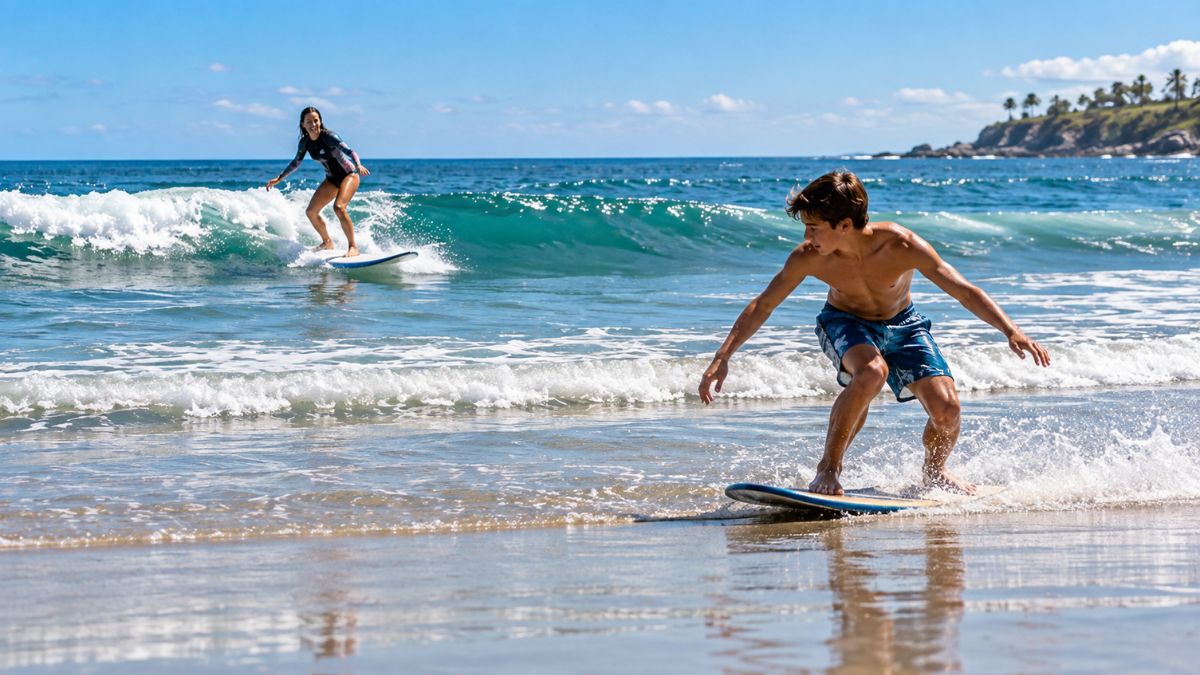
Both sports can be fun for beginners, but each asks for different skills. Surfing takes swimming strength, timing, and patience, while skimboarding needs quick feet and balance close to shore. Learning the difference can help you choose which one feels more comfortable for your first beach adventure.
What It Is Like to Learn Surfing
Surfing usually starts with learning how to lie on the board, paddle, turn, and stand. Beginners often practice in smaller waves and shallow areas with an instructor or experienced surfer nearby. It may take many tries before standing feels easy, and falling into the water is a normal part of learning.
The ocean is always changing, so surfers must pay attention to waves, wind, tides, and currents. Rip currents can move swimmers away from shore very quickly, which is why beginners should use guarded beaches when possible and learn local conditions before entering the water. If conditions look too rough or confusing, waiting for another day is the smart choice.
What It Is Like to Learn Skimboarding
Skimboarding starts closer to shore. A rider usually runs along wet sand, drops the board onto a thin layer of water, and steps onto it while it is moving. Beginners can start with short, slow rides instead of trying to reach large waves right away.
The hardest part for many new skimboarders is getting onto the moving board without slipping. Wet sand can be slick, and a fast fall can hurt even when the water is shallow. A clear part of the beach with no rocks, people, or sharp objects gives a beginner more room to practice.
Choosing Between Surfing and Skimboarding
Surfing may be a better fit if you love being in deeper water and want to learn how to ride waves for a longer time. Skimboarding may feel easier to try if you want to stay closer to shore and like quick, short rides. Neither sport is always easier because people have different balance, swimming skills, and comfort around waves. Swimming ability should be part of the choice. Surfing puts you farther into moving water, so strong basic swimming skills and ocean awareness matter. Skimboarding stays closer to land, but waves and shorebreak can still knock people down or move them into deeper water.
Lessons can help with either sport. A good instructor can show you where to practice, how to fall more safely, and how to understand the water around you. Learning the basics first can save a lot of frustration and help you enjoy the sport sooner. Always look at beach flags and warning signs before getting in the water. Ask a lifeguard about currents or wave conditions when you are not sure. Beaches can change from day to day, even when the weather looks sunny and calm.
Take breaks when you get tired. Surfing and skimboarding use your legs, arms, and balance in ways your body may not be used to. Tired riders make more mistakes, so resting is part of a good day at the beach. You do not have to choose one sport forever. Some people enjoy surfing when the waves are right and skimboarding when they want a quick beach activity. Try each one at a safe pace and see which style makes you want to come back to the water.



What to Expect on Your First Day at a Ski Resort
A first trip to a ski resort can feel exciting
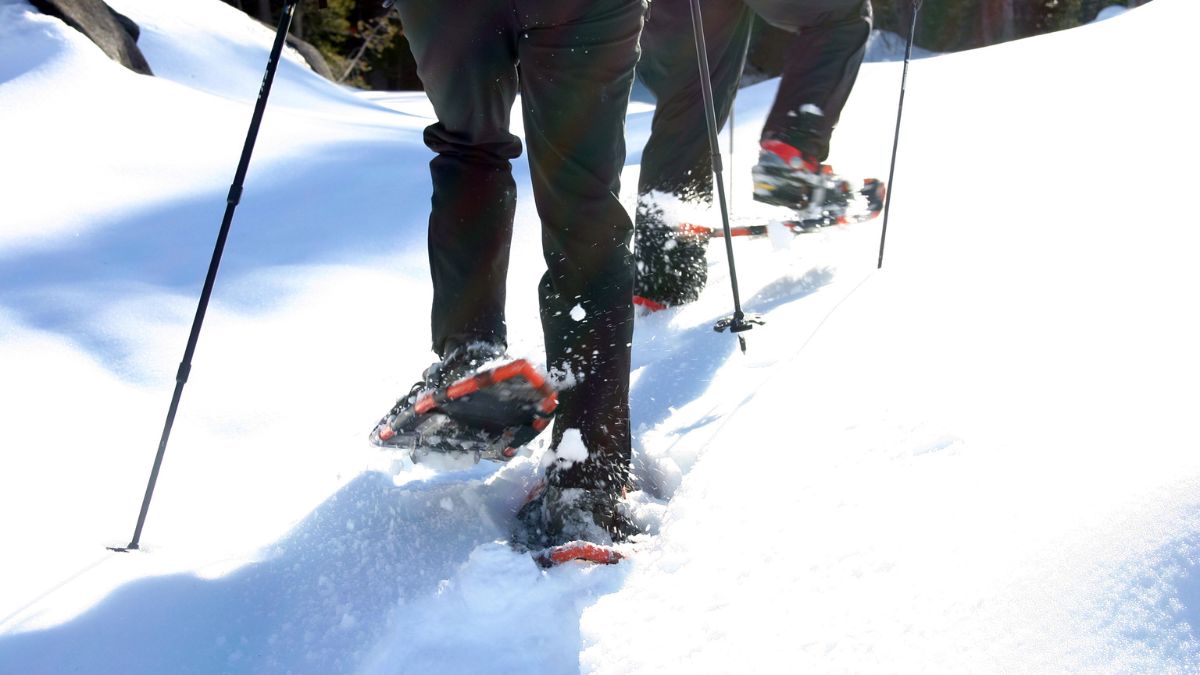
Snowshoeing for Beginners
Snowshoeing is one of the easiest winter sports to
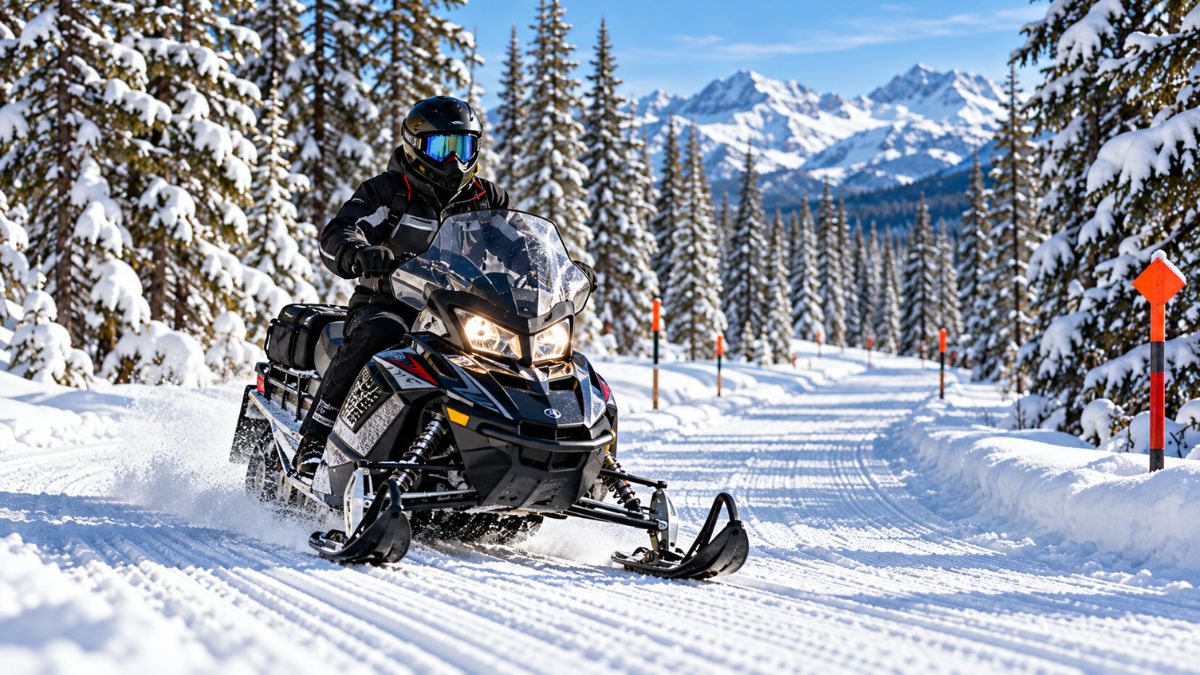
Snowmobile Safety Tips for Winter Riding
Snowmobiling can be one of the most exciting ways to

Popular Winter Sports for Outdoor Adventure
Winter opens the door to outdoor activities that are

Best Places for Water Sports in the United States
A great water sports trip can look very different
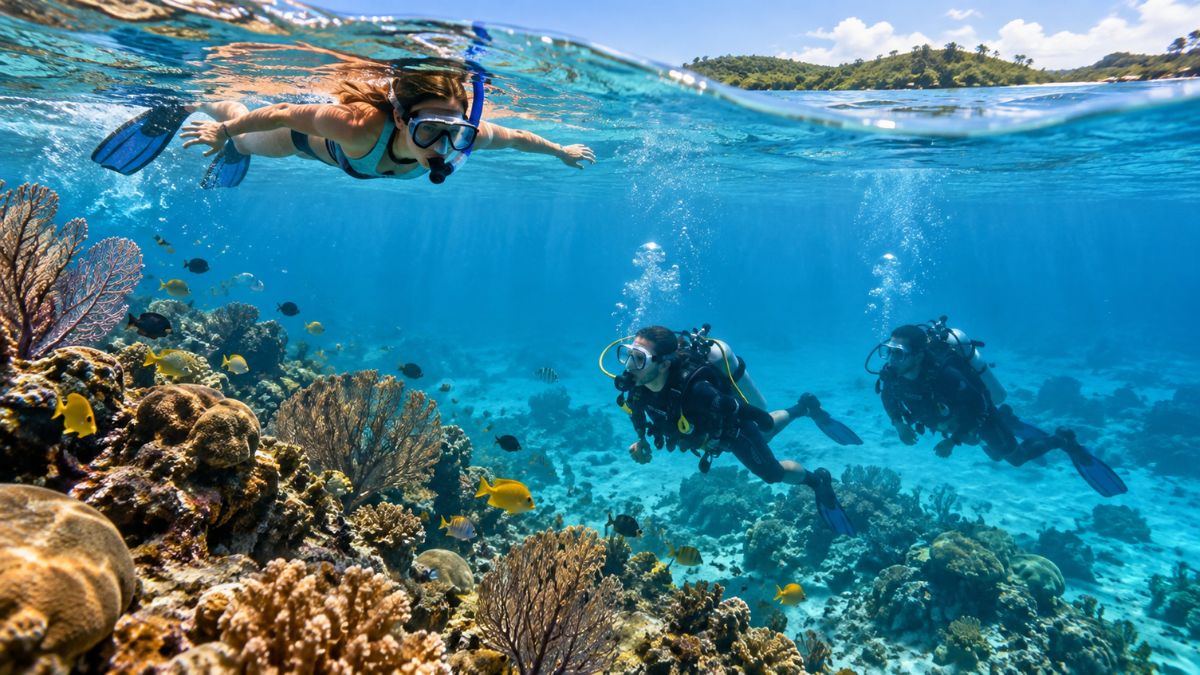
Scuba Diving Snorkeling and Freediving for Beginners
The world below the water can feel like a