The Future of ATV/SxS Technology: Electric vs. Gas, and Beyond.
The Future of ATV/SxS Technology
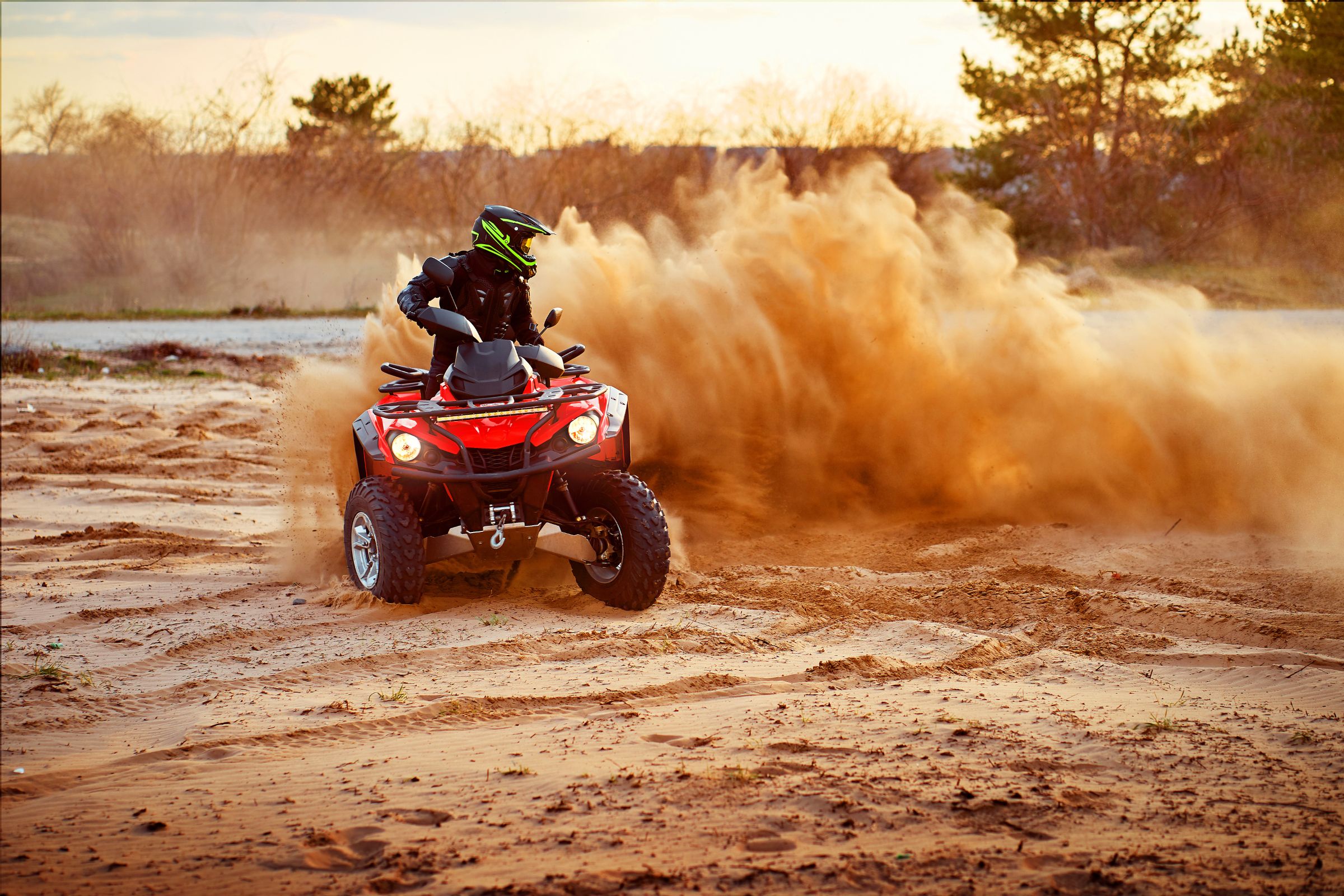
The world of ATVs and Side-by-Sides is undergoing a significant transformation, driven by advancements in technology and a growing focus on sustainability. While traditional gasoline-powered machines have long dominated the market, electric vehicles are rapidly gaining traction. But the future holds even more possibilities beyond just electric vs. gas. Let’s explore the exciting developments shaping the future of ATV/SxS technology.
The Electric Revolution
Electric ATVs and SxSs offer several advantages. Reduced emissions make them environmentally friendly, and their quiet operation enhances the enjoyment of nature. Instant torque provides rapid acceleration and improved low-speed control, while fewer moving parts result in lower maintenance costs. However, challenges such as range anxiety, limited charging infrastructure in remote areas, and higher initial purchase prices exist. Battery technology, though improving, still faces limitations in charging times and energy density. The future of electric ATVs and SxSs looks promising, with advances in battery technology increasing range and reducing charging times. The development of charging infrastructure in off-road areas is expanding, and electric powertrains are becoming more powerful and efficient.
Gasoline Power: Evolution, Not Extinction
Gasoline engines are still being improved, with advancements in fuel efficiency, emissions control, and performance. Hybrid systems that combine gasoline engines with electric motors could offer the best of both worlds: extended range and reduced emissions. Research into alternative fuels, such as biofuels and synthetic fuels, could reduce the environmental impact of gasoline-powered ATVs and SxSs.
Beyond Electric and Gas: Emerging Technologies
Advanced suspension systems that automatically adjust to terrain conditions are improving ride quality and handling. Some manufacturers are exploring autonomous features, such as obstacle avoidance and trail following, to enhance safety and convenience. Integrated connectivity and telematics systems are providing riders with real-time data on vehicle performance, navigation, and trail conditions. The use of lightweight and durable materials, such as carbon fiber and advanced composites, is improving vehicle performance and efficiency. More precise GPS and mapping technology is making navigation safer and easier. Heads up displays that project important vehicle information into the rider’s field of view are also being developed.
The Impact of Regulations
Increasingly stringent emissions standards are driving the development of cleaner technologies. Noise regulations are encouraging the development of quieter ATVs and SxSs. Safety regulations are driving the adoption of advanced safety features.
The Future Outlook
The future of ATV/SxS technology is dynamic and exciting. While electric vehicles are poised to play a significant role, gasoline-powered machines will continue to evolve. Ultimately, the best technology will depend on the specific riding application and the rider’s priorities. Beyond the power source, advancements in suspension, connectivity, and materials will transform the riding experience. As technology continues to advance, we can expect to see ATVs and SxSs that are more powerful, efficient, safe, and environmentally friendly. The future of off-road adventure is bright!



2026 Outdoor Alert: Major DNR Changes and National Park Updates
The 2026 season is bringing significant shifts to the American

Spring Tune-Up: Essential Maintenance for Kayaks and Paddleboards After Winter Storage
As the snow melts and the first hints of green

Snowmobiling Safely: Essential Gear to Stay Warm, Protected, and Ready for the Ride
Snowmobiling is one of the most exciting ways to explore

Find Big Fish This Season — Walleye Ice Fishing: Where to Look and Why
Know where walleyes live in winter Unlike summer feeding patterns,

Walleye Ice Fishing 101: Structure, Depth, and Presentations That Produce All Season
Start with structure: where the walleyes concentrate Winter walleyes are

Walleye Ice Fishing for Giants: Proven Winter Tactics That Put Big Fish on the Ice
Winter walleye fishing is different from open-water tactics — but
SHARE THIS STORY ANYWHERE YOU LIKE
SHARE THIS STORY ANYWHERE

Preparing for the 2026 Power Sports Season: Top Helmets, Gloves & Accessories to Gear Up Safely and Stylishly
As the 2026 power sports season approaches, riders across the country are buzzing with excitement about hitting the trails, dunes, and tracks on their dirt bikes, ATVs, UTVs, and snowmobiles. Whether you’re a weekend warrior