Dressing for Success: Layering Tips for All Your Winter Activities

When it comes to winter adventures like skiing, snowmobiling, or snowshoeing, staying warm and comfortable is key to making the most of your time outdoors. Proper layering ensures that you’re protected from the elements while remaining flexible and dry. Here’s a guide to mastering the art of layering for all your cold-weather activities.
1. Start with a Moisture-Wicking Base Layer
The first layer is your foundation and plays a vital role in keeping moisture away from your skin. Opt for materials like merino wool or synthetic fabrics designed for moisture-wicking. Avoid cotton—it retains moisture and can leave you feeling damp and cold. Whether you’re skiing downhill or trekking through snow-covered trails, a quality base layer is essential for staying dry and warm.
2. Add an Insulating Mid-Layer
The mid-layer traps heat and provides insulation. Popular choices include fleece, down, or synthetic insulated jackets. For snowmobiling or skiing at high altitudes, a thicker mid-layer like a puffy jacket may be necessary. On less intense outings like snowshoeing or tubing, a lighter fleece might suffice. Adjust the weight of your mid-layer depending on the activity and weather conditions.
3. Top it Off with a Waterproof Outer Layer
The outer layer protects you from wind, snow, and rain. A good-quality shell or ski jacket that is waterproof and breathable is a must for any winter sport. Look for options with Gore-Tex or similar technologies to ensure protection without overheating. Snow pants with built-in gaiters are great for activities like skiing or tubing to keep snow out.
4. Don’t Forget Accessories
Proper accessories can make or break your winter experience. Insulated gloves or mittens, moisture-wicking socks, and a beanie or balaclava are essential for retaining body heat. For snowmobiling or skiing, goggles are a must to shield your eyes from glare and wind.
5. Adapt to Your Activity
Different winter sports require tailored layering. For high-energy activities like cross-country skiing or snowshoeing, prioritize breathability to prevent overheating. For more stationary sports like snowmobiling, focus on insulation and windproofing.
By following these layering tips, you’ll stay warm, dry, and ready to tackle any winter adventure. With the right gear and preparation, you can fully embrace the season’s beauty while staying comfortable and protected.


Snowmobile Safety Tips for Winter Riding
Snowmobiling can be one of the most exciting ways
Popular Winter Sports for Outdoor Adventure
Winter opens the door to outdoor activities that are

Best Places for Water Sports in the United States
A great water sports trip can look very different

Scuba Diving Snorkeling and Freediving for Beginners
The world below the water can feel like a
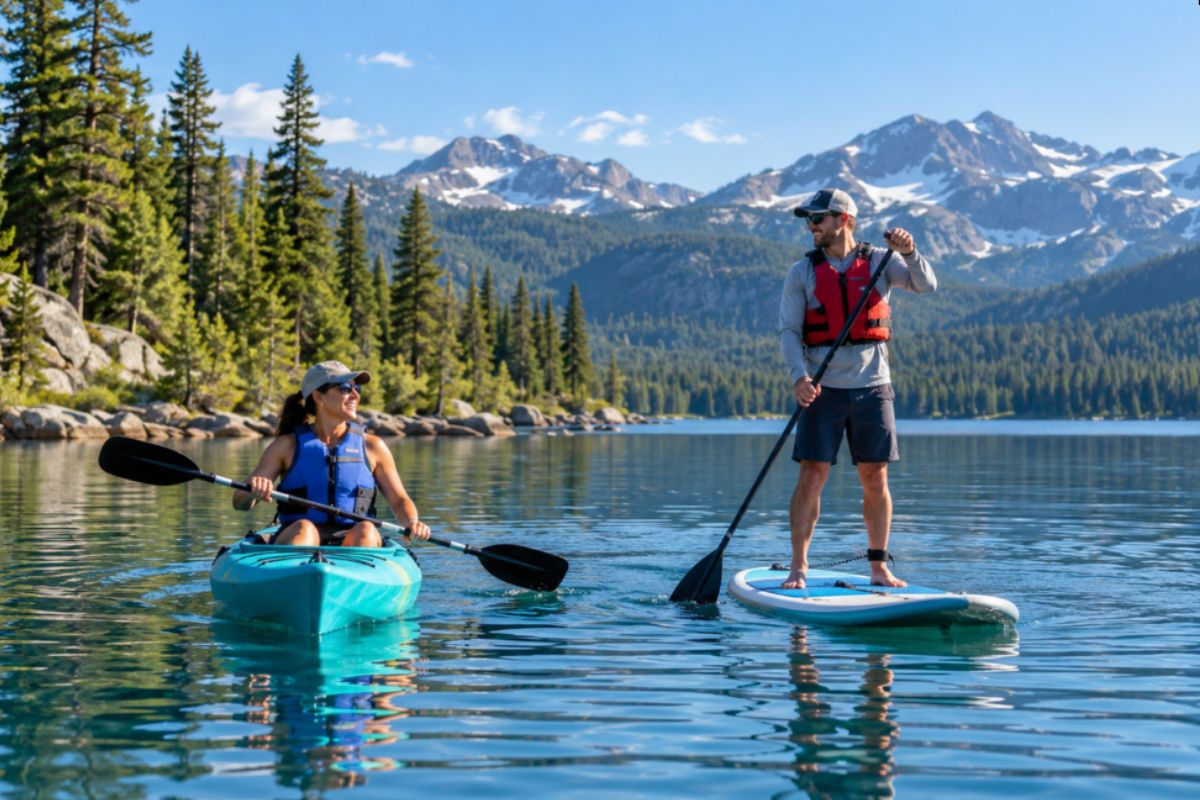
Kayaking vs Paddleboarding for Beginners
Kayaking and paddleboarding are two simple ways to explore

Surfing vs Skimboarding for Beginners
Surfing and skimboarding both use a board and ocean