Fall Turkey Hunting: Advanced Strategies & Field-Proven Tips

Fall turkey hunting is a different animal than spring. Birds are less vocal, more cautious, and driven by food and weather more than breeding behavior. If you adjust your approach, though, you can have excellent success. Below are proven strategies, tools, and mindset shifts based on the latest advice from trusted hunting sources.
Scout Early and Often
Your success in fall hinges on knowing where the birds are before you try to ambush them. Visit feeding areas, roost sites, and travel corridors ahead of time to observe movement, droppings, scratchings, and where they eat or loaf during the day. Use binoculars from ridgelines or overlooks rather than getting in close and spooking them. Over time, maps, satellite imagery, and trail cameras can help identify late-season food sources that aren’t obvious on the ground.
Focus on Food Sources
In fall, hunger drives turkeys. They seek out hard mast (acorns, beechnuts, hickory nuts), soft mast (berries, persimmons, grapes), green fields, waste grain, or fresh sprouts after harvest. When food is limited or patchy, turkeys compress their daily travel to move between roosts and food zones. Setting up between a roost tree and active feeding areas gives you a good chance of intercepting birds.
Patterns: Roost, Travel, Loaf
Understanding the travel rhythm of turkeys in fall is key:
- Roost locations: Birds may frequent high ground or tree patches secluded from disturbance.
- Travel corridors: Focus on ridges, creek bottoms, and fence rows that turkeys naturally use to move from roost to feed.
- Loafing spots: Areas where birds rest or preen during the day—such as timber edges or brush cover—are great mid-day ambush areas.
Tactical Calling: Subtle & Natural
Because birds aren’t breeding, their responses to calls are muted compared to spring. Loud gobbles or aggressive calling rarely work. Instead, use gentle hen yelps, soft clucks, kee-kee runs, lost-bird calls, or assembly yelps. Call sparingly, with pauses, and listen before responding. Carry multiple turkey calls—like mouth, slate, or box—so you can adapt to conditions.
Ambush & Mobility
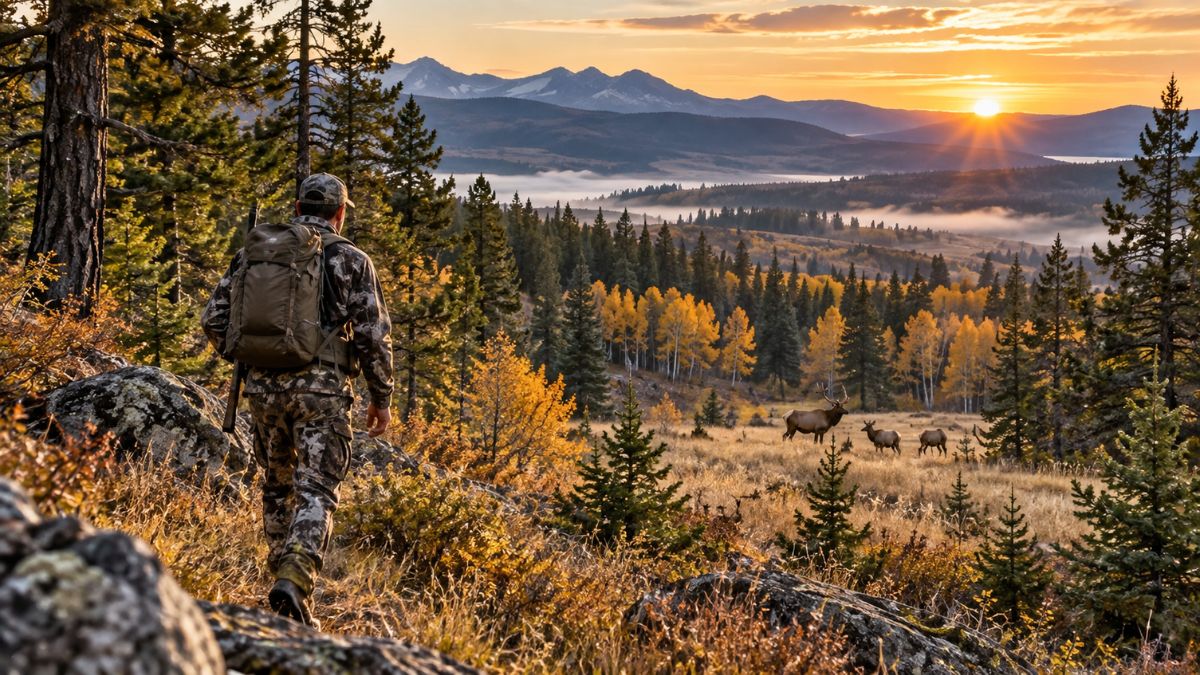
Fall turkey hunting tends to be more ambush-oriented than spring. Pick spots where birds are likely to walk by, stay well hidden, and move only when necessary. In open country, glass flocks from a distance and plan an ambush along their travel route. Some hunters use decoys, particularly hen decoys, to spark curiosity, but placement and subtlety are key.
Gear, Camouflage, and Comfort
While much of your spring turkey gear works for fall, a few tweaks make a difference:
- Wear quiet, layered hunting clothing that matches autumn’s muted colors.
- Use good optics to locate distant flocks.
- Bring calls you’ve practiced with, along with blinds or natural cover.
- Stay comfortable—being still longer increases your odds.
Timing & Legal Awareness
Fall seasons vary widely by state, so check your regulations for dates, bag limits, legal equipment, and hours. Early mornings right after roost can be productive, but mid-morning feeding times and late-afternoon returns to roost are also excellent. Always hunt responsibly and within your state’s rules.
Mindset: Patience, Observation, Adaptation
Fall turkey hunting rewards patience and observation. Be flexible in your tactics, pay attention to bird behavior, and accept that fall hunts can be more challenging than spring. Success isn’t just measured in tags filled but in quiet mornings, time outdoors, and the experience itself.
Takeaways: Putting It All Together
- Scout roost, food, and loafing areas before hunting.
- Set up along natural travel corridors.
- Use soft, realistic calling.
- Stay hidden, quiet, and adaptable.
- Follow regulations and hunt ethically.
Fall turkey hunting may not feature the loud gobbles of spring, but it offers a deeper, more thoughtful experience. With patience, planning, and smart strategy, you can enjoy the season to its fullest and increase your odds of success in the field.



Snowmobiling Safely: Essential Gear to Stay Warm, Protected, and Ready for the Ride
Snowmobiling is one of the most exciting ways to explore

Find Big Fish This Season — Walleye Ice Fishing: Where to Look and Why
Know where walleyes live in winter Unlike summer feeding patterns,

Walleye Ice Fishing 101: Structure, Depth, and Presentations That Produce All Season
Start with structure: where the walleyes concentrate Winter walleyes are

Walleye Ice Fishing for Giants: Proven Winter Tactics That Put Big Fish on the Ice
Winter walleye fishing is different from open-water tactics — but

Best Amazon Cyber Monday Outdoor Deals
Cyber Monday is here, and it’s the perfect time for

Ice Fishing Fish Finder Guide
A clear, practical look at fish-finder styles, transducers, mounting and