Paddling Techniques: How to Conserve Energy on Long Trips
Paddling is a rewarding outdoor activity, whether you’re kayaking down a calm river or canoeing across a scenic lake. However, long trips can become physically exhausting if you don’t use efficient techniques. To maximize your enjoyment and minimize fatigue, follow these tips for conserving energy while paddling.
Perfect Your Paddling Form
The foundation of energy conservation lies in your paddling form. Avoid using just your arms, which will tire quickly. Instead, engage your core muscles to power each stroke. Sit up straight and rotate your torso as you paddle. This rotation not only strengthens your strokes but also prevents strain on your shoulders and arms, keeping you paddling longer.
Find Your Rhythm
A steady paddling rhythm is key to efficiency. Short, choppy strokes waste energy, while long, consistent strokes propel you farther with less effort. Experiment with different tempos until you find one that feels natural and sustainable. Many paddlers use a metronome or listen to rhythmic music to maintain consistency on long trips.
Use the Right Gear
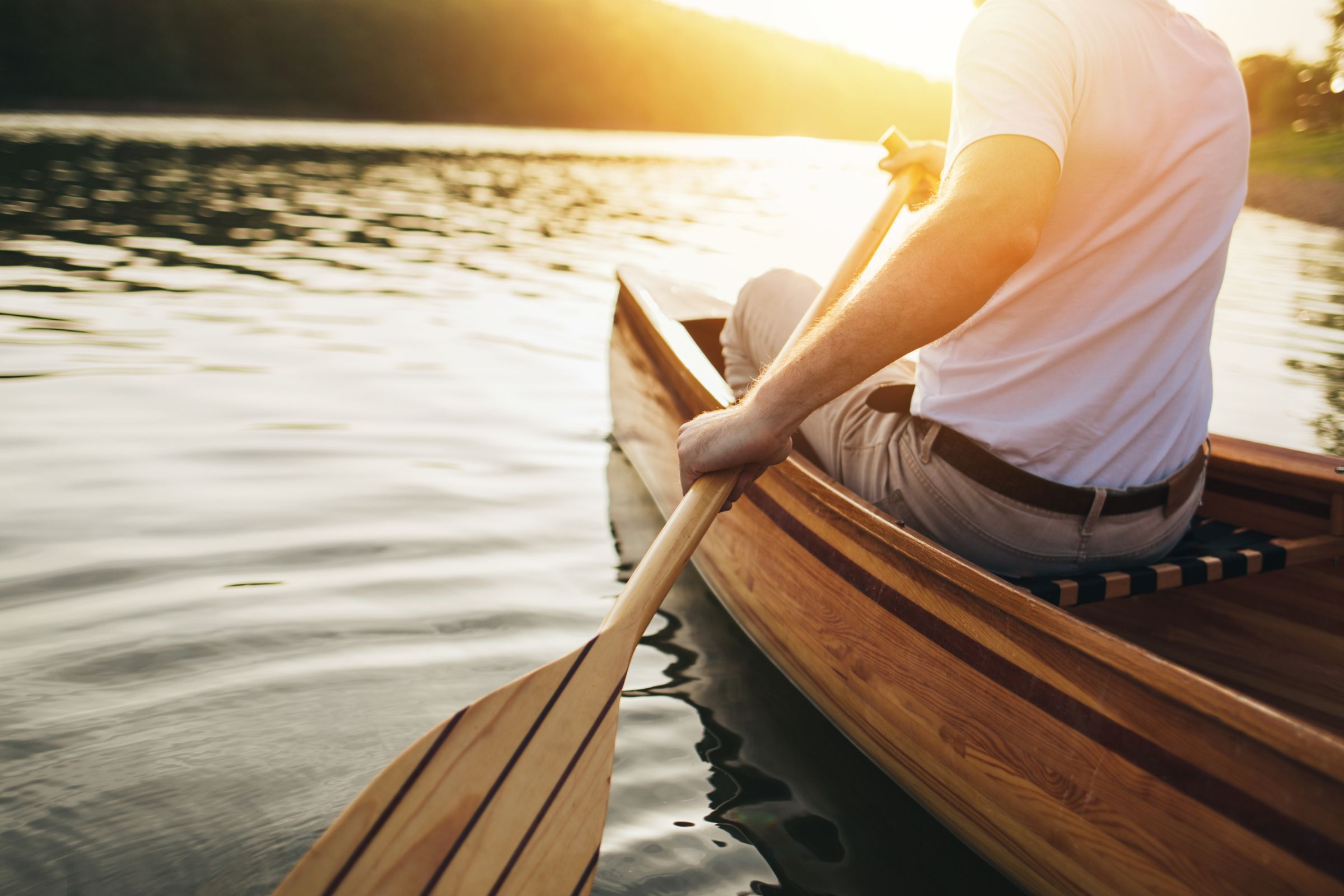
The right paddling gear makes a significant difference. Lightweight paddles reduce strain on your arms, while comfortable seating ensures proper posture. For kayaking, invest in a well-fitted paddle that matches your height and the width of your boat. If you’re canoeing, a single-blade paddle with an ergonomic grip can improve your efficiency. Don’t forget waterproof gloves to prevent blisters during extended paddling sessions.
Take Advantage of the Water’s Current
Whenever possible, work with the water’s natural flow. Paddle in the same direction as the current or use tailwinds to your advantage. When navigating against the current or in windy conditions, angle your boat slightly and use gentle, controlled strokes to avoid burning out.
Take Short Breaks
Periodic rest breaks can help you conserve energy for the long haul. Use these moments to hydrate, stretch, and refuel with snacks. A few minutes of rest every hour can prevent fatigue and keep you alert.
Balance Power and Relaxation
Alternate between periods of powerful strokes and relaxed paddling. This technique keeps your momentum while giving your muscles time to recover. It’s especially helpful during the final stretch of a long trip.
By honing your form, using the right gear, and pacing yourself, you can conserve energy and make your paddling trips enjoyable from start to finish. Whether kayaking, canoeing, or paddleboarding, these tips will keep you gliding efficiently across the water.

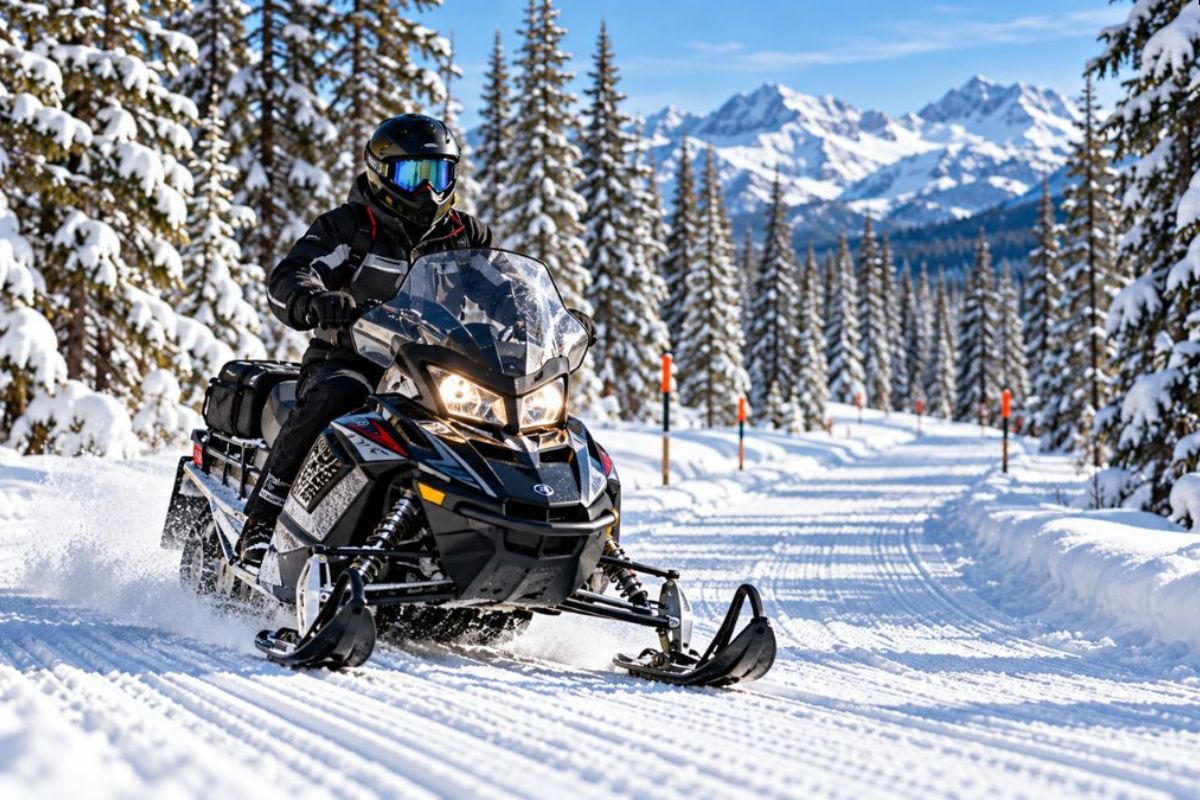
Snowmobile Safety Tips for Winter Riding
Snowmobiling can be one of the most exciting ways
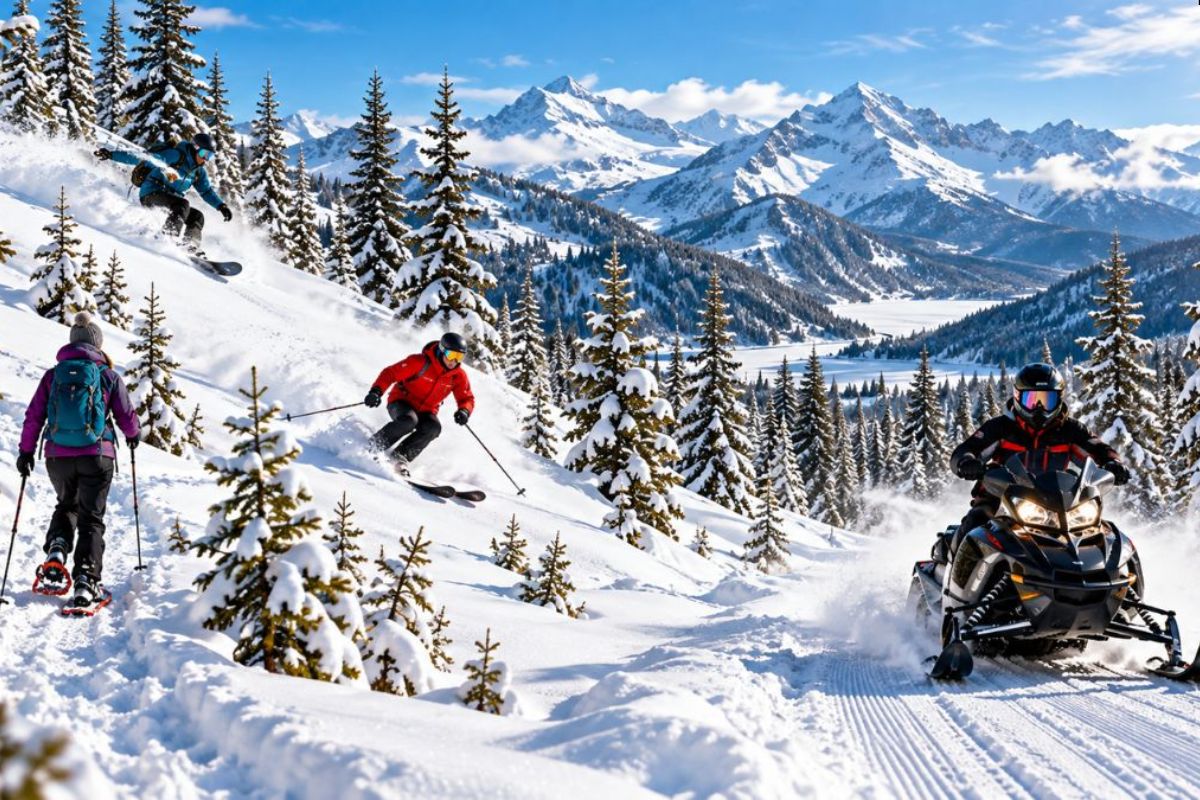
Popular Winter Sports for Outdoor Adventure
Winter opens the door to outdoor activities that are

Best Places for Water Sports in the United States
A great water sports trip can look very different
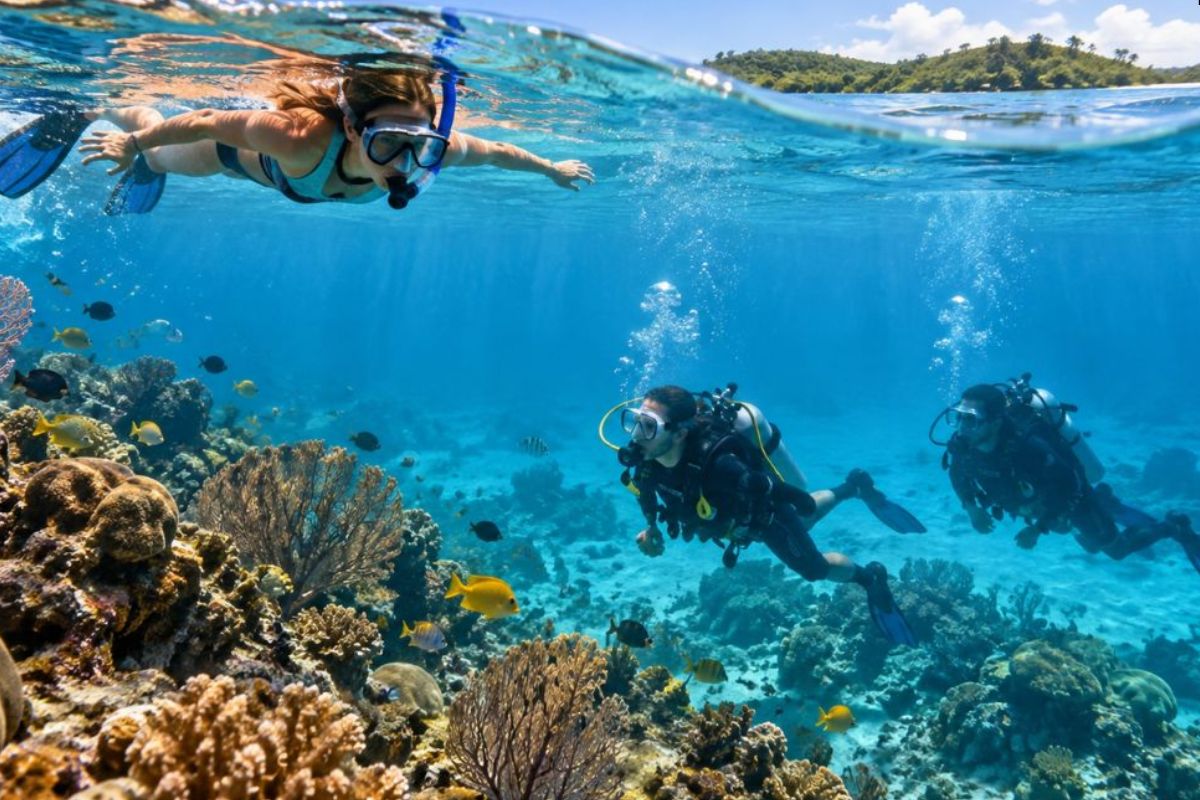
Scuba Diving Snorkeling and Freediving for Beginners
The world below the water can feel like a
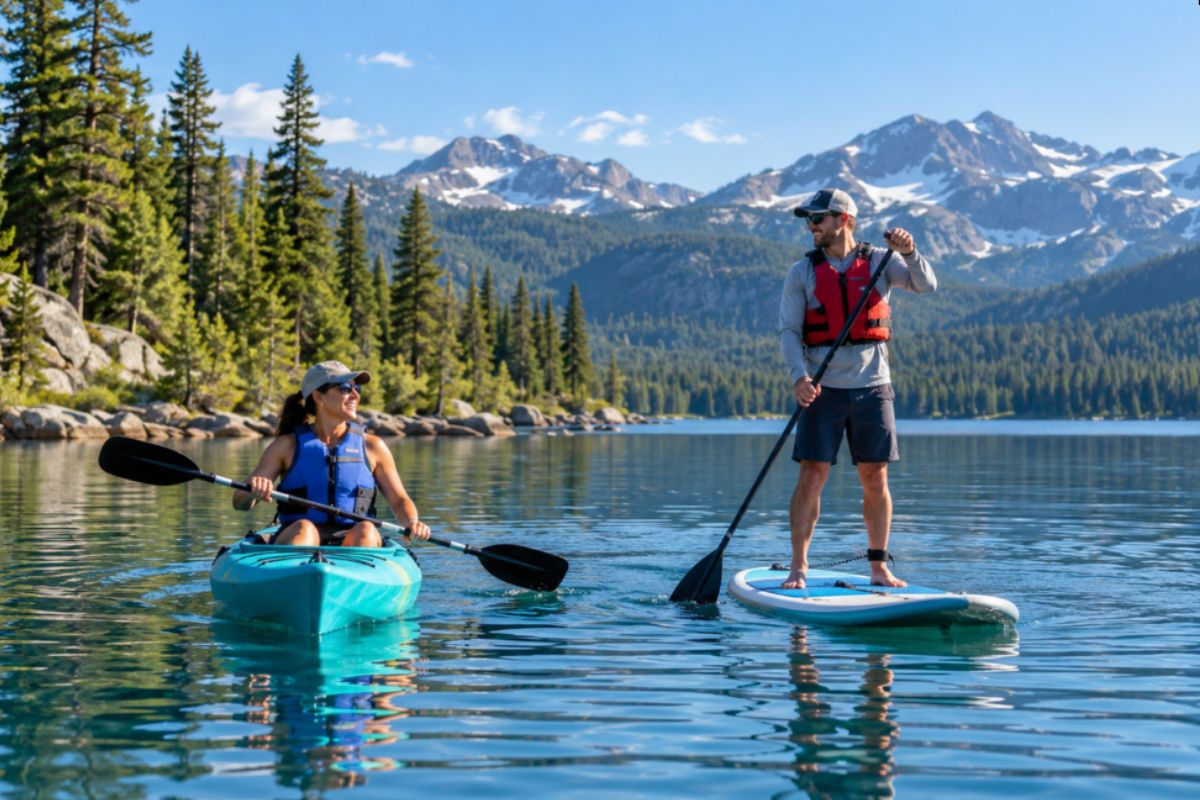
Kayaking vs Paddleboarding for Beginners
Kayaking and paddleboarding are two simple ways to explore
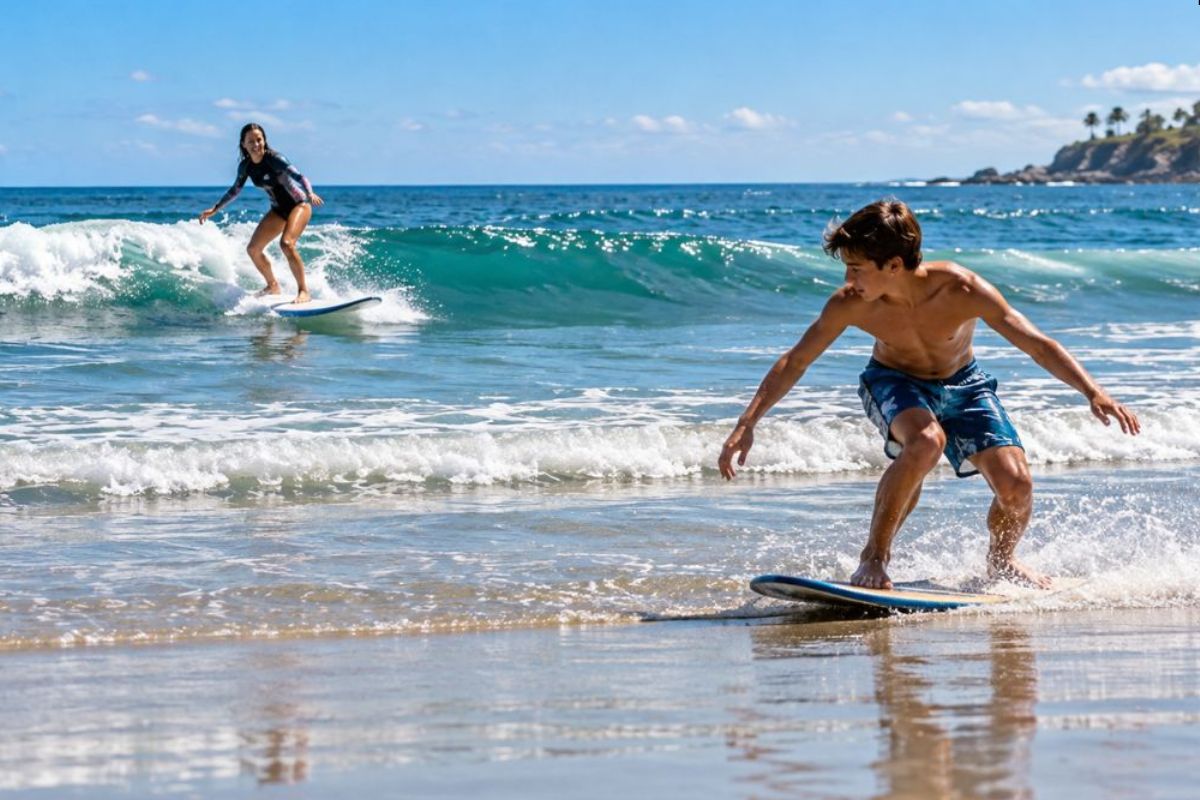
Surfing vs Skimboarding for Beginners
Surfing and skimboarding both use a board and ocean