
Explore Gear content that helps you #ExploreMore

The Ultimate Trapping Guide: Catching Food in Survival Scenarios
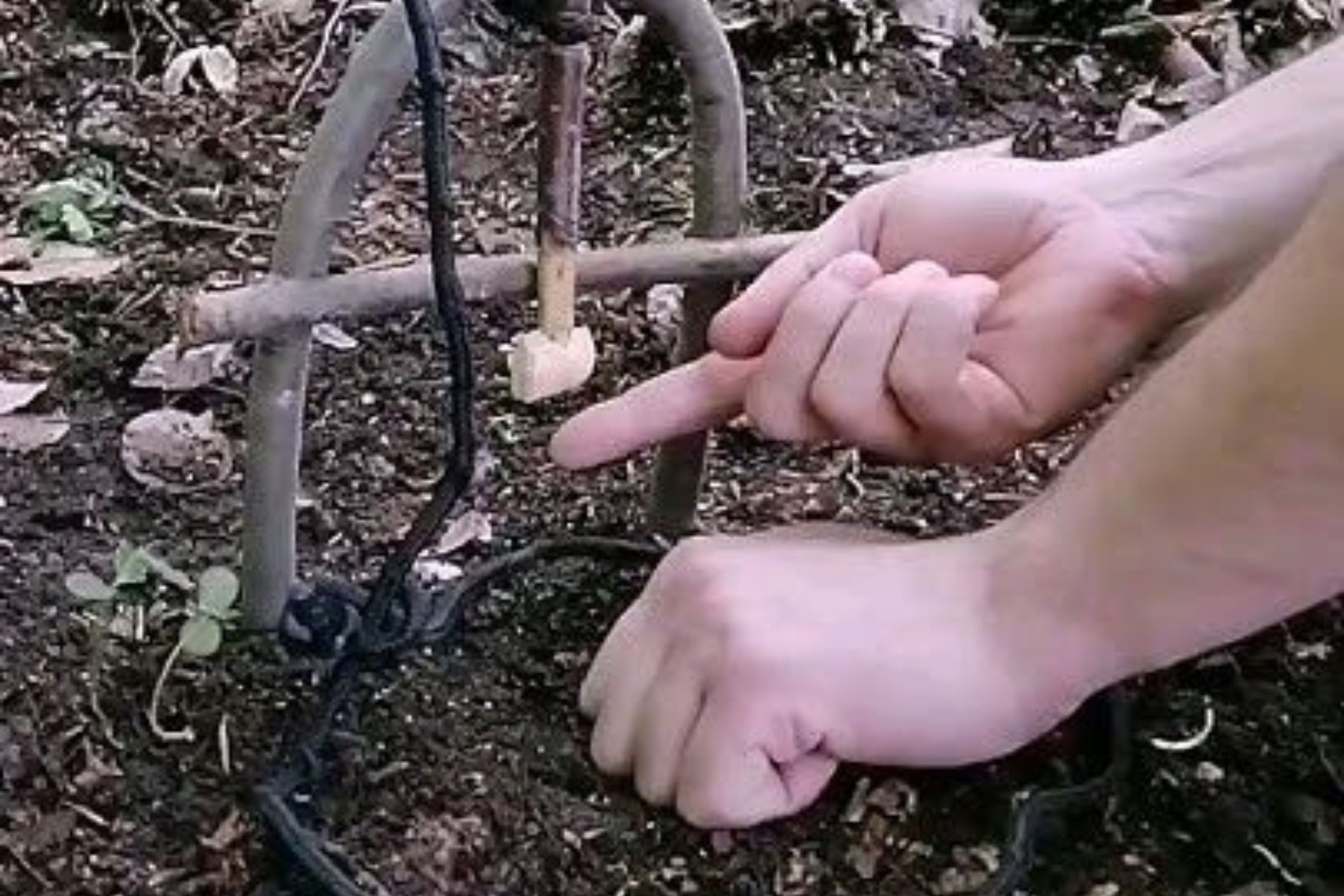

ExploreGear.com | Setting up a basic snare trap for survival.

When faced with survival in the wilderness, trapping becomes an essential skill to secure food. Mastering the art of setting traps and snares can make a significant difference in ensuring your well-being. Whether you’re deep into bushcraft or an outdoor enthusiast looking to prepare for unforeseen situations, here’s a guide to help you catch food effectively.

Understanding Trapping Basics

Trapping is more than just laying down a device; it’s a calculated method based on animal behavior, habitat knowledge, and patience. Key elements include knowing what type of animals are in the area, their movement patterns, and the materials you have on hand. Tools like cordage, wire, and even natural materials can be crafted into effective traps.

Types of Traps and Snares

  1. Simple Snare: This is one of the easiest traps to set up, requiring only a length of wire or strong cordage. Loop the wire and position it along an animal trail. As the animal moves through the loop, the snare tightens around it. This trap works best for small animals like rabbits or squirrels.
  2. Deadfall Trap: Perfect for small to medium-sized game, the deadfall trap uses a heavy object, such as a rock or log, to crush the animal. This trap requires a trigger mechanism like a figure-four or a Paiute deadfall for proper execution.
  3. Fish Traps: For water-based survival, fish traps like funnel-shaped weirs can capture fish with minimal effort. Construct the trap using sticks and stones to direct fish into a narrow enclosure.
  4. Spring Snare: For larger game, a spring snare relies on tension from a bent sapling. This trap can catch animals like raccoons or foxes. When triggered, the sapling pulls the snare upward, immobilizing the animal.

Best Practices for Success

  • Location Matters: Set traps along animal trails, near water sources, or near known feeding areas.
  • Disguise the Trap: Animals are cautious by nature. Camouflage your trap with natural materials like leaves or branches.
  • Set Multiple Traps: To increase your chances, set up multiple traps in different locations.

Ethical and Legal Considerations

While trapping is a vital survival skill, it’s important to use it responsibly. Check local regulations before practicing, and prioritize humane trapping techniques.

Final Thoughts

Trapping, paired with bushcraft essentials like fire starting and shelter building, is a critical survival skill. By mastering these techniques, you’ll not only increase your chances of survival but also deepen your connection to the natural world.

SHARE THIS STORY ANYWHERE YOU LIKE

SHARE THIS STORY ANYWHERE

LATEST NEWS

LATEST NEWS

  • Top Labor Day Sales: Unbeatable Outdoor Gear & Adventure Deals

    Published On: August 27th, 2025

    Labor Day is here, and it’s the perfect time to gear up for your next outdoor adventure while saving big! From fishing and hunting essentials to rugged survival gear and top-tier archery kits, this season’s

  • Campfire Stories, Jokes & Games to Make Fall Nights Unforgettable

    Published On: August 22nd, 2025

    There’s nothing quite like the magic of a crisp fall night, a crackling fire, and a group of friends or family gathered around for some old-school fun. Whether you’re camping deep in the woods or

  • Fall Pike Fishing Playbook: Locations, Lures, and Tactics for Giants

    Published On: August 15th, 2025

    When water temps slide and baitfish start staging, northern pike go from spooky to smashy. Fall concentrates forage, shrinks feeding windows, and pushes true trophies into predictable lanes. Below is a practical, field-tested plan that

Want to #ExploreMore? Sign up for our newsletter!

Stay in know with the latest outdoor happenings

Social Media

Go to Top