Winter Sports Gear Maintenance: How to Keep Your Equipment in Top Shape

Winter sports enthusiasts know that maintaining gear like skis, snowboards, snowmobiles, and snowshoes is crucial for safety, performance, and longevity. Proper care ensures your equipment stays in excellent condition, allowing you to enjoy your favorite winter activities season after season. Here’s a guide to keeping your winter sports gear in top shape.
1. Skis and Snowboards
Regular waxing is essential for skis and snowboards to glide smoothly on snow. Use an all-temperature wax or a specific wax suited for the snow conditions. After each session, wipe down your skis or snowboard with a soft cloth to remove moisture and prevent rust on the edges. Inspect the base for any scratches or gouges; small ones can be repaired with a base repair kit, while larger damages may require professional attention.
2. Snowmobiles
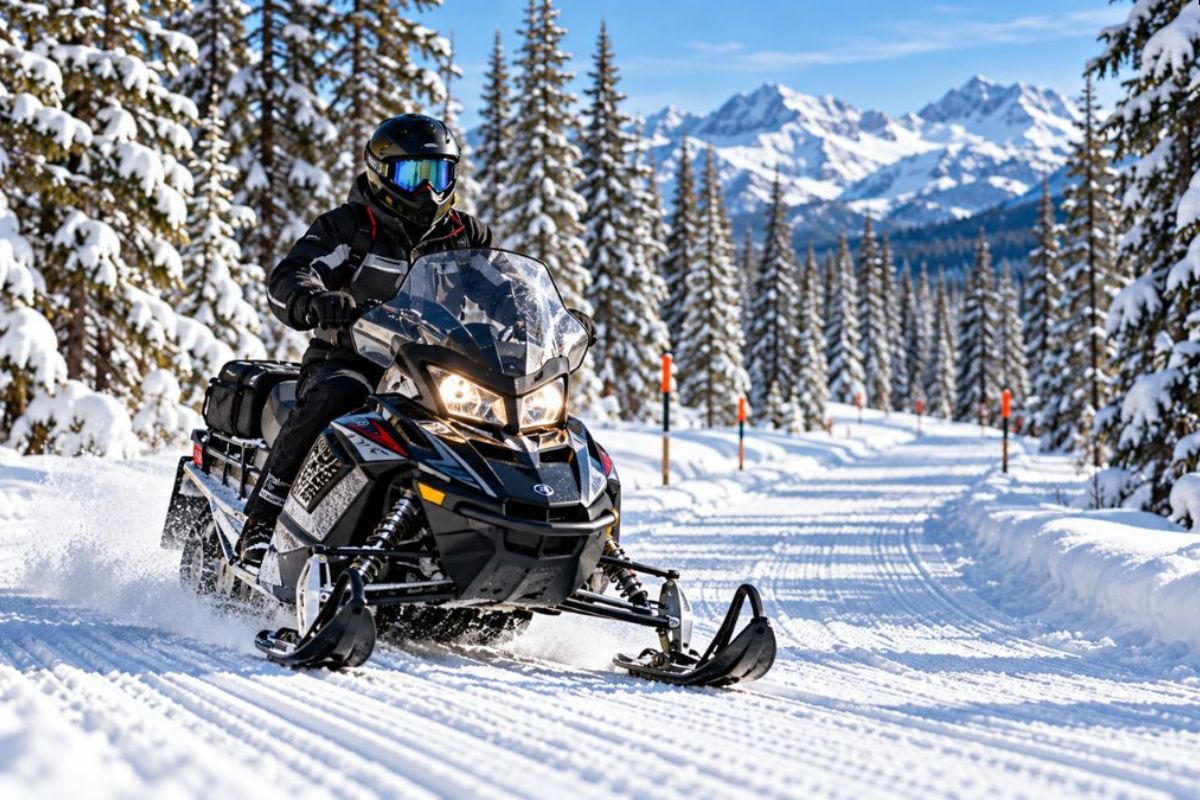
Snowmobiles require a bit more attention due to their mechanical components. Start by cleaning the exterior after every ride to remove dirt, snow, and salt that can cause corrosion. Check the tracks for wear and ensure they are properly tensioned. Inspect the engine’s oil and coolant levels regularly, and replace spark plugs as needed. Store your snowmobile in a dry, covered space to protect it from the elements.
3. Snowshoes
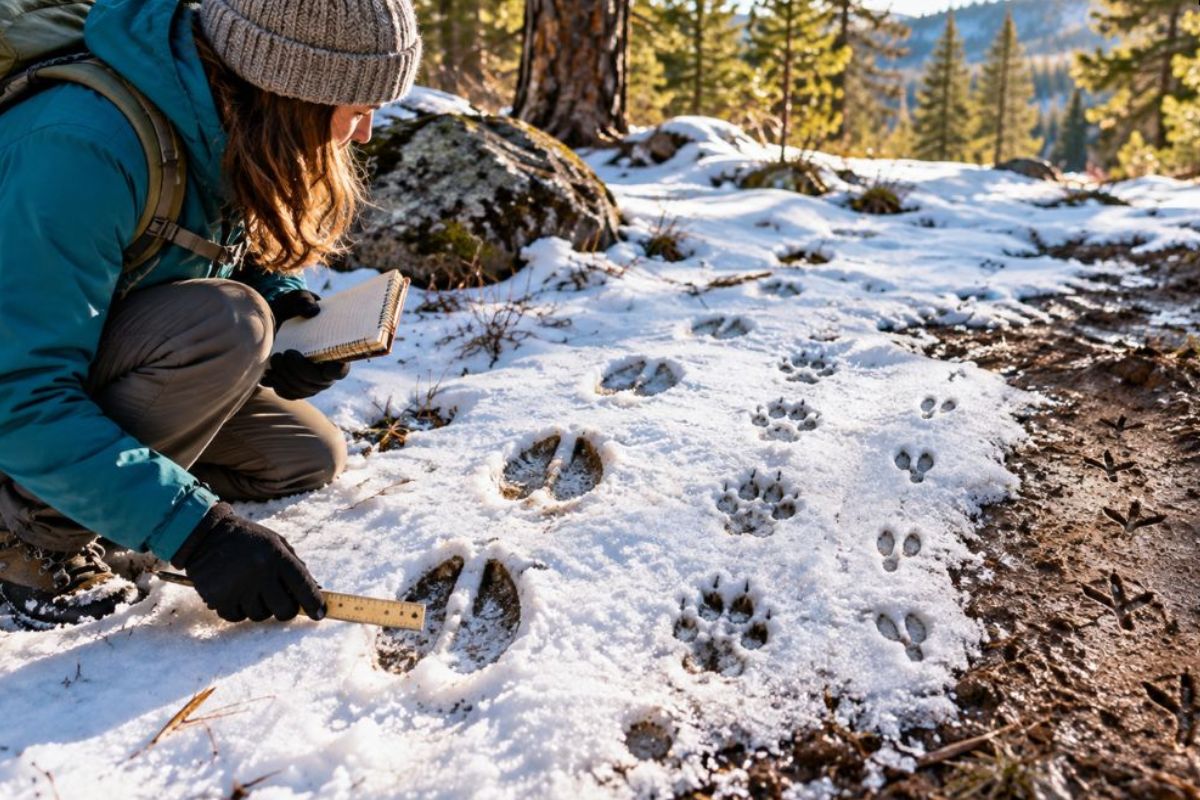
Clean your snowshoes after every use, ensuring you remove snow, dirt, and ice. Pay special attention to the bindings and metal crampons, as these areas can accumulate debris that reduces performance. Check for any cracks or loose rivets, and tighten or replace parts as needed. Store snowshoes in a cool, dry place to prevent warping.
4. Tubes and Sleds
For tubing or sledding gear, inspect for punctures, tears, or worn-out areas. Clean the surface with a damp cloth to remove dirt and snow. Repair any damage using patch kits specifically designed for the material of your tube or sled. Deflate and store inflatable tubes in a dry area when not in use.
5. General Tips
Invest in a gear bag to protect your equipment during transport. Keep items dry and avoid storing them in damp spaces, which can cause mold or rust. Lastly, perform end-of-season maintenance before storing your gear, ensuring it’s ready to go next winter.
Taking the time to care for your winter sports equipment ensures not only peak performance but also enhances your overall experience in the snow. Stay safe, and enjoy the season!


Snowmobile Safety Tips for Winter Riding
Snowmobiling can be one of the most exciting ways
Popular Winter Sports for Outdoor Adventure
Winter opens the door to outdoor activities that are

Best Places for Water Sports in the United States
A great water sports trip can look very different

Scuba Diving Snorkeling and Freediving for Beginners
The world below the water can feel like a

Kayaking vs Paddleboarding for Beginners
Kayaking and paddleboarding are two simple ways to explore

Surfing vs Skimboarding for Beginners
Surfing and skimboarding both use a board and ocean